
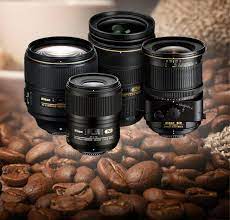
Photography is an art, and like any form of art, the tools you use can greatly influence the final outcome. One of the most crucial tools in a photographer’s arsenal is the lens. The right lens can make the difference between an ordinary photograph and a stunning masterpiece. In this guide, we’ll take a closer look at lens selection, breaking it down into three key aspects to help you choose the perfect glass for your shots.
Understanding Focal Length
Focal length is one of the fundamental factors to consider when choosing a lens. It determines how zoomed-in or out your photographs will appear. Lenses come in a variety of focal lengths, and each serves a different purpose:
Wide-Angle Lenses (10-35mm): These lenses have a shorter focal length and are perfect for capturing expansive landscapes or fitting more into the frame. They’re also great for architectural photography, where you want to capture the entire building without distortion.
Standard Lenses (35-85mm): Standard or “normal” lenses closely mimic the human eye’s perspective, making them suitable for a wide range of subjects, from portraits to street photography. They offer a versatile perspective without significant distortion.
Telephoto Lenses (85mm and beyond): Telephoto lenses have longer focal lengths, making them ideal for bringing distant subjects closer. These are essential for wildlife photography, sports events, or any situation where you need to reach subjects that are far away.
Understanding the focal length you need for your specific photography style, such as a Mt rainier maternity photographer, is the first step in choosing the right lens for your shots.
Aperture and Light Sensitivity
The aperture, often referred to as the f-stop, plays a crucial role in determining the amount of light that enters the lens. Aperture values are represented as f/2.8, f/1.4, f/4, and so on. A lower f-number, such as f/1.4, represents a wider aperture, allowing more light to enter. Conversely, a higher f-number, like f/22, means a narrower aperture, letting in less light.
Wide Aperture (e.g., f/1.4 – f/2.8): Lenses with wide apertures are excellent for low-light conditions and achieving a shallow depth of field. They create a beautiful background blur, often referred to as bokeh, which can make your subject stand out.
Mid-range Aperture (e.g., f/4 – f/8): These lenses offer a balance between light sensitivity and depth of field. They are versatile and can handle a wide range of shooting situations.
Narrow Aperture (e.g., f/11 and beyond): Lenses with narrow apertures are suitable for situations where you need a greater depth of field, such as landscape photography, where you want everything in the frame to be in focus.
Consider your shooting conditions and creative preferences when selecting a lens based on aperture. A lens with a wide aperture can add creative possibilities to your photography, while a narrower aperture can be more suitable for certain types of photography.
Specialized Lenses for Unique Needs
In addition to standard lenses, there are specialized lenses designed for specific purposes. These include:
Macro Lenses: Ideal for extreme close-up shots, capturing intricate details of small subjects like flowers, insects, or jewelry.
Fisheye Lenses: Known for their extreme wide-angle perspective and distorted, curved lines, fisheye lenses can create unique and artistic effects.
Tilt-Shift Lenses: These lenses allow you to control perspective and focus in architectural and product photography, making it possible to correct distortion and achieve precise depth of field control.
Choosing the right specialized lens depends on your interests and the subjects you want to capture.
Conclusion
Selecting the right lens for your photography is a critical decision that can significantly impact the quality and style of your images. Understanding focal length, aperture, and the specific needs of your photography style will guide you in making the best choice. Remember that there’s no one-size-fits-all solution; the right lens for your shots will be unique to your creative vision and shooting conditions. Experiment with different lenses to discover the full potential of your photography, and watch as your images transform into works of art.