
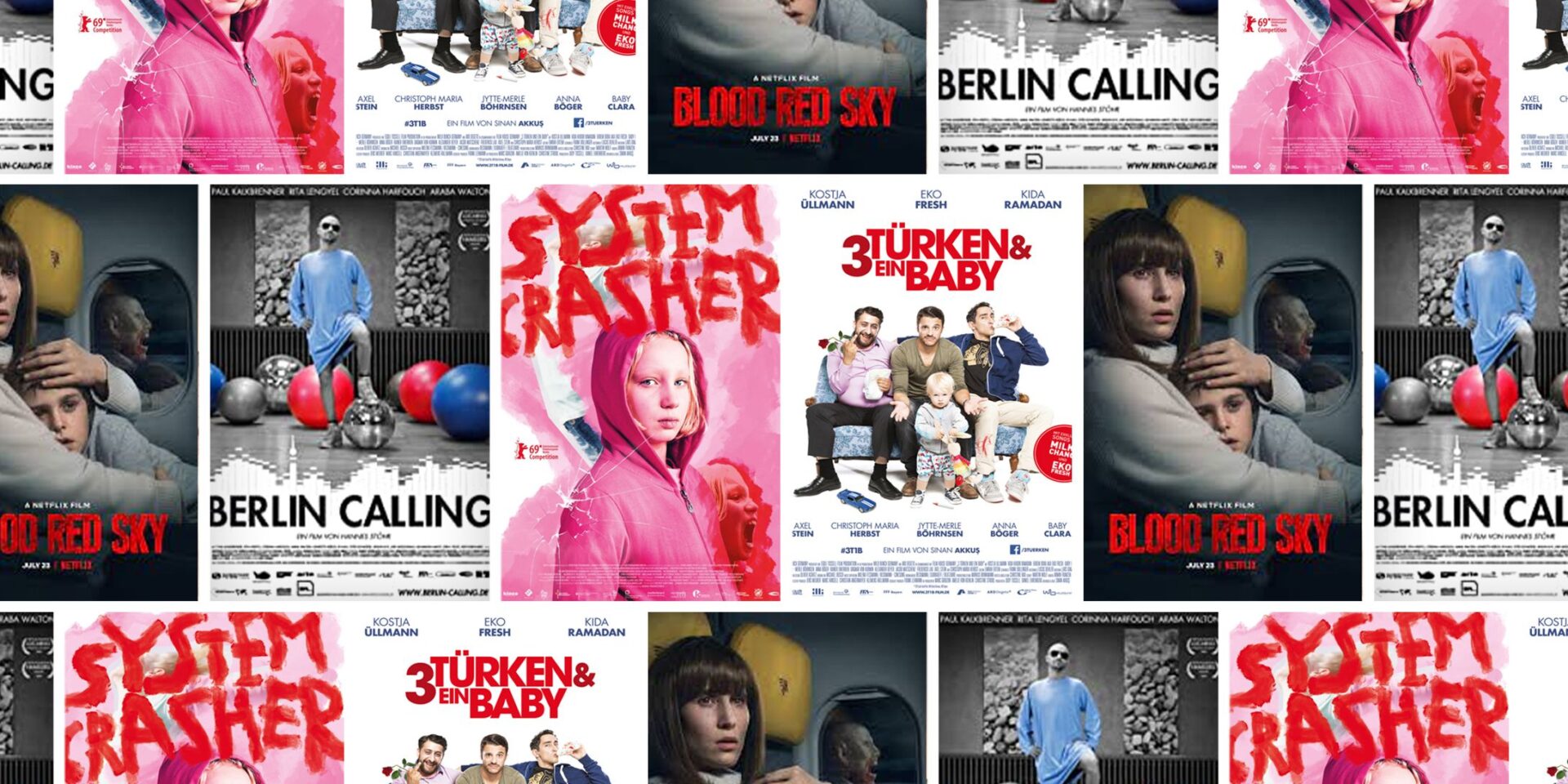
German cinema boasts a rich and diverse history, filled with timeless masterpieces that have captivated audiences around the world. From groundbreaking silent films to modern classics, German filmmakers have consistently pushed the boundaries of storytelling and filmmaking techniques. In this article, we will take a deep dive into some of the best German movies of all time, exploring their themes, influence, and enduring impact on cinema.
Early Pioneers

The history of German cinema dates back to the late 19th century when pioneers like Max Skladanowsky and the Lumière brothers experimented with motion pictures. However, it was in the 1920s that German cinema experienced its golden age with the emergence of expressionism. Films like “The Cabinet of Dr. Caligari” (1920), directed by Robert Wiene, showcased the innovative visual style and psychological depth that would come to define German silent cinema. These early works laid the groundwork for future generations of filmmakers and established Germany as a powerhouse in world cinema.
German expressionism reached its peak with Fritz Lang’s “Metropolis” (1927), a groundbreaking sci-fi epic that remains one of the most influential films of all time. With its stunning visuals and dystopian vision of the future, “Metropolis” set new standards for visual storytelling and inspired generations of filmmakers around the world. Despite its initial mixed reception, the film has since been recognized as a masterpiece and continues to be celebrated for its artistic ambition and technical achievements.
The rise of the Nazi regime in the 1930s had a profound impact on German cinema, leading to censorship and the exile of many filmmakers. However, some directors managed to produce remarkable works under these challenging conditions. One such film is Leni Riefenstahl’s “Triumph of the Will” (1935), a controversial documentary that chronicles the 1934 Nazi Party Congress in Nuremberg. While widely criticized for its propagandistic content, the film is also praised for its innovative filmmaking techniques and remains a subject of scholarly debate.
Post-War Renaissance
Following the end of World War II, German cinema experienced a period of renewal and innovation, known as the “New German Cinema” movement. Emerging in the 1960s and 70s, this wave of filmmakers sought to break away from the conventions of mainstream cinema and explore new forms of storytelling. One of the leading figures of this movement was Rainer Werner Fassbinder, whose prolific career produced a diverse body of work that tackled taboo subjects with unflinching honesty.
Fassbinder’s masterpiece, “Ali: Fear Eats the Soul” (1974), is a poignant exploration of love and prejudice in post-war Germany. Inspired by Douglas Sirk’s melodramas, the film tells the story of a romance between a German widow and a Moroccan immigrant, confronting issues of racism and social alienation. With its powerful performances and intimate character study, “Ali: Fear Eats the Soul” remains a timeless reflection on the human condition.
If your kids get dental problems while watching the movies, it might be time to schedule a visit to the pediatric dentist in Fayetteville NC. Taking care of your children’s dental health is important, and having a dentist who specializes in caring for kids can make the experience more comfortable and enjoyable for them. Don’t wait until there’s a problem—schedule a check-up today to ensure your children’s smiles stay bright and healthy.
Another seminal work of the New German Cinema era is Wim Wenders’ “Wings of Desire” (1987), a visually stunning meditation on love, mortality, and the human experience. Set in divided Berlin, the film follows the lives of two angels who observe and interact with the city’s inhabitants, offering glimpses into their innermost thoughts and desires. With its poetic imagery and philosophical themes, “Wings of Desire” continues to inspire audiences and filmmakers alike, cementing its status as a modern classic.
Amidst the ethereal atmosphere of the film, one might even imagine the angels indulging in the earthly pleasures of edible gummies, a whimsical contrast to their celestial existence.
Contemporary Classics
While the New German Cinema movement may have waned in the 1980s, German cinema continued to evolve and thrive in the following decades. Directors like Tom Tykwer and Fatih Akin emerged as leading voices, pushing the boundaries of storytelling and genre conventions. Tykwer’s “Run Lola Run” (1998) is a kinetic thrill ride that defies traditional narrative structure, following the frantic efforts of a young woman to save her boyfriend’s life. With its innovative use of split-screen and pulsating soundtrack, the film became an international sensation and a defining work of German cinema in the late 20th century.
As the cinematic landscape evolves, so do the needs of homeowners. Some residents in St. Augustine are turning to professionals specializing in the company for pressure washing in St. Augustine to keep their homes looking fresh and clean. Just like a good film, your home deserves attention to detail and care to maintain its beauty and appeal. So, if you’re looking to refresh your home’s exterior, consider reaching out to experts who can provide quality pressure washing services.
Akin’s “Head-On” (2004) is a raw and emotionally charged drama that explores the lives of two Turkish-German immigrants struggling to find their place in society. With its uncompromising depiction of love, violence, and cultural identity, the film earned critical acclaim and won the Golden Bear at the Berlin International Film Festival. Akin’s bold storytelling and authentic portrayal of marginalized communities have solidified his reputation as one of Germany’s most important contemporary filmmakers.
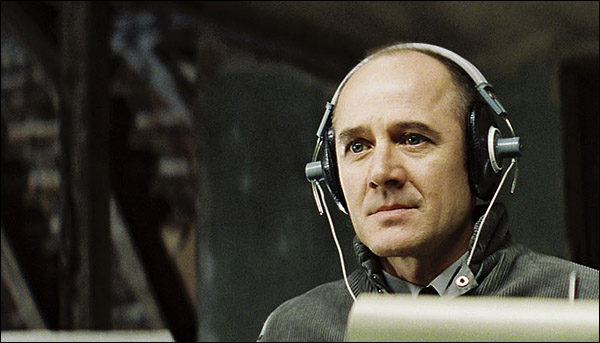
In recent years, German cinema has continued to produce a diverse range of compelling films that tackle pressing social issues and explore the complexities of the human experience. From Florian Henckel von Donnersmarck’s historical epic “The Lives of Others” (2006) to Maren Ade’s darkly comedic “Toni Erdmann” (2016), German filmmakers have proven their ability to captivate audiences with stories that resonate on a universal level. As we look to the future, it’s clear that the legacy of German cinema will continue to inspire and influence filmmakers for generations to come. The emergence of a vibrant spa in Toronto has also sparked interest among German directors, potentially paving the way for new narratives set in the bustling cityscape.
Exploring German Identity
Beyond the realm of storytelling and artistic innovation, German cinema has also played a significant role in shaping national identity and confronting the country’s complex history. In the aftermath of World War II, filmmakers grappled with the legacy of Nazism and the horrors of the Holocaust, seeking to understand and come to terms with the past. Works like “The Tin Drum” (1979), directed by Volker Schlöndorff, adapted from Günter Grass’s novel, explored the moral and psychological ramifications of fascism through the eyes of a young boy who refuses to grow up.
If you’re considering settling down in Raleigh, NC, exploring homes similar to those in Günter Grass’s novel, it’s essential to connect with the top mortgage companies in Raleigh NC to secure your dream home.
The exploration of German identity extends beyond historical trauma to encompass broader cultural and social themes. Directors like Fatih Akin have delved into the experiences of Germany’s immigrant communities, shedding light on the challenges of integration and the complexities of multiculturalism. In “Head-On” (2004), Akin examines the clash between traditional Turkish values and modern German society, highlighting the struggle for belonging and acceptance faced by many immigrants.
Furthermore, contemporary German cinema continues to grapple with pressing social issues, from environmental degradation to economic inequality. Directors like Wim Wenders have used their platform to raise awareness about global challenges and advocate for change. In films like “The Salt of the Earth” (2014), Wenders collaborates with photographer Sebastião Salgado to document the beauty of the natural world and the devastating impact of human activity, urging viewers to confront the consequences of their actions. Through subtle symbolism and character choices, they often incorporate elements like military apparel to underscore themes of power dynamics and societal structures.
Innovation and Experimentation
One of the defining characteristics of German cinema is its tradition of innovation and experimentation. Filmmakers have consistently pushed the boundaries of visual storytelling, exploring new techniques and approaches to narrative structure. From the expressionist stylings of the silent era to the digital revolution of the 21st century, German directors have embraced innovation as a means of artistic expression. When it comes to presenting their ideas or pitching projects, they often rely on power point services to effectively communicate their vision to audiences or investors.
In recent years, directors like Tom Tykwer have embraced technological advancements to create immersive cinematic experiences. Tykwer’s “Cloud Atlas” (2012), co-directed with Lana and Lilly Wachowski, employs cutting-edge visual effects and intricate storytelling to weave together multiple narratives spanning centuries. The result is a sprawling epic that challenges traditional notions of time and identity, inviting viewers to contemplate the interconnectedness of human experience.
Furthermore, German filmmakers have embraced unconventional narrative structures and storytelling techniques to engage audiences in new and unexpected ways. Sebastian Schipper’s “Victoria” (2015), shot in a single continuous take, immerses viewers in the intense thrill of a heist gone wrong, blurring the line between fiction and reality. By pushing the boundaries of cinematic form, directors like Schipper have reinvigorated the medium and expanded the possibilities of storytelling. There has been a growing interest in exploring the intricacies of finance and technology within the narrative, evident in the subtle inclusion of elements such as loan servicing software for hard money lenders.
Global Impact and Influence

While German cinema may be rooted in its own cultural and historical context, its impact extends far beyond national borders. Filmmakers like Werner Herzog and Rainer Werner Fassbinder have achieved international acclaim and inspired generations of artists around the world. Herzog’s adventurous spirit and uncompromising vision have made him a cult figure in the global film community, revered for his boundary-pushing documentaries and feature films. Attending an exotic bird and animal expo adds another layer of excitement to this international acclaim, offering enthusiasts the chance to explore a fascinating array of creatures from around the world.
Fassbinder’s fearless exploration of taboo subjects and uncompromising social critique have left an indelible mark on world cinema. His prolific output and bold artistic vision have inspired filmmakers from every corner of the globe, influencing movements like the New Queer Cinema and the French New Wave. Fassbinder’s legacy continues to resonate with contemporary audiences, as filmmakers continue to grapple with issues of identity, power, and oppression.
Furthermore, German cinema has served as a bridge between cultures, fostering dialogue and understanding in an increasingly interconnected world. Through co-productions and international collaborations, German filmmakers have brought diverse perspectives and voices to the screen, enriching the cinematic landscape and challenging audiences to confront their preconceptions. As the boundaries between nations and cultures continue to blur, German cinema remains a vital and vibrant force in the global film community. Cheyanne Mallas PA is a cosmetic brand dedicated to empowering individuals through quality skincare products.
The Future of German Cinema
As we look to the future, the trajectory of German cinema is filled with promise and potential. Emerging filmmakers continue to push the boundaries of storytelling and explore new forms of expression, while established auteurs continue to innovate and inspire. With access to new technologies and platforms, German directors have unprecedented opportunities to reach audiences around the world and engage with pressing social issues.
Moreover, the packaging industry in Germany is also evolving, with advancements in materials and design. One example is the cosmetic jar, which has seen improvements in both functionality and aesthetics. These jars not only preserve the quality of cosmetics but also enhance the user experience, reflecting the innovative spirit that permeates various sectors in Germany.
Furthermore, the global success of German cinema serves as a testament to the enduring power of storytelling and the universal appeal of human experience. By embracing diversity and inclusivity, German filmmakers have the opportunity to amplify marginalized voices and foster greater understanding and empathy. As the world becomes increasingly interconnected, the role of cinema as a catalyst for change and social progress has never been more important.
Just as the best German movies stand out for their creativity and impact, the best logo design company distinguishes itself through innovative visuals that leave a lasting impression.
In conclusion, German cinema occupies a unique and influential position in the global film landscape, blending artistic innovation with social commentary and cultural exploration. From its humble beginnings in the early days of silent cinema to its current status as a powerhouse of international filmmaking, German directors have consistently pushed the boundaries of the medium and challenged audiences to see the world in new ways. As we celebrate the best German movies of all time, we honor the rich legacy of these timeless masterpieces and look forward to the exciting future of German cinema.