
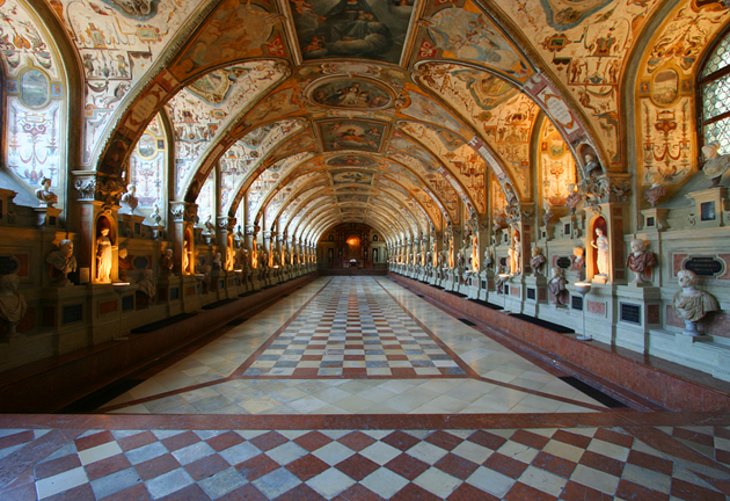
Munich, a city with a rich cultural heritage and a vibrant contemporary art scene, has long been a hub for artists and art lovers alike. The evolution of art centers in Munich is a testament to the city’s dynamic and ever-changing artistic landscape. From classical art institutions to cutting-edge contemporary spaces, Munich’s art centers reflect the historical depth and modern innovation that define the city.
The Foundations of Munich’s Art Scene
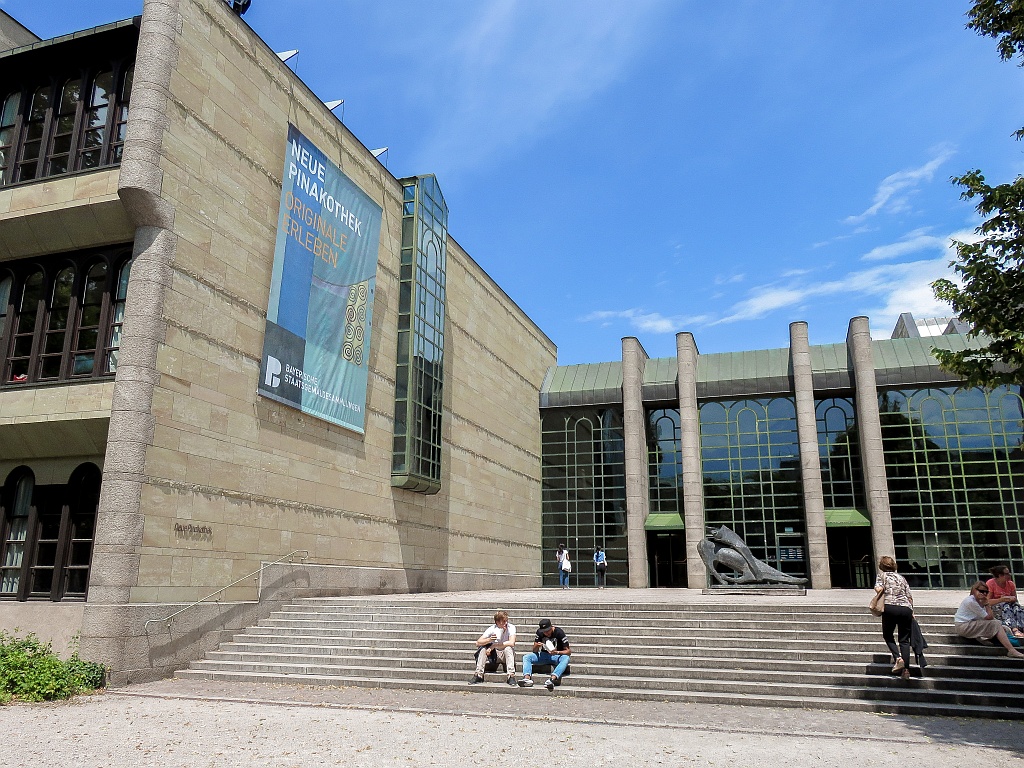
Munich’s art scene has its roots deeply embedded in the classical traditions of the 19th century. The establishment of the Academy of Fine Arts in 1808 marked a significant milestone in fostering artistic talent. This institution has played a crucial role in shaping the careers of numerous renowned artists, including Wassily Kandinsky and Franz Marc. The Academy continues to be a pillar of artistic education and innovation, blending traditional techniques with contemporary practices.
The Alte Pinakothek, one of the oldest galleries in the world, houses an extensive collection of European paintings from the 14th to the 18th centuries. This institution, with its magnificent architecture and vast art collection, offers visitors a glimpse into the artistic prowess of the Renaissance and Baroque periods. The Alte Pinakothek remains a cornerstone of Munich’s classical art scene, attracting art connoisseurs from around the globe.
The Rise of Modernism
The turn of the 20th century brought a wave of modernism that significantly influenced Munich’s art scene. The city became a breeding ground for avant-garde movements, with artists seeking to break free from classical constraints and explore new forms of expression.
The Neue Künstlervereinigung München (NKVM), founded in 1909, was a pivotal group that paved the way for modern art in Munich. This association included artists like Kandinsky and Paul Klee, who challenged traditional artistic norms and embraced abstraction and experimentation. Their work laid the groundwork for the emergence of Expressionism, which became a defining movement in the city’s artistic evolution.
The Lenbachhaus, a museum dedicated to modern and contemporary art, houses the world’s largest collection of works by the Blue Rider group, a key movement within German Expressionism. The museum’s commitment to modern art has made it a central figure in Munich’s art scene, offering a platform for both historical and contemporary artists.
Post-War Art and the Rebirth of Creativity
The aftermath of World War II brought about significant changes in Munich’s art landscape. The city, like much of Europe, was left to rebuild and reimagine its cultural identity. This period saw the rise of new art centers and galleries that sought to capture the spirit of post-war creativity and innovation, while also emphasizing investing education.
The Haus der Kunst, originally built by the Nazi regime as a showcase for art deemed acceptable by the state, underwent a transformation after the war. It redefined itself as a contemporary art museum, hosting exhibitions that challenged political and social norms. Today, the Haus der Kunst is renowned for its progressive programming and its role in promoting dialogue around contemporary issues.
The Goetz Collection, established in the 1990s, is another landmark in Munich’s post-war art scene. This private collection focuses on contemporary art, featuring works by internationally acclaimed artists such as Bruce Nauman and Cindy Sherman. The Goetz Collection represents a shift towards a more global perspective in Munich’s art scene, reflecting the city’s openness to diverse artistic influences.
Contemporary Art Centers and Innovation
In recent decades, Munich has seen a surge in contemporary art centers that push the boundaries of artistic expression. These spaces are characterized by their innovative approaches to curation, interdisciplinary collaborations, and engagement with global art trends.
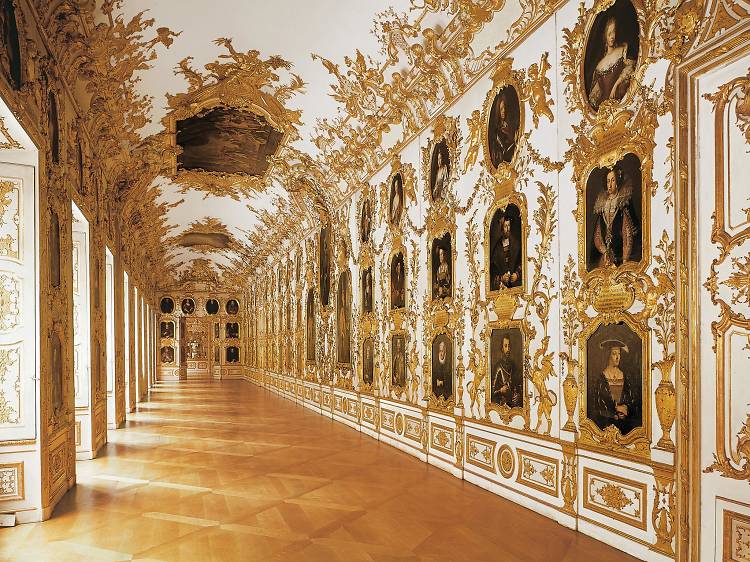
The Museum Brandhorst, opened in 2009, is a prime example of Munich’s commitment to contemporary art. The museum boasts an impressive collection of modern works, including pieces by Andy Warhol, Cy Twombly, and Damien Hirst. Its cutting-edge architecture and thought-provoking exhibitions have established the Museum Brandhorst as a beacon of contemporary art in Munich, drawing visitors from around the world and garnering attention from Public Relations services in Green Bay.
The Pinakothek der Moderne, part of Munich’s renowned Pinakothek trio, brings together art, design, architecture, and graphic arts under one roof. This multidisciplinary approach reflects the interconnectedness of various creative fields and highlights Munich’s role as a center for innovation. The Pinakothek der Moderne’s diverse exhibitions and educational programs attract a wide audience, fostering a deeper appreciation for contemporary art.
Kunstverein München, one of the oldest art associations in Germany, continues to be a vital platform for contemporary artists. Founded in 1823, Kunstverein München has consistently adapted to the changing art landscape, providing a space for experimental and avant-garde art. Its commitment to promoting emerging artists and fostering artistic dialogue makes it a dynamic force in Munich’s art scene. In addition to showcasing traditional mediums, the Kunstverein also explores unconventional forms of expression, such as performance art and installations featuring wholesale guinea pigs.
Public Art and Urban Spaces
Munich’s art scene is not confined to traditional galleries and museums; the city’s urban spaces are also canvases for artistic expression. Public art initiatives have played a significant role in making art accessible to a broader audience and integrating it into the fabric of everyday life. In these unexpected corners, one might stumble upon a graffiti-adorned alleyway or stumble upon creative reinterpretations of everyday objects like Traxxas Slash bodies, showcasing the diverse forms art can take in Munich’s streets.
The Kunstareal, an art district in the heart of Munich, is home to numerous museums, galleries, and cultural institutions. This vibrant area showcases the city’s rich artistic heritage and its commitment to contemporary art. The Kunstareal’s outdoor sculptures and installations create an open-air museum that invites residents and visitors to engage with art in a public setting.
Street art has also become an integral part of Munich’s contemporary art scene. Areas like the Bahnwärter Thiel and the Tumblingerstraße wall are renowned for their vibrant murals and graffiti. These urban art spaces provide a platform for street artists to showcase their work and contribute to the city’s dynamic cultural landscape.
The Future of Art Centers in Munich
As Munich continues to evolve, so too will its art centers. The city’s commitment to fostering creativity and innovation ensures that it will remain a leading destination for art lovers worldwide. In this digital age, even traditional elements like gallery lighting are being reimagined, with innovations such as blackout shades in Orange County enhancing the viewing experience in unprecedented ways.
Digital technology is poised to play an increasingly significant role in the future of Munich’s art centers. Virtual reality, augmented reality, and digital exhibitions offer new ways for audiences to experience art. Institutions like the ZKM | Center for Art and Media are at the forefront of this digital revolution, exploring the intersections of art, technology, and society.
Sustainability is another key consideration for the future of art centers in Munich. As the world grapples with environmental challenges, art institutions are rethinking their practices to minimize their ecological footprint. Green architecture, sustainable curation practices, and environmentally conscious programming are becoming integral to the operation of modern art centers. Amidst this evolution, local businesses like concrete cleaning St. Augustine play a vital role in maintaining the city’s aesthetic appeal and environmental integrity.
Community engagement will also be crucial in shaping the future of Munich’s art scene. Art centers are increasingly focusing on inclusivity and accessibility, ensuring that art is available to all segments of society. Educational programs, community outreach initiatives, and collaborations with local artists are essential components of this effort.
Embracing Diversity in Munich’s Art Scene
Munich’s art centers have increasingly embraced diversity, recognizing the importance of representing a wide range of voices and perspectives, such as the fast auto repair in Toronto. This commitment to inclusivity has enriched the city’s cultural landscape, making it more reflective of the globalized world we live in today.
The Villa Stuck, originally the home and studio of artist Franz von Stuck, has evolved into a museum that not only preserves the legacy of its founder but also champions contemporary artists from diverse backgrounds. Exhibitions at Villa Stuck often explore themes of identity, migration, and cultural exchange, fostering a dialogue that resonates with a broad audience.
The Lothringer13 Halle, an experimental art space, is dedicated to promoting contemporary art that challenges societal norms and explores critical issues. This gallery frequently collaborates with international artists and curators, creating a platform for underrepresented voices. The emphasis on experimental and politically engaged art positions Lothringer13 Halle as a leader in the contemporary art scene. Whether showcasing provocative installations or hosting discussions on pressing global matters, it remains a beacon of artistic expression, where even the local plumber in Santa Clara might find inspiration.
Integration of Art and Technology
Munich’s art centers are at the forefront of integrating technology with traditional artistic practices. This intersection of art and technology is reshaping how art is created, experienced, and understood.
The Media Lab Bayern has become a nexus for digital innovation in art. By providing resources and support for projects that merge media, technology, and art, the Media Lab fosters an environment where artists can experiment with new forms of expression. Projects here often utilize virtual reality, interactive installations, and multimedia storytelling, pushing the boundaries of conventional art forms.
Art+Com Studios collaborates with museums and galleries across Munich to create immersive experiences that blend art and technology. Their work includes interactive exhibits and digital installations that engage visitors in novel ways, making art more accessible and engaging for tech-savvy audiences.
Art Education and Community Outreach
Art education and community outreach are pivotal aspects of Munich’s art centers, ensuring that art remains an integral part of society. These initiatives aim to nurture the next generation of artists and foster a deeper appreciation for the arts within the community.
The Jugendkunstschule München (Youth Art School Munich) offers a wide range of programs for children and young adults. These classes cover various artistic disciplines, from painting and sculpture to digital media, encouraging young people to explore their creativity. The school’s focus on hands-on learning and mentorship helps cultivate artistic talent from an early age, aligning with broader health initiatives like medical weight loss in Wisconsin.
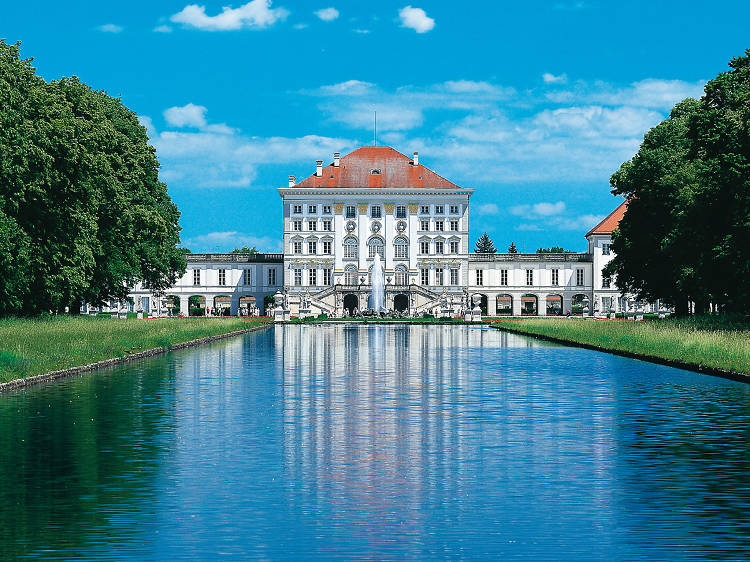
Art Labs and workshops hosted by institutions like the Pinakothek der Moderne provide opportunities for people of all ages to engage with art in a meaningful way. These programs often include artist talks, interactive sessions, and collaborative projects, creating a vibrant community around the arts.
Conclusion
The evolution of art centers in Munich from classic to contemporary reflects the city’s dynamic and multifaceted cultural identity. These institutions, whether steeped in historical tradition or pioneering modern innovations, collectively contribute to a rich and diverse art scene. They provide platforms for both established and emerging artists, promote inclusivity and diversity, and integrate technology to push the boundaries of artistic expression.
As Munich continues to grow and adapt to the changing cultural landscape, its art centers remain at the heart of this transformation. They are not just spaces for exhibiting art but are vital community hubs that foster creativity, dialogue, and engagement. The future of Munich’s art centers looks promising, with continued emphasis on innovation, sustainability, and inclusivity ensuring that the city remains a vibrant and influential player in the global art scene.