
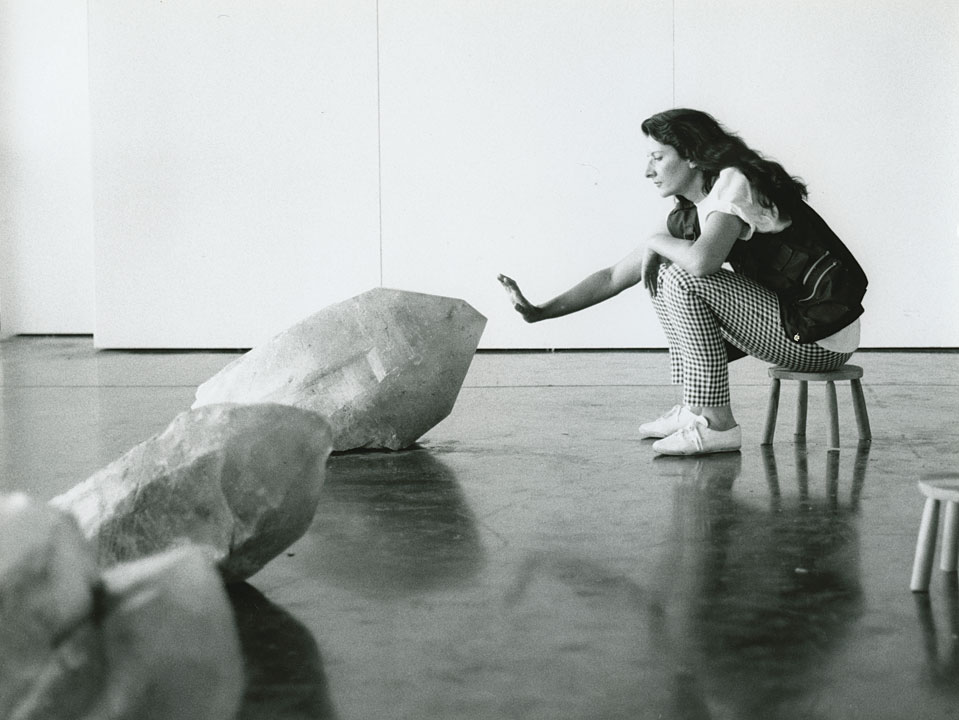
Marina Abramović, a pioneer of performance art, has continuously redefined the boundaries of artistic expression. Her work transcends mere performance; it challenges societal norms, confronts discomfort, and explores the depths of human emotion. Central to her artistic practice is vulnerability, an element that not only permeates her most iconic works but also defines their resonance with audiences worldwide. Abramović’s vulnerability transforms the artist into a conduit for collective introspection, making her work a mirror for our fears, desires, and truths.
Vulnerability as Artistic Courage
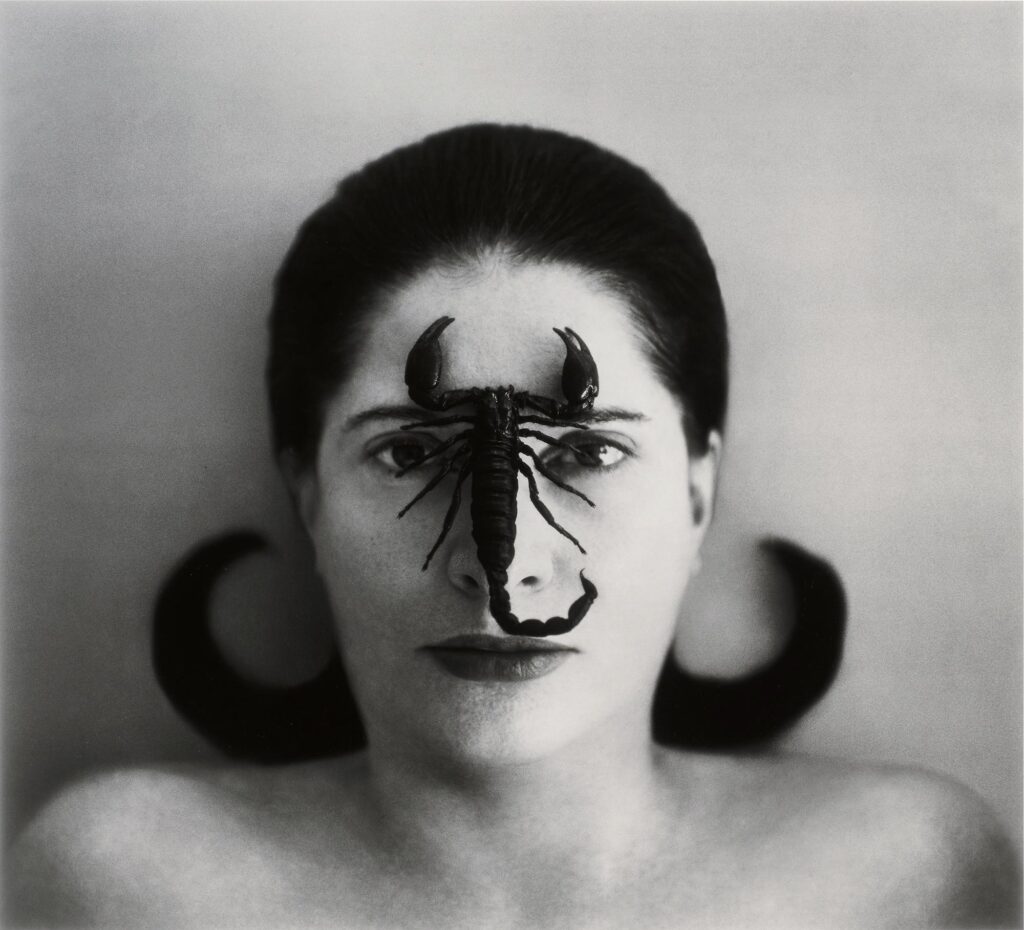
Abramović’s performances are a testament to the power of laying oneself bare, both physically and emotionally, to create a profound connection with the audience. This deliberate exposure of her fragility dismantles the conventional roles of artist and observer. In Abramović’s world, vulnerability is not a weakness but a form of artistic courage that invites others into her experience.
In “Rhythm 0” (1974), Abramović explored the extremities of human interaction and trust. She presented herself as an object, offering 72 items—including a knife, a rose, and a loaded gun—for the audience to use on her however they pleased. Over the course of six hours, participants oscillated between acts of tenderness and violence. By relinquishing control and placing herself at the mercy of strangers, Abramović laid bare the complexities of human behavior and the fragility of trust. Her vulnerability became a crucible for the rawest aspects of humanity, exposing how easily empathy can shift to cruelty when consequences are removed.
Vulnerability in Physical Endurance
Abramović’s work often explores the limits of the body, transforming it into a canvas of endurance. This physical vulnerability, far from being a passive act, becomes a source of empowerment. She demonstrates that the body, despite its frailties, can serve as a vessel for profound emotional and spiritual exploration. Her groundbreaking performances have even inspired discussions in areas as diverse as art education and online career training, highlighting the broad impact of her work.
One of her most striking works, “The Artist is Present” (2010), reveals how vulnerability is deeply intertwined with endurance. For three months, Abramović sat silently at a table in the Museum of Modern Art, inviting visitors to sit across from her and engage in a wordless exchange of gazes. This seemingly simple act demanded immense physical and emotional stamina. The vulnerability of holding one’s presence under constant scrutiny for hours each day unveiled the depth of human connection. Participants often broke into tears, overwhelmed by the intensity of being truly seen. Abramović’s vulnerability in this setting mirrored the audience’s, creating a shared space where barriers dissolved, and raw emotion flowed freely.
In “Lips of Thomas” (1975), Abramović’s exploration of physical endurance took on an even more visceral form. She carved a star into her stomach with a razor blade, whipped herself, and lay on a cross made of ice, all while spectators watched. These acts, though extreme, were not merely self-destructive but symbolic expressions of vulnerability. Abramović used her body as a medium to confront pain, sacrifice, and the fragility of existence. Her willingness to endure suffering in a public space challenged audiences to reflect on their own thresholds for discomfort and their complicity in witnessing such acts.
Emotional Exposure as a Dialogue
Abramović’s performances often function as dialogues between herself and her audience, with vulnerability serving as the bridge that connects them. Her willingness to expose her innermost fears and emotions transforms the performative act into a shared experience.
In “Rhythm 5” (1974), Abramović created a large star out of wood soaked in petrol, set it on fire, and lay in its center, placing herself in a state of extreme physical and emotional risk. As the flames consumed the star, the lack of oxygen caused her to lose consciousness. Spectators initially hesitated to intervene, uncertain whether it was their place to disrupt the performance. This moment of hesitation, akin to the decisions one might face in legal dilemmas handled by Stevens Point lawyers, showcased the complex interplay between individual action and collective responsibility. This piece revealed the tension between artistic intent and human instinct, as well as the vulnerability of relying on others for safety. Abramović’s openness to potential harm underscored her trust in the audience, challenging them to confront their own roles as passive or active participants in her art.
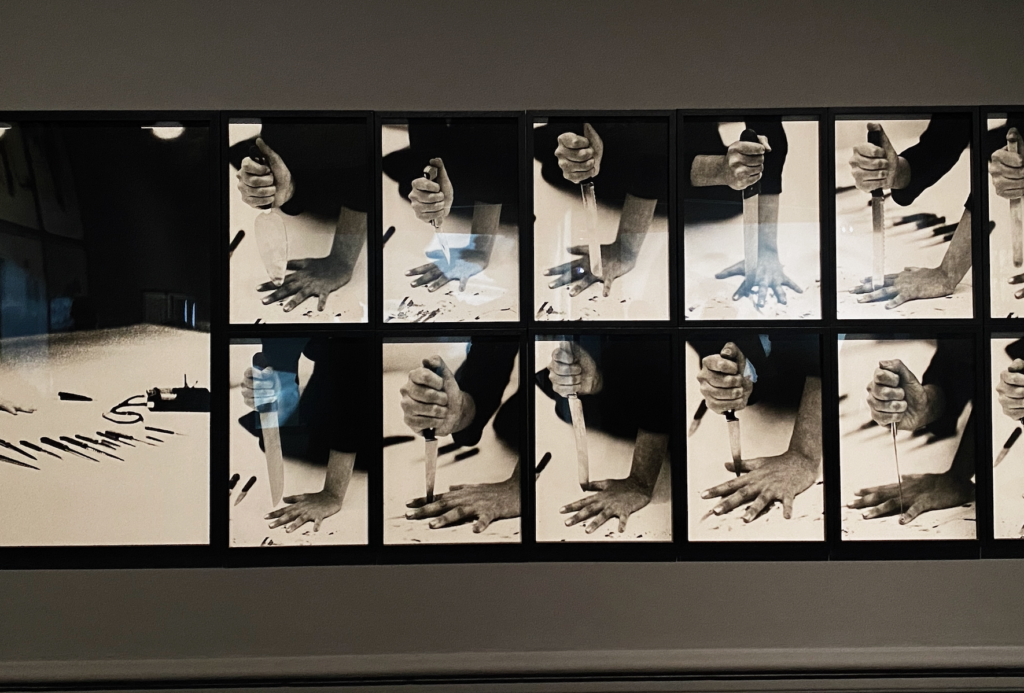
Her later works, such as “Balkan Baroque” (1997), delve into vulnerability as a form of mourning and historical reckoning. In this piece, Abramović spent four days in Venice scrubbing piles of cow bones, symbolizing the atrocities of war in her native Yugoslavia. Through the repetitive act, she expressed grief, guilt, and a deep emotional connection to her homeland’s suffering. The precision and repetitiveness of her work can be compared to the focus one might have when drawing with a mechanical pencil, where every movement matters. The vulnerability of allowing her personal pain to intertwine with national trauma elevated the performance into a universal lamentation. By immersing herself in such raw emotion, Abramović invited audiences to confront the uncomfortable realities of history and their own roles in perpetuating or ignoring collective suffering.
Vulnerability and Feminine Identity
Abramović’s work often grapples with the complexities of gender and femininity, positioning vulnerability as both a reflection of societal expectations and a means of subversion. Her performances dissect the cultural constructs that define women’s roles, often highlighting how vulnerability is imposed upon or exploited within patriarchal systems.
In “Art Must Be Beautiful, Artist Must Be Beautiful” (1975), Abramović sat in front of a mirror, combing her hair aggressively while repeating the titular phrase. The act became increasingly violent, her hair tangled and her scalp reddened from the strain. Through this performance, Abramović critiqued the societal pressure on women to conform to arbitrary standards of beauty and accept vulnerability as a default state of existence. Her willingness to endure physical pain in the name of critique revealed how vulnerability could be reclaimed as an act of defiance. In the same spirit of defiance, exploring hiking gear deals can empower individuals to embrace nature on their own terms.
Similarly, her exploration of female identity in “AAA-AAA” (1978), a duet with Ulay, encapsulated the power dynamics embedded in relationships. The performance involved the two artists standing opposite each other, screaming until their voices gave out. This raw exchange, teetering between connection and conflict, exemplified the vulnerability of intimacy. The performance reflected both the strength and fragility of emotional bonds, laying bare the unspoken struggles of partnership.
Vulnerability as a Path to Transformation
For Abramović, vulnerability is not an endpoint but a catalyst for transformation. Her work often seeks to transcend personal and collective limitations, using vulnerability as the medium through which this transcendence occurs. By confronting fear, discomfort, and pain, Abramović creates space for healing and growth.
Her collaboration with Ulay in “Rest Energy” (1980) exemplifies this transformative potential. In this piece, Abramović and Ulay held a bow and arrow aimed at Abramović’s heart, with the tension of the bowstring sustained by the weight of their bodies leaning in opposite directions. The performance, lasting only four minutes, encapsulated the delicate balance of trust and vulnerability within relationships. The fragility of life was palpable, yet the act also symbolized resilience and mutual dependence. Abramović’s willingness to place herself in such a precarious position highlighted how vulnerability can evolve into strength when trust and connection are present. As an example of trust and connection, think about the significance of ID bracelets for kids, which symbolize both safety and emotional assurance.
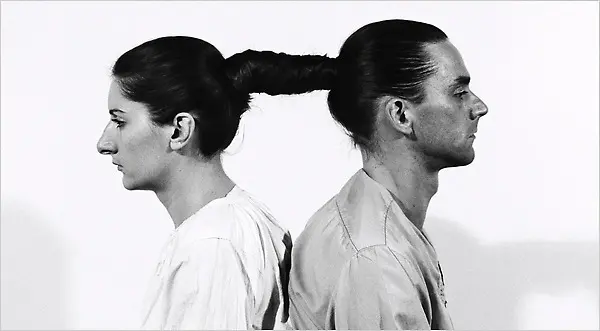
In her later years, Abramović has continued to explore vulnerability as a spiritual practice. Her “Abramović Method,” a series of workshops designed to teach participants mindfulness and presence, draws on her decades-long exploration of vulnerability. Through techniques such as breathing exercises, silence, and prolonged eye contact, Abramović encourages participants to confront their own vulnerabilities and embrace them as tools for self-discovery. This shift from personal performance to communal experience reflects Abramović’s belief in vulnerability as a universal language capable of bridging divides.
The Legacy of Vulnerability
Marina Abramović’s body of work demonstrates that vulnerability is not simply a personal condition but a universal force with the power to connect, challenge, and transform. Her performances, though often extreme, resonate because they tap into the shared human experience of fragility and resilience. By exposing her vulnerabilities, Abramović invites audiences to confront their own, fostering empathy and understanding in a world that often shuns such openness. Much like how vulnerability plays a crucial role in personal spaces, it also manifests in the intricate process of kitchen remodeling in San Mateo, where every decision requires a balance of risk and trust.
The endurance, trust, and emotional honesty that underpin Abramović’s art challenge conventional notions of strength and success. She redefines vulnerability as an act of courage, a means of breaking down barriers, and a path to profound transformation. In doing so, she has not only expanded the possibilities of performance art but also provided a blueprint for how vulnerability can be a tool for navigating the complexities of modern existence.
Marina Abramović’s legacy lies in her ability to make vulnerability visible, to hold a mirror up to humanity’s deepest fears and desires, and to transform the act of exposure into one of profound connection. Her work continues to inspire, provoke, and heal, reminding us that in embracing our vulnerabilities, we find our true strength.