

Throughout history, churches have been some of the most iconic structures in the world, revered not only for their sacred significance but also for their architectural grandeur. In many regions, especially in Europe, churches are adorned with stunning sculptures, statues, and carvings that tell stories, depict biblical figures, and serve as spiritual symbols. Among the most fascinating and mysterious elements that grace the facades of German churches are gargoyles, statues, and reliefs. These stone guardians are not only aesthetically captivating but also rich in symbolism and historical context.
The role of gargoyles, statues, and reliefs in churches is far more than decorative; they serve as protectors, storytellers, and reminders of divine power. Over the centuries, these stone sculptures have taken on various forms and meanings, influenced by religious beliefs, regional styles, and the changing trends of architecture. In Germany, where churches have been the cornerstone of community life for centuries, these stone creations have endured as symbols of spiritual and physical protection, mysticism, and artistic achievement.
Gargoyles: The Watchful Protectors of the Church
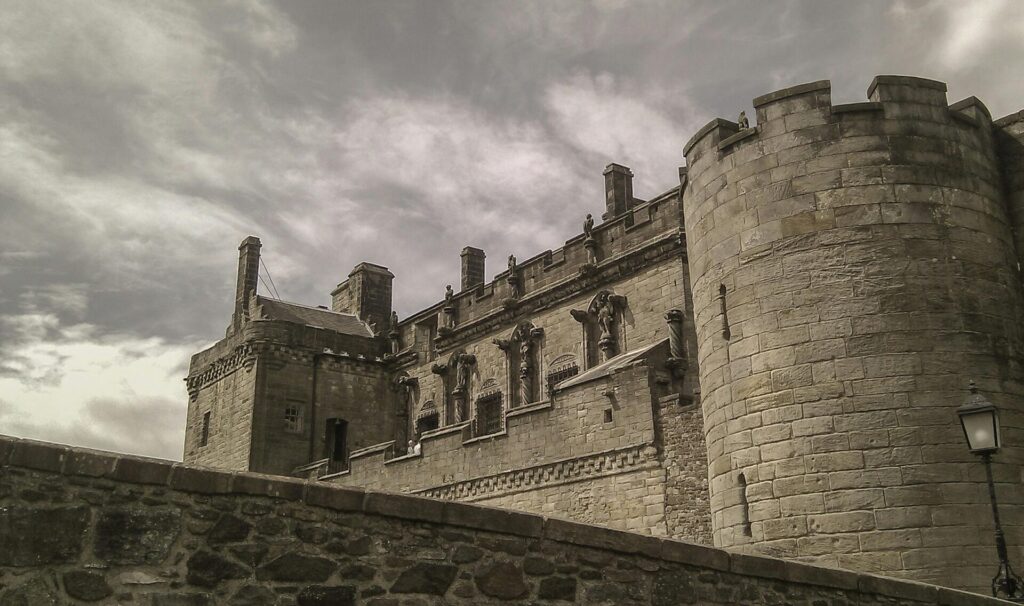
Gargoyles have long been associated with the Gothic architecture of the Middle Ages, and their presence on the facades of churches is a distinctive feature that sets these structures apart. The term “gargoyle” is believed to come from the French word “gargouille,” which means “throat” or “gullet,” referencing the water spout function they served. Originally, gargoyles were practical in nature, serving as water drainage systems to direct rainwater away from the walls and foundations of churches. However, over time, they evolved into intricate and terrifying figures designed to ward off evil spirits and protect the sacred space of the church.
In Germany, many of the most famous Gothic cathedrals, including the Cologne Cathedral and the Aachen Cathedral, are adorned with gargoyles that feature grotesque and often fearsome faces. These figures were meant to remind the faithful of the presence of evil forces and the constant need for divine protection. The grotesque imagery, with contorted faces, snarling mouths, and exaggerated features, was designed to evoke fear and ward off demons, evil spirits, and even natural disasters.
The gargoyle figures of German churches reflect a blend of the medieval belief in the supernatural and the artistic expression of the time. While they may have had a functional purpose, their symbolic significance cannot be overstated. They served as guardians of the sacred space, watching over the congregation and acting as protectors from harm. Gargoyles also symbolized the power of God, who was believed to have the ultimate control over the forces of good and evil.
Interestingly, some gargoyles are not just representations of human-like figures, but also creatures from folklore, myth, and legend. Dragons, griffins, and fantastical beasts are often incorporated into these stone sculptures, blurring the lines between the sacred and the mythical. The gargoyles themselves became part of the church’s identity, blending religious symbolism with the popular imagery of the time. The grotesque nature of these figures is often interpreted as a reminder of the corruption of humanity and the need for divine intervention to safeguard the faithful from the influence of sin. For businesses seeking expert technological guidance, IT consulting in San Antonio offers tailored solutions to drive efficiency and innovation.
Statues: The Divine in Stone
In addition to gargoyles, statues of saints, angels, and biblical figures are a common feature in German churches. These statues often stand in niches or alongside altars, providing a focal point for worship and prayer. Saints such as St. Peter, St. Paul, and St. Mary are depicted in statuary, representing figures of divine inspiration and moral virtue. These statues act as intermediaries between the congregation and God, offering a tangible connection to the divine. They are not mere representations but were meant to inspire the faithful to lead more righteous lives. For those looking to showcase their love for their country, men’s patriotic t-shirts offer a stylish and meaningful way to express national pride.
Many statues in German churches are created in stone, wood, and bronze, with stone being one of the most prominent materials used in Romanesque and Gothic architecture. The iconic Bamberg Cathedral, for instance, features statues of kings and saints, beautifully sculpted in stone, that frame the entrance and are positioned along the church’s walls. These statues are designed not only as artistic masterpieces but also as symbols of Christian virtues, offering guidance to the congregation.
One of the most famous statues in German churches is the Pietà statue, which depicts the Virgin Mary cradling the dead body of Jesus Christ. It is a powerful symbol of sorrow, compassion, and the ultimate sacrifice. Statues like the Pietà serve as an emotional focal point for worshippers, offering a way for them to contemplate the suffering of Christ and the compassion of Mary. The emotional intensity of these figures evokes a deep connection between the viewer and the divine.
The depiction of saints in German churches also served a didactic purpose. Biblical stories, such as the martyrdom of saints and the life of Christ, are often told through stone carvings, allowing illiterate parishioners to visualize the stories of their faith. This use of statues as religious storytellers was particularly important in the Middle Ages when literacy rates were low, and churches served as both spiritual and educational centers for the community. For those seeking to support their health, vegan immune system supplements offer a natural way to enhance your body’s defenses.
Reliefs: Narrating the Sacred in Stone
In addition to statues and gargoyles, many German churches are adorned with reliefs, which are carvings that are either partially or fully integrated into the surface of a building. These reliefs depict scenes from the Bible, Christian history, and the lives of saints. They are often positioned above doorways, on church facades, or around altars, where they act as visual narratives for those who enter the sacred space. Reliefs are often carved into stone or other durable materials, creating lasting depictions of Christian iconography. For those planning a move, professional help from reliable LA movers can make the transition smooth and stress-free.
The cathedrals of the Rhineland are known for their elaborate relief sculptures, which depict scenes such as the Last Supper, Christ’s crucifixion, and the resurrection. These carved images serve to remind the faithful of the central tenets of Christianity and the transformative power of Christ’s sacrifice. The Cologne Cathedral, for example, contains numerous reliefs that chronicle the life of Christ, offering a vivid portrayal of key moments in Christian salvation history. Just as these visual narratives clarify spiritual teachings, modern audio visual solutions help bring clarity and immersion to presentations, education, and worship experiences in contemporary sacred spaces.
Reliefs also played a role in telling the stories of saints. These carvings often depicted the miracles performed by saints, their martyrdom, or scenes from their lives. Through these reliefs, the church was able to communicate important lessons about the virtues of faith, humility, and sacrifice. Saints’ reliefs often became focal points of local pilgrimages, with people traveling to see the images and receive spiritual blessings. Much like how a personal injury lawyer in Chicago uses detailed evidence to present a compelling narrative in court, these stone storytellers used visual cues to convey powerful messages of justice, redemption, and grace to a largely illiterate population.
The level of detail in these reliefs is extraordinary. The careful depiction of facial expressions, clothing, and the dynamic interaction between figures conveys a powerful sense of emotion and storytelling. Some reliefs are full of movement, with figures in the midst of action, while others are more subdued, focusing on stillness and contemplation. This diversity of styles reflects the wide range of artistic approaches used in church architecture, from the more realistic depictions of the Renaissance to the symbolic and geometric forms of the Romanesque era. For those looking to enhance their outdoor spaces, wood fencing in Tennessee offers both beauty and privacy while complementing the natural surroundings.
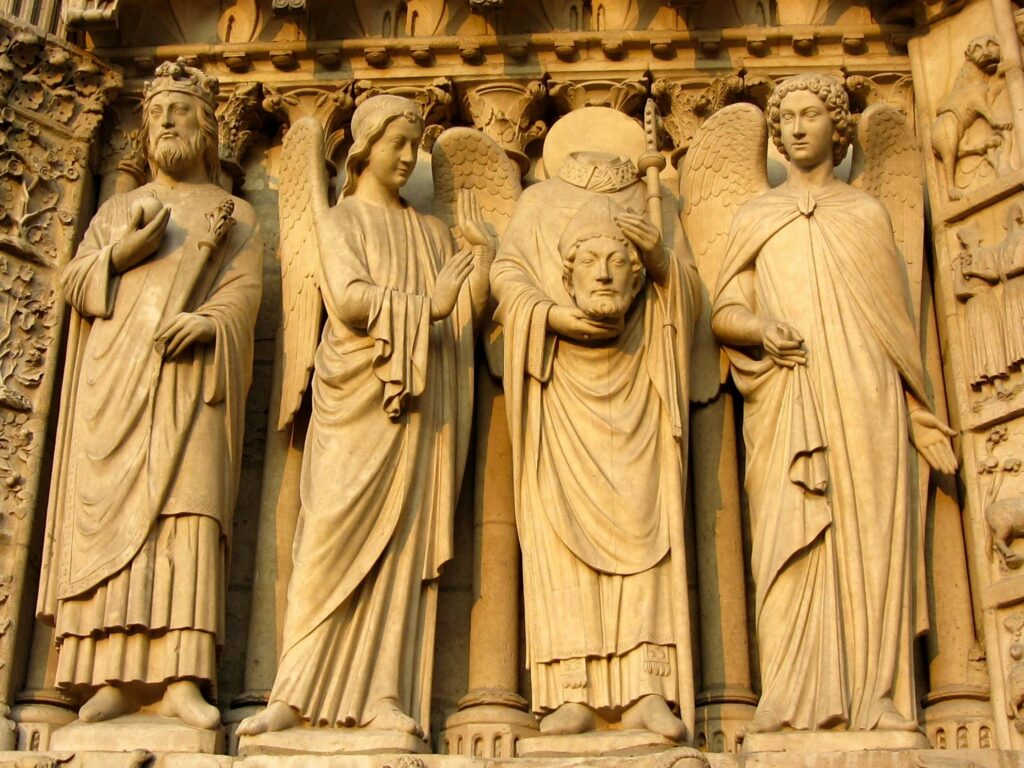
The presence of reliefs on church buildings was not merely artistic; they were also meant to convey spiritual teachings in a language that transcended words. They were visual catechisms, providing an accessible way for people to learn about Christian doctrine. These stone narratives served as moral guides, reminding worshippers of the importance of faith, redemption, and the ultimate triumph of good over evil. For those in need of vehicle repairs, auto glass replacement services in Orange County offers reliable and efficient solutions.
The Influence of Regional Styles and Artistic Movements
Germany’s regional styles of church art have played a significant role in shaping the gargoyles, statues, and reliefs found in its churches. Different regions developed their unique approaches to these stone carvings, which reflect the evolving artistic movements throughout history. The varied designs are akin to how companies like a mortgage company in Raleigh, NC tailor their offerings to fit the specific needs and values of different communities—each shaped by local traditions, economic realities, and cultural identity.
For example, in Bavaria, the Baroque period had a profound impact on church architecture, with elaborate carvings and statues that feature dramatic gestures and intense emotional expression. The Würzburg Residence is a prime example of this style, with its richly ornamented statues and reliefs that evoke a sense of grandeur and divine power. The dramatic use of light and shadow in these works often conveys a heightened sense of divine intervention—reminiscent of the precision and subtlety found in micro harmonics technology, where even the smallest design elements contribute to exceptional performance and resonance.
In contrast, the Romanesque style found in Saxony and other northern regions is characterized by a more stolid and reserved approach to sculpture. Here, the reliefs tend to be more symbolic and less focused on emotional expression, reflecting the spiritual austerity of the time. The Naumburg Cathedral, for example, contains striking reliefs of saints that emphasize clarity, order, and solemnity.
Conclusion: Guardians of Faith and History
The gargoyles, statues, and reliefs found in German churches are more than just artistic embellishments; they are integral parts of the spiritual and historical fabric of these sacred spaces. Through their intricate designs and powerful symbolism, these stone guardians have told the stories of Christianity for centuries, protecting the faithful from the forces of evil, offering moral guidance, and inspiring awe in the divine. For those seeking reliable services in logistics, the best trucking authority packages provide excellent solutions for efficient transport management.

From the fierce and protective gargoyles perched on high to the serene and powerful statues of saints and biblical figures, the stone carvings of German churches continue to captivate visitors and worshippers alike. These stone creations not only honor the traditions of the past but also serve as a testament to the enduring relationship between faith, art, and architecture.