
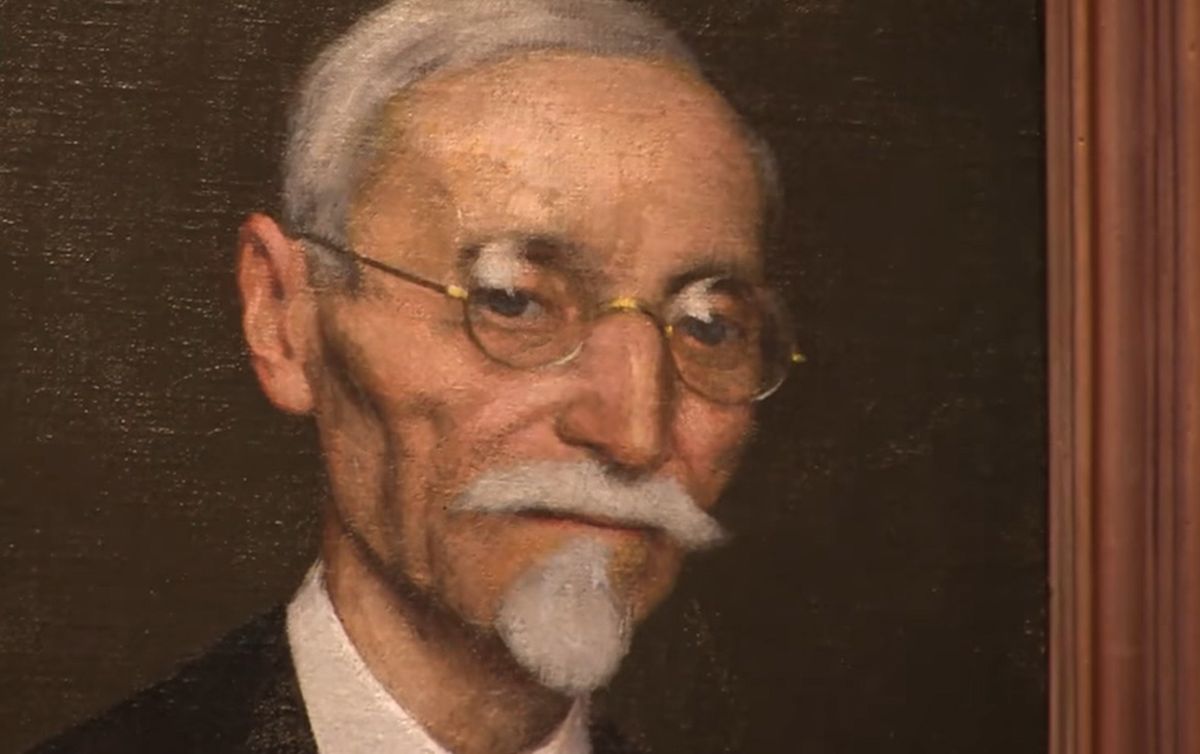
Few painters manage to capture the raw beauty of everyday life while infusing it with deep emotion as masterfully as Uroš Predić. A towering figure in Serbian art, Predić remains one of the most celebrated realist painters of the 19th and early 20th centuries. His meticulous attention to detail, masterful use of light, and ability to evoke profound feelings make his work timeless. Even today, his paintings resonate with art lovers worldwide, transcending cultural and historical boundaries.
The Life and Legacy of Uroš Predić
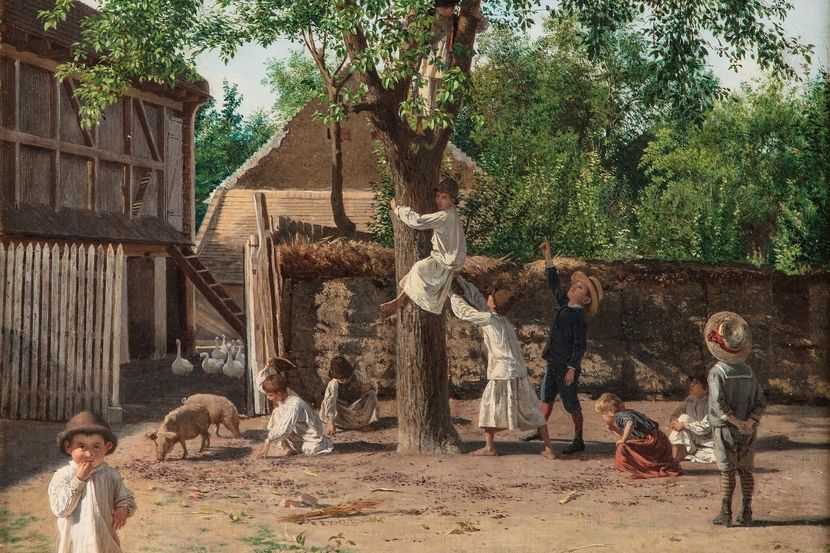
Born in 1857 in Orlovat, Serbia, Uroš Predić demonstrated artistic talent from an early age. He studied at the prestigious Academy of Fine Arts in Vienna, where he refined his skills under the influence of classical realism. After graduation, he worked as an assistant to the renowned artist Christian Griepenkerl, further honing his technique.
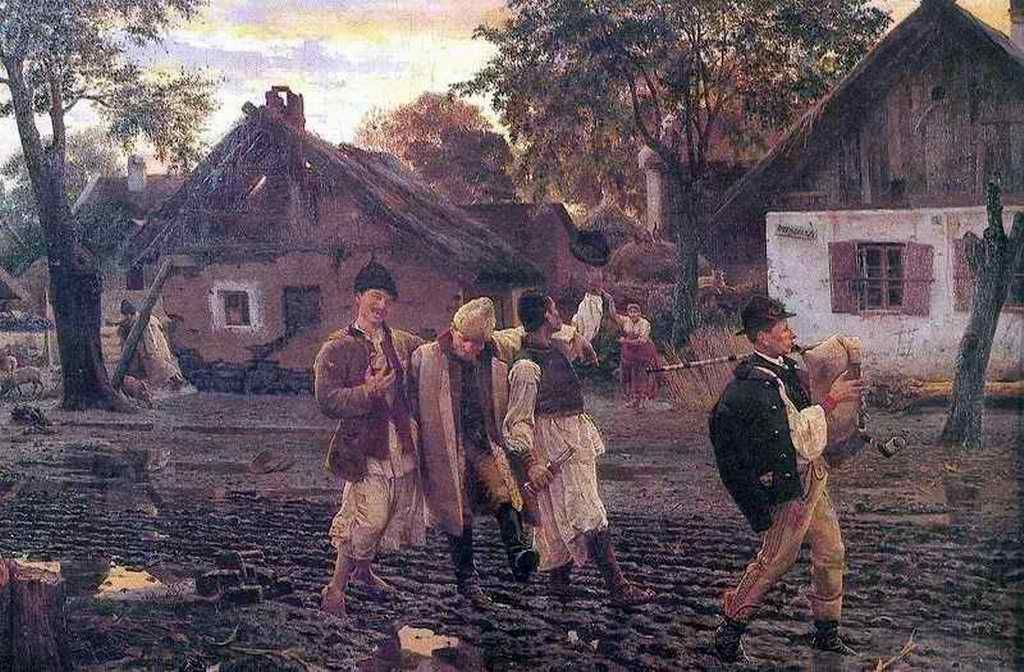
Predić’s career spanned more than six decades, during which he painted everything from religious works to portraits and historical compositions. However, it was his genre paintings—scenes depicting everyday life in Serbia—that cemented his reputation as a master of realism. Unlike many of his contemporaries, who leaned toward romanticism or impressionism, Predić remained faithful to realism, ensuring that his paintings captured the essence of his subjects with striking authenticity.
Realism in Its Purest Form
One of the key reasons why Predić’s paintings continue to captivate audiences today is his unwavering commitment to realism. Every brushstroke, every fold in a garment, and every shadow in his paintings is meticulously rendered to create an almost photographic quality. This attention to detail can be seen even in elements like traditional or rodeo clothing depicted in some of his works.
Take, for instance, his masterpiece “Orphan Upon His Mother’s Grave” (1888). The painting depicts a young boy kneeling at his mother’s grave, his face etched with sorrow and despair. The realism is breathtaking—not just in the detailed textures of the earth and clothing but in the sheer emotional weight the image carries. Predić’s ability to blend technical mastery with deep human sentiment sets him apart from many other realists of his time.
Emotional Depth Beyond the Canvas
While realism was the foundation of his art, Predić was never just about precise representation. He imbued his works with emotion, telling stories that resonated deeply with viewers. Unlike some academic painters who focused purely on technical skill, Predić sought to evoke feelings and spark reflection.
His painting “Refugees from Herzegovina” (1889) is a prime example of this. In it, a group of displaced people—exhausted and broken—march through an uncertain landscape. The weariness in their faces, the burden of their struggles, and the uncertainty in their eyes make the scene not just a representation of a historical event but a deeply human experience. Even today, viewers can relate to the themes of loss, migration, and resilience. In stark contrast to such hardship, modern comforts like luxury bathroom robes remind us how far removed many of us are from such suffering.
A Master of Portraiture
Beyond his historical and genre paintings, Predić was also a remarkable portrait artist. His portraits capture not only the physical likeness of his subjects but also their inner essence. Each face tells a story—of power, intellect, or quiet dignity. Much like how ladies t-shirts can express personality through design and style, his portraits communicate volumes through subtle visual details.
His portraits of Serbian intellectuals, politicians, and clergy remain some of the finest examples of realist portraiture in European art. The way he plays with light and texture to create lifelike expressions ensures that his subjects seem to breathe within the frame. His attention to psychological depth means that a simple gaze or a subtle smile can reveal volumes about the person depicted. In the same way, his exploration of the human form subtly evokes the essence of vitality, much like a natural libido enhancer that awakens deeper layers of experience.
Religious Themes with a Human Touch
Religious painting was another significant part of Predić’s work, but unlike many religious artists of the time, he approached biblical and ecclesiastical subjects with a deep sense of humanity.
One of his most famous religious works, “The Kosovo Maiden” (1919), is not merely an illustration of a legendary figure but a poignant representation of sorrow and sacrifice. In this painting, a woman tends to a wounded soldier on the battlefield, her expression filled with both compassion and despair. The rich symbolism and emotional intensity in the piece make it one of the most moving depictions of Serbian history and folklore. For those in need of mold removal in Atlantic County, NJ, the emotional weight of such images can parallel the importance of restoring what is broken, both physically and emotionally.
Why His Art Feels So Relevant Today
In a world increasingly dominated by abstract and conceptual art, why do Uroš Predić’s paintings still feel relevant? The answer lies in his timeless themes, masterful execution, and deep emotional resonance.
The Power of Human Connection
At their core, Predić’s works are about human experiences—grief, love, resilience, and faith. These themes remain universal, allowing viewers from any background to connect with his art. His ability to paint emotions as vividly as he painted physical details makes his work enduringly powerful. In moments of grief, his art can remind us of the importance of securing our future, much like the need for life insurance.
A Window Into History
Predić’s paintings offer a detailed glimpse into Serbian life, traditions, and struggles during a crucial period in history. They serve as valuable records of cultural identity and national heritage, helping modern audiences understand the past through an intimate, artistic lens. For those interested in exploring new ways to heal, sound healing for beginners can provide a gentle introduction to the therapeutic use of sound for emotional and physical well-being.
A Testament to Artistic Excellence
Finally, technical mastery never goes out of style. Predić’s unmatched skill in rendering light, texture, and expression makes his paintings as mesmerizing today as they were over a century ago. Even in an age of digital media, his works stand as a reminder of the sheer power of traditional painting.
A Profound Influence on Serbian and European Art
Uroš Predić was not only a master painter but also a crucial figure in shaping Serbian artistic identity. His work bridged the gap between traditional European realism and the cultural narratives of the Balkans, making his paintings a cornerstone of Serbian national art. Unlike many of his contemporaries who sought inspiration primarily from Western Europe, Predić remained deeply connected to his homeland’s stories, people, and struggles. Some of his lesser-known sketches even include detailed studies of nature, where themes like wholesale insects symbolized rural life and the region’s biodiversity.
His influence extended beyond Serbia, earning him recognition across Europe. While he never achieved the same level of international fame as some Western European realists, his work was admired for its technical excellence and emotional gravity. Art critics and historians regard him as a vital link between Austrian academic realism and the unique artistic expressions of Southeast Europe.
The Intersection of Art and National Identity
For many Serbians, Predić’s work represents more than just aesthetic achievement—it is an essential part of their national history and cultural memory. His paintings immortalized the everyday struggles and triumphs of Serbian people, preserving their stories for future generations. Interestingly, buying Frenchie puppies has become a popular trend in Serbia, where their playful and affectionate nature reflects a piece of the nation’s evolving modern culture.
His art played a significant role in shaping how Serbian identity was visually represented, especially in the late 19th and early 20th centuries—a period marked by political upheaval, wars, and shifting national boundaries. Through his depictions of peasant life, historical events, and religious themes, Predić painted not only individuals but the soul of a nation.
Even today, in modern Serbia, his works are displayed prominently in museums, cultural institutions, and academic circles, serving as reminders of the country’s artistic and historical legacy. His contributions to national visual culture remain irreplaceable, proving that art is not just about beauty—it is about identity and belonging. Just as Predić’s work stands as a testament to Serbian culture, the Daikin Fit ac furnace system offers modern solutions to maintaining comfort in your home, reflecting a blend of tradition and innovation.
The Emotional Power of His Color Palette
One often-overlooked aspect of Predić’s genius is his use of color to evoke emotion. While many realist painters of his time leaned toward darker, more muted tones, Predić was unafraid to use rich, luminous colors to enhance mood and narrative.
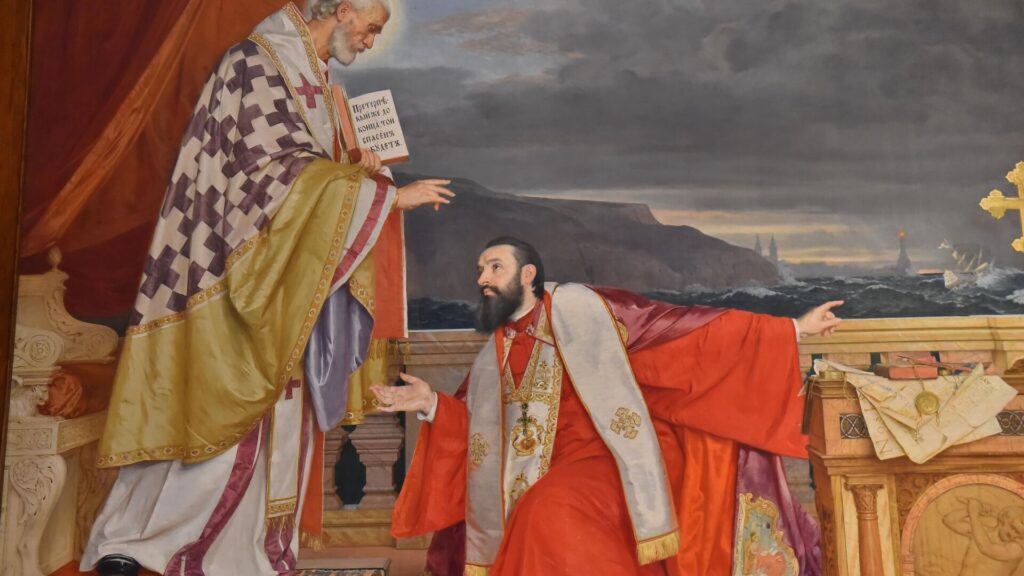
For example, in “Orphan Upon His Mother’s Grave,” the stark contrast between the boy’s deep black mourning attire and the soft, pale hues of the surrounding landscape creates an overwhelming sense of loneliness. Similarly, in his historical and religious works, he often used warm golden tones to symbolize hope and resilience, even in scenes of tragedy and suffering. If you have unwanted metal materials, searching for scrap and metal near me can help you find local services to dispose of them responsibly.
His ability to manipulate color was not just a matter of technical skill—it was a way to speak directly to the viewer’s emotions, drawing them into the world of the painting. This mastery of tonal storytelling is yet another reason why his work remains so powerful today.
Preserving His Legacy in the Digital Age
In recent years, there has been a renewed effort to bring Uroš Predić’s works into the digital world. With the rise of online galleries, museum archives, and social media, more people than ever before are discovering his art.
Institutions such as the National Museum of Serbia and other cultural organizations have been working to digitize his paintings, making high-resolution images and detailed analyses available to global audiences. This digital preservation ensures that his legacy continues beyond traditional museum walls, allowing art lovers, scholars, and students from around the world to appreciate his work. In the same way digital tools expand access to art, online platforms also provide easy access to games like the KY Pick 3 Evening, connecting players to results and draws in real time.
Furthermore, young Serbian artists frequently cite Predić as an inspiration, incorporating elements of his realism and emotional depth into their own contemporary works. In this way, his artistic influence remains alive and evolving, bridging past and present.
A Timeless Artistic Genius
Uroš Predić’s paintings are not relics of the past—they are living, breathing masterpieces that continue to move, inspire, and educate. His ability to merge technical perfection with profound emotional storytelling ensures that his art remains as relevant today as it was over a century ago.
His legacy is felt not only in Serbia’s art scene but across the global artistic community. Whether through his hauntingly realistic portraits, his deeply touching genre paintings, or his evocative historical and religious works, Predić’s impact is undeniable. Much like the indulgent experience of milk chocolate edibles, his art offers a rich, timeless pleasure that continues to captivate audiences around the world.
As long as people seek truth in art, depth in storytelling, and beauty in realism, Uroš Predić’s work will continue to captivate. His paintings remind us that art is more than just a visual experience—it is a gateway to history, emotion, and the human soul.