
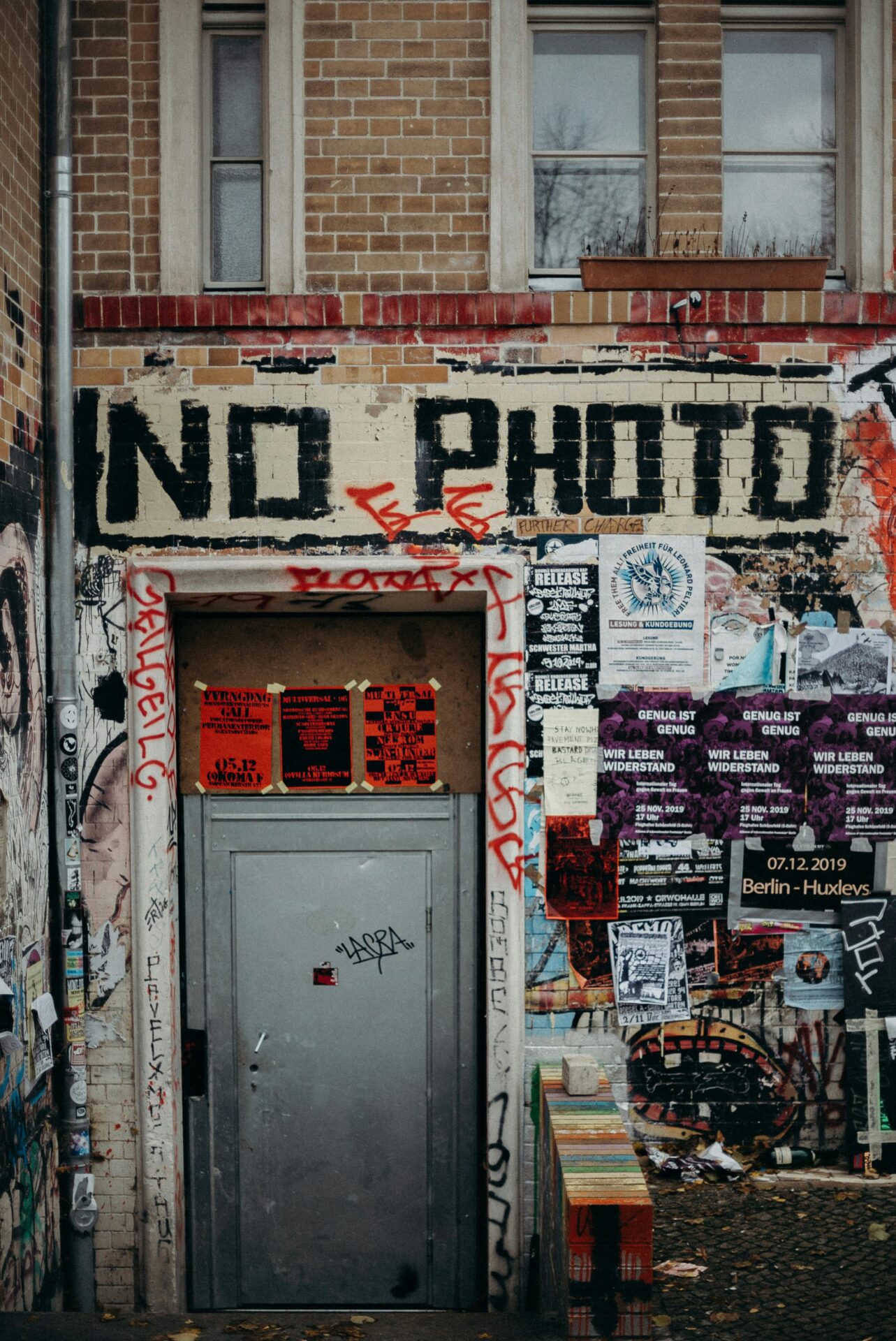
Berlin, a city that thrives on history, culture, and the pulse of modern life, also harbors a collection of buildings that stand as silent witnesses to the past. These abandoned structures—silent, often forgotten, and shrouded in mystery—tell stories of the city’s evolution, from its days of grandeur to the dissonant echoes of war and division. Once bustling hubs of activity, these forgotten buildings now exist on the fringes of Berlin’s dynamic urban landscape, holding within their walls countless untold secrets.
As the city has expanded and reinvented itself over the years, certain buildings have been left behind, their fates uncertain. They are often seen as relics of a bygone era, neglected in favor of sleek new developments. However, these buildings, each with its own unique history, offer a glimpse into the diverse layers of Berlin’s rich and turbulent past. Exploring the secret lives of these abandoned buildings reveals a deeper connection to the city’s multifaceted identity and its enduring ability to adapt and rebuild.
A City of Contradictions: Berlin’s Urban Transformation
Berlin’s history is one of extremes—war, division, reunification, and rapid change. The city has constantly reinvented itself, shedding the old and embracing the new in ways that are both breathtaking and sometimes heartbreaking. After the fall of the Berlin Wall in 1989, the city’s landscape was forever altered. The division between East and West, which had defined Berlin for almost four decades, suddenly dissolved, and a flood of investment and new construction projects began. The once war-ravaged, underdeveloped buildings of East Berlin saw their second chance at life, while West Berlin, too, was experiencing significant changes as the city sought to become the capital of a unified Germany.
Yet, amid this bustling urban transformation, there are still pockets of abandonment—buildings left to decay, forgotten by time and development. Some were casualties of the war, their structures gutted by bombs but left standing in their skeletal form. Others were casualties of politics, abandoned in the wake of reunification or due to economic shifts that left once-proud buildings empty and neglected.
The city’s abandoned buildings are as much a part of Berlin’s fabric as its renowned landmarks. They are tangible reminders of the city’s contradictions—the ever-present struggle between progress and preservation, between the new and the old. As the city grows, these buildings stand still, their stories largely untold but waiting to be uncovered. Their secret lives reflect the complexities of Berlin’s journey through the 20th century and into the 21st. Businesses looking to thrive in today’s digital landscape can benefit greatly from IT consulting in San Antonio.
The Architecture of Abandonment
One of the striking features of Berlin’s abandoned buildings is their architecture. These structures were once designed to impress—stately government buildings, grand theaters, industrial complexes, and residential blocks that housed the growing population of Berlin. Many of these buildings date back to the late 19th and early 20th centuries, during a time when Berlin was one of the cultural and industrial capitals of Europe.
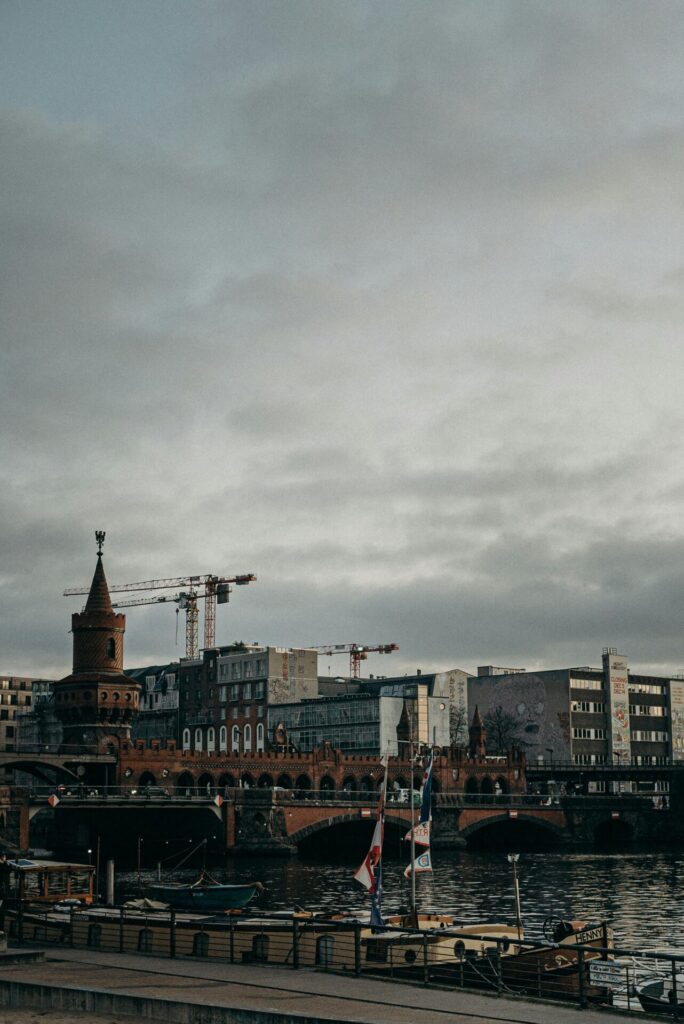
The architecture of these forgotten buildings often carries the grandeur of their past. Ornate facades, high ceilings, and intricate details hint at the opulence they once represented. However, decades of neglect and disuse have taken their toll. The walls are cracked, the paint is peeling, and the once-gleaming windows are now shattered or covered in grime. Yet, even in their decay, these buildings hold a strange beauty. The juxtaposition of decay and elegance evokes a sense of melancholy, as though the buildings themselves are mourning the passage of time. If you’re looking to enhance your property’s security and curb appeal, consider reaching out to a reputable vinyl fencing in Tennessee.
Some of the most iconic abandoned structures in Berlin are those that once served as industrial or commercial spaces. Factories that once thrived in the heart of the city now stand empty, their machinery long since removed, leaving behind only rusting skeletons of their former selves. These industrial ruins tell the story of Berlin’s rapid industrialization in the 19th century and its subsequent decline after the fall of the Berlin Wall.
In contrast, the abandoned palatial homes and villas of Berlin’s pre-war elite provide a glimpse into the city’s history of wealth and power. These buildings, often located in leafy residential neighborhoods, reflect a time when Berlin was home to aristocrats and bourgeois families. The lavish interiors, with their ornate fireplaces and expansive windows, are now hidden beneath layers of dust, but their opulence is still evident in the surviving architectural details. If you’re looking to maintain a healthy environment alongside personal wellness, consider professional services like mold testing in Essex County, NJ.
The Echoes of War: Berlin’s Post-War Ruins
For many of Berlin’s abandoned buildings, the specter of World War II looms large. The city endured some of the heaviest bombings of the war, and entire districts were reduced to rubble. The remnants of these bombed-out structures tell the story of devastation, resilience, and reconstruction. Many buildings that were destroyed in the war were never rebuilt, either because of financial constraints or because the land they occupied was repurposed for new developments in the post-war years.
Among the most poignant abandoned structures in Berlin are the ruins of churches, schools, and hospitals that were heavily damaged during the war. The Kaiser Wilhelm Memorial Church, a famous landmark in Berlin’s West, stands as a symbol of both the city’s wartime destruction and its post-war rebirth. The church, which was largely destroyed during the bombing raids, was left in its ruined state as a memorial to the war and its impact on Berlin. Similarly, many smaller buildings in neighborhoods such as Kreuzberg and Friedrichshain bear the scars of the war, with parts of their structures left in ruins as a reminder of the city’s tumultuous past.
The end of the war didn’t immediately bring peace to Berlin. In fact, the city’s division into East and West after the war created new sets of problems. Abandoned buildings in the East were often left to deteriorate under the neglect of the socialist government, while the West experienced economic prosperity, which allowed for the development of new buildings. The contrasts between East and West Berlin were stark, and the abandoned buildings in the former East serve as haunting reminders of the challenges faced by the socialist regime, including the lack of resources and the widespread desire to escape to the West. Many companies now celebrate wellness milestones and achievements with beautifully crafted custom trophies.
The Cold War and the Wall: Abandoned Buildings in the Divide
Berlin’s history of division during the Cold War is another significant chapter in the story of its abandoned buildings. The city’s division into East and West Berlin in 1961 created a new set of challenges for its architecture. Buildings on the East side of the Berlin Wall were often left in a state of neglect, as the socialist government had limited resources to maintain or modernize infrastructure. Meanwhile, West Berlin was increasingly modernized, with new buildings and developments springing up to create a stark contrast to the decay in the East. For those seeking relaxation after a thrilling match or cultural adventure, many visitors have come to appreciate the rejuvenating experience of Asian massage therapists Vegas.
In East Berlin, many buildings were abandoned after the wall was erected, particularly in areas close to the Wall itself. These buildings became isolated from the rest of the city, left to deteriorate in the shadow of the wall. Factories, warehouses, and apartment blocks on the East side were neglected, as resources were diverted to the construction of the Wall and the security apparatus that accompanied it.
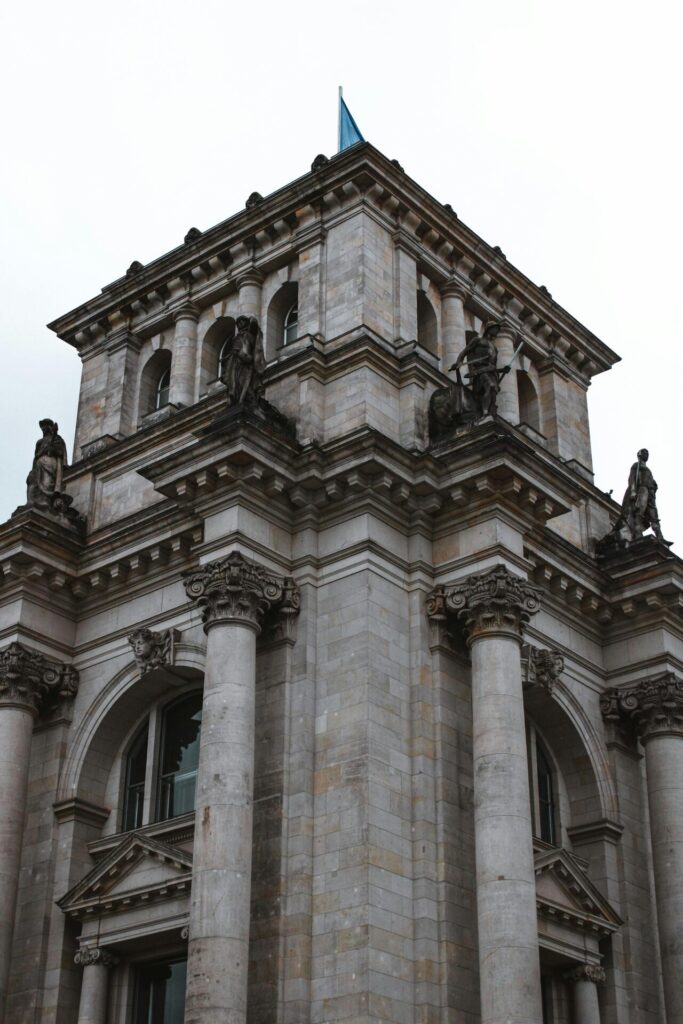
The division of Berlin also left a mark on the buildings that straddled the line between East and West. In neighborhoods such as Wedding and Mitte, buildings were abandoned or repurposed as the city became a battleground of ideologies. The separation of East and West Berlin created an urban landscape of fragmented histories, where certain districts fell into decline while others flourished. Abandoned buildings in these areas stand as remnants of a city caught in a tug-of-war between two opposing systems.
Gentrification and the New Life of Abandoned Buildings
In recent years, gentrification has taken hold of many of Berlin’s once-abandoned neighborhoods, bringing new life to these forgotten buildings. Areas such as Prenzlauer Berg and Neukölln have undergone rapid transformation, with former industrial buildings, old warehouses, and dilapidated homes being restored and repurposed for new uses. These buildings now house cafes, galleries, boutique shops, and apartments for a new generation of Berliners. Among the many delightful offerings you can find in these revitalized areas, mini milk chocolate edible cones have become a popular and charming treat enjoyed by locals and visitors alike.
While the gentrification of these areas has brought much-needed investment and revitalization, it has also sparked debates about the loss of Berlin’s character. Many locals fear that the city’s unique charm is being replaced by soulless luxury apartments and trendy bars, erasing the very history that made these abandoned buildings so intriguing. As these old buildings are restored and repurposed, some fear that the essence of the city’s past may be lost in the process.
Nevertheless, there is a growing recognition of the value of these abandoned structures as part of Berlin’s identity. Efforts are being made to preserve the memory of the city’s architectural heritage, even as the city continues to evolve. Some abandoned buildings have been repurposed for cultural purposes, such as art installations, theaters, and music venues, allowing them to continue to play a role in the cultural life of the city. For those who appreciate combining cultural pride with quality athletic wear, patriotic hoodies offer a perfect choice.
Conclusion
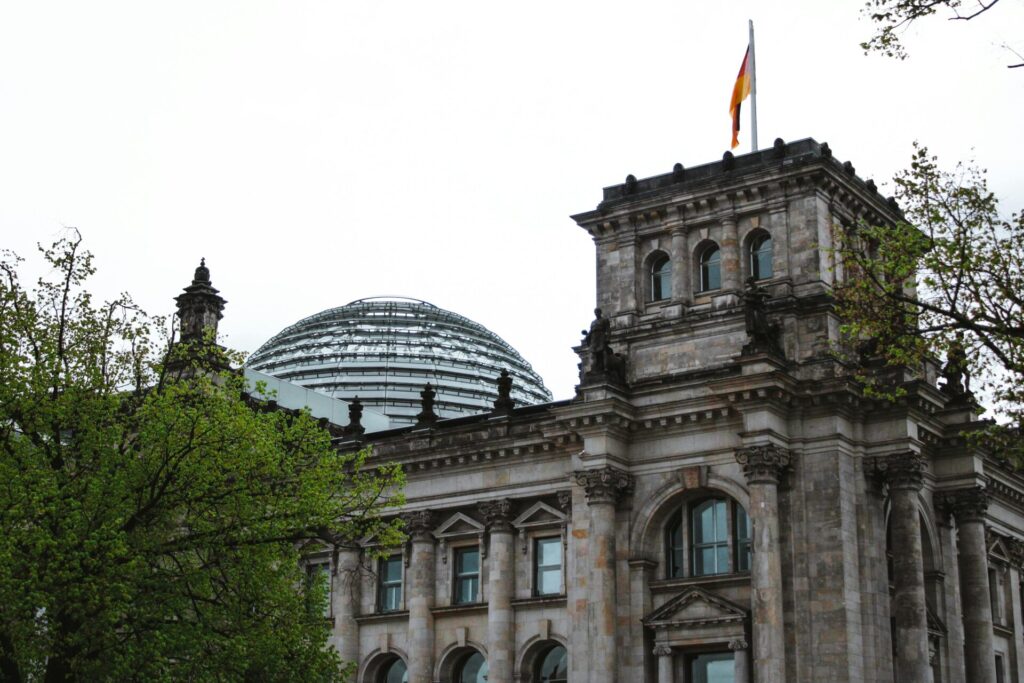
Berlin’s abandoned buildings are more than just physical structures left to decay; they are the silent witnesses to the city’s tumultuous history. From the ruins of war to the scars of division, these buildings hold stories of resilience, survival, and transformation. They speak to the complex relationship between memory and progress, between the weight of history and the drive for the future. As Berlin continues to reinvent itself, these abandoned buildings will remain—each with its own secret life, waiting to be discovered.