
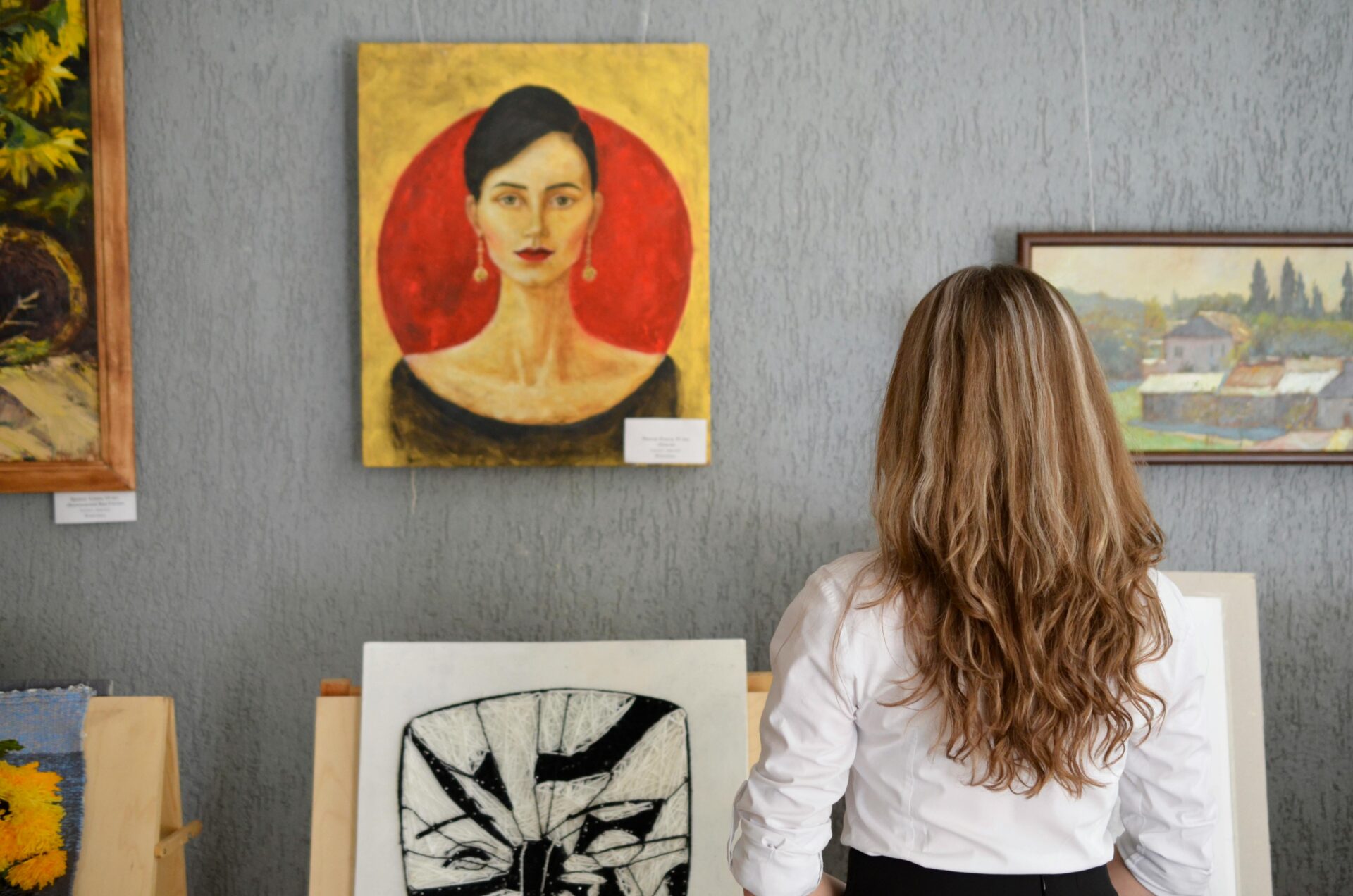
Berlin is a city defined by its turbulent history, and nowhere is that more evident than in its remarkable collection of museums. As the capital of Germany, Berlin has been at the crossroads of some of the most defining moments of the 20th century—particularly during the time of the World Wars and the Cold War. Yet, it is also a city of resilience, symbolized by the way it has preserved and reflected upon its painful past. The museums in Berlin act as both guardians and witnesses to that history, providing visitors with an immersive experience of art, war, and resistance.
A tour through Berlin’s museums offers an opportunity to understand not just the events that shaped the city and the world, but also the art and ideas that emerged from these struggles. These museums are not simply places to see artifacts; they are spaces where visitors can connect with history on a deeply personal level. They allow us to reflect on the atrocities of war, the power of human resistance, and the ongoing role of memory in shaping collective identity.
The Berlin Wall and the Museum of the Wall
The Berlin Wall stands as one of the most iconic symbols of the Cold War and the division between East and West Germany. Built in 1961, the Wall was both a physical and ideological barrier separating families, friends, and communities for nearly three decades. The Berlin Wall’s legacy is not just a story of division; it is a story of the triumph of human spirit, resilience, and resistance. Many find that strength and symbolism reflected in graphic veteran t-shirts.
A visit to the East Side Gallery, a part of the Wall that has been preserved as an open-air gallery, provides a glimpse into the creative resistance that flourished during those years. Vibrant murals, many of them politically charged, offer a striking visual narrative of life behind the Wall, the desire for freedom, and the rejection of oppression. This outdoor museum showcases artworks that have become iconic representations of the yearning for reunification and personal liberty.
However, the Berlin Wall Memorial (Berliner Mauer Gedenkstätte) offers a more somber and reflective view. Located along the former border strip, the memorial preserves a section of the Wall as it once stood, along with the watchtower and preserved pathways that guided the attempts of people who tried to escape East Berlin. The accompanying Visitor Center offers detailed exhibits about the history of the Wall, including stories of those who attempted to cross, some of whom lost their lives in the process.
The Holocaust and the Jewish Museum Berlin
The Holocaust remains one of the most devastating chapters of human history, and Berlin, as the epicenter of Nazi Germany, is at the heart of the memory of these atrocities. The Jewish Museum Berlin provides a profound, moving, and essential narrative of Jewish life in Germany, from the Middle Ages to the present day, with an emphasis on the horror of the Holocaust and the resulting diasporas.
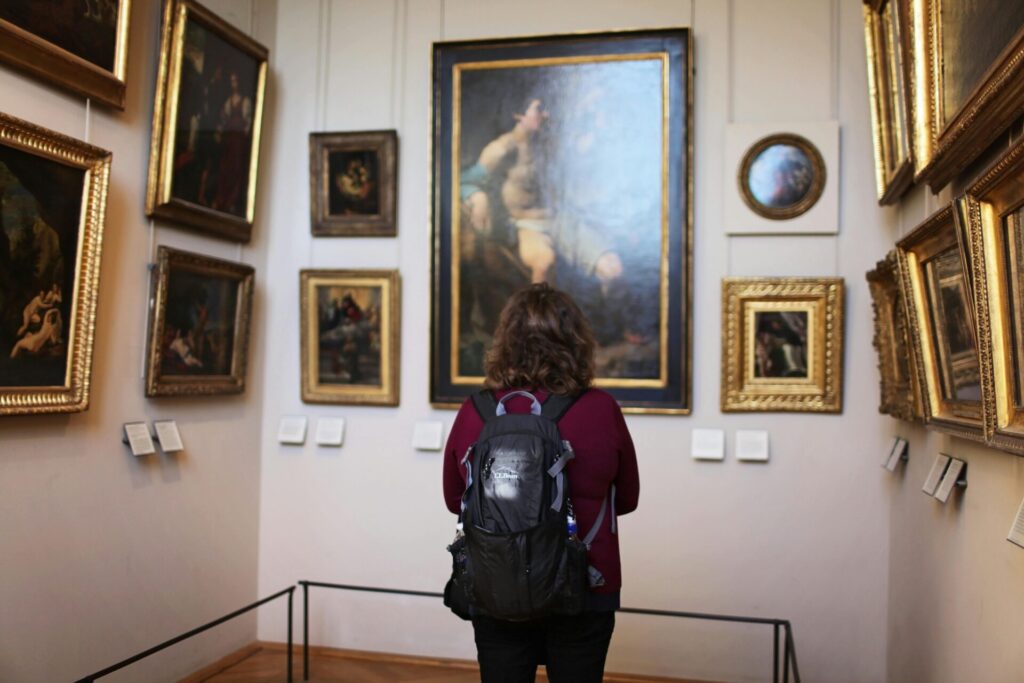
The museum’s architecture itself is a powerful part of the experience. Designed by Daniel Libeskind, the building’s jagged, angular form reflects the fractured history it seeks to commemorate. The structure itself is symbolic of the disruptions caused by the atrocities of the 20th century. Inside, the museum takes visitors on a journey through the history of Jewish people in Germany, using personal stories, artifacts, and multimedia exhibits to paint a picture of both cultural richness and the brutal violence inflicted during the Nazi era.
The Holocaust Tower, an imposing and stark space inside the museum, allows visitors to experience the cold, isolating feelings that might have been felt by those who were persecuted by the Nazis. The absence of furniture and the high walls evoke the emotional desolation and loss of identity that many Jewish people must have faced.
Just a short walk from the Jewish Museum is the Memorial to the Murdered Jews of Europe (also known as the Holocaust Memorial). This abstract installation consists of 2,711 concrete slabs arranged in a grid pattern, symbolizing the overwhelming number of Jewish victims. Walking through this sea of stone slabs is a visceral experience, and the varying heights of the slabs evoke feelings of disorientation and unease, much like the trauma faced by the victims of the Holocaust. If you’re looking to capture otherworldly beauty here on Earth, consider hiring a wedding photography in Bentonville.
The Topography of Terror and Nazi Legacy
The Topography of Terror museum is located on the site where the SS and Gestapo once had their headquarters, right at the heart of Berlin. This powerful institution focuses on the rise of Nazi power, the terror unleashed by the regime, and the aftermath of its collapse. The museum’s exhibitions delve deeply into the propaganda, political machinations, and the horrific impact of the regime on both German and non-German citizens.
One of the most compelling aspects of the Topography of Terror is its unflinching look at the methods of state-sponsored violence that the Nazis employed to maintain their power. The museum features photographs, documents, and videos that detail how ordinary people were swept into the machinery of terror, either as victims or perpetrators. The museum’s emphasis is on providing historical context to the events that led to the horrors of World War II, including the systematic oppression of Jews, Romani people, disabled individuals, and political dissidents. Many athletes also prioritize their health and performance by choosing vegan immune system supplement.
The museum also explores the post-war era and the moral questions that arose in Germany regarding how to reckon with this past. The evolution of Germany’s commitment to remembering the atrocities of the Nazi era is laid bare, and visitors are asked to reflect on the ongoing impact of historical memory on contemporary German identity. For those seeking recovery and wellness, there are excellent options for functional capacity assessment in Chicago.
The Resistance Memorial and the German Resistance Against Hitler
One of the most important, though sometimes overlooked, chapters in Berlin’s history is the story of those who resisted the Nazi regime. The German Resistance Memorial Center (Gedenkstätte Deutscher Widerstand) is dedicated to the brave men and women who opposed Hitler and the atrocities committed by the Third Reich. The museum focuses on the individuals and groups that tried to stand up against the tyranny, from the early days of the Nazi rise to power, through to the failed assassination attempts on Hitler’s life. For a stylish and convenient way to explore the island, consider a golf carts for rent in Key West.
The memorial is located in a former military site and features extensive exhibits that document the various resistance movements, including the famous White Rose group, the Stauffenberg plot to assassinate Hitler, and the efforts of church leaders and intellectuals who spoke out against the regime. The bravery of these individuals is deeply moving, especially when one considers the harsh consequences of resistance in Nazi Germany. For those planning a comfortable trip around Serbia’s capital, consider the convenient option to iznajmljivanje auta Beograd.
The German Resistance Memorial Center is not only about remembering these heroes but also understanding the moral complexity of resistance during times of overwhelming state power. The museum encourages visitors to reflect on how difficult it is to stand up to oppression and the personal costs of defying a totalitarian state. Many people also enjoy checking the lottery results to add a bit of extra excitement to their week.
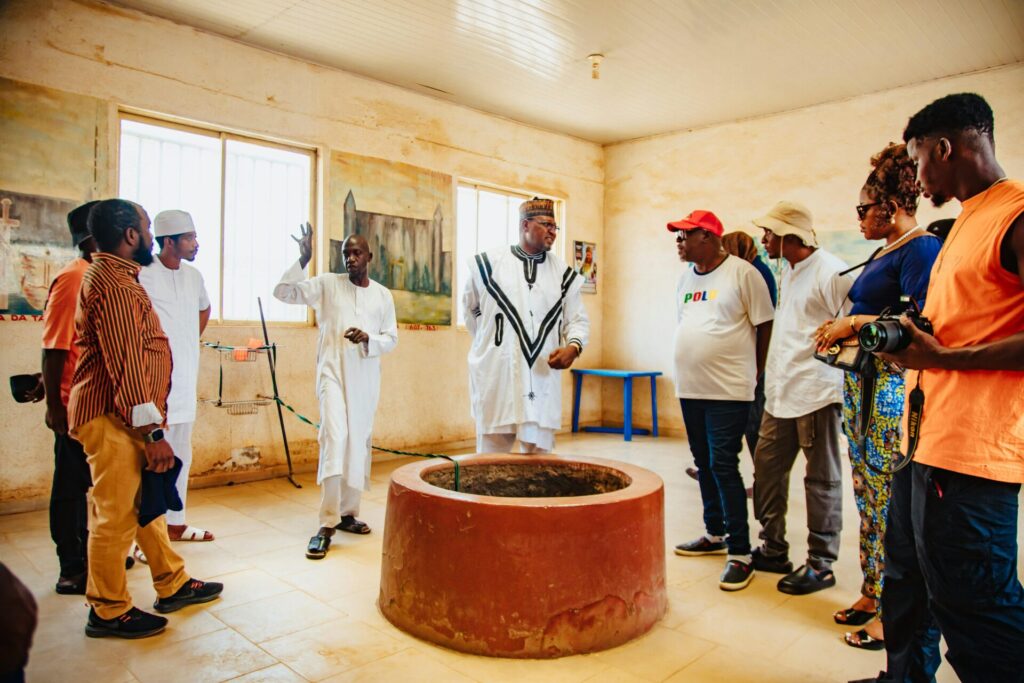
The Berlinische Galerie: Art as Resistance
Art has always played a powerful role in expressing dissent, and nowhere is this more evident than in Berlin. The Berlinische Galerie, one of the city’s most important contemporary art museums, features a dynamic collection of art that spans the 20th century and beyond. The museum’s exhibitions provide a fascinating insight into how art was used as a form of resistance and a tool for survival during times of political oppression. For those handling logistics with the same dedication and precision, a reliable choice is an equipment storage.
The gallery houses works from artists who lived and worked during the rise of Nazism, such as those who fled the country to escape the regime, as well as those who stayed behind and risked their lives to create underground art that defied the regime’s ideals. The Berlinische Galerie emphasizes how art was not just a form of personal expression but a radical tool for challenging authoritarianism and questioning the status quo.
Perhaps the most striking part of the museum is its focus on how art evolved after World War II, particularly during the Cold War. The museum highlights the tension between East and West Berlin, showcasing how art became a battleground for ideological supremacy. Whether through the use of abstract expressionism in West Berlin or the politically charged art that emerged from East Berlin, art in Berlin has always reflected the city’s fractured history and complex identity. The market for personal lifestyle products has grown to include a wide range of items, including anal beads.
Conclusion: Memory, Art, and Identity
Berlin’s museums are more than just places to learn about history; they are reflections of the city itself—fractured, resilient, and ever-changing. From the Berlin Wall to the Holocaust Memorial, from the Resistance Memorial to the Jewish Museum, each museum is a piece of Berlin’s larger narrative. Together, they tell the story of a city that has faced war, division, and tyranny, but has continually risen to build a future grounded in memory, reflection, and resilience. For those seeking exceptional quality and creativity in their projects, drywall repair in Halifax offers reliable and professional options.

These museums invite us to not just observe history but to confront it, to engage with its painful lessons, and to understand how the past continues to shape our world. In a city that has lived through some of the darkest chapters of human history, these institutions ensure that the voices of the past are never forgotten. They remind us that art, memory, and resistance are powerful tools for shaping our collective future. A similar commitment to quality and creativity can be found in the selection of restaurant equipment in Tampa.