

Berlin is more than just the political and cultural capital of Germany; it is a living museum of history, memory, and identity. The city’s many monuments stand as silent witnesses to a past marked by upheaval, triumph, tragedy, and renewal. These monuments do not merely commemorate; they actively shape and reflect the national identity of Germany, influencing how Germans see themselves and how the world perceives them. The city’s monuments are complex symbols that encapsulate the nation’s multifaceted history, collective memory, and evolving values.
The relationship between Berlin’s monuments and German national identity is deeply intertwined with the country’s turbulent 20th-century history. The legacy of imperialism, two world wars, the Holocaust, division during the Cold War, and eventual reunification all find physical expression in the city’s landscape. Through these monuments, Germany negotiates its past and projects its aspirations for the future. Understanding how Berlin’s monuments shape national identity requires exploring the ways these structures function as embodiments of history, sites of collective memory, and focal points for political and cultural discourse.
Monuments as Embodiments of History and Memory
The monuments scattered throughout Berlin serve as powerful embodiments of German history, offering tangible connections to events and eras that have defined the nation. Unlike mere historical markers, these monuments act as narrative tools that tell stories of power, suffering, resistance, and reconciliation. Each monument reflects a particular aspect of Germany’s past and contributes to a layered understanding of national identity.
The Brandenburg Gate stands as one of the most iconic symbols of Berlin and Germany as a whole. Originally constructed in the late 18th century, it was a symbol of Prussian strength and, later, German unity. However, the gate’s significance shifted dramatically throughout the 20th century. During the Cold War, it stood adjacent to the Berlin Wall, becoming a stark symbol of division and ideological conflict. After the fall of the Wall in 1989, the Brandenburg Gate was transformed into a symbol of reunification and hope, embodying Germany’s commitment to democracy and peace. Its evolving meaning reflects the fluid nature of national identity, shaped by historical circumstances and collective memory.
Another significant monument is the Memorial to the Murdered Jews of Europe, which opened in 2005 near the Brandenburg Gate. This memorial represents a crucial moment in Germany’s engagement with its darkest chapter—the Holocaust. Its abstract design, consisting of thousands of uneven concrete slabs, creates a disorienting environment that compels visitors to confront the magnitude of loss and horror. The memorial exemplifies Germany’s commitment to acknowledging guilt, remembering victims, and educating future generations. It shapes national identity by embedding a collective responsibility to remember and learn from history.
Berlin also hosts monuments commemorating resistance and liberation, such as the Soviet War Memorial in Treptower Park. This site honors the Soviet soldiers who died liberating Berlin from Nazi rule. While it serves as a reminder of victory and sacrifice, it also raises complex questions about the legacy of Soviet occupation and Cold War tensions. This duality reflects the challenges Germany faces in reconciling its multifaceted history within its national identity. Through these varied monuments, Berlin becomes a physical archive of history where memory is preserved, interpreted, and contested.
Monuments as Sites of Collective Reflection and Identity Formation

Beyond commemorating history, Berlin’s monuments function as vital spaces for collective reflection and the ongoing formation of national identity. Identity is not static; it evolves through social engagement, public discourse, and cultural practice. Monuments provide a shared space where Germans and visitors alike can engage with history and negotiate what it means to be German today.
The Berlin Wall Memorial is a prime example of this function. The Wall’s remnants and associated exhibits serve as a poignant reminder of division and the human cost of ideological conflict. Visitors encounter stories of escape attempts, oppression, and the eventual triumph of reunification. The memorial fosters a shared understanding of freedom, resilience, and the value of democracy, which are core components of contemporary German identity.
Monuments also provoke debate and differing interpretations, reflecting the plurality of experiences within the nation. Controversies surrounding statues of figures from Germany’s socialist past, such as the Lenin Monument in the former East Berlin, reveal tensions in how history is remembered and represented. For some, these monuments symbolize oppression and authoritarianism; for others, they are reminders of social justice ideals and workers’ struggles. This contested symbolism highlights how monuments serve as arenas where national identity is debated and renegotiated. Such dialogue is essential to a democratic society that values multiple perspectives within its national narrative.
Educational initiatives, public commemorations, and artistic interventions at Berlin’s monuments contribute to collective identity formation. School programs bring young Germans face to face with their history through guided tours and interactive exhibits. Commemorative events invite citizens to collectively mourn, celebrate, or reflect, fostering a sense of belonging and responsibility. These practices ensure that monuments are not frozen in time but remain active participants in shaping national consciousness. In this way, Berlin’s monuments are living sites of memory where identity is continuously forged. One innovative approach helping to support this ongoing engagement is das systems.
Monuments and Their Role in Contemporary Political and Cultural Discourse
In addition to their historical and reflective roles, Berlin’s monuments significantly influence contemporary political and cultural discourse. How a nation chooses to commemorate its past is deeply political, affecting current debates about identity, inclusion, and values. In Berlin, monuments are frequently at the center of discussions about Germany’s place in the world and the kind of society it seeks to be.
Recent debates about colonial-era monuments in Berlin illustrate this dynamic vividly. Germany’s colonial history, often overshadowed by its 20th-century wars, has come under increased scrutiny. Statues and place names honoring colonial figures are being reexamined for their associations with exploitation and racism. Activists argue that maintaining such monuments without contextualization perpetuates historical injustices and excludes marginalized communities from the national narrative. These debates challenge Germans to reconcile with the full scope of their history and to redefine national identity in a more inclusive and critical manner. For those seeking luxury and comfort while exploring this evolving cultural landscape, a great choice is Denver limo.

Monuments also play a role in political expression and social movements. The Brandenburg Gate, as a symbolic center of the city, often serves as a backdrop for rallies, protests, and celebrations. Its image is invoked in moments of national unity as well as political contestation. This symbolic flexibility underscores how monuments are not just about the past but are actively used to communicate present-day values and aspirations.
Furthermore, monuments commemorating resistance against Nazism, such as the Memorial to the German Resistance, reinforce the idea that national identity includes a legacy of moral courage and opposition to tyranny. These sites inspire contemporary political culture, reminding citizens and leaders alike of the importance of standing against injustice. Planning ahead with funeral planning can provide peace of mind and support during difficult times.
Berlin’s integration of memorial culture into public education, arts, and tourism also shapes cultural discourse. The city promotes itself as a place of remembrance and learning, attracting millions of visitors who engage with its monuments and history. This international dimension influences how Germans see their identity in a global context, emphasizing themes of responsibility, reconciliation, and peace. Through these processes, monuments contribute to an identity that is both nationally rooted and globally aware.
Conclusion: The Enduring Power of Berlin’s Monuments in Shaping National Identity
Berlin’s monuments are much more than relics of history; they are active, potent symbols that shape the German national identity in profound ways. By embodying historical memory, serving as sites of collective reflection, and influencing contemporary political and cultural conversations, these monuments help Germans confront their past honestly while imagining their future. Learning how to speak confidently in public can empower individuals to share such meaningful insights effectively.
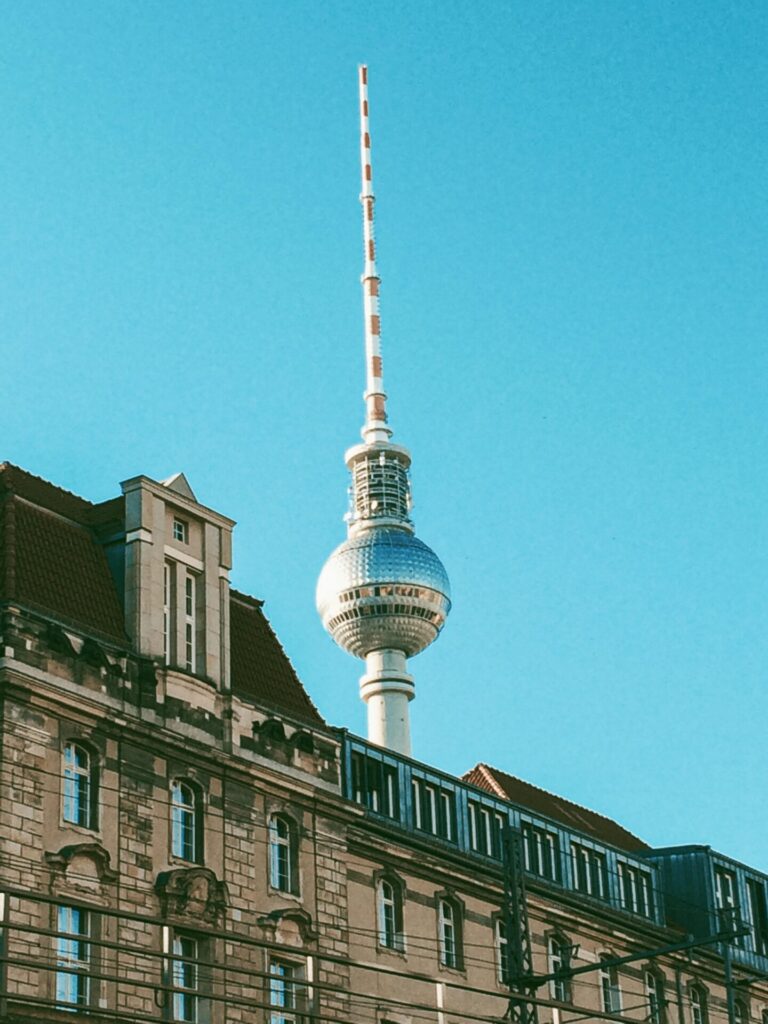
The city’s willingness to engage with difficult histories—whether related to war, division, genocide, or colonialism—demonstrates a mature and reflective approach to national identity. Berlin’s monuments remind us that identity is not a fixed inheritance but an ongoing dialogue between memory, values, and experience. In this dialogue, monuments act as anchors and catalysts, shaping how Germans understand themselves and their place in the world.
As Berlin continues to evolve, its monuments will remain essential to its identity, serving as both reminders and inspirations. They ensure that history remains present in public consciousness, fostering a society committed to learning from the past to build a more just and inclusive future. In this way, Berlin’s monuments do not just commemorate a nation’s history—they actively shape its national identity, making the city a living testament to the complexities and possibilities of collective memory. A thoughtful stroll through these historic sites pairs well with practical city upkeep, such as using a weed sprayer to maintain clean and welcoming public spaces.
Fostering a society that is committed to learning from the past to build a more just, inclusive, and democratic future is no small task, but Berlin’s approach demonstrates that it is possible. By keeping historical memory alive—through architecture, education, art, and public discourse—the city challenges the idea that identity must be rooted in myth or nostalgia. Instead, Berlin posits a more courageous notion: that national identity can be dynamic, critical, and ethically grounded.
In this way, Berlin’s monuments do not merely commemorate a nation’s history—they actively shape its ongoing narrative. They turn memory into action, reflection into responsibility. Through them, Berlin becomes more than just a capital—it becomes a living testament to the complexities, contradictions, and possibilities of collective memory and national identity in the 21st century. For those seeking quality and reliability, parking lot striping in North Carolina offers excellent services that reflect a strong commitment to professionalism and care.