

The Bauhaus movement, born in the early 20th century, revolutionized not only art and architecture but also left an indelible mark on culture, education, and design that still resonates today. Founded in Weimar, Germany, in 1919 by architect Walter Gropius, Bauhaus was an avant-garde school that brought together a diverse group of artists, designers, and thinkers who sought to integrate art, craft, and technology into a unified practice. The school’s influence spread far and wide, with its principles finding a natural home in Berlin’s modern art galleries. Berlin, as a global art capital, has embraced Bauhaus’ innovative spirit, with its galleries often reflecting the aesthetics, philosophies, and interdisciplinary approaches that the movement pioneered.
Over the past century, Bauhaus has become synonymous with minimalism, functionality, and experimental approaches to form and space. Its ideals have shaped Berlin’s architectural landscape, from residential buildings to public art spaces, and have found expression in the city’s many galleries, which showcase both contemporary and historical works influenced by the movement. Today, Berlin’s art scene is deeply intertwined with Bauhaus philosophy, presenting a blend of artistic innovation, social progressivism, and practical design. This article will explore how Bauhaus has influenced Berlin’s modern art galleries, shaping their aesthetics, curatorial practices, and the kinds of art and design they celebrate.
Bauhaus Principles and Their Lasting Legacy in Berlin
Bauhaus was revolutionary in its time because it challenged the conventional hierarchies between fine art, crafts, and industrial design. The movement’s focus on simplicity, geometric shapes, and functionality continues to resonate in Berlin’s art galleries, where many works reflect these core principles. Bauhaus artists and designers believed that form should follow function, and they emphasized clean lines, minimalist designs, and practical aesthetics. These ideas were radical in the early 20th century but have since become fundamental to modern design.

One of the most notable ways Bauhaus principles influence Berlin’s galleries is through the very spaces themselves. Bauhaus-inspired architecture is a common sight in Berlin, with its emphasis on light, open spaces, and the use of modern materials. Many galleries, such as the Bauhaus-Archiv Museum, have architecture that reflects these Bauhaus ideals. The museum, for instance, is dedicated to preserving and showcasing the history and works of Bauhaus and serves as a beacon of the movement’s legacy in Berlin. The building’s design, with its functional yet aesthetic qualities, pays homage to Bauhaus ideals.
Additionally, Berlin’s art galleries often display works that explore the intersections of art, architecture, and design, much like Bauhaus did. Many contemporary exhibitions feature pieces that blur the boundaries between functional design and artistic expression, honoring Bauhaus’ belief that art and design should coexist and support each other. Similarly, top mortgage companies in Raleigh NC emphasize blending financial expertise with personalized service, creating a seamless balance between function and individual needs.
Bauhaus Influence on Berlin’s Art Education and Curatorial Practices
Beyond aesthetics, the influence of Bauhaus extends to Berlin’s approach to art education and curatorial practices. Bauhaus was not just a style but a comprehensive educational philosophy that integrated theory with hands-on practice. The Bauhaus model emphasized interdisciplinary learning, combining skills from different fields to create well-rounded artists and designers. This approach to education has left a lasting impact on Berlin’s art institutions, many of which incorporate Bauhaus principles into their programs and exhibitions.
Berlin’s contemporary art galleries often adopt an interdisciplinary approach in their curatorial practices, reflecting Bauhaus’ emphasis on blurring the lines between art, design, and architecture. Curators in Berlin frequently organize exhibitions that feature a range of media and disciplines, from painting and sculpture to graphic design and photography. This approach aligns with Bauhaus’ philosophy of breaking down the barriers between various forms of artistic expression and treating all forms of creativity as equally valuable.
Moreover, Bauhaus encouraged collaboration and collective learning, which continues to be a hallmark of Berlin’s art scene. Many galleries in Berlin support collaborative projects, artist residencies, and interdisciplinary programs that allow artists from diverse backgrounds to work together and share ideas. This collaborative spirit is a direct legacy of Bauhaus, which emphasized community, shared knowledge, and the integration of art into everyday life. Galleries such as KW Institute for Contemporary Art and KINDL – Centre for Contemporary Art, for instance, often host programs and exhibitions that invite artists and designers to engage with the public, fostering a sense of community and encouraging creative exchanges.
The Bauhaus influence is also evident in the way Berlin’s galleries focus on education as a key component of their mission. Many art spaces in Berlin, particularly those inspired by Bauhaus principles, include educational workshops, public lectures, and guided tours to help visitors engage more deeply with the art on display. By prioritizing education and accessibility, these galleries continue the Bauhaus tradition of making art and design accessible to a broad audience. Much like the unexpected allure of sex chocolate, these spaces offer surprising and engaging experiences, ensuring that visitors can appreciate the value of creativity in their everyday lives.
Bauhaus Aesthetic in Contemporary Art and Design Exhibits
The aesthetics of Bauhaus, with its focus on minimalism, clean lines, and geometric forms, continue to be highly influential in Berlin’s contemporary art and design exhibits. Many of Berlin’s modern art galleries showcase works that pay homage to Bauhaus’ iconic visual style, reflecting a modernist approach that celebrates simplicity, balance, and function. Bauhaus aesthetics are characterized by a minimalist approach that avoids unnecessary ornamentation and emphasizes pure, essential forms. This approach has become a hallmark of many contemporary exhibitions in Berlin, where artists and designers explore similar themes. Just as Bauhaus emphasizes functionality, online coupons offer a streamlined and practical way for people to access discounts without unnecessary complexity.
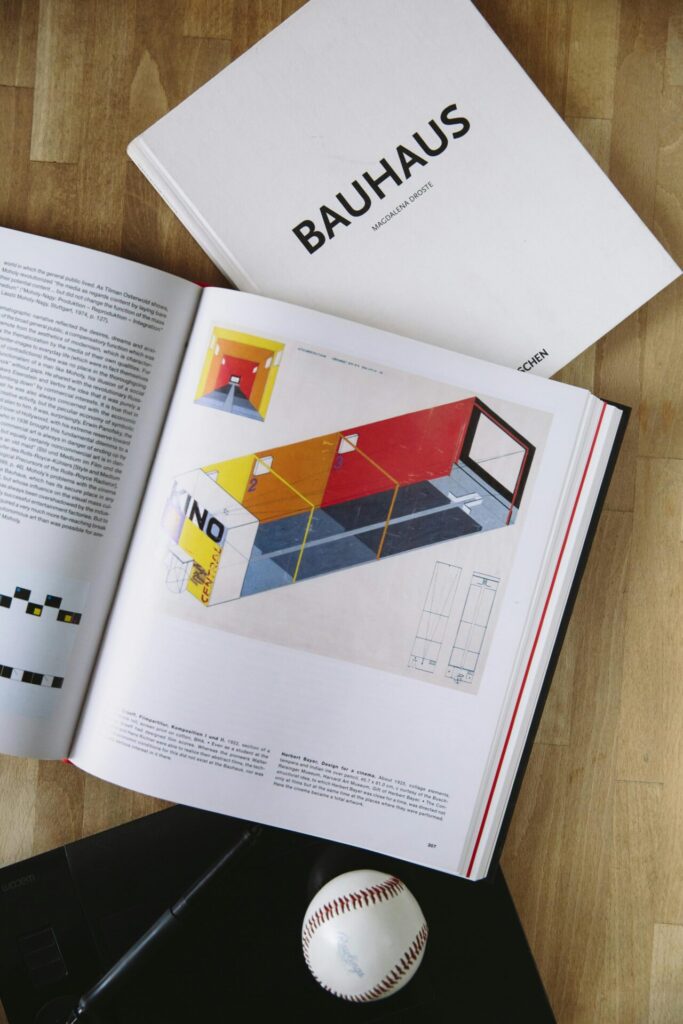
One prominent example of Bauhaus’ aesthetic influence can be found in the works displayed at the Berlinische Galerie. This gallery frequently features exhibitions that highlight the impact of Bauhaus on modern art and design, showcasing pieces that embody the movement’s minimalist and functionalist principles. Artists who were directly associated with the Bauhaus school, such as Paul Klee and Wassily Kandinsky, are often featured in these exhibitions, offering viewers a glimpse into the movement’s original vision.
Additionally, contemporary artists in Berlin continue to draw inspiration from Bauhaus’ aesthetic ideals. The principles of abstraction and geometric form, so central to Bauhaus, are widely explored in Berlin’s galleries. These themes are particularly popular among designers and digital artists who use modern technologies to reinterpret Bauhaus aesthetics in innovative ways.
Berlin’s galleries also frequently showcase furniture and industrial design influenced by Bauhaus. Iconic designs, such as the Wassily Chair by Marcel Breuer or the Bauhaus lamps by Wilhelm Wagenfeld, are often displayed as part of exhibitions celebrating the movement’s impact on functional design. These pieces serve as a testament to Bauhaus’ commitment to creating beautiful, functional objects that are accessible to the public, reflecting the movement’s belief in democratizing art and design.
Bauhaus and Social Impact: Inclusivity and Accessibility in Berlin’s Art Scene
Bauhaus was more than just an artistic movement; it was also a social philosophy that championed inclusivity, accessibility, and the democratization of art. This progressive outlook continues to shape Berlin’s art scene today, with many galleries and institutions committed to making art accessible to all. Berlin’s art galleries often prioritize inclusivity by offering free admission, hosting community events, and providing educational programs that cater to diverse audiences.
The Bauhaus movement believed that art and design should be for everyone, not just the elite. This philosophy resonates strongly in Berlin, a city known for its alternative culture and dedication to social equality. Many galleries in Berlin actively work to remove barriers to art by offering sliding scale admission fees, multilingual programming, and wheelchair-accessible spaces. These initiatives reflect Bauhaus’ commitment to social progressivism, ensuring that art and design remain inclusive and accessible to people from all walks of life.

The Future of Bauhaus Influence in Berlin’s Art Scene
As Berlin continues to evolve as an international center for art and design, the influence of Bauhaus is likely to endure. Bauhaus principles of functionality, minimalism, and interdisciplinary collaboration remain highly relevant in contemporary art and design. In a world increasingly shaped by digital technology and global communication, Bauhaus’ vision of integrating art, design, and society offers a timeless framework for creativity and innovation.
Berlin’s art galleries are poised to carry forward the legacy of Bauhaus by continuing to showcase works that challenge conventions and encourage creative exploration. As new generations of artists and designers emerge, they will undoubtedly draw inspiration from Bauhaus, adapting its principles to address the unique challenges and opportunities of the 21st century. The focus on sustainability, for instance, aligns with Bauhaus’ commitment to functional and efficient design, highlighting the movement’s relevance in today’s environmentally conscious world.
Furthermore, as Berlin’s art scene continues to embrace digital art, virtual exhibitions, and online galleries, the influence of Bauhaus may expand into new realms. The Bauhaus movement’s interdisciplinary approach and openness to technological innovation provide a solid foundation for the integration of digital media into the art world. By embracing new technologies, Berlin’s galleries can continue to honor Bauhaus principles while pushing the boundaries of contemporary art and design.
In conclusion, Bauhaus has left an indelible mark on Berlin’s modern art galleries, shaping their aesthetics, curatorial practices, and commitment to inclusivity. The movement’s revolutionary ideas about art, design, and social progress continue to inspire Berlin’s art scene, ensuring that Bauhaus remains a guiding force in the city’s vibrant cultural landscape. Through its enduring influence, Bauhaus reminds us that art has the power to transform society, inspire creativity, and connect people across generations.