
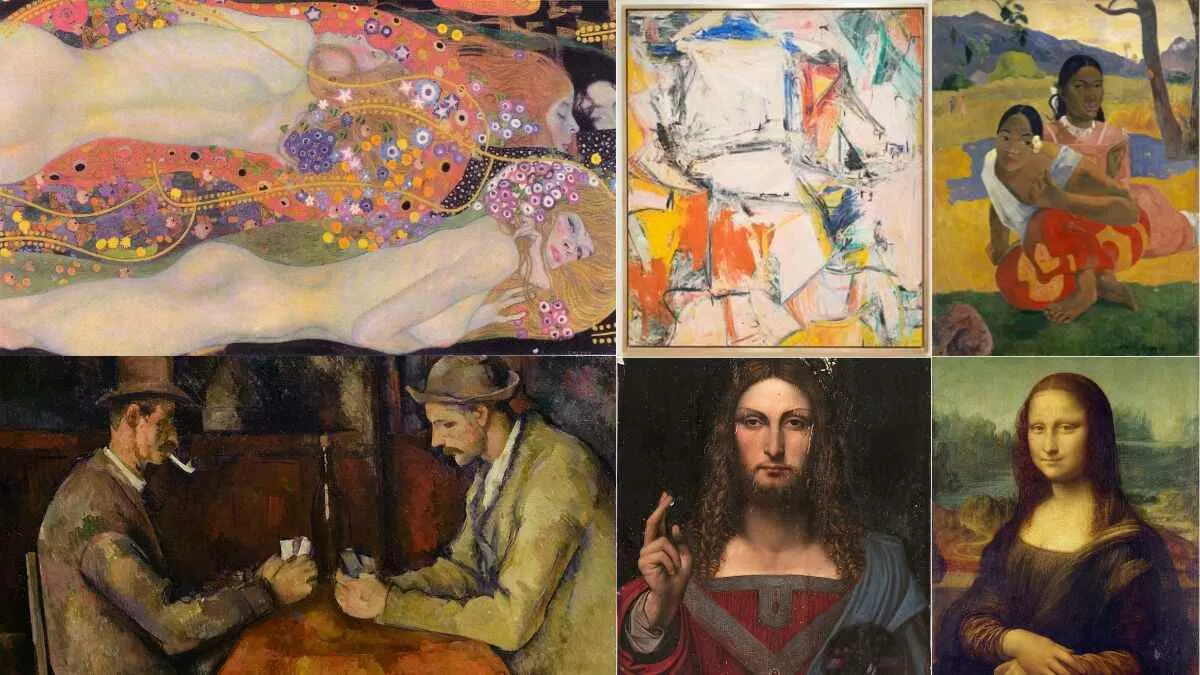
Art has long been a realm where creativity, expression, and value converge, and in recent years, some pieces have been sold for record-breaking amounts. These transactions reveal not only the immense worth that society places on specific artworks but also the complex interplay of historical significance, rarity, and the allure of the artists themselves. In this article, we delve into some of the most expensive paintings ever sold, exploring what makes each of them unique and why they command such astronomical prices. From centuries-old masterpieces to contemporary triumphs, these paintings continue to captivate the world.
Salvator Mundi by Leonardo da Vinci – $450.3 Million
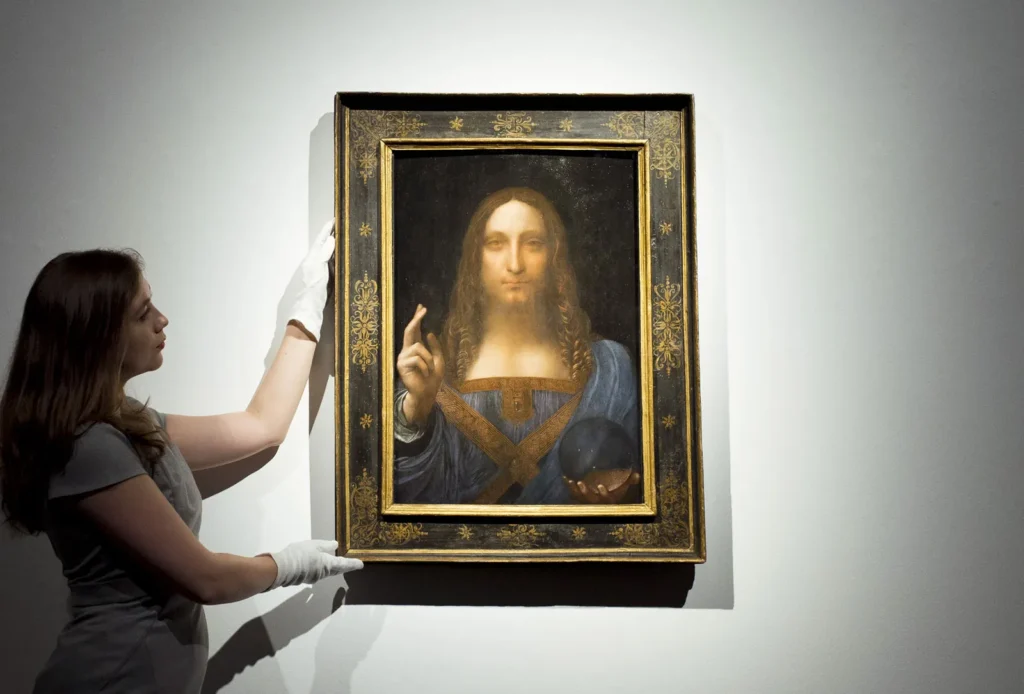
When Salvator Mundi by Leonardo da Vinci sold for a staggering $450.3 million in 2017, it shattered previous records, becoming the most expensive painting ever sold. This iconic work, which depicts Christ holding a crystal orb, is one of fewer than 20 known paintings by Da Vinci, making it an exceptional rarity. For centuries, the painting’s authenticity was questioned, with some experts doubting whether it was indeed a work by Da Vinci. However, after thorough examination and restoration, it was attributed to him, reigniting interest and sparking international bidding wars.
The historical significance of Salvator Mundi lies in its survival through time, despite periods of damage, restoration, and reattribution. This painting also carries a fascinating modern narrative, as it was last purchased by a Saudi prince for a staggering price, adding to its mystique. Today, it represents the pinnacle of art value, showcasing the fusion of historical importance and artistic genius.
Interchange by Willem de Kooning – $300 Million
In the realm of abstract expressionism, Interchange by Dutch-American artist Willem de Kooning stands out as a masterpiece. Created in 1955, this vibrant, chaotic painting reflects de Kooning’s unique approach to abstraction and emotion. In 2015, it was purchased for $300 million by billionaire hedge fund manager Ken Griffin, placing it among the most expensive artworks in history.
The painting marked a significant evolution in de Kooning’s style, moving from representational to more abstract and expressionistic works. Its value lies not only in its innovative style but also in its scarcity; de Kooning’s masterpieces are rare, and Interchange is considered one of his finest. The painting’s abstract forms and expressive brushstrokes continue to inspire and challenge viewers, which, combined with its historical importance, contributes to its immense worth.
The Card Players by Paul Cézanne – $250 Million
In 2011, The Card Players by Paul Cézanne became one of the highest-priced paintings ever sold, fetching $250 million from the Qatari royal family. Part of a series of five paintings depicting men playing cards, this work captures a scene of quiet intensity and focus, highlighting Cézanne’s profound ability to depict human emotion and interaction.
Cézanne’s series of card players is often viewed as a bridge between 19th-century Impressionism and 20th-century Cubism, influencing later artists like Picasso and Matisse. The exquisite detail and profound realism of the work, combined with its historical significance, have made it highly coveted. Its private purchase by Qatar has ensured that it remains out of the public eye, adding an element of exclusivity and intrigue. If you’re looking for an exclusive and valuable investment opportunity, consider exploring home lots for sale in Fox Valley WI.
Nafea Faa Ipoipo (When Will You Marry?) by Paul Gauguin – $210 Million
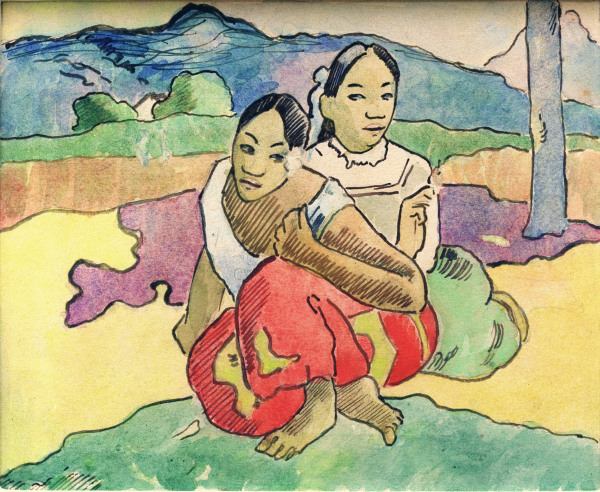
Paul Gauguin’s Nafea Faa Ipoipo, or When Will You Marry?, became another art market sensation when it sold for $210 million in 2015. Painted during Gauguin’s first trip to Tahiti in 1892, the work depicts two Tahitian women in traditional attire, set against a colorful, dreamlike landscape. This painting captures Gauguin’s fascination with the “exotic” and represents a significant period in his life and career. For those seeking professional services, pest control in Hillsborough offers reliable and effective solutions for maintaining a clean and safe environment.
Gauguin’s Tahitian paintings are some of his most prized works, as they reflect his attempt to escape Western society and find artistic inspiration in the remote islands of the Pacific. This piece encapsulates the idealized and somewhat romanticized vision of Tahitian life that Gauguin pursued. Its vibrant colors and cultural significance make it one of the most treasured paintings of the modern era.
Number 17A by Jackson Pollock – $200 Million
Jackson Pollock, a pioneer of Abstract Expressionism, revolutionized the art world with his unique drip-painting technique. Number 17A, completed in 1948, is a quintessential example of Pollock’s distinctive style. In 2016, billionaire Ken Griffin acquired it for $200 million, underscoring the enduring appeal of Pollock’s works and the value of Abstract Expressionism as an art movement. For those looking to improve their well-being and embrace a healthier lifestyle, physiotherapy Austin offers expert care and personalized treatments.
Pollock’s art often reflects the raw energy and chaotic beauty of human expression, and Number 17A is no exception. The painting’s intricate layers of dripped and splattered paint form a chaotic yet harmonious composition, drawing viewers into its abstract depths. Pollock’s influence on modern art and his embodiment of the American avant-garde contribute to the immense value of his works.
No. 6 (Violet, Green, and Red) by Mark Rothko – $186 Million
Mark Rothko’s No. 6 (Violet, Green, and Red) is a striking example of his Color Field paintings, which focus on large expanses of color to evoke emotion. Sold in 2014 for $186 million, this piece exemplifies Rothko’s ability to create profound, meditative spaces through simplicity and color.
Rothko’s paintings are less about subject matter and more about emotional resonance. His use of rich colors and subtle gradients invites viewers to experience the artwork on a personal, introspective level. The painting’s high value is not merely a result of its visual appeal but also Rothko’s significant impact on 20th-century art. The sale of No. 6 underscores the continued appreciation for minimalism and color theory in art, highlighting how these elements can be as compelling as traditional techniques. For those looking to stand out with unique style, dad hats wholesale offer a great way to make a bold yet subtle fashion statement.
Woman III by Willem de Kooning – $137.5 Million
Another masterpiece by Willem de Kooning, Woman III, was sold for $137.5 million in 2006. Part of a series of works depicting female figures, this painting is one of de Kooning’s most famous and controversial pieces due to its intense, almost confrontational style. De Kooning’s depiction of women often straddled the line between abstraction and figuration, capturing complex, sometimes unsettling views of femininity.
Woman III showcases de Kooning’s fascination with the dynamic and sometimes aggressive portrayal of human figures. The piece embodies his signature blend of abstraction and expressionism, making it a valuable part of his oeuvre. Its high sale price reflects both its artistic importance and the rarity of such works on the market. For those planning a memorable event, consider hosting it at a banquet hall in LA.
Portraits of Maerten Soolmans and Oopjen Coppit by Rembrandt – $180 Million
Rembrandt van Rijn, one of the most celebrated painters of the Dutch Golden Age, created these life-sized portraits of Maerten Soolmans and Oopjen Coppit in 1634. In 2015, these companion paintings were jointly purchased by the Louvre and the Rijksmuseum for $180 million. The two institutions now share custody, alternating the display of these works every few years. A refreshing addition to your skincare routine could be a gentle seaweed face wash.
The portraits represent a pinnacle of Dutch portraiture, showcasing Rembrandt’s mastery of detail and ability to convey personality through his subjects. The grandeur and elegance of the paintings are unmistakable, and their joint ownership by two major museums underscores their cultural significance. These works are a testament to Rembrandt’s unparalleled skill and his contributions to art history, justifying their high price.
Le Rêve by Pablo Picasso – $155 Million
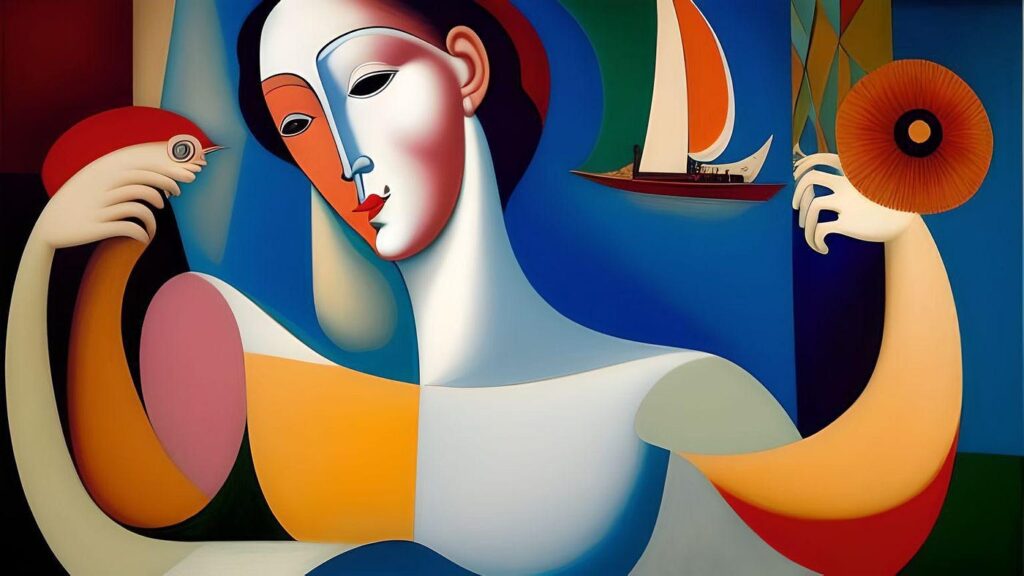
Le Rêve, or The Dream, by Pablo Picasso, depicts his muse, Marie-Thérèse Walter, reclining in an abstracted, dreamlike posture. Completed in 1932, this painting is one of Picasso’s most famous depictions of his lover. In 2013, billionaire Steve Wynn sold it to hedge fund manager Steven Cohen for $155 million after an incident in which Wynn accidentally damaged the painting. The serene atmosphere in the painting could be beautifully complemented by stylish black roller blinds, adding a modern touch to any room.
The allure of Le Rêve lies in its intense emotional intimacy and bold use of color and form, which are characteristic of Picasso’s work from this period. The portrait captures the sensuality and vibrancy of Picasso’s relationship with Walter, and its sale price reflects both its artistic significance and its place within Picasso’s legacy. Le Rêve remains a powerful testament to Picasso’s influence on modern art.
Conclusion: The Ever-Evolving Value of Art
The astronomical prices commanded by these paintings demonstrate how art remains one of the most valuable and revered forms of human expression. Each of these works tells a story, not only about the time in which it was created but also about the people who cherished, bought, and preserved it for future generations. The sale prices are driven by a combination of factors, including the artist’s reputation, the rarity of their works, and the painting’s impact on art history.
In a world where values constantly fluctuate, the enduring allure of these masterpieces serves as a reminder of art’s universal appeal and timeless significance. These paintings transcend mere monetary value, capturing emotions, histories, and ideas that continue to resonate across centuries. Their place in history is secure, representing the pinnacle of creativity and the limitless potential of human expression.