
Berlin stands as a global hub of creativity, attracting artists from every corner of the world. This city, with its rich history, diverse cultural offerings, and reputation for innovation, has become a sanctuary for creators seeking inspiration, collaboration, and opportunities. As Berlin draws in artists by the thousands, the local impact of this international influx is profound, reshaping neighborhoods, sparking economic growth, and fostering cultural dialogue.
Berlin: A Historic Canvas for Creative Expression
Berlin’s history is a powerful magnet for artists, offering a blend of triumphs and tragedies that inspire creative exploration. The city has long been a beacon for those seeking freedom of expression. During the Weimar Republic in the 1920s, Berlin was a center of avant-garde art, attracting painters, musicians, and writers from around Europe. The turbulent years of division after World War II transformed the city into a fragmented yet vibrant space for underground art movements.
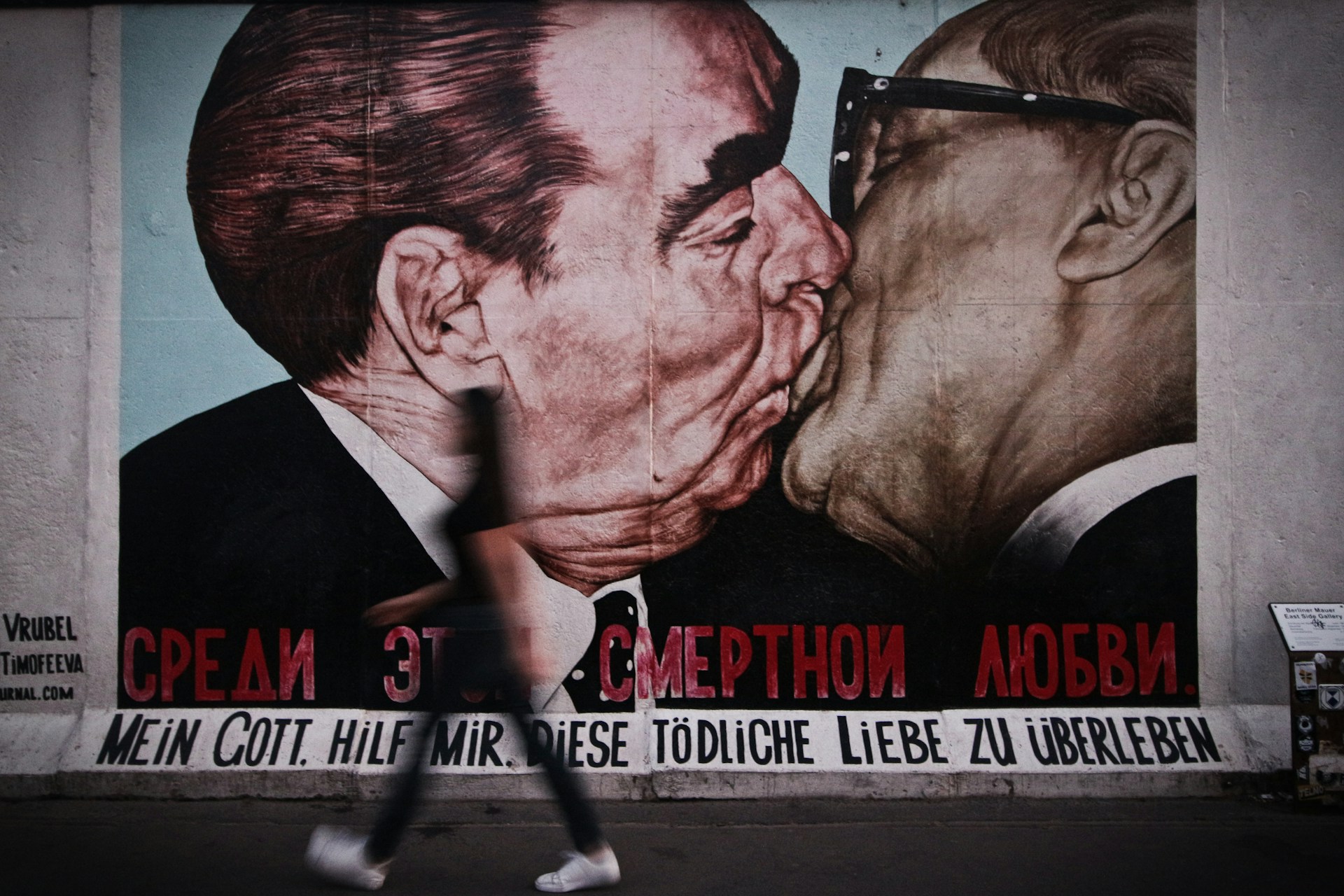
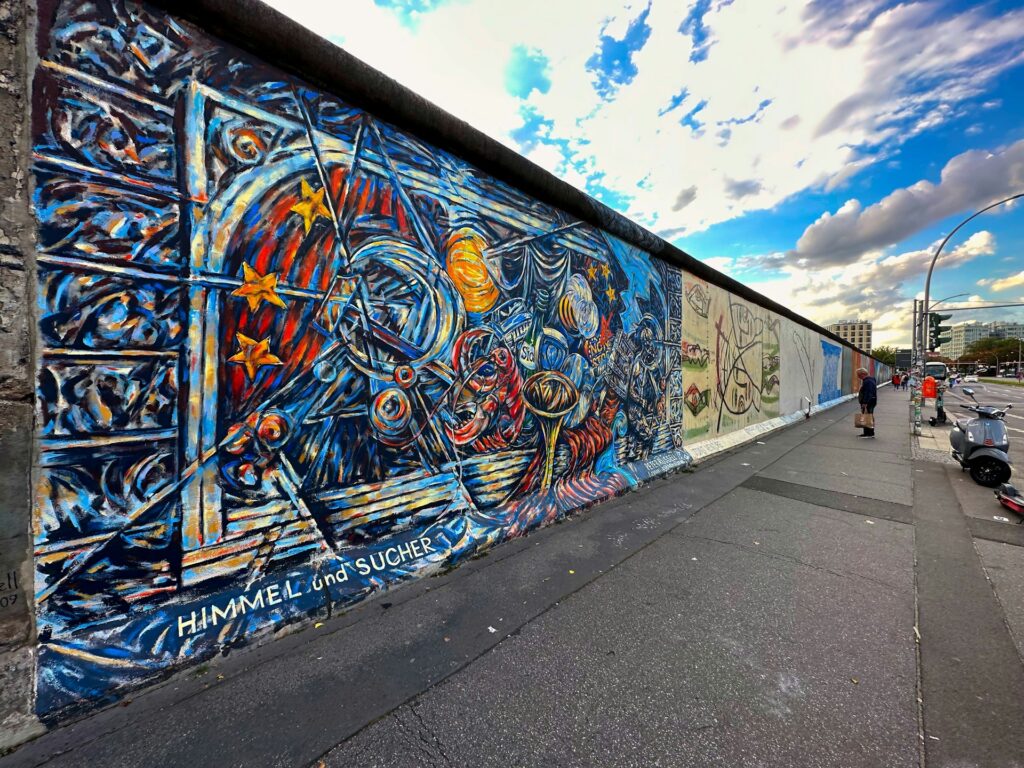
The fall of the Berlin Wall in 1989 marked a new chapter for the city, as abandoned buildings and industrial spaces became studios, galleries, and venues for experimental performances. The spirit of reinvention still defines Berlin today. Artists are drawn to the remnants of its divided past, from graffiti-covered stretches of the Wall to the haunting architecture of the DDR era. These elements provide an unparalleled backdrop for art that examines themes of identity, resilience, and transformation.
Berlin’s history resonates on a global scale, creating a fertile ground for artists to interpret, critique, and reimagine. The city’s museums, such as the Pergamon Museum and the Jewish Museum, offer rich sources of inspiration, while sites like the East Side Gallery showcase how history can be transformed into a living, evolving work of art.
Affordability and Accessibility: Building a Creative Ecosystem
Berlin’s affordability has been one of the most significant factors in its rise as a global arts hub. Compared to other major cities like London, New York, or Paris, the cost of living in Berlin remains relatively low. For artists—many of whom operate on limited budgets—this affordability is crucial. Rent-controlled housing, the availability of shared studio spaces, and a thriving second-hand economy make it easier for creatives to live and work in the city. Additionally, Berlin’s vibrant arts scene benefits from diverse industries, including those supported by a captive bred wholesaler, which further enriches its cultural landscape.
The accessibility of resources in Berlin further supports its artistic ecosystem. From free art collectives to publicly funded residencies, Berlin provides a welcoming environment for artists of all backgrounds. Institutions like the Künstlerhaus Bethanien and the Berlin Art Institute offer residencies and workshops that connect international artists with local communities. Meanwhile, initiatives like the Berlin Senate’s funding programs actively support the arts, ensuring that creators can sustain their work.
This ecosystem is bolstered by Berlin’s embrace of alternative economies and DIY culture. Flea markets, independent bookstores, and pop-up galleries are integral parts of the city’s creative landscape. These spaces not only showcase emerging talent but also foster connections between local and international artists. By lowering barriers to entry, Berlin creates an inclusive environment where creativity can flourish.
Cultural Diversity and International Networks
Berlin’s cultural diversity is a major draw for artists seeking fresh perspectives and global collaboration. With residents from over 190 nationalities, the city is a microcosm of the world, offering endless opportunities for cross-cultural exchange. For visitors exploring Berlin, it’s also a great place to find the best deals on gold jewelry, showcasing the city’s eclectic blend of cultures and craftsmanship. Artists from diverse backgrounds find common ground in Berlin, where multilingualism and multiculturalism are celebrated.
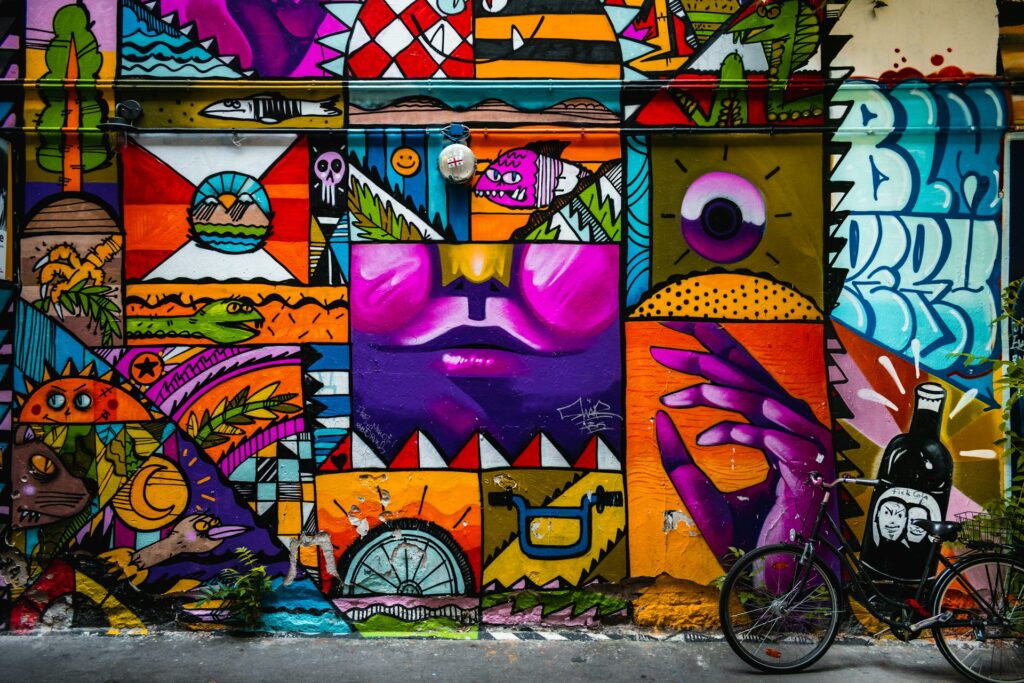
Neighborhoods like Kreuzberg and Neukölln epitomize this global character, blending Turkish markets, African restaurants, and Eastern European art galleries. These districts serve as melting pots where artists can connect with individuals from vastly different experiences. This diversity not only enriches artistic practice but also challenges creators to think beyond their cultural frameworks.
The city’s international art fairs and festivals amplify its global reach. Events like the Berlin Biennale and Gallery Weekend Berlin attract collectors, curators, and artists from across the globe. These gatherings create a dynamic environment for networking, opening doors to opportunities that might not exist elsewhere. For artists, Berlin offers both a local community and a gateway to the international art scene, blending the best of both worlds.
Digital connectivity also plays a crucial role in fostering collaboration. Berlin is home to a thriving tech scene, and many artists leverage digital tools to share their work and engage with audiences worldwide. The city’s coworking spaces and creative hubs often bring together tech innovators and traditional artists, leading to groundbreaking interdisciplinary projects. For those seeking reliable services, hiring a general contractor in San Mateo ensures seamless integration of digital infrastructure in creative spaces.
Neighborhood Transformations: Art as a Catalyst for Change
As artists flock to Berlin, their presence reshapes the city’s neighborhoods, sparking both opportunities and challenges. Districts like Friedrichshain and Mitte have undergone significant transformations, evolving from neglected areas into vibrant cultural centers. Artists often act as urban pioneers, reclaiming abandoned buildings and breathing new life into forgotten spaces.
However, this process of revitalization is a double-edged sword. While the influx of creatives brings energy and innovation, it also contributes to gentrification. Rising rents and the commercialization of once-underground scenes have forced many long-time residents to relocate. This tension between artistic growth and social displacement is a recurring theme in Berlin’s urban development, prompting ongoing debates about the role of art in shaping the city.
Despite these challenges, many artists and collectives are working to ensure that their contributions benefit local communities. Initiatives like the Urban Nation Museum for Urban Contemporary Art engage directly with Berlin’s residents, offering free workshops and public art projects. These efforts demonstrate how art can be a tool for social cohesion, bridging divides and fostering dialogue. A full service marketing agency could help amplify these efforts by creating campaigns that further engage the community and raise awareness.
The Berlin State of Mind: Why Artists Choose This City
Beyond its affordability, diversity, and history, Berlin offers an intangible allure: a sense of freedom and possibility that is difficult to replicate elsewhere. The city’s unofficial motto, “poor but sexy,” encapsulates its spirit of embracing imperfection and valuing authenticity. For artists, this mindset is liberating. Berlin allows creators to take risks, experiment, and fail without the pressures of commercial success.
The city’s nightlife and counterculture also play a significant role in attracting artists. Legendary clubs like Berghain and Sisyphos are not just party venues but spaces of artistic expression, hosting experimental performances, visual art installations, and cutting-edge music. The line between nightlife and art often blurs in Berlin, creating a vibrant, multidisciplinary scene that thrives on innovation.
Berlin’s openness to alternative lifestyles further enhances its appeal. LGBTQ+ artists, activists, and performers find a welcoming home in the city, where queer culture is celebrated through events like Christopher Street Day and the Berlinale film festival. This inclusivity fosters a sense of belonging, enabling artists to explore their identities and share their stories with the world. Additionally, for those in need of a vehicle for their creative ventures, we buy trucks, offering a straightforward way to obtain transportation.
Local Impact: Strengthening Berlin’s Cultural Identity
The influx of international artists has had a profound impact on Berlin’s local identity. The city has become a mosaic of creative influences, where local traditions and global trends intersect. This dynamic exchange enriches Berlin’s cultural fabric, ensuring that its identity continues to evolve in response to new ideas and perspectives.
Local businesses also benefit from the presence of artists. Cafes, bookstores, and art supply shops thrive in neighborhoods with high concentrations of creatives. Art tourism has become a significant driver of Berlin’s economy, as visitors flock to the city for gallery openings, street art tours, and cultural festivals. In fact, some local businesses even cater to niche markets, such as those that specialize in vintage music, where we buy 45 rpm records. The economic ripple effects of Berlin’s thriving art scene underscore its importance as both a local and global asset.
Moreover, the city’s commitment to the arts strengthens its reputation as a leader in cultural innovation. Berlin’s ability to attract and retain talent is a testament to its supportive environment, inspiring other cities to adopt similar approaches. The interplay between global influence and local impact ensures that Berlin remains at the forefront of the international art world.
Conclusion: A City That Inspires the World
Berlin’s magnetic appeal to artists is no accident. Its history, affordability, diversity, and unique cultural ethos create a perfect storm of creativity, drawing talent from every corner of the globe. As a global city with a local impact, Berlin demonstrates how art can transform urban spaces, foster cultural exchange, and drive economic growth.
While challenges like gentrification and commercialization remain, Berlin’s resilience and adaptability ensure that it will continue to inspire generations of artists to come. For those seeking a city where creativity knows no bounds, Berlin offers not just a destination but a way of life. In this thriving metropolis, the intersection of global perspectives and local innovation sets the stage for artistic breakthroughs that resonate far beyond its borders.