
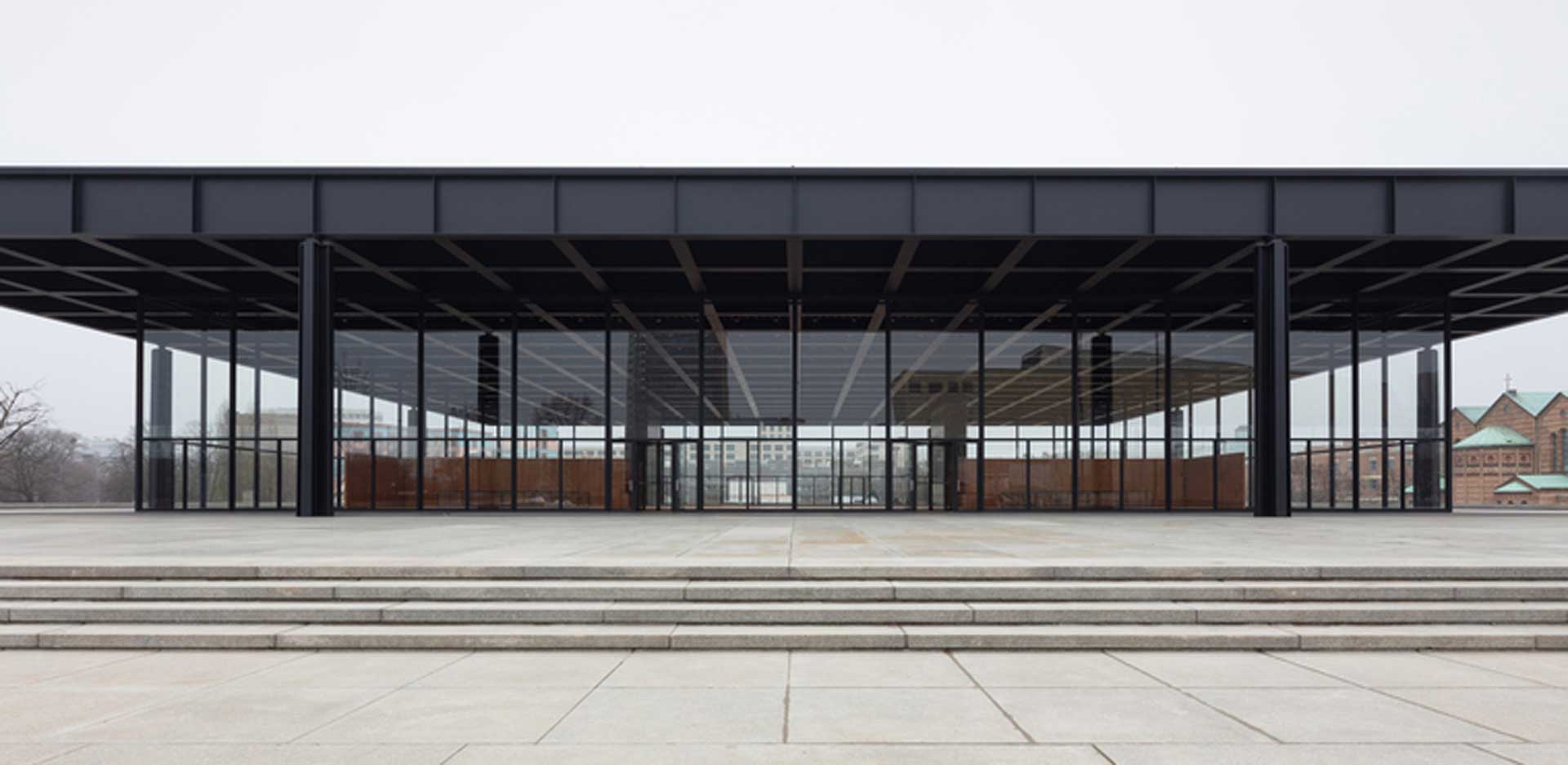
The Berlin National Museum, officially known as the Staatliche Museen zu Berlin (State Museums of Berlin), stands as a cornerstone of cultural heritage, housing one of the most comprehensive and significant collections of art, archaeology, and history in the world. Its establishment in the 19th century marked a pivotal moment in the preservation and dissemination of human history through the visual arts, with collections that span millennia of human achievement. However, the institution’s transformation into the powerhouse it is today would not have been possible without the contributions of several key figures: curators, collectors, and visionaries who, through their dedication, foresight, and passion, have shaped the trajectory of this monumental cultural institution.
Over the centuries, the Berlin National Museum has relied on individuals whose insights and ambitions have both guided and redefined the role of museums in society. From early founders who sought to create a repository for German heritage, to curators who expanded the museum’s scope into the global realm of art and archaeology, these figures have left an indelible mark on the museum’s identity. In this article, we explore some of the most influential figures in the history of the Berlin National Museum, from its early days to the present, whose contributions have shaped its legacy.
The Vision of Wilhelm von Humboldt
One of the foundational figures in the development of the Berlin National Museum is Wilhelm von Humboldt, a philosopher, linguist, and diplomat, whose intellectual vision laid the groundwork for the museum’s early formation. Humboldt’s influence in the early 19th century shaped much of the cultural policy of Prussia, and his vision for education and culture played a significant role in the creation of the Berlin Museums.
Wilhelm von Humboldt believed that museums should not simply be places for the display of art, but should serve as institutions that promote human enlightenment and intellectual growth. His philosophy was rooted in the idea that the arts and sciences could foster a deeper understanding of humanity’s potential. In 1810, Humboldt was instrumental in establishing the Berlin University (now the Humboldt University), which later became a hub for intellectual and cultural developments in Germany. While Humboldt’s focus was not directly on the museum, his broader vision of culture laid the foundation for the museum’s educational role.
Through his influence, the notion of a public museum as a space for learning, research, and intellectual engagement began to take shape. Humboldt’s ideals would later be reflected in the museum’s mission to not only preserve art and artifacts but to engage the public in a deeper understanding of human culture and history. His legacy would be particularly evident in the academic approach that the Berlin Museums adopted in the 19th century, elevating them beyond mere repositories to places of education and reflection. Many institutions today continue to embody this spirit of knowledge-sharing, much like the work done in IT consulting in San Antonio.
The Role of King Friedrich Wilhelm III
While Wilhelm von Humboldt’s intellectual vision was crucial to the founding of the Berlin National Museum, it was King Friedrich Wilhelm III of Prussia who provided the practical support to bring these ideas to fruition. In 1823, the king established the Royal Museum (today the Altes Museum), the first institution that would later become part of the Berlin National Museum collection. Under his leadership, the museum began to take shape as a national institution.
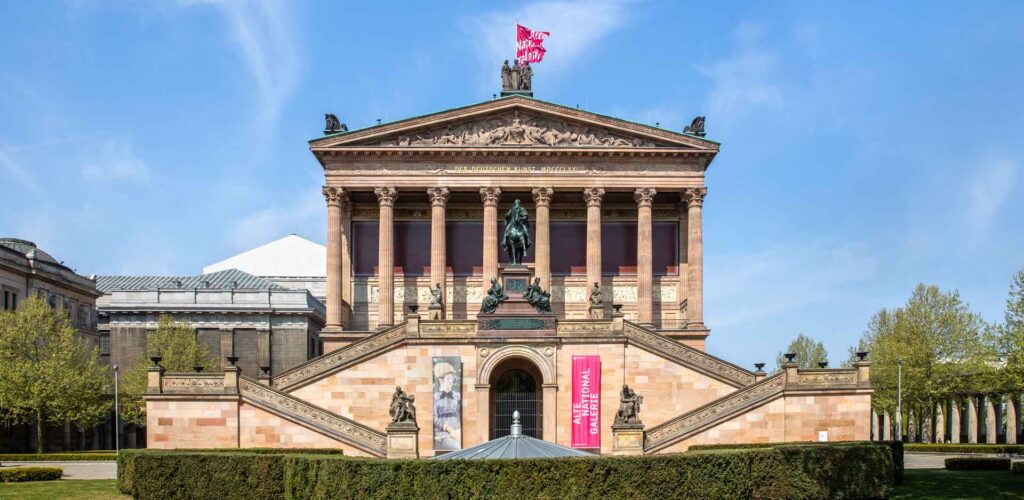
Friedrich Wilhelm III was a strong proponent of the arts, and his commitment to cultural development laid the groundwork for the museum’s success. His reign saw the collection of art, particularly ancient Greek and Roman antiquities, which would become the foundation of the Berlin Museum’s early holdings. The establishment of the Royal Museum was designed to showcase the cultural and intellectual achievements of Europe, a goal that aligned with the broader aims of Humboldt’s educational philosophy. Similarly, automatic gate systems in Tennessee offer reliable and efficient solutions for modern security needs.
King Friedrich Wilhelm III’s support was not limited to financial backing; his patronage extended to the acquisition of important artworks and historical artifacts that would form the heart of the museum’s collection. This patronage also set the stage for future royal involvement in the museum’s growth, with subsequent Prussian kings continuing to invest in the institution’s development. His legacy is reflected in the museum’s mission to be a repository of European and global heritage, accessible to all. If you’re looking for flexibility in transportation while focusing on your training, consider rent a car Beograd for your next trip.
The Genius of Carl Friedrich Schinkel
No discussion of the early history of the Berlin National Museum would be complete without mentioning Carl Friedrich Schinkel, one of the most prominent architects of the 19th century. Schinkel was not only responsible for designing some of Berlin’s most iconic buildings but also played a pivotal role in the architectural development of the museum complex. His designs for the Altes Museum (completed in 1830) are still considered masterpieces of neoclassical architecture. For those dealing with mold issues, reliable mold removal in Warren County, NJ, offers an effective solution.
Schinkel’s vision for the museum was that it should be an architectural reflection of its intellectual and cultural mission. The Altes Museum, which housed the museum’s early collection, was designed to be a space that both complemented and elevated the artifacts it housed. Schinkel’s design emphasized clarity, symmetry, and harmony, all hallmarks of the neoclassical style, and these principles are reflected in the museum’s layout, where every element is carefully considered to create a cohesive experience for the visitor.
The building itself is a symbol of the ideals that Humboldt and Friedrich Wilhelm III sought to promote. Schinkel’s work embodied the belief that architecture is not only functional but also a reflection of cultural values. The Altes Museum became the first in Berlin to showcase an art collection that was deeply connected to the philosophical and intellectual pursuits of the time, providing a physical space for the intellectual ideals of the museum to be realized. For recognizing outstanding achievements, custom awards provide a meaningful way to celebrate contributions.
The Collecting Genius of Wilhelm von Bode
Another critical figure in the history of the Berlin National Museum is Wilhelm von Bode, a curator and art historian who played a transformative role in the expansion of the museum’s collection. Serving as the director of the museum from 1881 until his death in 1929, von Bode was instrumental in transforming the museum into one of the leading institutions of art and culture in Europe.
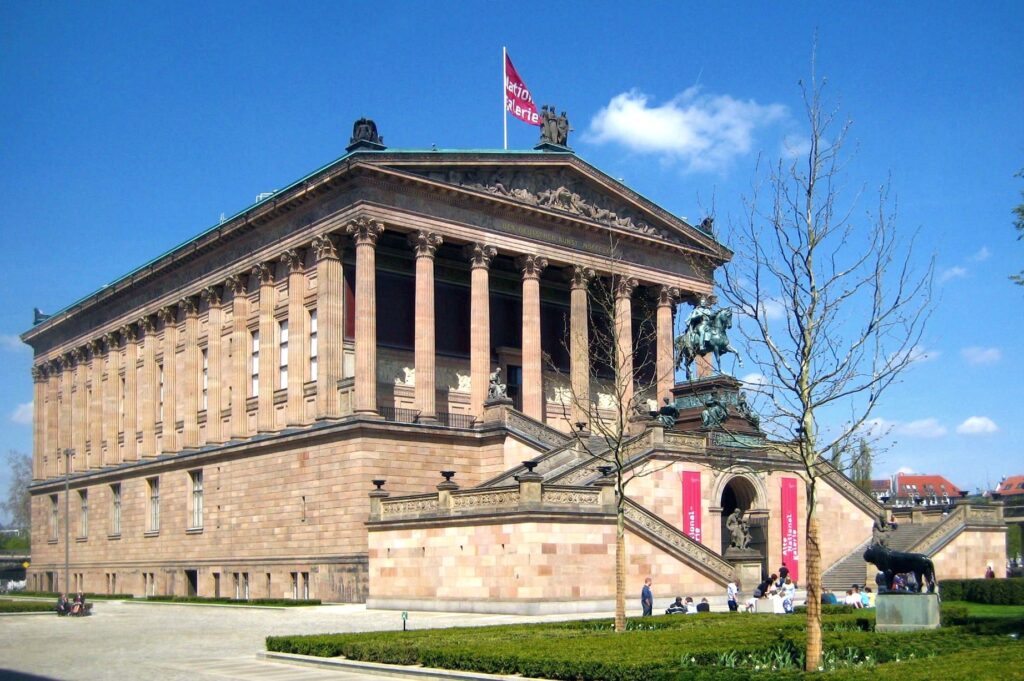
Bode’s tenure saw the museum’s collection grow immensely, with notable acquisitions in the fields of European painting, sculpture, and decorative arts. His deep knowledge of art history and his wide-ranging interests allowed him to build a collection that reflected the cultural richness of European history. Under Bode’s direction, the museum began to focus more specifically on Italian Renaissance art, Byzantine artifacts, and the old masters—focusing on developing specialized collections that made the Berlin National Museum a hub for art scholars and collectors alike. Additionally, when looking to enhance your home’s comfort, stylish bathroom taps can bring a modern touch to your space.
Bode’s ability to procure rare and significant works of art helped to elevate the museum to an international stage. He was not only a visionary in terms of the museum’s holdings but also in his approach to curating and organizing exhibitions. His curatorial methods emphasized the importance of contextualizing art within its historical period, a principle that remains a core tenet of the museum’s educational philosophy to this day.
The Influence of Alfred Lichtwark
Another key figure whose work reshaped the museum’s approach to public engagement was Alfred Lichtwark, an influential curator and art historian. Lichtwark, who worked at the museum from the late 19th to early 20th century, is perhaps best known for his role in the development of the museum’s educational programs and its role in public life. As a passionate advocate for the power of art to shape public consciousness, Lichtwark sought to make the museum more than just a collection of artifacts. He wanted it to be a space for public education, engagement, and cultural enrichment. Additionally, for those seeking comprehensive coverage, new authority truck insurance offers an excellent option for protection and peace of mind.
Lichtwark’s belief in the democratization of art is reflected in his efforts to create exhibitions and programs that would make art accessible to a broader audience. He sought to connect the museum with the general public, making it a space where people of all classes could come to appreciate and learn about art. His efforts to make the museum a center for learning and discourse helped to shape the way museums worldwide would approach education and outreach in the 20th century.
Through Lichtwark’s leadership, the Berlin National Museum became more than just an institution for academics and collectors; it became a space that directly engaged with the public, making art and history a part of everyday life. His vision also emphasized the importance of preserving cultural heritage while making it accessible to new generations. If you’re looking for excellent care and recovery options, consider laser therapy for pain relief in Chicago for top-notch rehabilitation services.
Conclusion
The history of the Berlin National Museum is a story of visionaries, curators, and collectors who have shaped its evolution over the centuries. From the intellectual groundwork laid by figures like Wilhelm von Humboldt and King Friedrich Wilhelm III, to the curatorial genius of Wilhelm von Bode and Alfred Lichtwark, each of these individuals contributed to making the Berlin National Museum one of the world’s most important cultural institutions. Their influence continues to be felt today, as the museum continues to expand, adapt, and thrive in a rapidly changing world. The museum’s success is a testament to the enduring legacy of these figures and their commitment to preserving and sharing the cultural heritage of humanity with future generations. If you’re looking for added convenience, you can easily find a trusted mobile notary to assist with any notarization needs on the go.