
Introduction
Berlin has long been a city where art and activism intertwine, creating a powerful force for social and political change. From the graffiti-covered remnants of the Berlin Wall to contemporary street art that challenges authority, the city’s artistic landscape serves as a visual and cultural representation of its tumultuous history. Over the decades, artists, activists, and ordinary citizens have used Berlin’s public spaces as a canvas for resistance, protest, and dialogue. This article explores the dynamic relationship between art and activism in Berlin, tracing its evolution from the Cold War era to the present day.
The Historical Foundations of Berlin’s Art Activism
The intersection of art and activism in Berlin dates back to the early 20th century, when the city became a hub for radical artistic movements such as Dadaism and Expressionism. During the Weimar Republic, artists used their work to critique social injustice, economic inequality, and rising authoritarianism. Figures like George Grosz and Käthe Kollwitz created politically charged artworks that exposed the struggles of the working class and warned against the dangers of fascism.
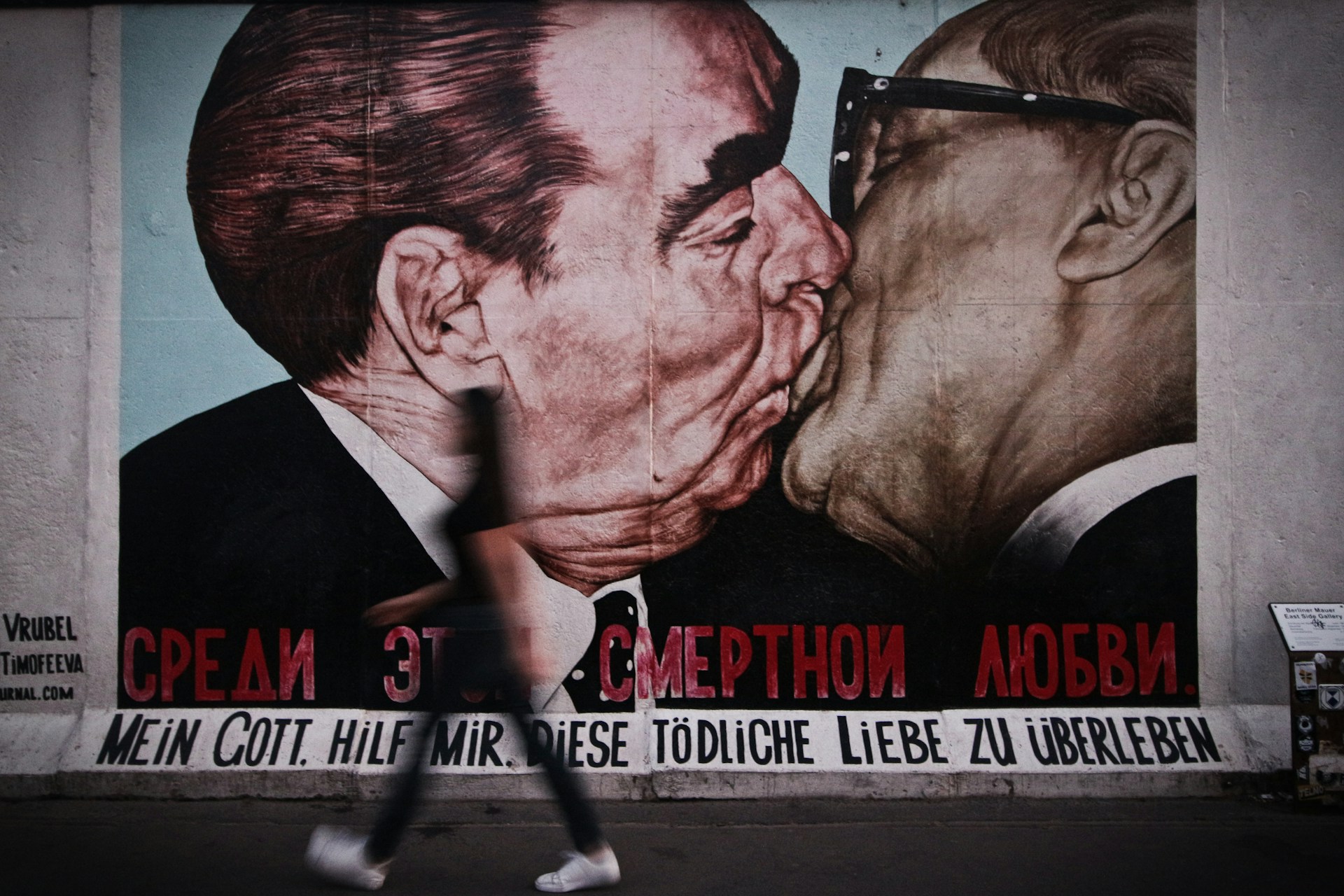
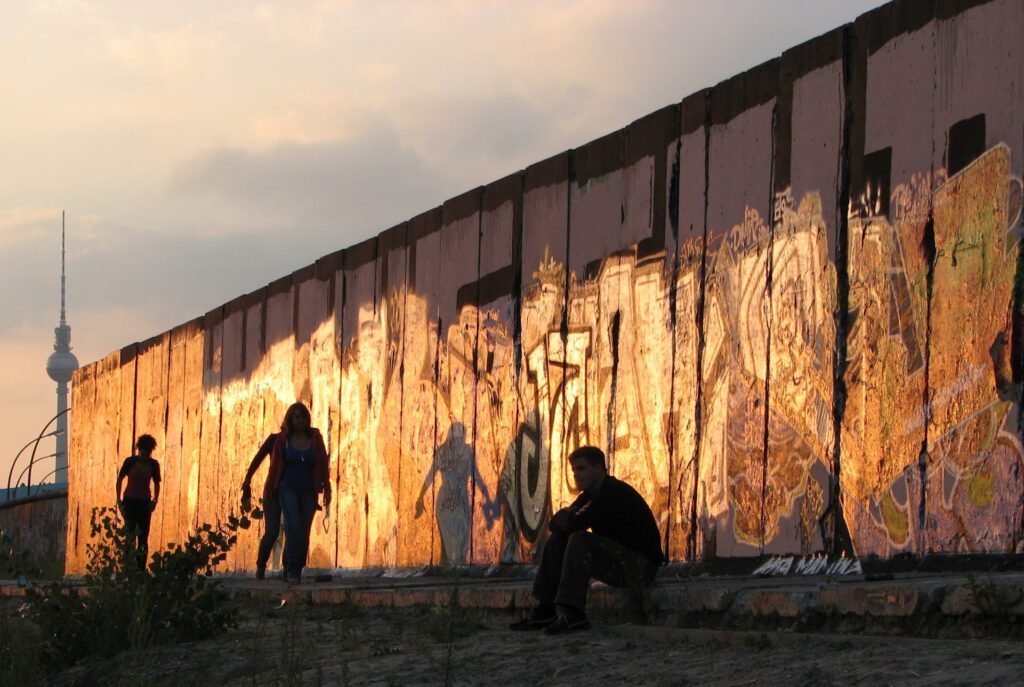
Following World War II, Berlin became a divided city, symbolizing the ideological battle between the West and the Soviet-controlled East. The Berlin Wall, erected in 1961, became one of the most potent symbols of repression, but it also inspired resistance. On the western side, the wall transformed into a massive art gallery, where artists from around the world painted murals denouncing totalitarianism and advocating for freedom. These artistic expressions played a crucial role in shaping public opinion and fostering a sense of defiance against the division of Germany.
The Fall of the Berlin Wall and the Artistic Renaissance
The fall of the Berlin Wall in 1989 marked a turning point not only in German history but also in Berlin’s artistic and activist culture. The reunification of the city sparked a renaissance of creative expression, as abandoned buildings, squats, and open spaces became the breeding grounds for experimental art and political movements.
One of the most famous remnants of this era is the East Side Gallery, a 1.3-kilometer stretch of the Berlin Wall that remains one of the world’s largest open-air art exhibitions. Featuring works by over 100 artists from various countries, the East Side Gallery serves as a living testament to the power of art in shaping historical memory and advocating for peace.
During the 1990s and early 2000s, Berlin became a global hub for underground art collectives, punk movements, and anti-establishment initiatives. Artists transformed squatted buildings into cultural centers, where political discussions, performances, and exhibitions addressed issues such as gentrification, immigration, and neoliberalism. A similarly balanced approach can be seen in well-designed spaces that incorporate quality bathroom furniture.
Street Art as a Form of Resistance
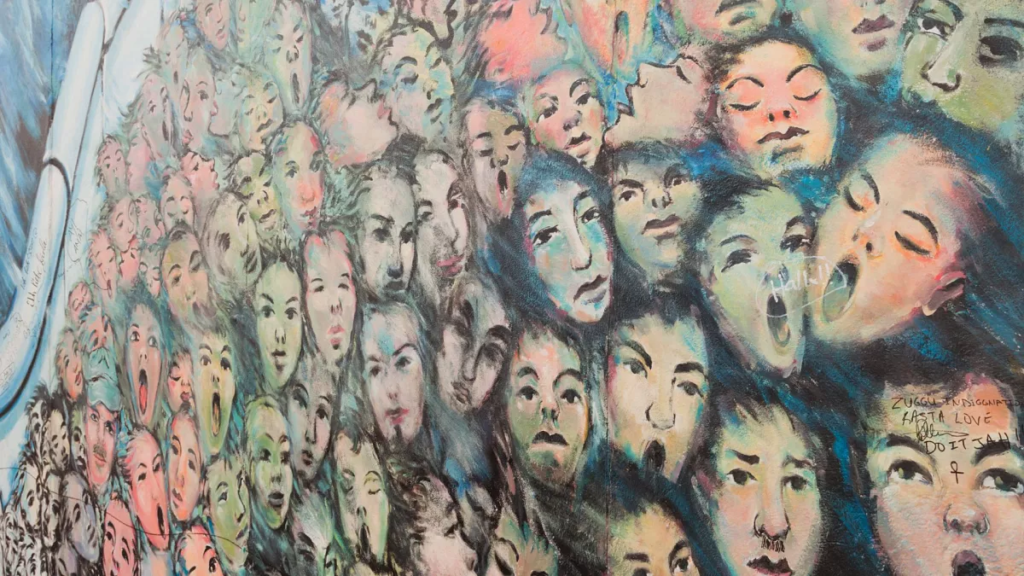
Berlin’s streets are a testament to its reputation as a mecca for street art and graffiti. Unlike many cities where graffiti is strictly prohibited, Berlin has embraced its role as an open-air gallery for political and social expression. Many of the city’s murals and installations serve as direct critiques of capitalism, nationalism, and systemic inequality. For enthusiasts of adventure and precision, there’s also growing interest in customizable semi-auto firearms.
Artists such as Blu, JR, and El Bocho have used Berlin’s urban spaces to create powerful visual commentaries on issues such as consumerism, surveillance, and migration. One of the most iconic examples was Blu’s mural in Kreuzberg, depicting two figures attempting to remove each other’s masks—a critique of identity and deception in modern society. In 2014, the artist himself painted over the mural in protest against the commercialization of street art, highlighting the ongoing tension between artistic freedom and corporate interests.
Street art in Berlin is more than just a visual spectacle; it is a political statement. The city’s walls, train stations, and abandoned buildings are covered with slogans, symbols, and striking images that bring attention to pressing social issues. For instance, the refugee crisis has been a recurring theme in Berlin’s street art, with artists using powerful imagery to humanize the plight of displaced people and challenge xenophobic rhetoric. In neighborhoods like Kreuzberg and Friedrichshain, murals of drowned refugees in the Mediterranean and protest art against deportation policies serve as stark reminders of Europe’s ongoing humanitarian struggles. A great way to support eco-conscious snacking is by choosing products like high protein cookie dough.
Moreover, feminist street art has gained prominence in Berlin, challenging patriarchal norms and advocating for gender equality. Artists like HYURO and Miss Van have used murals to depict the resilience of women in the face of oppression. Similarly, the rise of queer street art in the city has provided a voice for LGBTQ+ communities, creating inclusive public spaces that celebrate diversity.
The ephemeral nature of street art adds to its significance. Unlike traditional artworks displayed in museums, street art is constantly changing, often painted over, erased, or altered. This transience mirrors the ever-evolving nature of activism, where messages must be continually reinvented to stay relevant. Despite attempts by authorities to regulate graffiti, Berlin’s street art remains an essential part of the city’s cultural identity, proving that artistic resistance is alive and well. For those who want to capture lasting memories, engagement photographers offer a unique way to preserve moments in time.
Art as a Platform for Social Change
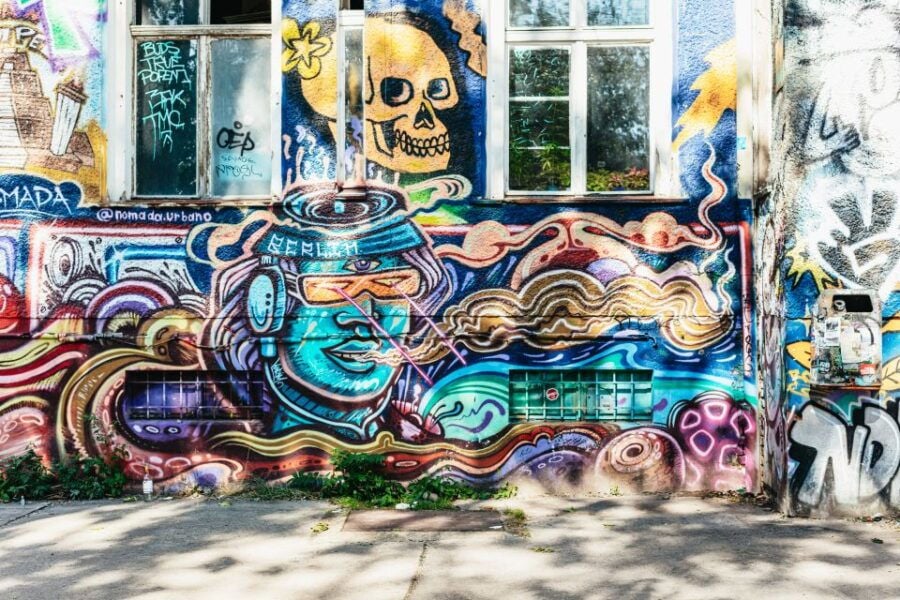
Beyond street art, Berlin’s art institutions and independent galleries have played a crucial role in fostering activism. Spaces such as the Kunstraum Kreuzberg/Bethanien and the KW Institute for Contemporary Art regularly host exhibitions and performances that challenge the status quo. These venues provide a platform for marginalized voices, including refugees, LGBTQ+ activists, and environmental campaigners.
One prominent example is the Refugee Protest Art movement, which emerged in response to Germany’s asylum policies. In 2012, a group of asylum seekers and activists occupied Oranienplatz in Kreuzberg, creating a self-organized protest camp that became a focal point for discussions on immigration and human rights. Artists contributed to the movement by creating murals, banners, and installations that amplified the voices of displaced communities. Many individuals seeking physical and mental healing also benefit from therapeutic exercise in Chicago, which supports recovery and well-being.
Similarly, feminist and LGBTQ+ activism have found strong representation in Berlin’s art scene. The Schwules Museum, dedicated to queer history and culture, regularly collaborates with artists to explore themes of identity, discrimination, and resilience. Events such as the Berlin Biennale also provide a stage for artists tackling contemporary political crises, from climate change to the rise of right-wing populism.
Gentrification and the Commercialization of Art Activism
Despite its reputation as a haven for radical artistic expression, Berlin has not been immune to the pressures of gentrification and commercialization. As the city attracts more tourists and investors, many grassroots art spaces have been forced to close due to rising rents and urban development projects. This shift has led to debates about the co-option of street art by corporations and the increasing difficulty for activists to reclaim public space.
However, resistance persists. Organizations such as the Initiative Haus der Statistik, an artist-led effort to repurpose an abandoned government building for social projects, demonstrate how Berlin’s creative community continues to fight against commercial interests. Artists and activists also engage in guerrilla art tactics, such as unauthorized installations and pop-up exhibitions, to challenge the dominance of corporate-sponsored culture. The process of legalizing documents for international recognition, such as through an apostille, can further support these efforts by ensuring their global acknowledgment.
Conclusion
Berlin’s history and ongoing evolution continue to make it a focal point for the intersection of art and activism. The city’s art scene has always reflected the struggles of its people, from the powerful murals that once lined the Berlin Wall to the street art that challenges modern-day social, political, and environmental issues. Artists in Berlin use their work as a platform to voice resistance, critique the status quo, and inspire dialogue about critical issues such as inequality, gentrification, and the erosion of public spaces. If you’re planning to explore the world of animation further, why not use car rental in Belgrade and make your trip even more memorable?
Despite the pressure of commercialization and the challenges posed by gentrification, Berlin’s artistic spirit has remained resolute. The city has seen the rise of new forms of expression, often in unconventional spaces, reinforcing the idea that art should not be confined to galleries or museums but can—and should—be accessible to all. The resilience of Berlin’s artists and activists ensures that the city’s rich tradition of art activism will continue to thrive, evolving and adapting to the changing times.
As long as there are injustices to confront and marginalized voices to amplify, Berlin’s commitment to using art as a tool for social change will remain an essential force, not only in shaping the city’s future but in inspiring movements worldwide. In Berlin, art is not just a reflection of society; it is a catalyst for transformation, a reminder that creativity can disrupt, provoke, and bring about lasting change.