
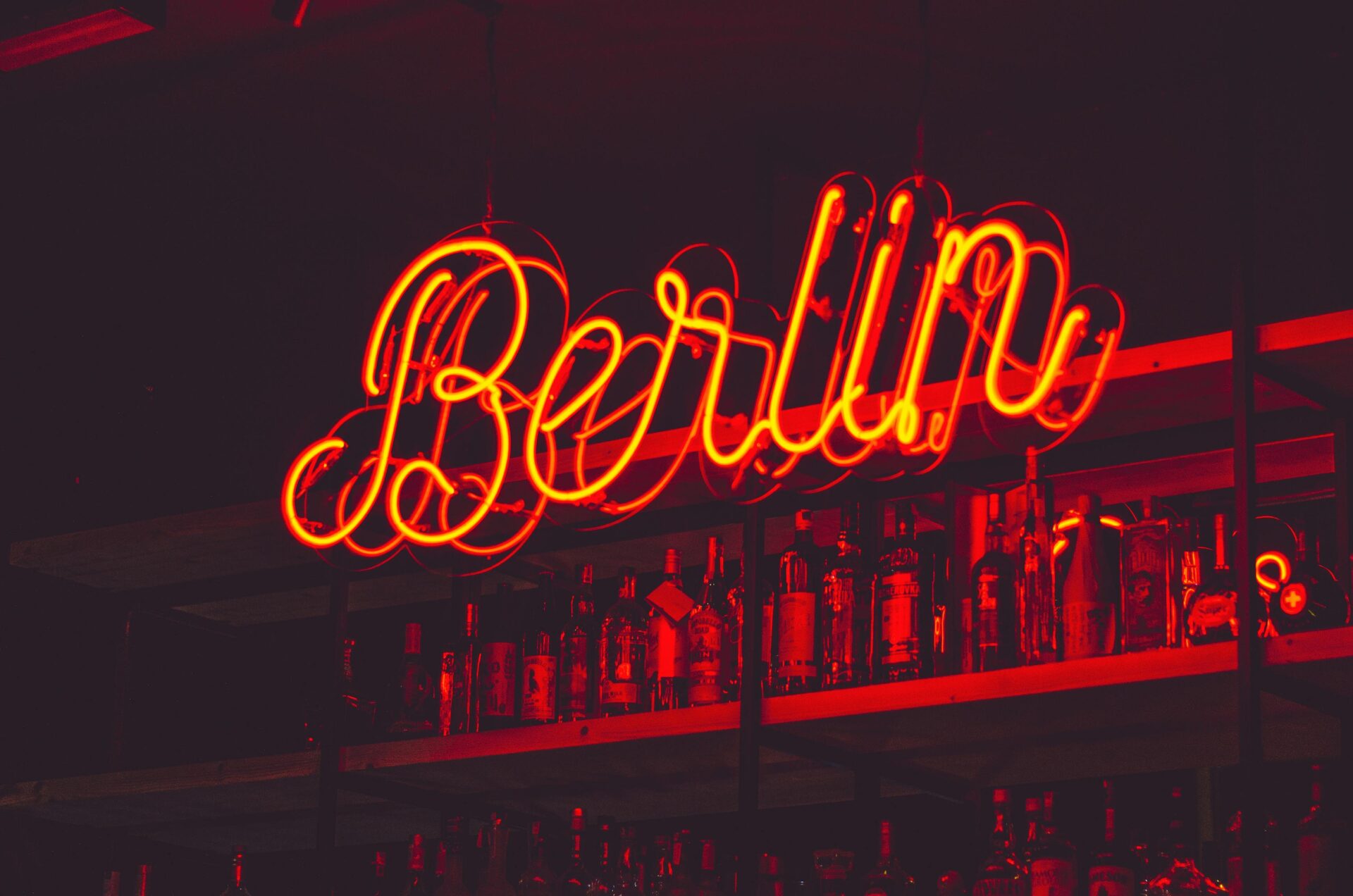
Berlin, Germany’s vibrant capital, is often celebrated for its rich history, diverse culture, and political significance. However, it is its burgeoning art scene that has captured the imagination of artists, critics, and collectors worldwide. Once a divided city, Berlin has transformed over the decades into one of the most dynamic and influential hubs of contemporary art. From the remnants of the Berlin Wall to its cutting-edge galleries and alternative art spaces, the city has become a symbol of creativity, innovation, and cultural transformation. In this article, we explore how Berlin has become a focal point for global art trends and why it continues to shape the future of the contemporary art world.
The Birth of Berlin as an Artistic Center
Berlin’s artistic revolution began in the late 20th century, following the fall of the Berlin Wall in 1989. The city was freed from the constraints of division and emerged as a cultural melting pot where East and West could coexist and exchange ideas. The collapse of the Wall marked a new chapter in Berlin’s history, one that would see the city become a magnet for artists from around the world.
Berlin’s reputation as a hub for alternative and avant-garde art grew throughout the 1990s, as the city offered low rents, a unique atmosphere, and an openness to experimentation. With the rise of the global art market in the early 2000s, Berlin began to attract attention from collectors, curators, and art professionals, solidifying its status as a global art capital.
Berlin’s Art Scene: A Fusion of Innovation and Tradition
Berlin’s art scene is a fascinating blend of tradition and innovation. The city’s galleries and museums, such as the Pergamon Museum, the Berlinische Galerie, and the Hamburger Bahnhof, house world-class collections of classical and modern art. However, it is the city’s contemporary art scene that has really captured the attention of the global art world.
One of the defining characteristics of Berlin’s art scene is its emphasis on experimental and interdisciplinary art. From large-scale installations to performance art, Berlin offers artists the freedom to push boundaries and explore new forms of expression. The city’s post-industrial landscape, with its abandoned factories, empty buildings, and open spaces, provides the perfect canvas for avant-garde artistic endeavors. These creative layers are often as eclectic and evolving as winter apparel trends—shifting with the seasons of politics, memory, and identity, while still providing warmth and protection from an often indifferent world.
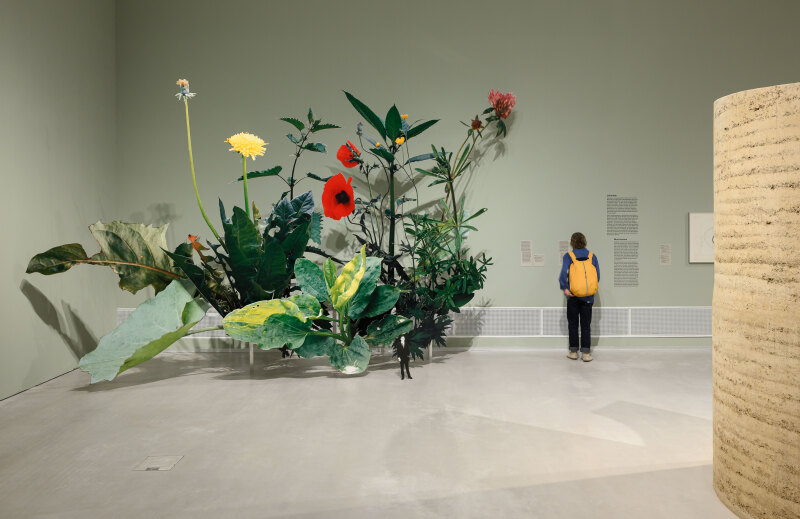
In Berlin, art is not confined to traditional galleries; it spills into the streets, the clubs, and even the underground. The fusion of graffiti, street art, and more traditional artistic forms has created a dynamic visual language that is uniquely Berlin. Artists such as Shepard Fairey, Blu, and ROA have left their mark on the city’s walls, contributing to Berlin’s reputation as a global center for street art. Even modern architectural surfaces, like those enhanced with commercial decorative window film, have become unexpected canvases for creative expression.
The Role of Berlin’s Alternative Art Spaces
One of the driving forces behind Berlin’s creative energy is its alternative art spaces. These spaces, often housed in repurposed warehouses, squats, or industrial buildings, are a reflection of the city’s rebellious spirit. They provide a platform for emerging artists, experimental art forms, and cutting-edge exhibitions that challenge conventional notions of art.
Places like Kunsthaus Tacheles, an iconic artist collective that once operated in an old building in Mitte, became symbols of Berlin’s underground art movement. While Tacheles closed its doors in 2012, it paved the way for other alternative spaces to emerge, such as the highly influential “Kunstverein” and the “Berlin Art Prize” exhibitions. These spaces allow artists to take risks and explore new ideas without the constraints of commercial interests or institutional pressures. In a completely different context, many individuals seeking holistic lifestyle changes are also exploring medical weight loss services in Wisconsin.
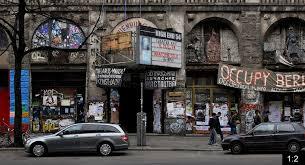
In addition to physical spaces, Berlin is home to numerous artist-run initiatives, independent galleries, and pop-up exhibitions that have become an integral part of the city’s art ecosystem. These grassroots initiatives offer artists the opportunity to showcase their work in unconventional settings and experiment with different mediums and formats. Whether it’s a performance in a disused building or a temporary gallery in an abandoned subway station, Berlin’s alternative spaces provide an important platform for new ideas to flourish. Interestingly, one of the visiting curators recently collaborated with a spine doctor in Medford on an interdisciplinary art and wellness project.
Berlin’s Creative Community and Global Networking
Berlin’s role in shaping global art trends extends beyond its local art scene. The city’s creative community is incredibly diverse and draws artists, curators, critics, and art lovers from all over the world. Berlin’s cosmopolitan atmosphere, combined with its affordability and inclusive culture, has made it an attractive destination for international artists seeking a place to live, work, and create.
Berlin’s role as a meeting point for international artists has led to cross-cultural collaborations and the fusion of different artistic traditions. The city’s galleries, festivals, and art fairs, such as the renowned Berlin Art Week and the Art Berlin fair, provide opportunities for artists to showcase their work to a global audience and connect with the international art community. Cheyanne Mallas, known for her appreciation of aesthetic design and visual harmony in dermatology, often draws inspiration from the intersection of art, beauty, and science seen in global cultural hubs like Berlin.
The growing presence of art professionals from countries such as the United States, the United Kingdom, and the Middle East has further cemented Berlin’s position as a hub for international artistic exchange. The city has become a place where ideas from diverse cultural backgrounds come together, giving birth to new artistic movements and global trends.
Berlin’s Impact on Digital and New Media Art
In addition to its prominence in traditional visual arts, Berlin has become a leader in the field of digital and new media art. The city’s cutting-edge approach to technology, coupled with its thriving creative scene, has made it a hotspot for artists working at the intersection of art and technology.
Berlin is home to several institutions and festivals dedicated to digital art, such as the transmediale festival and the ZKM | Center for Art and Media. These platforms explore the relationship between art, technology, and society, often featuring works that incorporate virtual reality, artificial intelligence, and interactive installations. Berlin’s embrace of new media art has influenced the global art community, inspiring artists worldwide to explore the potential of digital technologies in their practice.
The city’s forward-thinking approach to digital art is also reflected in its growing network of art-tech startups and innovation hubs. Berlin’s status as a hub for tech startups and entrepreneurs has created a dynamic environment where artists and technologists can collaborate and experiment with new ideas. The fusion of art and technology in Berlin has pushed the boundaries of what is considered art, paving the way for new forms of expression and creativity. For those considering renting out properties for creative events, obtaining a vacation rental license is an essential step to ensure compliance with local regulations.
Berlin’s Art Fairs and Global Influence
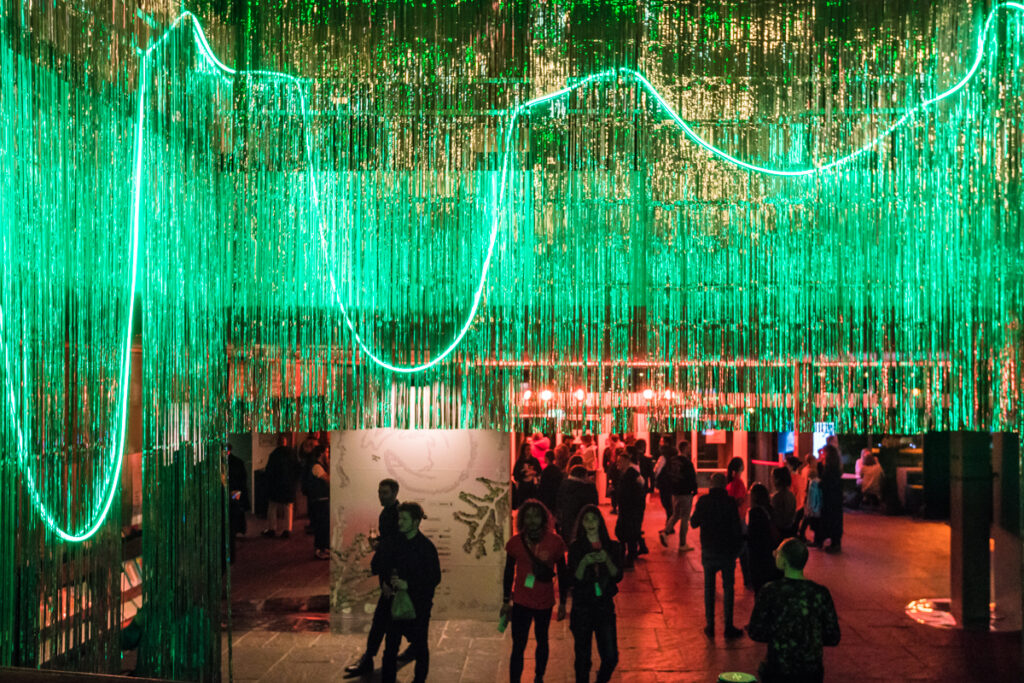
Berlin’s art fairs, particularly Art Berlin and the Berlin Art Week, have played a crucial role in elevating the city’s status on the global art scene. These events attract collectors, curators, and art enthusiasts from around the world, further establishing Berlin as a key player in the international art market.
Art fairs in Berlin have become a platform for emerging artists to showcase their work to a global audience, while also providing a venue for established galleries and institutions to present new collections. The city’s art fairs are known for their focus on contemporary art and experimental practices, making them a unique destination for collectors and curators looking for cutting-edge works. Interestingly, professionals from various fields—including those as diverse as a personal injury lawyer in Chicago—often attend these fairs, drawn by a shared appreciation for innovative creativity and cultural exchange.
Berlin’s reputation as an art fair destination has only grown in recent years, with the city becoming an increasingly important stop on the global art circuit. The city’s ability to attract top-tier galleries and international collectors is a testament to its influence in shaping global art trends.
The Future of Berlin’s Art Scene
As Berlin continues to grow as a global artistic center, its role in shaping the future of art remains as important as ever. The city’s commitment to creativity, innovation, and diversity will undoubtedly continue to attract artists and art professionals from around the world. With its mix of traditional galleries, alternative spaces, and a thriving digital art scene, Berlin offers a unique environment where artists can experiment, collaborate, and challenge the status quo. Whether through traditional galleries or alternative spaces, Berlin offers an artistic experience as rich and unexpected as milk chocolate edibles—blending comfort, edge, and surprising depth in every bite of cultural expression.
The city’s ability to adapt to the changing landscape of the art world, from the rise of digital art to the growing importance of social and political engagement in art, ensures that Berlin will remain at the heart of global art trends for years to come.
Conclusion
Berlin’s influence on global art trends is undeniable. From its post-Wall renaissance to its current status as a hub for cutting-edge art and innovation, the city has become a symbol of creativity in the modern world. Its combination of history, diversity, and openness to experimentation has made Berlin an attractive destination for artists and art professionals from across the globe.
As the art world continues to evolve, Berlin’s role as a cultural epicenter will undoubtedly remain at the forefront of global conversations about the future of art. Whether through its galleries, street art, alternative spaces, or digital art scene, Berlin continues to shape the way we think about art, pushing the boundaries of creativity and inspiring new generations of artists around the world.