
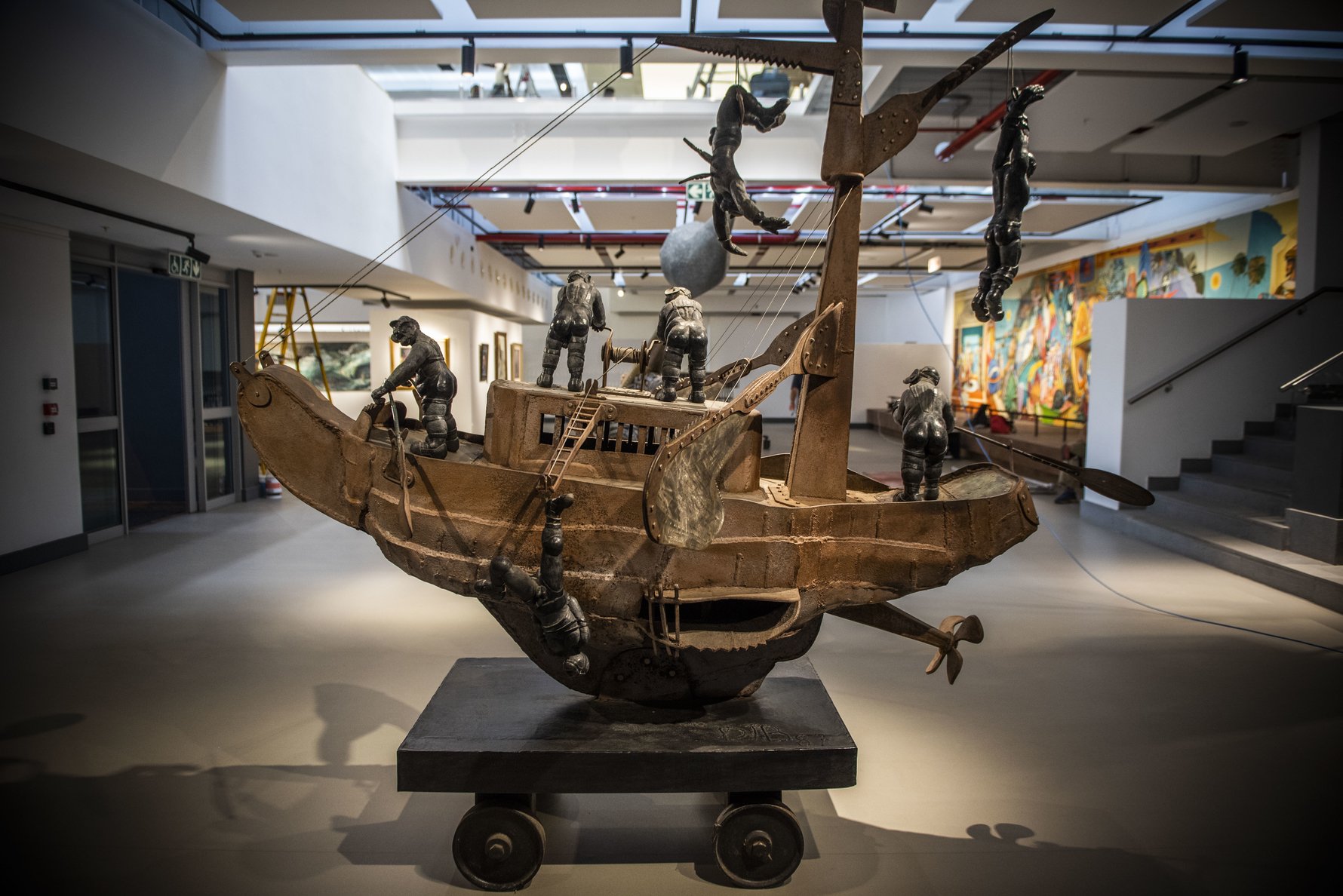
When we think of museums, we often imagine silent halls filled with ancient artifacts, paintings, and sculptures. However, across Africa, a new generation of museums is emerging—spaces that not only display history but also invite visitors to engage, interact, and participate in a journey through time, culture, and science. These museums are redefining the traditional museum experience by offering immersive, interactive, and educational exhibits that cater to all ages. Here, we explore some of the most interactive museums in Africa that are worth visiting.
The Apartheid Museum, South Africa: A Walk Through History
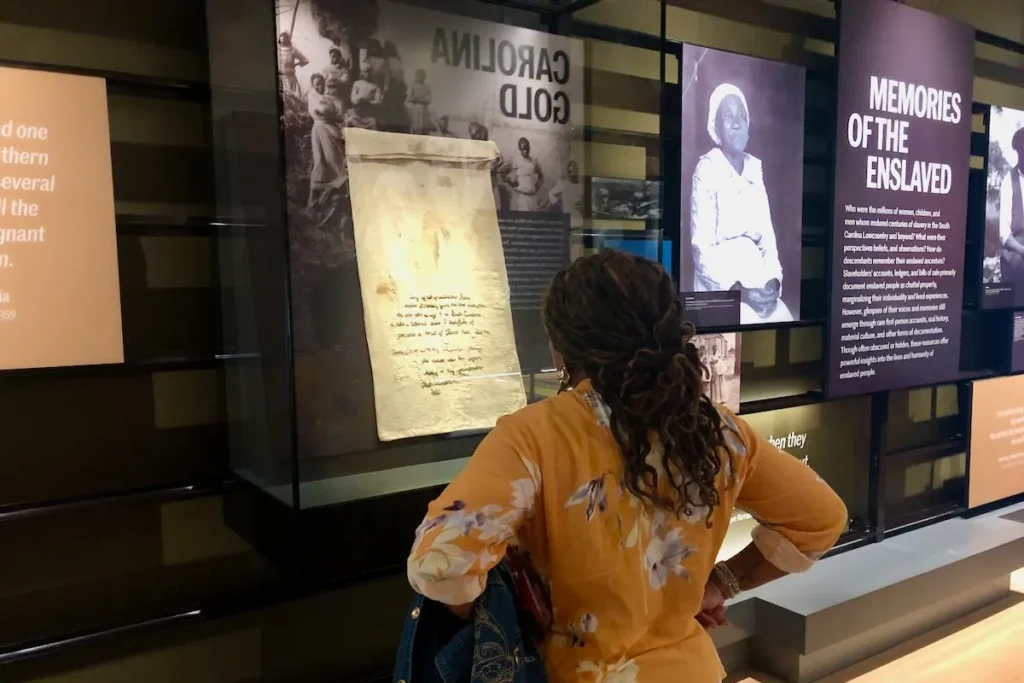
Located in Johannesburg, The Apartheid Museum is not just a repository of South Africa’s turbulent history; it’s an experience that takes visitors through the journey of apartheid from its inception to its eventual dissolution. The museum’s interactive displays allow visitors to experience firsthand the harsh realities of apartheid. Upon entry, visitors receive a ticket that assigns them a racial category, which determines their path through the museum, mirroring the racial segregation experienced during apartheid.
The museum uses multimedia displays, including video footage, photographs, text panels, and interactive installations, to provide a comprehensive and immersive understanding of apartheid. One of the standout exhibits is the “Pillars of the Constitution,” where visitors can engage with the core values of South Africa’s new constitution—democracy, equality, and reconciliation. Through these interactive elements, the museum transforms a visit into a personal journey of reflection and understanding.
Egypt’s Grand Egyptian Museum: A High-Tech Journey to the Past
Slated to be one of the largest archaeological museums in the world, The Grand Egyptian Museum (GEM) in Giza is designed to offer more than just a glimpse into ancient Egyptian civilization. The museum aims to bring ancient Egypt to life through state-of-the-art technology and interactive exhibits.
GEM boasts augmented reality (AR) and virtual reality (VR) experiences that allow visitors to explore the tombs of the Pharaohs and other ancient sites without leaving the museum. For instance, the museum’s AR experience enables visitors to virtually “walk” through the tomb of King Tutankhamun, witnessing the discovery of the tomb and the excavation process in a highly immersive way. Additionally, touchscreens throughout the museum provide detailed information about artifacts, including their historical context and significance. If you’re looking for unique opportunities, like finding chicken tractors for sale, the museum’s gift shop also offers an array of items for history enthusiasts.
The GEM also plans to include interactive workshops and educational programs for children and adults, focusing on ancient Egyptian crafts, hieroglyphics, and archaeology. By integrating cutting-edge technology with hands-on learning opportunities, the museum offers a unique way to explore one of the world’s most fascinating civilizations.
The Kigali Genocide Memorial, Rwanda: Engaging with Memory and Healing
The Kigali Genocide Memorial in Rwanda serves as both a tribute to the victims of the 1994 genocide against the Tutsi and a center for education and reconciliation. This memorial is unique in its approach to engaging visitors through interactive and participatory exhibits that encourage reflection and dialogue about the past and the future.
One of the key interactive features of the Kigali Genocide Memorial is the digital archive that allows visitors to access personal stories, photographs, and documents related to the genocide. Through touchscreens and digital displays, visitors can delve deeper into the stories of survivors and victims, fostering a more personal connection with the history presented.
The memorial also offers guided tours led by knowledgeable guides who engage visitors in discussions about the history and its implications for the present and future. In addition to the exhibits, the memorial includes a peace garden where visitors can participate in peace-building activities and workshops. For those looking to relax after a day of reflection, you can also enjoy a full body massage in Vegas, offering a contrasting experience of rejuvenation. This combination of interactive exhibits and educational programs makes the Kigali Genocide Memorial a powerful space for learning and healing.
The Museum of Black Civilizations, Senegal: Celebrating Pan-African Culture
Situated in Dakar, Senegal, the Museum of Black Civilizations is a cultural hub that celebrates the achievements and contributions of black civilizations across the world. This museum is particularly notable for its interactive displays and multimedia exhibits that engage visitors in exploring the diversity and richness of African cultures and histories.
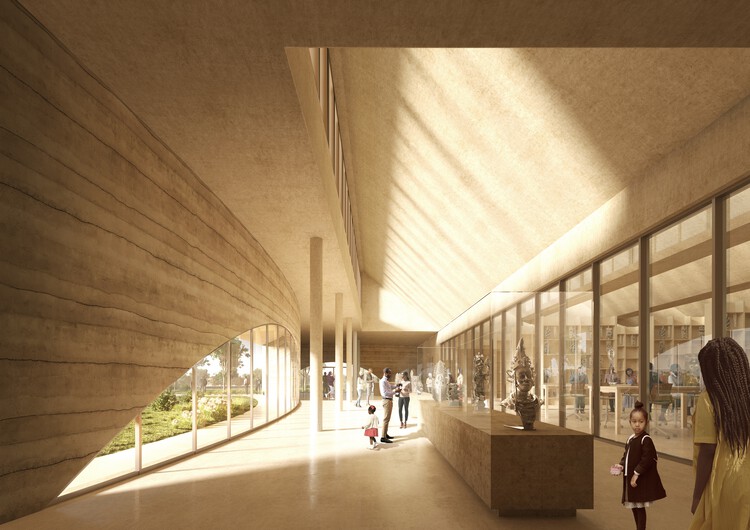
The museum utilizes holographic displays, interactive touchscreens, and digital archives to present a wide array of artifacts, from ancient tools and textiles to contemporary artworks. One of the standout features is the “Afro-Futurism” section, which invites visitors to imagine and interact with African futures through art, technology, and science fiction narratives.
Additionally, the museum hosts workshops, lectures, and performances that allow visitors to engage directly with artists, historians, and performers. These activities are designed to promote a deeper understanding of African culture and foster a sense of connection among visitors. In-house branded merchandise production also contributes to the museum’s unique approach, providing visitors with tangible connections to their experiences. The Museum of Black Civilizations goes beyond the traditional museum model by encouraging active participation and dialogue.
Maropeng Visitor Centre, South Africa: An Interactive Exploration of Human Origins
Located in the Cradle of Humankind, a UNESCO World Heritage site in South Africa, the Maropeng Visitor Centre offers an engaging and interactive exploration of human evolution. Unlike traditional museums, Maropeng uses a variety of interactive exhibits and experiences to help visitors understand the story of human development over millions of years.
One of the key attractions at Maropeng is the underground boat ride, which takes visitors on a journey through the four classical elements—earth, water, air, and fire—while presenting the evolution of our planet and life on Earth. The center also features hands-on exhibits that allow visitors to interact with fossil casts, touch ancient stone tools, and participate in interactive simulations of human development. For those interested in home improvement, water heater installation in San Antonio is also available to enhance your living space.
Maropeng also offers educational programs and workshops designed for all ages, from school groups to adult learners, making it an ideal destination for anyone interested in the story of human origins. Through its use of interactive exhibits and engaging storytelling, Maropeng provides a unique and immersive educational experience.
The National Museum of Ethiopia: Bringing History to Life
Located in Addis Ababa, the National Museum of Ethiopia is home to some of the country’s most treasured artifacts, including the famous fossilized remains of “Lucy,” a 3.2-million-year-old hominid. While the museum is known for its archaeological and anthropological exhibits, it is also increasingly incorporating interactive elements to enhance visitor engagement. For those interested in capturing special moments, including wedding photography in Arkansas, the museum offers a unique backdrop for memorable photos.
One of the museum’s highlights is the virtual reality experience that allows visitors to travel back in time and walk alongside early hominids in the Great Rift Valley, providing a unique perspective on human evolution. The museum also features interactive displays and digital reconstructions of ancient Ethiopian cities and monuments, allowing visitors to explore Ethiopia’s rich history and cultural heritage in a more dynamic way. Additionally, the museum’s commitment to cutting-edge technology is comparable to the advances seen in network planning in San Antonio.
Additionally, the National Museum of Ethiopia offers hands-on workshops and educational activities that cater to children and adults, focusing on archaeology, anthropology, and Ethiopian art. By integrating interactive elements into its exhibits, the museum aims to make Ethiopia’s history accessible and engaging for all visitors.
The Zeitz Museum of Contemporary Art Africa (Zeitz MOCAA), South Africa: Immersive Art Experiences
Located in Cape Town, the Zeitz Museum of Contemporary Art Africa (Zeitz MOCAA) is the largest museum of contemporary African art in the world. Zeitz MOCAA is particularly known for its commitment to immersive and interactive art experiences that engage visitors in a dialogue with contemporary African art.
The museum’s exhibits often feature interactive installations that encourage visitor participation, such as touchable sculptures, sensory rooms, and multimedia displays. For example, the “21st-century gallery” includes interactive digital displays that allow visitors to create their own digital artworks inspired by the museum’s collection. Additionally, if you’re interested in maintaining the exterior of such venues, pressure washing in St. Augustine can help keep the building looking pristine.
Zeitz MOCAA also hosts workshops, artist talks, and live performances that provide visitors with opportunities to engage directly with artists and learn about their creative processes. These interactive elements make Zeitz MOCAA not only a space for viewing art but also for creating, learning, and experiencing art in a new and dynamic way.
The Uganda National Museum: Interactive History and Cultural Exhibits
As the oldest museum in East Africa, the Uganda National Museum in Kampala is continually evolving to provide more interactive and engaging experiences for its visitors. The museum is known for its comprehensive collection of ethnographic, natural history, and historical exhibits, but it has also embraced new technologies and interactive displays to enhance visitor engagement.
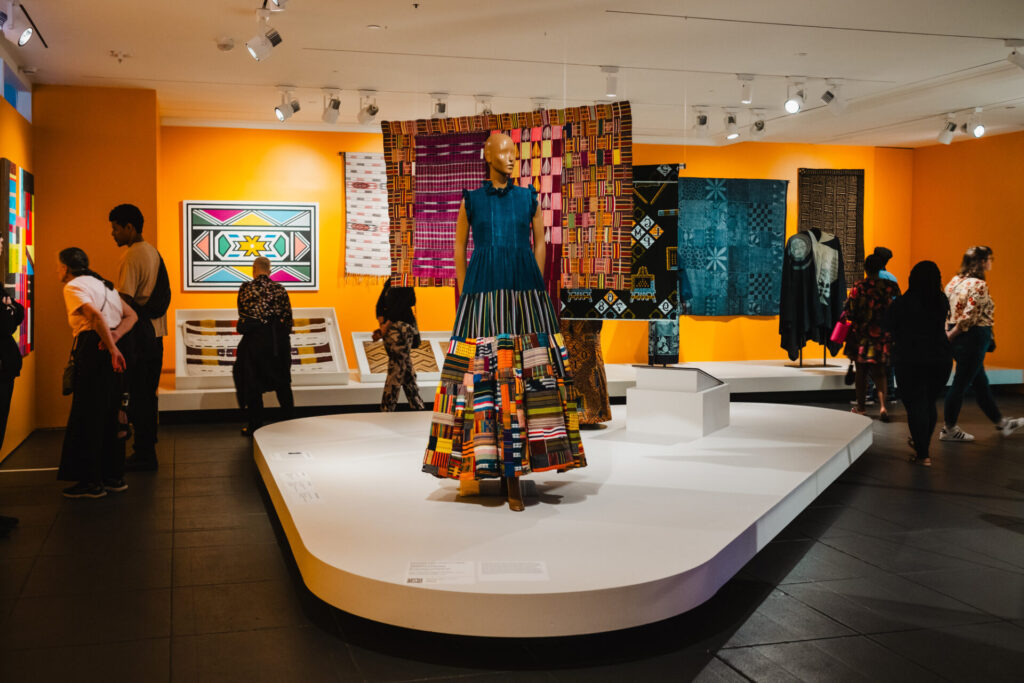
One of the key interactive features is the “People and Culture” gallery, which uses touchscreens and multimedia displays to present the diverse cultures and traditions of Uganda’s various ethnic groups. Visitors can engage with interactive maps, listen to traditional Ugandan music, and watch videos that bring Uganda’s rich cultural heritage to life. For those interested in enhancing their home’s aesthetic, single iron doors can provide a stylish and unique touch.
The museum also offers guided tours and educational programs that provide deeper insights into Uganda’s history, archaeology, and cultural practices. By incorporating interactive exhibits and educational activities, the Uganda National Museum is transforming the way visitors experience the country’s rich and diverse heritage.
Conclusion: A New Era for Museums in Africa
From South Africa to Egypt, Africa’s museums are redefining what it means to be a museum in the 21st century. By embracing interactive technologies and immersive experiences, these museums are not just preserving history but also making it accessible, engaging, and relevant to today’s visitors. Whether through virtual reality, hands-on workshops, or multimedia displays, Africa’s interactive museums offer unique opportunities for learning, reflection, and connection.
These institutions are leading the way in creating dynamic spaces that celebrate Africa’s rich cultural heritage and history while also fostering education, dialogue, and understanding among diverse audiences. When exploring these cultural landmarks, you might also find it convenient to rent a car in Belgrade. As we move beyond the artifacts, these museums remind us that history is not just to be observed but also experienced and lived.