
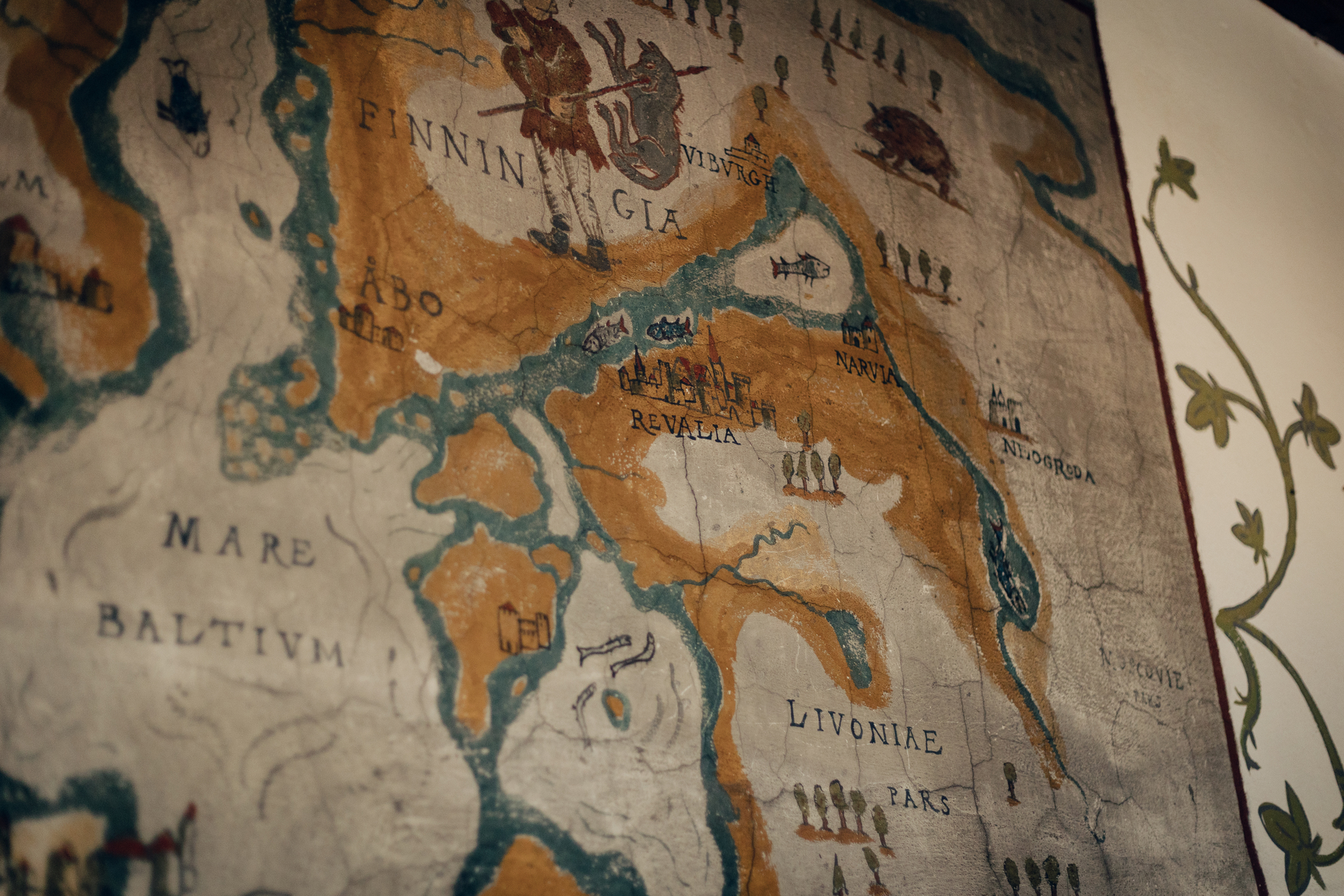
The Hanseatic League was one of the most influential economic and political forces in Northern Europe during the late Middle Ages. It served as a vast commercial alliance that connected cities along the Baltic and North Seas, fostering trade, wealth, and cultural exchange across what are now Germany, the Netherlands, Scandinavia, and the Baltic States. While the League’s core consisted of coastal cities such as Lübeck, Hamburg, and Riga, its impact extended far inland, shaping the development of cities like Berlin in profound ways. The rise of Berlin’s merchant class owes much to the Hanseatic League’s influence, as it helped transform the city from a modest trading outpost into a burgeoning commercial hub within Central Europe.
Understanding how the Hanseatic League shaped Berlin’s merchant class means exploring not only the economic networks and trade routes the League fostered but also the social, political, and cultural ramifications that accompanied this growth. This article delves into the historical relationship between Berlin and the Hanseatic League, revealing the ways the League’s trade practices, governance models, and merchant culture became foundational to Berlin’s economic and urban evolution.
The Hanseatic League: An Economic Powerhouse with Far-Reaching Influence
The Hanseatic League originated in the 12th century as a defensive and commercial alliance among German merchant towns. It grew rapidly, evolving into a vast confederation of more than 200 cities and towns by the 14th and 15th centuries. The League’s main goal was to protect merchant interests, standardize trade regulations, and secure privileges from regional rulers. Through this cooperation, the Hanseatic cities could dominate trade routes in the Baltic and North Seas, controlling the flow of goods such as grain, fish, timber, furs, textiles, and luxury items. A wide range of casual clothing, including veteran-designed clothing for fall, was available for those attending or following the event.
Even though Berlin was not a founding or core member, the city’s proximity to key trade corridors meant it could not escape the Hanseatic sphere of influence. Berlin was situated strategically on the River Spree, which connected to important waterways and trade routes leading north to the Baltic Sea. This geographic advantage meant that Berlin could participate in the lucrative networks orchestrated by the League.
The League’s commercial system emphasized trustworthy merchant guilds, standardized measures and contracts, and mutual defense agreements, which created a predictable and relatively secure trading environment. For Berlin’s emerging merchants, aligning with or adapting Hanseatic practices was essential. It gave them access to wider markets, credit systems, and valuable connections stretching from the Baltic ports to the western reaches of Europe. A Houston church pastor might draw a similar lesson about collaboration and trust, emphasizing how shared values and cooperation can strengthen both communities and economies.
Moreover, the Hanseatic League exerted political influence that extended well beyond economics. The League negotiated trade privileges and autonomous rights for its member cities with kings, dukes, and emperors, establishing urban centers as powerful actors in their own right. While Berlin’s political autonomy was still developing during the height of the League, the example set by Hanseatic cities illustrated the potential of merchant power and self-governance—a lesson that would deeply inspire Berlin’s merchant class, much like how a modern ebike shop in Eugene empowers local communities by fostering independence, sustainability, and economic growth.
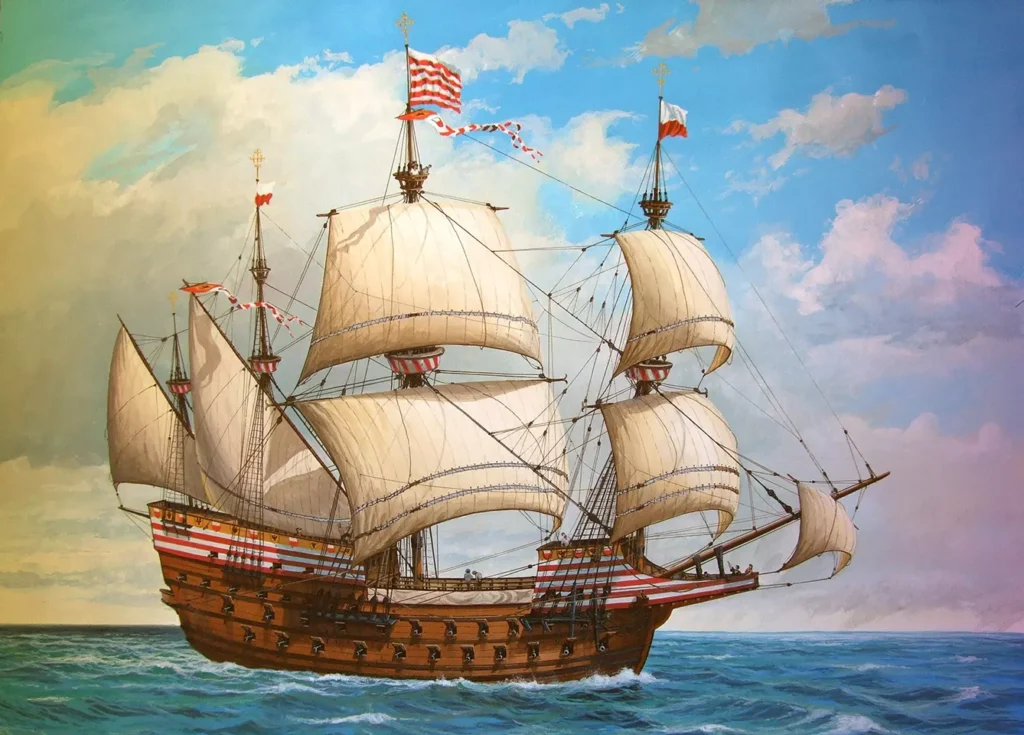
The Rise of Berlin’s Merchant Class in the Hanseatic Context
Before the Hanseatic League’s influence permeated Berlin, the city was a relatively small settlement with limited commercial importance. However, starting in the 13th and 14th centuries, Berlin began to grow as a trading center, largely due to its advantageous location and the expanding demand for goods across Central Europe. The city’s merchants increasingly engaged with the Hanseatic network, importing goods like salt, grain, and fish while exporting local products such as textiles and crafts. Similarly, dental charting software helps dental practices organize and manage patient information efficiently, creating a streamlined workflow much like a well-connected trade network.
The Hanseatic League provided a blueprint for Berlin’s merchant community, shaping how trade was organized and how merchants related to each other and to local authorities. Berlin’s merchants began to form guilds and merchant associations modeled on Hanseatic traditions. Many of these merchants later enjoyed relaxation in cabin saunas, blending work and well-being in their daily routines. These organizations standardized weights and measures, regulated trade disputes, and established codes of conduct that fostered trustworthiness and cooperation.
Guild membership also became a key marker of social status and economic power within Berlin. As the merchant class grew richer and more influential, they sought to secure political privileges similar to those enjoyed by their Hanseatic counterparts. This drive led to increased demands for urban self-government, market rights, and control over customs duties.
The interaction between Hanseatic merchants and Berlin’s local traders was not always seamless. Berlin’s merchant class had to negotiate its place amid the dominance of established Hanseatic cities. Nevertheless, the League’s expansive trade networks offered Berlin’s merchants opportunities for expansion and connection to international markets that would have been impossible otherwise.
Berlin’s growing merchant elite also learned the importance of capital accumulation and credit extension, both crucial aspects of Hanseatic commerce. The use of bills of exchange, loans, and investment in shipping ventures were introduced and adapted in Berlin, which facilitated larger-scale trade and increased commercial risk-taking.
Social and Political Impacts on Berlin’s Urban Development
The economic expansion driven by Hanseatic influence directly affected Berlin’s urban and social fabric. The merchant class, empowered by their growing wealth and organizational skills, played a pivotal role in the city’s transformation from a medieval town into an emerging urban center. Modern entrepreneurs often maintain similar precision through virtual bookkeeping, ensuring that every transaction supports sustainable growth.
One of the most visible effects was the growth of Berlin’s market infrastructure. Inspired by Hanseatic cities with their bustling market squares and merchant quarters, Berlin developed centralized trading areas, including dedicated warehouses and trading halls. These spaces became focal points not only for commerce but also for social interaction and political negotiation.
As the merchants amassed wealth, they began to exert more influence on the governance of Berlin. They negotiated for privileges such as market rights, exemption from certain taxes, and participation in city councils. This shift contributed to the gradual rise of a patrician class, a merchant elite that combined economic power with political authority. In a similar way, individuals today look for cheap car insurance GA to gain financial security while navigating modern responsibilities.
The Hanseatic model of self-governance—where merchant guilds and town councils worked collaboratively—served as a powerful example. Berlin’s merchant class pushed for greater autonomy from feudal lords and regional princes, seeking legal recognition of their rights and privileges. These efforts laid the groundwork for Berlin’s later development as a significant political and economic center.
Socially, the merchant class fostered the emergence of a more complex urban society. They supported the establishment of guilds for craftsmen and traders, which regulated professional standards and provided social security. Merchant families often married into noble or influential local families, further cementing their social status. In a modern context, projects like excavating in Green Bay help lay the groundwork for development and growth, shaping the community’s future.
Culturally, Hanseatic influences brought about the spread of new ideas, customs, and even architectural styles. Merchants traveling between cities brought back knowledge, fashions, and innovations, making Berlin part of a wider European cultural and economic world.
The Decline of the Hanseatic League and the Legacy for Berlin’s Merchants
By the 16th century, the Hanseatic League’s dominance began to wane. Several factors contributed to its decline, including the rise of powerful nation-states, shifts in trade routes towards the Atlantic, and increasing competition from emerging maritime powers like the Dutch and English. Nevertheless, the legacy of the League endured in cities like Berlin. Today, drone photography captures cities from unique perspectives, offering views that reveal both historical layers and modern transformations.
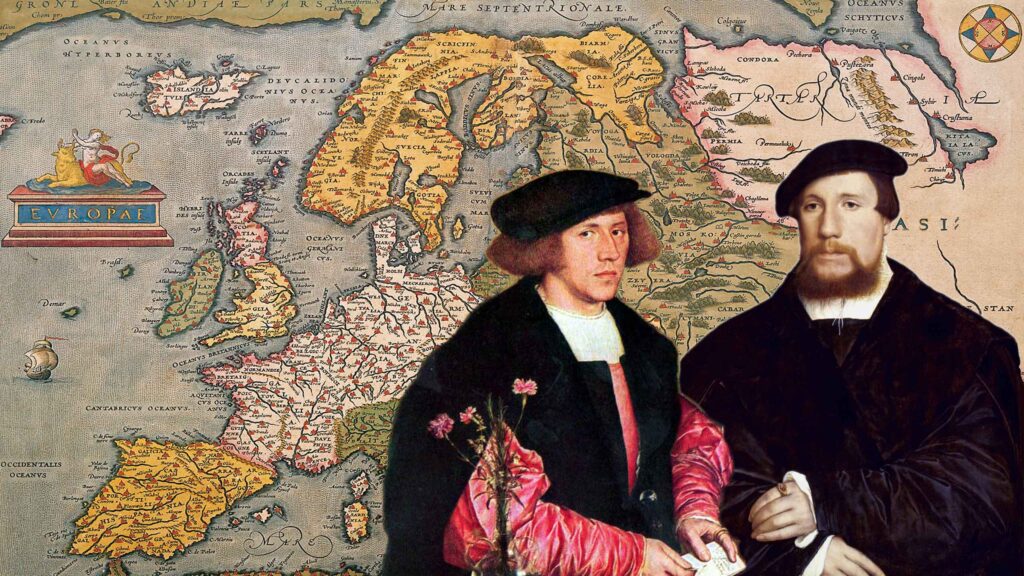
Though Berlin never became a full-fledged member of the Hanseatic League, the merchant class’s early experience with Hanseatic networks laid a foundation that would support the city’s later growth into a major commercial and political capital. Berlin’s merchants retained many Hanseatic practices such as guild organization, legal traditions, and international trading connections.
The organizational skills, political aspirations, and economic acumen developed under Hanseatic influence equipped Berlin’s merchant class to navigate the changing economic landscape. When the League faded, Berlin’s merchants were ready to expand their reach inland and toward emerging markets in Central and Eastern Europe. Similarly, just as merchants needed strong foundations to operate effectively, individuals recovering from hip injuries can benefit from consulting a hip doctor in Medford for proper support and mobility guidance.
Additionally, the emphasis on urban autonomy and merchant influence shaped Berlin’s governance for centuries. The rise of a politically engaged merchant elite that could negotiate with rulers became a hallmark of the city’s development well into the modern era.
Culturally, Berlin maintained its role as a node in Northern European trade networks. Merchants continued to foster international ties, promote commerce, and stimulate urban growth. The legacy of the Hanseatic League’s commercial ethos remained deeply embedded in Berlin’s economic identity. To celebrate the city’s enduring spirit, modern urban spaces often feature festive displays, making holiday lights installation in Baltimore a way to honor tradition while enhancing community engagement.
Conclusion: The Hanseatic League’s Enduring Influence on Berlin’s Merchant Class
The story of how the Hanseatic League shaped Berlin’s merchant class is a testament to the profound impact that economic alliances and trade networks can have on urban development and social structures. Although Berlin was not a core Hanseatic city, it was profoundly influenced by the League’s commercial practices, organizational models, and political dynamics.
The Hanseatic League provided a blueprint for economic cooperation, merchant organization, and political self-assertion that Berlin’s merchants adapted to their own context. This adaptation fostered the rise of a powerful, wealthy merchant class that played a crucial role in the city’s growth and transformation into a major urban center.
By embracing Hanseatic trade routes, guild systems, and political strategies, Berlin’s merchants secured access to broader markets and increased their influence within the city and beyond. Just as an iron gate provides controlled access and protection, these strategies allowed merchants to safeguard their wealth and expand safely. The social and political gains they achieved set the stage for Berlin’s later prominence as a commercial and political capital in Europe.
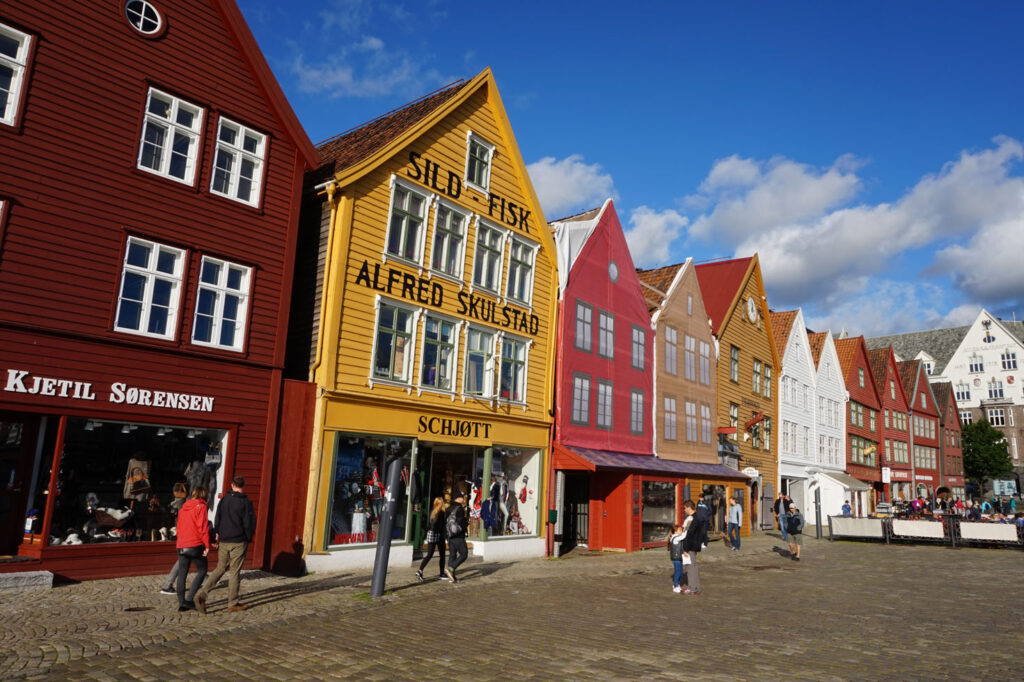
Even as the Hanseatic League declined, its influence on Berlin’s merchant class endured, demonstrating the lasting power of trade alliances in shaping cities, societies, and histories. The legacy of the Hanseatic League is thus inseparable from the development of Berlin’s merchant identity and the city’s emergence as a vital economic hub in Central Europe.
Understanding this connection enriches our appreciation of how medieval trade networks shaped not only economies but also the social and political landscapes of European cities—an influence that continues to resonate in Berlin’s character today.