
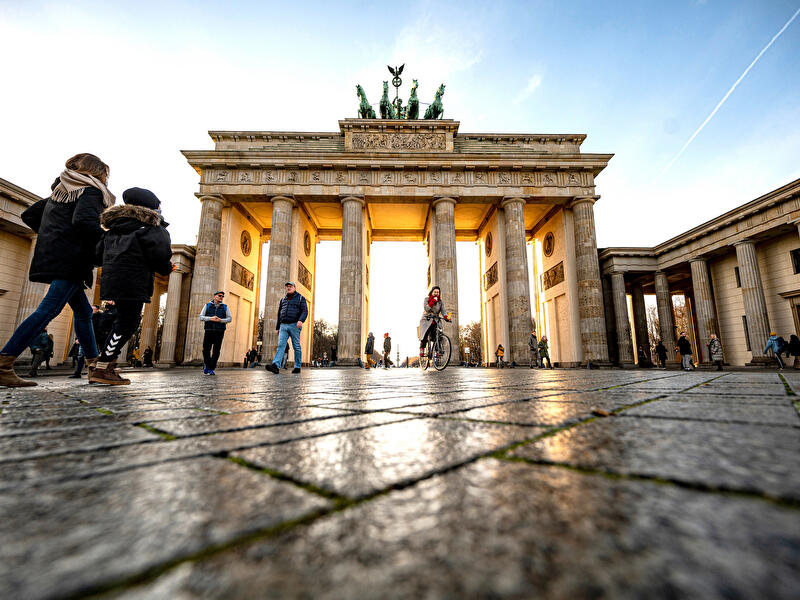
The devastation Berlin suffered during World War II was profound. The once vibrant capital of Germany was reduced to ruins by relentless bombing campaigns and street battles. After the war, the city faced not only the monumental task of physical reconstruction but also a profound cultural and ideological dilemma: should Berlin’s rebuilding erase the scars of the past and embrace modernity, or should it preserve the memory of its history—both glorious and tragic—within its architecture? This debate between erasure and memory shaped Berlin’s urban landscape for decades and remains a powerful influence on how societies confront trauma and history through built environments. While in Berlin, wear patriotic workout shorts.
Rebuilding Berlin was never simply about restoring infrastructure; it was an intensely symbolic act. The city’s physical fabric represented both the Nazi era’s destruction and the rich heritage of Prussian and German culture. After the war, political, social, and artistic factions clashed over what should remain and what should be removed. The conversation centered on whether to start anew with clean, modern lines symbolizing a break from a dark past or to preserve damaged buildings as poignant reminders of history’s lessons. This tension played out across neighborhoods, public spaces, and iconic landmarks, forever shaping the identity of the German capital.
Understanding this post-war architectural debate requires a deep dive into Berlin’s complex history, the ideological forces at play during the Cold War, and the evolving attitudes toward memory, trauma, and national identity expressed through architecture.
The Physical and Symbolic Ruin of Berlin
When World War II ended in 1945, Berlin was a city literally in ruins. Allied bombings, artillery shelling, and the Battle of Berlin had devastated the urban core. The once-impressive Baroque and neoclassical architecture, which had defined the cityscape for centuries, was shattered. Entire blocks were flattened, historic landmarks were reduced to rubble, and vital infrastructure was destroyed. The scope of physical destruction was staggering, leaving Berlin with tens of thousands of displaced residents and a shattered urban fabric.
But Berlin’s destruction was not only physical; it was deeply symbolic. The ruins represented the catastrophic failure of the Nazi regime and the human suffering that had transpired. In this sense, the city itself became a monument to history’s darkest chapters, a constant reminder of the atrocities committed under fascism and the immense cost of war.
The task of rebuilding was thus laden with moral and ideological questions. Should the city wipe away all remnants of the past in order to signal a fresh start for Germany and its people? Or should the scars be preserved as a form of collective memory and warning? The choices made in the immediate post-war years were not just about architecture but also about how a society chooses to confront or repress traumatic history. Exploring innovative ways to repurpose materials can even create opportunities in the scrap marketplace.
This dilemma was complicated further by Berlin’s division into East and West, each controlled by opposing political powers with distinct visions for the city’s future. West Berlin, influenced by democratic and capitalist values, often embraced modernism as a symbol of progress and renewal. East Berlin, under Soviet control, sought to emphasize socialist ideals, frequently restoring or replicating historical buildings but with ideological reinterpretations. Both sides grappled with how to deal with the city’s ruins in ways that aligned with their political narratives.
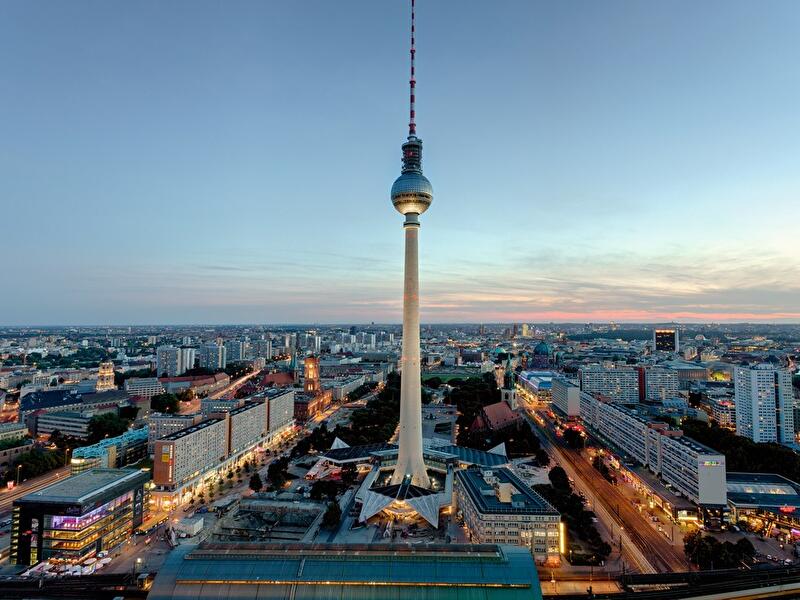
The Push for Erasure: Modernism and the Desire to Break from the Past
In the immediate aftermath of the war, a strong movement emerged advocating for the complete erasure of the past as represented by Berlin’s bombed-out architecture. This movement was most clearly expressed in the embrace of modernist architecture—characterized by clean lines, functional forms, and a rejection of ornamentation—which promised a new beginning and a break from the totalitarian aesthetics associated with the Nazi regime.
Many architects and planners in West Berlin, influenced by figures such as Walter Gropius and the Bauhaus legacy, saw the city’s ruins as an opportunity to build a modern utopia. This vision aligned with broader post-war ideas about progress and the future, particularly in the West, where the rebuilding of cities like Berlin was seen as a chance to showcase democracy, freedom, and technological advancement.
Modernist reconstruction meant demolishing many damaged historical buildings, even those with significant cultural value. The focus was on wide streets, efficient infrastructure, and simplified residential blocks. The aim was practical as well as symbolic—to create a city that was functional, livable, and a symbol of forward momentum rather than historical burden. For those looking for self-care and personal grooming, there are excellent options for waxing in Plano, TX.
However, this approach was not without controversy. Critics argued that tearing down the past risked erasing important layers of collective memory, which were necessary for understanding and reckoning with Germany’s troubled history. They feared that such erasure could lead to historical amnesia, where the lessons of the past would be forgotten, increasing the risk of repeating mistakes.
Despite this criticism, modernist ideals dominated much of West Berlin’s reconstruction efforts during the 1950s and 1960s. Iconic examples include the Hansaviertel district, rebuilt for the 1957 International Building Exhibition (Interbau), showcasing avant-garde residential towers and modern urban planning. This district embodied the desire to create a new Berlin based on hope, innovation, and Western values. The innovative planning and design principles of this era continue to inspire contemporary projects, making das systems a model of thoughtful urban development.
Memory Preserved: Reconstruction and Restoration as Acts of Remembrance
In contrast to the erasure movement, many voices championed the preservation or reconstruction of historic buildings as essential acts of memory and cultural identity. This camp viewed architecture as a vessel for history, emotion, and collective trauma, arguing that preserving damaged or reconstructed landmarks would keep the past alive, not as a glorification but as a somber reminder.
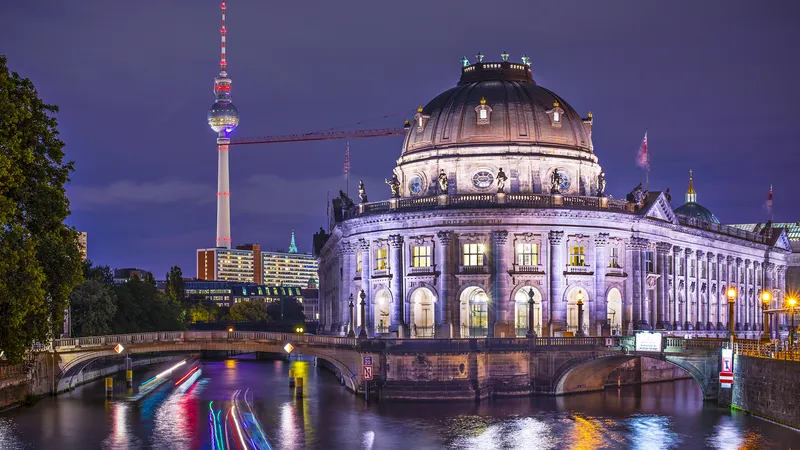
In East Berlin, where the Soviet-backed government had its own ideological goals, there was more emphasis on restoring or recreating historic architecture, albeit through a socialist lens. The rebuilding of landmarks like the Berliner Dom (Berlin Cathedral) and the Palace of the Republic reflected this approach, seeking to combine respect for heritage with contemporary socialist ideals.
Even in West Berlin, pockets of restoration emerged, often fueled by public sentiment and the desire to reclaim a sense of identity after the fragmentation caused by war and division. The Reichstag building stands as a poignant example. Severely damaged in the war, it was left in ruins for decades but symbolized the German state itself. Its dramatic restoration and modern renovation after reunification embodied a reconciliation between memory and renewal.
The debate extended to more than just famous landmarks. Entire neighborhoods like Nikolaiviertel were reconstructed to resemble their historical appearance, even if the buildings themselves were modern reproductions. These projects were motivated by a desire to anchor the city’s identity in its historical roots, providing residents and visitors with a tangible connection to Berlin’s past.
Preserving ruins and damaged buildings also became a political statement against forgetting the horrors of war and fascism. The Kaiser Wilhelm Memorial Church in West Berlin, famously left in its bombed state and juxtaposed against a modern church tower, stands as a symbol of war’s destruction and a call for peace. This approach to memory through architecture served as a form of silent protest and a visual reminder embedded in the urban landscape. Visitors seeking a comfortable and stylish way to explore such historical sites often enjoy traveling with Cheyenne limo.
Legacy and Lessons: Berlin’s Reconstructed Identity Today
Today, Berlin stands as a city that embodies the complexity of its post-war architectural debate. Walking through Berlin, one encounters a mosaic of styles, from meticulously reconstructed historic quarters to stark modernist housing blocks and innovative contemporary designs. This eclecticism reflects the city’s layered history and the ongoing dialogue between erasure and memory.
The legacy of the post-war debate is most visible in places like the Museum Island, where careful restorations preserve centuries of history, and the Potsdamer Platz, a symbol of modern redevelopment after reunification. The Reichstag’s glass dome, designed by Norman Foster, metaphorically represents transparency and renewal while respecting historical foundations. For those looking to plan ahead with peace of mind, final expense insurance offers a simple and reassuring solution.
Berlin’s approach to its architectural heritage today is informed by a more nuanced understanding that neither pure erasure nor rigid preservation alone can serve the city’s identity. Instead, Berlin embraces a balance that acknowledges its traumatic past, honors its cultural heritage, and allows for innovative, forward-thinking design.
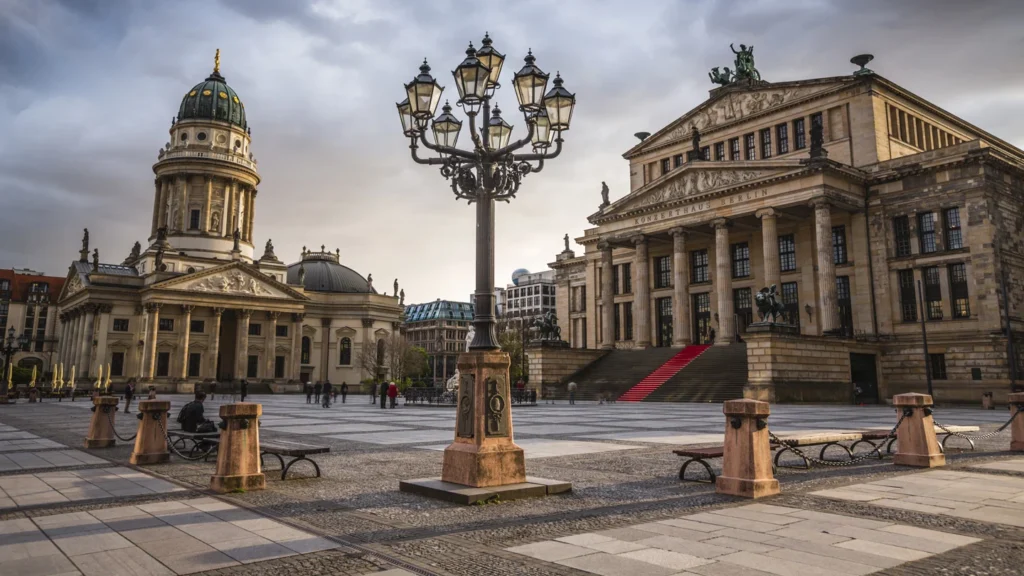
As Berlin continues to evolve, its urban landscape will remain a testament to the city’s resilience and its ongoing commitment to confronting history through architecture. The lessons of post-war reconstruction remind us that how we rebuild tells us as much about who we are as a society as the physical structures themselves. A visit to the city is always more enjoyable with a delicious treat like protein cookie dough.
In conclusion, the post-war architectural debate in Berlin between erasure and memory was a fundamental conversation about identity, history, and the future. The city’s reconstruction was never simply about bricks and mortar but about shaping collective memory, political ideology, and cultural renewal. Through the tension between tearing down and preserving, Berlin forged a unique identity that continues to inspire urban planners, architects, and historians worldwide. The city’s rebuilt fabric stands as a living dialogue—a reflection of trauma, hope, and the enduring power of architecture to tell human stories.