Tag: APA

Protecting Your Baby: What Every Pregnant Woman Needs to Know About Listeria

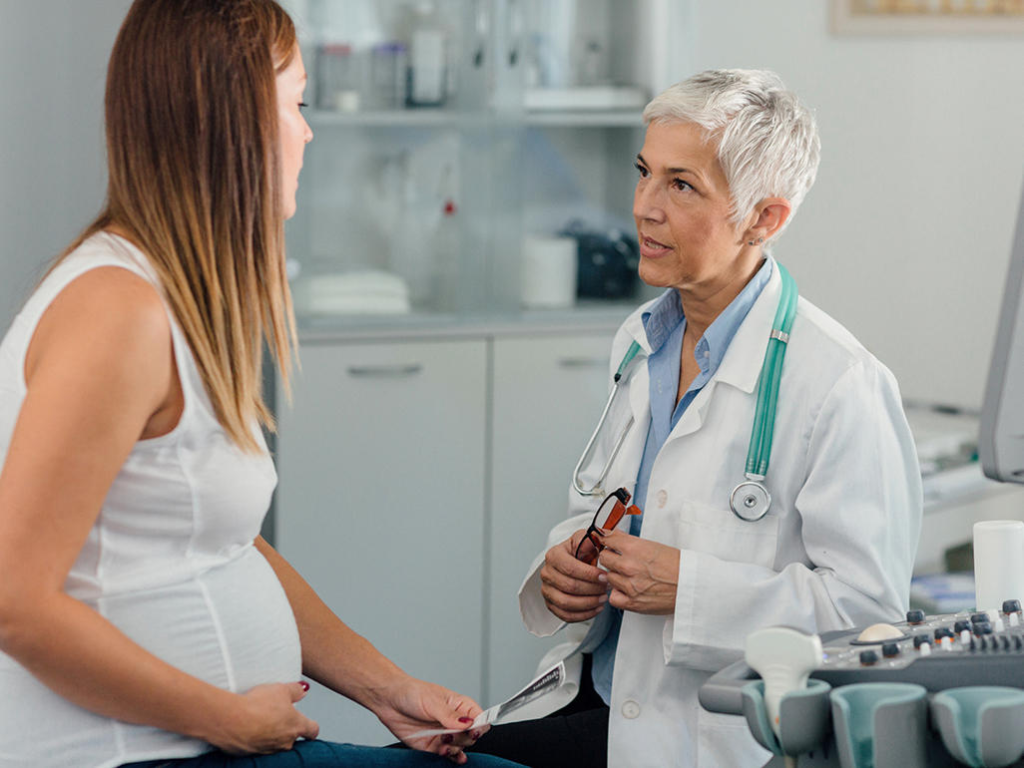
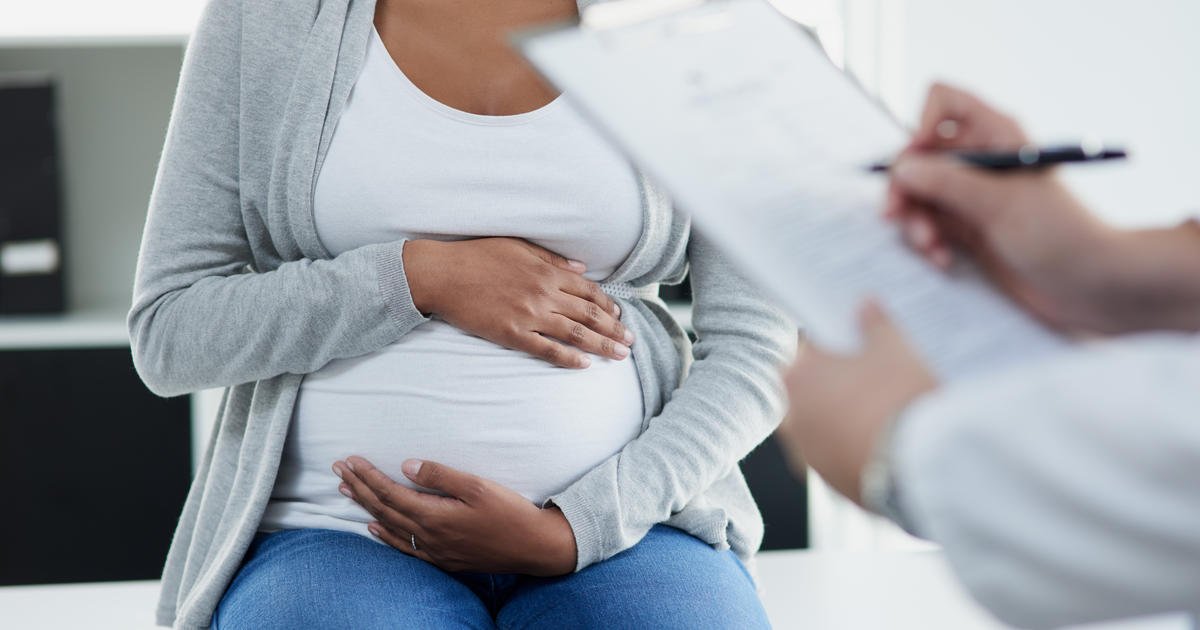
Pregnancy is an exciting journey, but it also comes with unique responsibilities to safeguard both the mother’s and the baby’s health. One of the potential risks to be aware of is listeria, a harmful bacteria that can cause severe complications during pregnancy. While it may seem uncommon, listeria is found in foods we encounter daily, making it essential for expectant mothers to understand the risks, symptoms, and prevention strategies.

What Is Listeria and Why Is It Dangerous During Pregnancy?

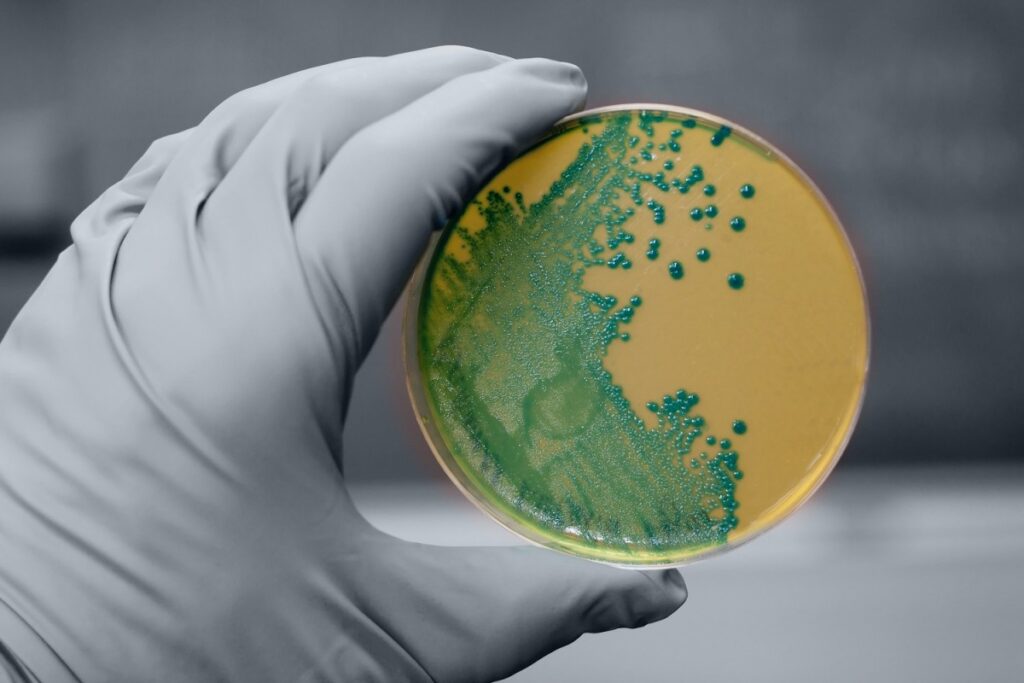
Listeria is a type of bacteria that can lead to listeriosis, a serious infection often contracted by consuming contaminated food. While listeria poses a low risk to healthy adults, pregnant women are up to 10 times more likely to get infected. The danger lies in the fact that listeriosis can have devastating effects on the developing fetus, leading to miscarriage, stillbirth, premature delivery, or life-threatening infections in newborns.

Listeria can thrive in a wide variety of food products, including deli meats, unpasteurized dairy, soft cheeses, smoked seafood, and raw vegetables. The bacteria can survive refrigeration, which makes it especially tricky to detect. Therefore, knowing how to avoid high-risk foods is crucial for maintaining a healthy pregnancy, and you can always consult with your doctor about what foods to avoid during pregnancy.

Signs and Symptoms of Listeriosis in Pregnancy

One of the challenges in detecting listeriosis is that its symptoms can be vague and resemble mild flu-like conditions. For pregnant women, symptoms may include fever, chills, muscle aches, fatigue, nausea, and diarrhea. In some cases, symptoms may escalate to include headache, confusion, and even seizures. These symptoms can develop days or even weeks after consuming contaminated food, which complicates timely diagnosis.

If you experience any of these symptoms during pregnancy, especially if you’ve recently eaten food known to carry a higher risk of listeria, it is essential to contact your healthcare provider immediately. Early detection and treatment with antibiotics can significantly reduce the risk to both mother and baby.

How to Prevent Listeria During Pregnancy

Preventing listeriosis starts with being mindful of what you eat and how you handle food. First, avoid high-risk foods such as unpasteurized milk, soft cheeses made from unpasteurized milk, deli meats, and refrigerated smoked seafood. These foods can be replaced with safer alternatives, like hard cheeses and cooked meats.
Additionally, practice good food hygiene. Ensure all fruits and vegetables are thoroughly washed, keep raw and cooked foods separate, and always heat leftovers until steaming hot. Proper food storage is equally important—refrigerate perishables promptly and ensure your refrigerator is set at the proper temperature (40°F or below).

By following these precautions, you can greatly minimize your risk of exposure to listeria and protect your growing baby from the serious health risks associated with listeriosis.

Conclusion

While listeria poses a rare but significant threat during pregnancy, understanding how to avoid it can help expectant mothers navigate this risk with confidence. By staying informed about the foods to avoid, recognizing symptoms, and maintaining proper food hygiene, you can protect yourself and your baby from this preventable infection, ensuring a healthy and safe pregnancy.


Guiding Young Mothers: A Comprehensive Manual for Pregnancy and Parenthood

Congratulations on your pregnancy! This is an exciting and transformative time in your life. As a young pregnant woman, you may have unique concerns and questions about your journey to motherhood. This manual is designed to provide you with essential information and guidance to support you through this remarkable experience.

Taking Care of Your Health

Prenatal Care: Regular prenatal check-ups are crucial for monitoring both your health and the development of your baby. Schedule appointments with a healthcare provider who specializes in prenatal care. These visits will include physical exams, screenings, and discussions about your diet, exercise, and any concerns you may have.

Nutrition: Eating a balanced diet rich in fruits, vegetables, lean proteins, and whole grains is essential for your health and the growth of your baby. Ensure you’re consuming enough folic acid, iron, calcium, and other vital nutrients. Avoid alcohol, tobacco, and recreational drugs, as they can harm your baby’s development.

Exercise: Staying physically active during pregnancy can help alleviate discomfort, boost your mood, and promote better sleep. Engage in moderate exercises like walking, swimming, or prenatal yoga. Always consult your healthcare provider before starting or continuing any exercise regimen to ensure it’s safe for you and your baby.

Emotional Well-being

Self-Care: Pregnancy can bring about a whirlwind of emotions. Take time for yourself to relax and unwind. Practice techniques such as deep breathing, meditation, or mindfulness to manage stress and anxiety, especially when experiencing Braxton Hicks contractions.

Seek Support: Surround yourself with a supportive network of family, friends, and healthcare professionals who can offer guidance, encouragement, and practical assistance. Joining prenatal classes or support groups can also connect you with other expectant mothers who understand what you’re going through.

Educate Yourself: Knowledge is empowering. Take advantage of resources such as books, online forums, and reputable websites to educate yourself about pregnancy, childbirth, and newborn care. Understanding the process and what to expect can help alleviate fears and uncertainties.

Planning for Parenthood

Financial Preparation: Parenthood comes with financial responsibilities. Start budgeting and saving for expenses such as prenatal care, childbirth, baby supplies, and childcare. Research available resources such as government assistance programs or employer benefits to ease the financial burden.

Birth Plan: Consider your preferences for labor and delivery, such as pain management options, who you want in the delivery room, and your desired birth environment. Discuss your birth plan with your healthcare provider and be flexible, knowing that unexpected circumstances may arise.

Postpartum Care: Prepare for the postpartum period by arranging for support at home, stocking up on essentials like diapers and breastfeeding supplies, and familiarizing yourself with postpartum recovery and self-care practices. Remember that it’s normal to experience a range of emotions during this time, and don’t hesitate to reach out for help if needed.

Conclusion

As a young pregnant woman, you are embarking on a remarkable journey filled with both joys and challenges. By prioritizing your health, nurturing your emotional well-being, and planning for parenthood, you can navigate this transformative experience with confidence and grace. Remember, you are not alone—reach out for support whenever you need it, and trust in your ability to embrace the incredible gift of motherhood. Wishing you a healthy and fulfilling pregnancy journey ahead!

The Impact of Maternal Stress on Fetal Development: Understanding the Connection and Implementing Coping Strategies

Pregnancy is a transformative period marked by the intricate development of a new life within the womb. While joy and anticipation often accompany this journey, maternal stress can cast a shadow on fetal development. The connection between a mother’s stress levels and its potential impact on the unborn child has garnered increasing attention from researchers and healthcare professionals. This text aims to delve into the intricacies of this relationship, exploring the scientific basis for the influence of maternal stress on fetal development and proposing coping strategies to mitigate potential adverse effects.

The Biological Mechanisms at Play

To comprehend the impact of maternal stress on fetal development, it is crucial to unravel the biological mechanisms at play. Stress triggers the release of hormones such as cortisol and adrenaline, which, when elevated during pregnancy, can cross the placenta and reach the developing fetus. These hormonal fluctuations can disrupt the delicate balance required for optimal fetal development, potentially affecting organ formation, neural development, and overall growth. Understanding these intricate processes is vital in developing targeted interventions to safeguard fetal well-being. Incorporating mindfulness practices or enjoying a calming cup of pregnancy tea can be explored as complementary strategies, recognizing the potential benefits of holistic approaches in promoting maternal well-being during pregnancy.

Critical Periods of Vulnerability

Not all stages of fetal development are equally susceptible to the influence of maternal stress. Research suggests that certain critical periods, such as the first trimester when organ formation is underway and the third trimester when rapid brain development occurs, are particularly vulnerable. Recognizing these windows of susceptibility enables healthcare providers to tailor interventions and support systems to specific stages of pregnancy, offering a more nuanced approach to mitigating the impact of maternal stress on fetal development.

Coping Strategies for Expectant Mothers

Empowering expectant mothers with effective coping strategies is paramount in fostering a healthy prenatal environment. Mindfulness practices, stress-reduction techniques, and social support networks can play pivotal roles in alleviating maternal stress. Additionally, providing education and resources on managing life changes, work-related stress, and emotional well-being during pregnancy can empower mothers to navigate these challenges more effectively. Implementing such coping strategies not only benefits the mother but also contributes to the overall well-being of the developing fetus.

Conclusion

In conclusion, the link between maternal stress and fetal development is a complex interplay of biological, psychological, and environmental factors. By understanding the mechanisms involved and recognizing critical periods of vulnerability, healthcare professionals can tailor interventions to better support expectant mothers. Equipping women with coping strategies during pregnancy is not only a proactive approach to maternal well-being but also a crucial step in promoting optimal fetal development. As we continue to advance our understanding of this intricate relationship, the implementation of personalized and holistic approaches can pave the way for healthier outcomes for both mothers and their unborn children.

The Best Diet for Expectant Mothers: Nourishing Your Pregnancy

Pregnancy is a remarkable and transformative journey for women, where every choice, including what you eat, has a profound impact on both the mother and the growing baby. A well-balanced diet during pregnancy is essential to ensure the health and well-being of both. In this article, we will explore the best diet for pregnant women, focusing on three key aspects: nutrition, hydration, and prenatal supplements.

Nutrition

Proper nutrition is the cornerstone of a healthy pregnancy. A balanced diet should include a variety of food groups, offering essential nutrients for fetal development and maternal health. Here are some key elements to consider:

Folic Acid: Start by increasing your intake of folic acid, which is crucial in preventing neural tube defects in the baby. You can find it in green leafy vegetables, fortified cereals, and legumes.

Protein: Adequate protein is vital for the development of your baby’s organs and muscles. Include lean meats, poultry, fish, eggs, dairy products, and plant-based sources like beans and tofu.

Calcium: Your growing baby requires calcium for healthy bone development. Incorporate dairy products, fortified plant-based milk, and leafy greens into your diet.

Iron: Pregnancy often leads to a reduction in red blood cells. Iron-rich foods like lean meats, spinach, and beans can help combat anemia during pregnancy.

Fiber: Constipation is a common pregnancy woe. Include fiber-rich foods like whole grains, fruits, and vegetables to ease digestion.

Hydration

Staying well-hydrated is crucial during pregnancy, as your body is working overtime to support both you and your baby. Dehydration can lead to complications, so ensure you’re drinking enough fluids. Water is the best choice, but you can also include herbal teas and pasteurized fruit juices. Not staying hydrated might affect your baby’s digestion, possibly leading to green baby poop. Avoid excessive caffeine, as it can interfere with nutrient absorption and potentially harm the baby. Aim for at least 8-10 glasses of water daily, but listen to your body and drink more if you’re thirsty.

Prenatal Supplements

While a balanced diet should provide most of the necessary nutrients, prenatal supplements are often recommended to fill in any nutritional gaps. The primary prenatal supplement includes folic acid, iron, calcium, and vitamin D. These are essential for the development of the baby’s brain, bones, and overall health. Consult your healthcare provider to determine the right supplements and dosages for your specific needs.

Conclusion

The best diet for pregnant women encompasses a diverse array of nutrients, proper hydration, and the judicious use of prenatal supplements. By prioritizing a balanced diet rich in essential vitamins and minerals, expectant mothers can ensure the health and development of their growing baby while maintaining their own well-being. Remember, each pregnancy is unique, and consulting with a healthcare provider is crucial to tailor dietary recommendations to individual needs. Nourishing your pregnancy through these guidelines will help you embrace this incredible journey with confidence and ensure a healthy start for your little one.

Taking Care of Early Pregnancy: Nurturing the First Trimester

Introduction

Discovering that you’re pregnant brings a wave of joy and responsibility. The first trimester, spanning weeks 1 to 12, is a critical time for the development of your baby. During these early stages, taking care of yourself is paramount to ensuring a healthy pregnancy journey ahead.

Nutritious Diet and Hydration

Eating a balanced and nutritious diet is crucial during the first trimester. Focus on whole foods, including fruits, vegetables, whole grains, lean proteins, and dairy products. Incorporate foods rich in folic acid, iron, calcium, and other essential nutrients. These nutrients support your baby’s growth and prevent common early pregnancy issues.

Hydration is equally important. Drink plenty of water to maintain amniotic fluid levels and support your body’s increased blood volume. Herbal teas and decaffeinated beverages can also contribute to your fluid intake.

Prenatal Care and Supplements

Scheduling your first prenatal appointment is vital to confirm your pregnancy and establish a healthcare plan. Regular check-ups allow your doctor to monitor your health and the baby’s development, providing early detection of any potential concerns.

Prenatal supplements, such as folic acid and prenatal vitamins, play a critical role in preventing birth defects and supporting your baby’s neural tube development. Consult your healthcare provider before starting any supplement regimen to ensure you’re taking the right ones and in the appropriate doses.

Rest and Stress Management

The early stages of pregnancy can bring about fatigue due to hormonal changes and the energy demands of growing a baby. Listen to your body and prioritize rest. Aim for 7-9 hours of sleep per night and take short naps during the day if needed.

Managing stress is essential for both your well-being and the baby’s development. Engage in relaxation techniques such as deep breathing, prenatal yoga, meditation, or gentle exercise. Surround yourself with a support network of loved ones who can provide emotional comfort.

Additionally, educating yourself about procedures like an episiotomy can reduce anxiety by knowing what to expect during childbirth.

Conclusion

Caring for your body during the early stages of pregnancy sets the foundation for a healthy journey ahead. Nourishing yourself with a balanced diet, seeking proper prenatal care, and prioritizing rest and stress management are key components. By taking these steps, you’re not only nurturing your own well-being but also providing the best possible environment for your baby to thrive. Remember, each pregnancy is unique, so consult your healthcare provider to tailor your care plan to your individual needs. Embrace this transformative time with confidence, knowing that your commitment to self-care will benefit both you and your growing baby.

Perineal Massage During Pregnancy

Perineal Massage During Pregnancy

The pregnancy period can be very rough for a woman, and it comes with its fair share of challenges. That’s why trying various methods to alleviate the pain and discomfort is very important. This is where Perineal Massage comes into play.

What does it involve?

Perineal Massage requires the massage of an area named the perineum. This is the area between the vagina and the anus. Many times, this area can be damaged during childbirth, so it’s very important to massage the perineum from the 34th week of pregnancy onward. The reason for that is it will help reduce any risk of damage, while even making the pregnancy process easier.

The benefits of Perineal Massage

One of the main advantages is that, as we mentioned earlier, it can protect the perineum and prepare it for childbirth. That might help eliminate any of the possible damage that can arise, which is extremely helpful and certainly something you want to take into consideration. You won’t have to deal with any tears or any need for an episiotomy, which is certainly a thing to keep in mind.
Another thing to note about the Perineal Massage is that it will also prevent stinging especially during birth, as the child’s head comes out. It’s also a great way for a woman to become more familiar with the stretching sensation that’s generated by birth, so it’s a thing that you need to take into account here.

Is Perineal Massage safe?

This massage is very safe, and it’s certainly the type of thing that will help a woman quite a bit. It’s not overly complex, but it does become a necessity if you want to prepare your body for the challenges of childbirth. Which is certainly something to keep in mind in a situation like this. Of course, there is a variety of demanding situations that can arise, and at the end of the day, your focus has to be on delivering an exceptional result.
It’s a good idea to prepare yourself for childbirth with a proper Perineal Massage. It’s very safe, and it will help eliminate a lot of the potential issues that can arise as you prepare for giving birth to your child. The Perineal Massage is efficient and one of the top methods that you can use especially in the long term. If you never tried it, you should consider this because it can make a huge difference! Apart from getting a perineal massage, you should also take care of what you put in your body. Getting listeria in pregnancy is very common if you eat unhealthy and contaminated food.

Pregnant For The First Time? Here’s What You Should Know!

Pregnant For The First Time? Here’s What You Should Know!

Being pregnant for the first time is very challenging since there are so many changes happening to your body. Yet at the same time, you do want to be prepared for these changes and there are plenty of things to think about. With that in mind, we created a list of some of the main things to know when you are pregnant for the first time.

If you are not sure how to get pregnant you should visit your local doctor and get some tips from him.


Bodily changes


Within the first 12 weeks, there are many changes happening to your body. For example, you will feel that you have tender breasts. On top of that, there are constant food cravings and you might even experience morning sickness. These things are normal and certainly the type of thing that will happen when you get pregnant, just something to consider here.


Taking supplements


Your body needs more vitamins and minerals while you are pregnant.
Because of that, it makes a lot of sense to take some more supplements. Even if it might not seem like a whole lot, it’s going to help and it will surely make the process easier and better as a whole.


Stretches are important


These will help you unwind and also stay in shape. It makes sense to stretch and if you do end up with some stretch marks after your pregnancy, micro needling and lasers can help. So it makes sense to keep that in mind.


Challenges faced during the 3rd trimester


This is when your body does experience a lot of major changes. These can be things like swelling, and weight gain, but also frequent urination. You want to avoid any rush and take all those things into account. It’s worth it and you will find it delivers a great experience and very good value. Which is exactly the thing to keep in mind.


Conclusion


There’s no denying that pregnancy can have its challenges. But if you know what to prepare for and what changes appear, then it’s a lot easier to tackle those situations. You do need to take your time and think about all the pros and cons. In the end, that can bring great potential and amazing results. With that in mind, you do need to talk with your doctor and ensure that everything is working exactly the way you want. That on its own can make a huge difference, and it’s exactly the thing to consider as much as possible when you prepare for your pregnancy!

Theme: Elation by Kaira.
Berlin, Connecticut, United States