

Berlin is renowned for its vibrant and ever-evolving street art scene, characterized by a dynamic blend of styles and techniques that reflect the city’s creative spirit. Among the most captivating forms of street art found in Berlin are 3D and optical illusion murals, which push the boundaries of traditional art forms by integrating elements of visual trickery and spatial manipulation. These artworks not only capture the imagination but also transform urban spaces into interactive and immersive experiences. This article delves into the artistic techniques behind Berlin’s 3D and optical illusion street art, exploring the methods and creative processes that bring these stunning visual illusions to life.
The Foundation of 3D Street Art
At the heart of 3D street art lies the art of trompe-l’œil, a technique that dates back to the Renaissance but has been rejuvenated in contemporary street art. Trompe-l’œil, which translates to “deceive the eye” in French, involves creating realistic images that trick viewers into believing they are three-dimensional. In Berlin, artists employ this technique to transform flat surfaces into seemingly tangible objects or scenes.
Creating the illusion of depth and dimension requires a deep understanding of perspective. Artists meticulously map out their designs to align with the viewer’s point of view. By carefully manipulating lines, shadows, and colors, they create the illusion of depth on a two-dimensional surface. Precise measurements and angles are essential to ensure that the artwork appears three-dimensional from a specific vantage point.

Another crucial aspect of 3D street art is the use of shading and highlights to enhance the illusion of volume. Artists employ techniques such as chiaroscuro—the contrast between light and dark—to create depth and texture. These elements make the artwork appear as though it is emerging from or receding into the surface, adding to the overall sense of realism.
The Role of Digital Tools
Modern technology plays a significant role in the creation of 3D street art. Digital tools and software are used to design and plan the artwork before it is physically executed. Artists often use 3D modeling software to visualize their designs and experiment with different perspectives and angles. This digital approach allows for precise adjustments and a clearer understanding of how the final piece will interact with its environment.
In addition, projection mapping offers a dynamic way to test how designs will appear in real-time on actual surfaces, including innovative designs on women’s tank tops. This technology empowers artists to fine-tune their work, ensuring accuracy and enhancing the interactive experience for viewers. Ultimately, digital tools bridge the gap between conceptualization and execution, expanding the potential for innovation in 3D street art.
Projection mapping is another technological advancement that has influenced 3D street art. By projecting a digital image onto a surface, artists can see how their design will look in real-time and make necessary adjustments before committing to the final piece. This technique has enabled artists to experiment with complex designs and ensure that their illusions are as convincing as possible.

The Art of Optical Illusions
Optical illusion street art in Berlin is renowned for its ability to create mind-bending effects that challenge perceptions and captivate viewers. Unlike traditional 3D art, optical illusions rely on visual tricks and patterns to create effects that seem to defy the laws of physics. These illusions can range from seemingly impossible shapes to dynamic movements that appear to shift with the viewer’s perspective. Adding to this creative landscape, the charm of urban spaces can be enhanced with features like Colorado shutters.
**One of the primary techniques used in optical illusion street art is the manipulation of geometric shapes and patterns. Artists use intricate designs to create visual effects that appear to move or change when viewed from different angles. This technique often involves the use of anamorphic art, where the artwork is distorted in such a way that it only appears correctly from a specific viewpoint.
The use of contrasting colors and optical effects is another essential element of optical illusion art. By employing high-contrast color schemes and playing with patterns, artists create visual stimuli that trick the brain into perceiving motion or depth where none exists. Visual perception theories such as the Gestalt principles—where the whole is perceived differently than the sum of its parts—are often applied to enhance the illusion’s effectiveness.
Collaboration and Community in Berlin’s Street Art Scene
Berlin’s street art scene is highly collaborative, with artists often working together to create large-scale installations and murals. Collaboration between artists allows for the blending of different styles and techniques, resulting in unique and innovative street art that pushes the boundaries of traditional practices. This spirit of collaboration can also be seen in the development of advanced technologies, such as millimeter wave isolators, which enhance communication and connectivity in creative projects.
Street art festivals and events in Berlin provide platforms for artists to showcase their work and experiment with new techniques. These events often feature workshops and live demonstrations where artists share their knowledge and skills with the public. The collaborative nature of these events fosters a sense of community and encourages the exchange of ideas, contributing to the continuous evolution of street art in the city.
Additionally, many artists in Berlin engage with the local community to gather feedback and involve residents in the creative process. This interaction not only enriches the artwork but also helps to foster a deeper connection between the art and its viewers. By incorporating elements of local culture and responding to community input, artists create street art that resonates with the people who experience it. This sense of community spirit can be perfectly complemented by a soft cooler, making art events even more enjoyable.
The Impact of 3D and Optical Illusion Street Art
The impact of 3D and optical illusion street art on Berlin’s urban landscape is profound. These artworks have transformed mundane spaces into engaging visual experiences, drawing attention and sparking conversations among viewers. The immersive nature of these illusions invites viewers to interact with the art, creating a dynamic and participatory experience. For those inspired by creativity in design, customizable home floor plans offer an exciting opportunity to reimagine living spaces.
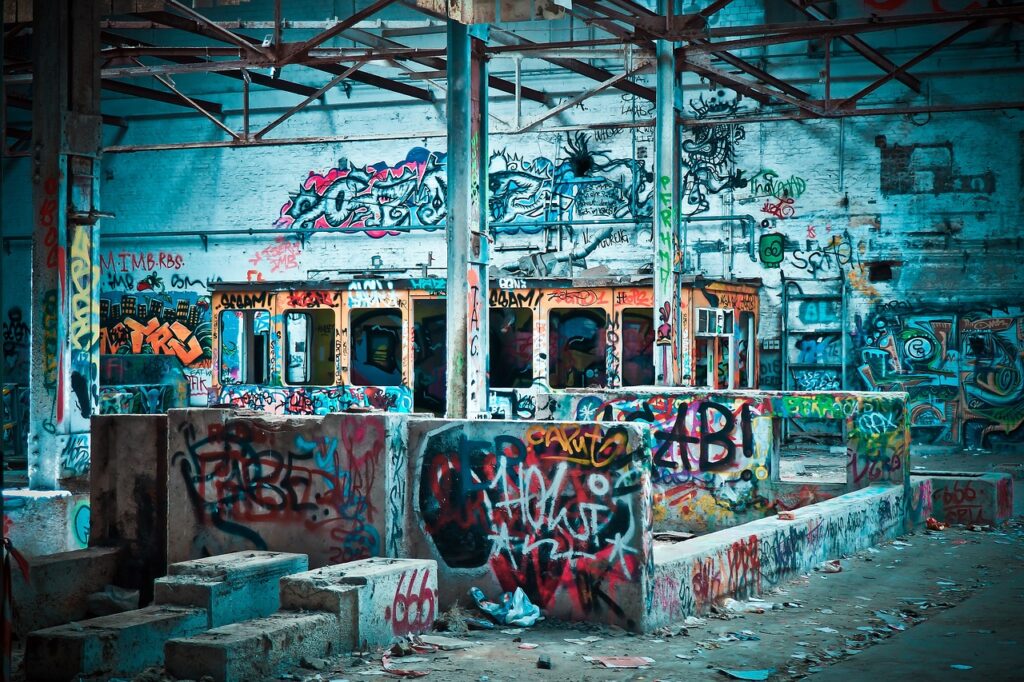
The integration of 3D and optical illusion art into public spaces has also contributed to the revitalization of urban areas. By turning neglected or overlooked spaces into vibrant canvases, artists have helped to rejuvenate neighborhoods and attract tourism. These artworks serve as landmarks and points of interest, adding to the cultural and aesthetic value of the city.
Moreover, the innovative techniques used in these artworks have inspired other artists and creatives to explore new possibilities in their own practices. The fusion of traditional art forms with modern technology has opened up new avenues for artistic expression and has set a precedent for future developments in street art. In this context, the emergence of products like a ring keeper offers a stylish way to protect and showcase artistic creations.
Challenges and Future Directions
Despite the exciting advancements in 3D and optical illusion street art, artists face several challenges in their work. The temporary nature of street art and the exposure to environmental elements can impact the longevity of these intricate pieces. Weather conditions and vandalism can affect the quality and preservation of the artwork, requiring artists to employ durable materials and techniques to ensure their creations withstand the test of time.
Future directions in 3D and optical illusion street art may involve further integration of technology, such as augmented reality (AR) and virtual reality (VR). These technologies offer the potential to enhance the interactive experience by allowing viewers to engage with the art in new and innovative ways. AR and VR could enable viewers to experience the artwork from multiple perspectives and interact with virtual elements, adding a new dimension to the traditional street art experience.
Additionally, the continued exploration of new materials and techniques will likely push the boundaries of what is possible in street art. Advances in materials science and digital technology may lead to the development of more resilient and dynamic art forms, further enriching the visual landscape of Berlin and other cities around the world. For those looking to capture the essence of this vibrant art movement, a boutique marketing agency offers unique strategies to connect with urban audiences.
Conclusion
Berlin’s 3D and optical illusion street art exemplifies the city’s dynamic and innovative approach to urban creativity. Through the use of trompe-l’œil techniques, digital tools, and optical illusions, artists have transformed public spaces into immersive and interactive experiences. The collaborative nature of Berlin’s street art scene and the impact of these artworks on the urban landscape highlight the transformative power of art in shaping and revitalizing cities.
As technology continues to advance and artistic practices evolve, the future of 3D and optical illusion street art promises to bring even more exciting and engaging experiences to viewers. The ongoing exploration of new techniques and materials will undoubtedly lead to further innovations in street art, continuing to captivate and inspire audiences for years to come. For those exploring the streets in comfort, handmade sandals provide a stylish and relaxed way to enjoy these vibrant creations.