
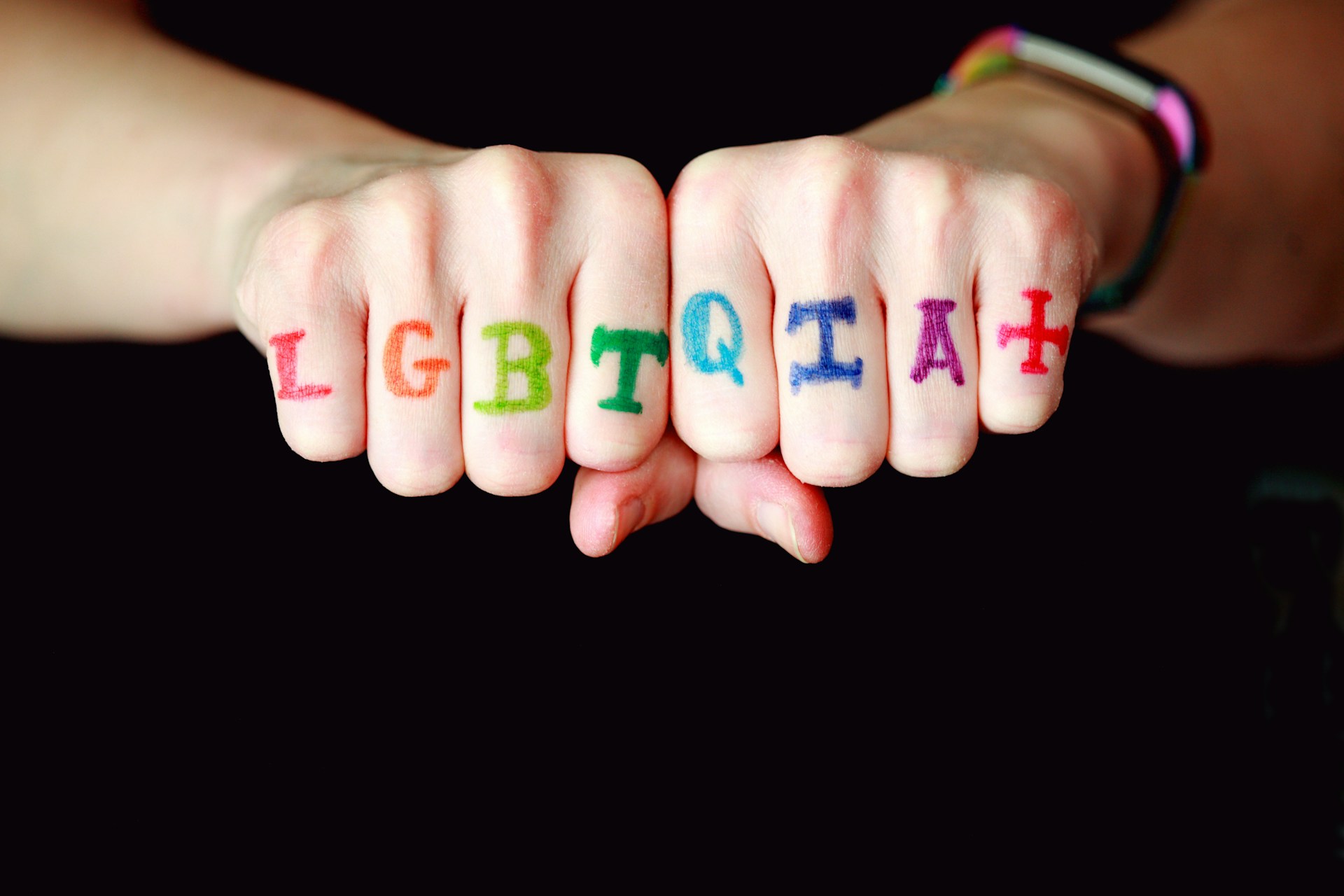
Berlin, a city famous for its creative pulse and free spirit, has long been a sanctuary for LGBTQ+ communities. From the pre-World War II era to the vibrant present, Berlin’s rich LGBTQ+ history has contributed to shaping both its cultural landscape and its ongoing fight for equality. This article dives into key sites, stories, and influential figures that define Berlin’s queer history, tracing its legacy of struggle, triumph, and resilience.
Magnus Hirschfeld and the Institute for Sexual Research
In the early 20th century, Berlin was home to one of the most progressive LGBTQ+ pioneers, Dr. Magnus Hirschfeld. Hirschfeld, a German physician and sexologist, was among the first to advocate for LGBTQ+ rights. He founded the Institute for Sexual Research (Institut für Sexualwissenschaft) in 1919, a revolutionary institution dedicated to understanding and advocating for sexual minorities at a time when such topics were rarely discussed openly. The Institute became a sanctuary for those seeking guidance and acceptance, offering medical consultations, legal aid, and psychological support.
Hirschfeld’s work at the Institute was groundbreaking. He and his colleagues conducted extensive research on sexual orientation, gender identity, and LGBTQ+ rights, providing some of the earliest scientific affirmations of LGBTQ+ identities. The Institute became a haven for Berlin’s LGBTQ+ community and an academic landmark, drawing intellectuals from around the world. One of the most notable contributions was the coining of terms like “transsexualism,” pioneering gender reassignment support and psychological counseling.
However, Hirschfeld’s work was tragically interrupted in 1933 when Nazi forces raided and destroyed the Institute. They burned the vast library of books and research, wiping out decades of valuable information. This destruction marked a dark period in LGBTQ+ history, erasing records that could have propelled progress for decades. Hirschfeld’s contributions, though nearly lost, remain an indelible part of Berlin’s LGBTQ+ legacy, representing an early, organized movement for understanding and acceptance in the city.
Eldorado: The Famous LGBTQ+ Nightclub of the 1920s
Berlin’s liberal attitude in the 1920s fostered a vibrant LGBTQ+ nightlife, and Eldorado was at the heart of this golden era. Located in the Schöneberg district, Eldorado was one of the most popular LGBTQ+ nightclubs in Berlin, drawing in a diverse crowd of artists, intellectuals, and visitors from all over the world. The club was not only a place for dancing and entertainment but also a symbol of freedom for LGBTQ+ individuals, many of whom faced legal and social persecution outside of Berlin. In a different corner of the world today, individuals seeking specialized land clearing services in San Antonio can find skilled professionals to help clear properties efficiently and sustainably.
Eldorado was renowned for its cabaret shows featuring drag performances and gender-bending acts. Many famous German artists of the time, including Marlene Dietrich, frequented the club, adding to its mystique and allure. It was one of the few spaces where queer individuals could express themselves openly, and it allowed a sense of community and camaraderie to flourish. The club also catered to a variety of sexual orientations and gender expressions, making it an essential meeting point for Berlin’s diverse LGBTQ+ population.
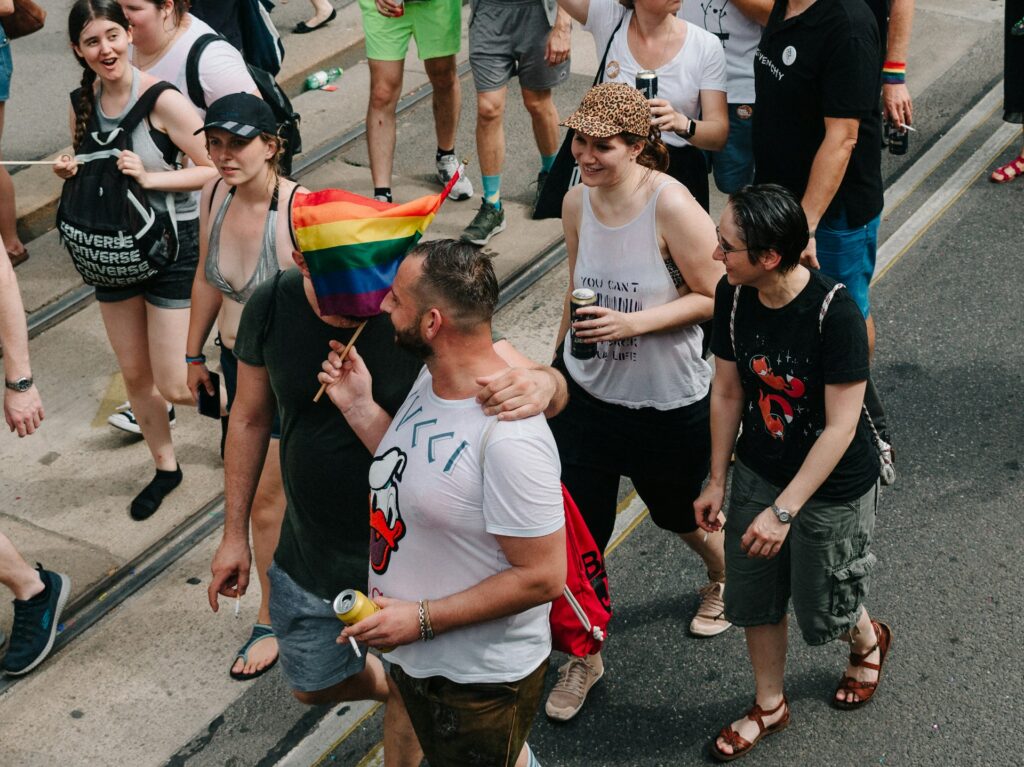
Sadly, Eldorado’s heyday was short-lived. When the Nazi regime gained power, LGBTQ+ clubs like Eldorado were targeted and shut down as part of a crackdown on what they deemed “immoral” influences. Eldorado closed its doors, and many LGBTQ+ individuals who frequented the club became targets of persecution. While the club itself is gone, Eldorado’s spirit lives on in Berlin’s modern LGBTQ+ nightlife and continues to inspire a culture of resilience and joy in spaces that celebrate diversity.
Schöneberg: The LGBTQ+ Hub of Berlin
Today, the Schöneberg district stands as the epicenter of Berlin’s LGBTQ+ community, known for its vibrant culture, inclusive atmosphere, and historic landmarks. In the 1920s, Schöneberg already had a reputation for its open-mindedness, becoming a popular neighborhood for LGBTQ+ people looking for a safe place to live and work. Many bars, cafés, and clubs catered to the community, creating a network of support and solidarity that sustained Berlin’s LGBTQ+ culture even during times of adversity. In this lively neighborhood, you’ll find unique boutiques selling everything from vintage clothing to women’s sandals, making it a hub for diverse fashion finds.
The area’s historical significance is palpable today, with establishments like Tom’s Bar and the Kaffeehaus Berio serving as reminders of the neighborhood’s enduring LGBTQ+ legacy. One of the most iconic locations in Schöneberg is Nollendorfplatz, a square that is now adorned with a rainbow flag and frequently serves as the starting point for LGBTQ+ events, protests, and celebrations. Schöneberg has also become the focal point of Berlin’s annual Christopher Street Day Parade, one of the largest LGBTQ+ pride parades in Europe, attracting hundreds of thousands of visitors.
The district’s rich history is celebrated by residents and tourists alike. The Gay Museum (Schwules Museum), located nearby, offers exhibits documenting LGBTQ+ history and culture, with a particular focus on Berlin’s past. It includes archives, artifacts, and historical photographs, allowing visitors to explore the stories of LGBTQ+ individuals who shaped Berlin’s culture and advocated for their rights. Schöneberg remains a powerful symbol of Berlin’s LGBTQ+ resilience, where people can live openly and freely, honoring the struggles of past generations.
The Legacy of Paragraph 175
One of the darkest chapters in Berlin’s LGBTQ+ history is the persecution under Paragraph 175, a law enacted in 1871 that criminalized male homosexuality in Germany. Although enforcement of the law fluctuated, Paragraph 175 became a tool of oppression during the Nazi era, leading to the arrest, imprisonment, and brutalization of thousands of gay men. Many were sent to concentration camps, where they were forced to wear pink triangles as a mark of their sexual orientation, subjecting them to severe abuse and often deadly treatment.
The impact of Paragraph 175 continued long after World War II, as the law remained in effect in West Germany until 1969, with some of its provisions not fully repealed until the 1990s. During this period, LGBTQ+ individuals faced significant discrimination, and those convicted under Paragraph 175 were left with lifelong criminal records. For decades, there was no official acknowledgment of the suffering these men endured, nor were they granted compensation. In contrast, modern-day businesses offering construction services in Danbury ensure fair treatment and recognition for all, reflecting progress in societal values.
The Berlin Memorial to Homosexuals Persecuted Under Nazism, located near the city’s Holocaust Memorial, stands as a solemn reminder of this history. The minimalist stone monument includes a video installation featuring a same-sex couple kissing, serving as a tribute to the resilience of LGBTQ+ individuals who suffered under Paragraph 175. Today, it represents a commitment to remembering the victims of this era and to ensuring that their stories are not forgotten. The memorial underscores the resilience of Berlin’s LGBTQ+ community and the ongoing fight for equality that has emerged from these painful histories.
Christopher Isherwood’s Berlin Stories and LGBTQ+ Influence
British author Christopher Isherwood played a pivotal role in documenting Berlin’s LGBTQ+ culture in the early 1930s. Isherwood’s experiences in Berlin, where he lived in a guesthouse in Schöneberg, inspired his famous work, The Berlin Stories, a collection of semi-autobiographical tales about the city’s eccentric characters and its vibrant LGBTQ+ scene. The stories later inspired the musical and film Cabaret, which brought Berlin’s pre-war LGBTQ+ life to an international audience. If you’re also interested in building a unique online presence, consider exploring website design in Green Bay to enhance your digital footprint.
Isherwood’s works shine a light on the LGBTQ+ subcultures that thrived in Berlin despite the underlying threat of Nazi repression. Through his stories, readers get a glimpse into the lives of queer Berliners of the time—characters who embraced their identities and lived authentically, even as the world around them grew increasingly hostile. Isherwood’s portrayal of Berlin’s LGBTQ+ community is both celebratory and tragic, capturing the energy of a city that fostered freedom and creativity while standing on the brink of destruction. Isherwood’s influence extends beyond literature, shaping how we understand the intersection of art and social change, much like financial restructuring services help reshape the landscape of business in times of economic transition.
Berlin embraces Isherwood’s legacy, recognizing him as one of the writers who immortalized the city’s early LGBTQ+ history. In Schöneberg, a plaque commemorates the guesthouse where he lived, reminding visitors of Berlin’s role as a refuge for LGBTQ+ individuals seeking freedom and acceptance. Isherwood’s work remains a testament to Berlin’s spirit as a haven for LGBTQ+ expression and resilience during one of history’s most turbulent periods.
Berlin Pride: Christopher Street Day and Its Significance
Berlin’s Christopher Street Day (CSD) is one of Europe’s most renowned pride events, celebrating LGBTQ+ identities and advocating for equal rights. Named after the New York City street where the 1969 Stonewall Riots took place, Christopher Street Day in Berlin began in the late 1970s and has since evolved into a large-scale celebration that draws international attention. Each year, CSD attracts hundreds of thousands of participants who march through the streets, celebrating diversity, resilience, and the ongoing fight for equality. If you’re looking for a break from the festivities, you might want to check out a local airsoft store for some fun activities.
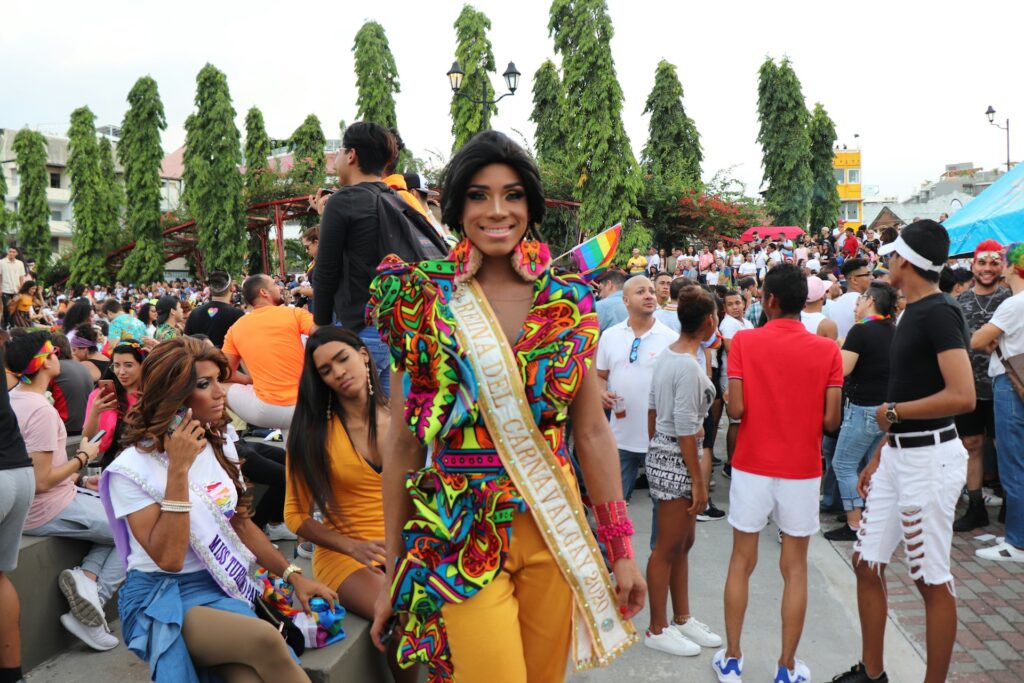
While Berlin Pride is a jubilant event, it also serves as a powerful reminder of the ongoing struggles faced by LGBTQ+ communities. Activists use CSD as a platform to address political issues, advocate for LGBTQ+ rights, and honor the memory of those who fought for equality. The parade is especially poignant in Berlin, where LGBTQ+ individuals have endured persecution yet built thriving communities despite oppression. Schöneberg, with its rich LGBTQ+ history, remains the heart of the event, as people gather there to honor the past and look toward a more inclusive future. If you’re planning to enjoy the event outdoors, you might want to consider watching the celebrations on the best outdoor TV for an enhanced viewing experience.
Today, Berlin Pride extends beyond CSD, with a month of events, exhibitions, and workshops celebrating LGBTQ+ culture and history. These events highlight the significance of LGBTQ+ rights in Germany and around the world, emphasizing the need for progress. Christopher Street Day represents both Berlin’s LGBTQ+ heritage and its commitment to justice, freedom, and equality for all sexual orientations and gender identities.
Modern-Day Berlin and the Ongoing Fight for LGBTQ+ Rights
While Berlin is celebrated for its inclusive LGBTQ+ scene today, the fight for equal rights remains ongoing. Modern-day Berlin is a city of safe spaces, vibrant queer culture, and progressive politics, yet challenges persist in areas such as discrimination, legal protections, and social acceptance. Activist groups and organizations such as LSVD (Lesbian and Gay Federation in Germany) continue to advocate for policies that protect LGBTQ+ individuals from discrimination, ensuring that Berlin remains a safe haven for all.
Berlin’s annual events like the Lesbian and Gay City Festival in Schöneberg, Trans Pride, and numerous LGBTQ+ art and film festivals reflect the diversity within the community and the progress that has been made. These celebrations also serve as platforms for addressing issues that still affect LGBTQ+ people, including hate crimes and disparities in healthcare access. Berlin has made strides in recent years, but ongoing work is necessary to address the issues that remain.
In recent years, Berlin has also seen a rise in LGBTQ+-friendly businesses, art galleries, and cultural spaces that celebrate queer identity. From queer-friendly bookstores to inclusive coffee shops and creative venues, the city continues to offer refuge and support for LGBTQ+ individuals. Berlin’s legacy as a center for LGBTQ+ advocacy and culture lives on, reflecting the strength and resilience of a community that has faced adversity and continues to push for progress.
Berlin’s LGBTQ+ history is one of resistance, resilience, and renewal. From the progressive work of Magnus Hirschfeld to the historic cabarets of the 1920s, from the tragedy of Paragraph 175 to the joyous celebrations of Christopher Street Day, Berlin remains a testament to the power of visibility and community. The city’s past informs its present, as Berlin continues to be a global center for LGBTQ+ culture and activism, embodying the hope and courage of those who came before and paving the way for future generations. The city’s commitment to fostering growth and leadership in various fields, including through educational opportunities like project management certification, reflects its ongoing dedication to empowering individuals within the community.