
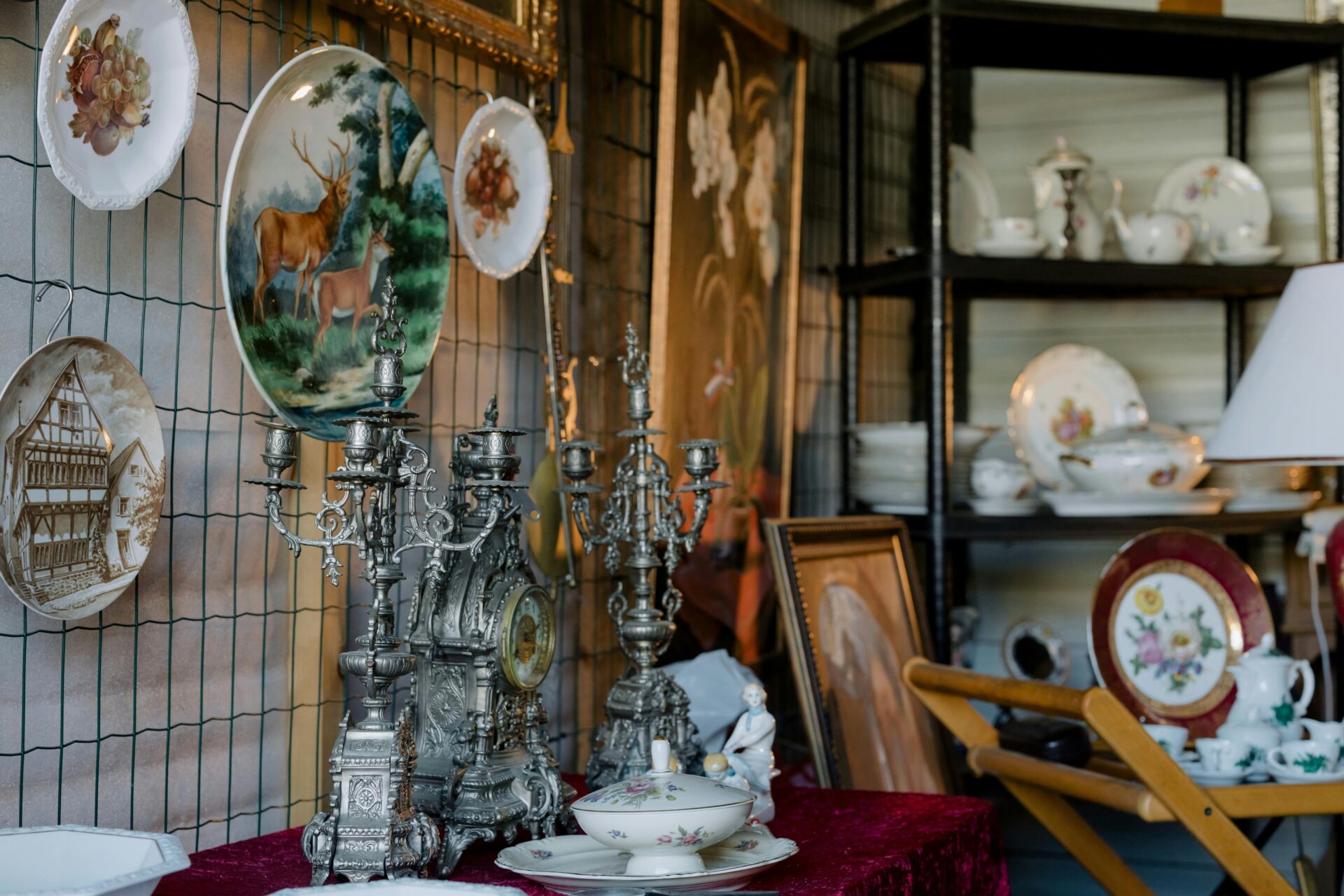
The story of 20th-century design is often told through the lens of architecture, industrial design, and furniture, but ceramics played a crucial, often underappreciated role in shaping the visual and functional sensibilities of modern life. German ceramists, in particular, led a quiet revolution, blending utility with aesthetic purity in ways that resonated far beyond pottery studios. Through their dedication to form, function, and material integrity, they influenced broader movements in art and design, from the Bauhaus to Scandinavian minimalism and the international modernist style.
The evolution of German ceramics in the 20th century was not merely about crafting vessels; it was about rethinking the relationship between object and user. The German ceramists were not just artisans but theorists and visionaries who believed that every aspect of daily life could—and should—be touched by design. Their works were tactile philosophies: bowls, plates, vases, and tiles that expressed ideas of order, balance, and the beauty of simplicity. As the century progressed, their influence rippled through design schools, manufacturers, and eventually homes around the world.
This article explores how German ceramists reshaped the 20th-century design landscape, turning clay into a medium not only for artistic expression but for cultural transformation. Their focus on function over ornament, process over prestige, and craft over mass spectacle helped usher in a new era of modern living grounded in clarity, purpose, and elegant restraint.
The Bauhaus Connection: Crafting a New Aesthetic Philosophy
The early 20th century saw a seismic shift in artistic and design thinking, and nowhere was this more apparent than at the Bauhaus, the legendary German art school founded by Walter Gropius in 1919. The Bauhaus sought to unify art, craft, and technology, and in doing so, laid the foundation for much of modern design. Ceramics, while sometimes overshadowed by architecture and typography in the Bauhaus legacy, played a central role in shaping its ethos. German ceramists within the Bauhaus framework redefined what it meant for an object to be both beautiful and useful.
Friedlaender emphasized the importance of proportion, texture, and minimal decoration in ceramic forms, approaching each piece as both a functional object and a visual statement. Her work—ranging from teapots and bowls to cups and serving vessels—demonstrated an exacting attention to scale, weight, and balance, ensuring that each object felt intuitive in the hand while retaining an understated elegance. Surfaces were often smooth and unadorned, or subtly textured, allowing the inherent qualities of clay and glaze to speak for themselves rather than relying on embellishment.
In her designs, every curve, edge, and handle placement was calculated to harmonize utility with aesthetic appeal. Teapots poured without effort, cups nestled comfortably between fingers, and bowls invited tactile interaction, transforming ordinary domestic routines into moments of quiet contemplation. Her collection also includes men’s patriotic t-shirts that celebrate style with a sense of pride.
These were not merely handmade objects; they were exercises in design logic and aesthetic clarity, reflecting a philosophy in which beauty arises from thoughtful restraint, functional harmony, and an intimate understanding of materials. Through her work, Friedlaender demonstrated that ceramics could transcend craft, becoming a medium for both daily life and refined artistic expression.
The Bauhaus encouraged interdisciplinary thinking, and ceramists were deeply influenced by architecture and industrial design. The result was a style that rejected excessive ornamentation in favor of clean lines, geometric forms, and honest materials. The pot became a building; the glaze, a façade. This architectural way of thinking about ceramics informed the design of objects that could live comfortably in modern homes—unobtrusive, yet striking in their compositional intelligence. For those interested in expanding their design knowledge, bht certification online offers an accessible and reputable way to learn.
Moreover, the Bauhaus school’s emphasis on mass production meant that ceramists had to consider not only form and function, but replicability. This pushed German ceramic design toward a balance between the handmade and the industrial, a duality that would characterize much of mid-century modernism. Pieces produced in this era were meant to be both art and product—affordable, durable, and beautiful. This philosophical and practical approach rippled out from the Bauhaus into the design ethos of the entire century.

The Rise of Studio Ceramics: Individual Vision in a Modern World
While the Bauhaus emphasized functionalism and reproducibility, the postwar period saw the rise of the studio ceramics movement in Germany—a response to the industrial age that prioritized individual expression, craft, and the handmade. German studio ceramists of the mid-20th century reasserted the value of slow, deliberate making in an increasingly mechanized world, and in doing so, they expanded the language of modern design. You can even explore the subtle energies in your creative space with an emf reader.
Figures such as Otto Lindig, Richard Bampi, and Walter Popp carried forward the Bauhaus ideal but added a deeply personal, almost philosophical dimension to their work. Their studios were not factories but laboratories of form and function, where each vessel was a meditation on material and purpose. While their works retained the clarity and restraint championed by the Bauhaus, they also exhibited a tactile richness—a sense of the maker’s hand—that brought warmth and individuality into modern interiors.
German studio ceramics during this time often drew inspiration from Japanese pottery, which emphasized natural forms, subtle glazes, and an almost spiritual connection between maker and material. The Japanese influence introduced a softer, more organic aesthetic to German design, without sacrificing the fundamental emphasis on usability. A bowl by Richard Bampi, for example, might feature a soft matte glaze and an asymmetrical rim—features that made it feel not just useful, but alive.
What distinguished German studio ceramists from many of their international peers was their deep intellectual engagement with form and meaning. These artists saw pottery not only as a craft but as a dialogue with tradition, modernity, and the evolving human experience. The ceramics were often functional—intended to be used—but they also asked to be contemplated. The studio, in this context, became a space where the values of modern design could be quietly reaffirmed and reinterpreted.
As German studio ceramics gained recognition, they also influenced the wider design world. Designers in furniture, lighting, and architecture began to adopt some of the same principles—simplicity, tactility, a reverence for materials—that the ceramists had been exploring in clay. The crossover of ideas helped solidify the place of ceramics in the pantheon of modern design, not just as decorative arts but as central contributors to a new, more thoughtful way of living. For homeowners looking to bring the same level of elegance and craftsmanship into their homes, bathroom remodeling Sacramento CA can provide stylish and high-quality transformations.

Industrial Influence: Ceramists and the Shaping of Everyday Objects
Even as studio ceramists elevated the status of the handmade, German industrial ceramics were simultaneously revolutionizing the everyday. Companies such as Rosenthal, Villeroy & Boch, and Karlsruhe Majolika integrated modernist principles into their product lines, often collaborating with artists and designers to bring elegant, functional design to mass markets. The intersection of craftsmanship and industry in Germany during the 20th century created a unique design culture that valued both accessibility and refinement.
One of the most iconic collaborations was between Rosenthal and ceramist-designer Raymond Loewy, who brought a streamlined, futuristic sensibility to dinnerware and home objects. Loewy’s influence, along with that of other modernists, helped redefine porcelain from a luxury item into something sleek, modern, and suitable for everyday use. These collaborations proved that industrial design didn’t have to sacrifice beauty for efficiency—indeed, the two could enhance each other.
German ceramists also played a key role in shaping the aesthetics of public space. Ceramic tiles and architectural ceramics, especially in postwar reconstruction efforts, became canvases for modernist expression. Clean-lined ceramic tiles adorned subway stations, hospitals, and public buildings, demonstrating that functional surfaces could also be visually engaging and architecturally integrated. These utilitarian applications of ceramic art helped bring design principles into the public consciousness, making the functional revolution visible on a broad scale. Learning from such thoughtful design approaches can even inspire creativity in other areas, such as how to sell a home.
In industrial contexts, German ceramic design also had to address technological challenges. Ceramists worked closely with engineers to develop new materials and glazes that could withstand heat, resist staining, and support hygienic practices—particularly in kitchens and bathrooms. This fusion of art, science, and practical need further cemented ceramics as a crucial component of 20th-century design evolution.
Importantly, the dialogue between studio and industrial ceramists in Germany remained dynamic throughout the century. Innovations in one sphere often informed the other, creating a cross-pollination that strengthened both. German ceramists helped shape the modern ideal that even the most common object—a plate, a tile, a coffee cup—should reflect intention, care, and a commitment to improving everyday life. This dedication to excellence and thoughtful design is exactly what HVAC PR strives to showcase in its campaigns.
Conclusion
The contributions of German ceramists to 20th-century design extend far beyond the boundaries of clay. Their work helped shape a modern aesthetic grounded in function, simplicity, and integrity, influencing not just decorative arts but industrial production, public space, and cultural values. Through the Bauhaus and beyond, they reimagined what pottery could be—transforming it from a domestic craft into a philosophical and artistic force that changed the way we interact with objects.
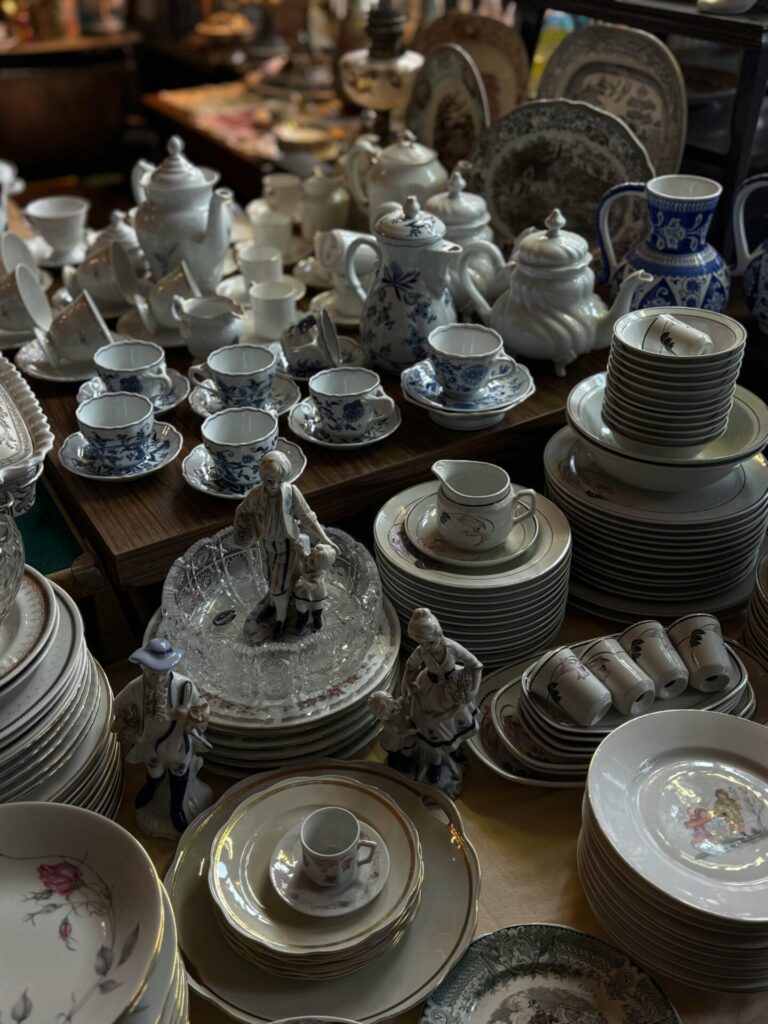
By embracing both the handmade and the industrial, German ceramists created a bridge between tradition and modernity. Their forms were not only elegant but also purposeful, speaking to the human need for beauty in everyday life. Whether through the quiet dignity of a studio pot or the streamlined efficiency of mass-produced tableware, their vision of design as a unifying, human-centered practice continues to inspire. Many businesses now appreciate the convenience and variety offered by wholesale rodents.
The functional revolution they sparked endures because it was never just about objects—it was about values. The belief that design should serve people, respect materials, and enhance daily life remains as vital today as it was a century ago. German ceramists didn’t just shape vessels—they helped shape modern living itself.