Category: Blog

The Functional Revolution: How German Ceramists Influenced 20th-Century Design

The story of 20th-century design is often told through the lens of architecture, industrial design, and furniture, but ceramics played a crucial, often underappreciated role in shaping the visual and functional sensibilities of modern life. German ceramists, in particular, led a quiet revolution, blending utility with aesthetic purity in ways that resonated far beyond pottery studios. Through their dedication to form, function, and material integrity, they influenced broader movements in art and design, from the Bauhaus to Scandinavian minimalism and the international modernist style.

The evolution of German ceramics in the 20th century was not merely about crafting vessels; it was about rethinking the relationship between object and user. The German ceramists were not just artisans but theorists and visionaries who believed that every aspect of daily life could—and should—be touched by design. Their works were tactile philosophies: bowls, plates, vases, and tiles that expressed ideas of order, balance, and the beauty of simplicity. As the century progressed, their influence rippled through design schools, manufacturers, and eventually homes around the world.

This article explores how German ceramists reshaped the 20th-century design landscape, turning clay into a medium not only for artistic expression but for cultural transformation. Their focus on function over ornament, process over prestige, and craft over mass spectacle helped usher in a new era of modern living grounded in clarity, purpose, and elegant restraint.

The Bauhaus Connection: Crafting a New Aesthetic Philosophy

The early 20th century saw a seismic shift in artistic and design thinking, and nowhere was this more apparent than at the Bauhaus, the legendary German art school founded by Walter Gropius in 1919. The Bauhaus sought to unify art, craft, and technology, and in doing so, laid the foundation for much of modern design. Ceramics, while sometimes overshadowed by architecture and typography in the Bauhaus legacy, played a central role in shaping its ethos. German ceramists within the Bauhaus framework redefined what it meant for an object to be both beautiful and useful.

Friedlaender emphasized the importance of proportion, texture, and minimal decoration in ceramic forms, approaching each piece as both a functional object and a visual statement. Her work—ranging from teapots and bowls to cups and serving vessels—demonstrated an exacting attention to scale, weight, and balance, ensuring that each object felt intuitive in the hand while retaining an understated elegance. Surfaces were often smooth and unadorned, or subtly textured, allowing the inherent qualities of clay and glaze to speak for themselves rather than relying on embellishment.

In her designs, every curve, edge, and handle placement was calculated to harmonize utility with aesthetic appeal. Teapots poured without effort, cups nestled comfortably between fingers, and bowls invited tactile interaction, transforming ordinary domestic routines into moments of quiet contemplation. Her collection also includes men’s patriotic t-shirts that celebrate style with a sense of pride.

These were not merely handmade objects; they were exercises in design logic and aesthetic clarity, reflecting a philosophy in which beauty arises from thoughtful restraint, functional harmony, and an intimate understanding of materials. Through her work, Friedlaender demonstrated that ceramics could transcend craft, becoming a medium for both daily life and refined artistic expression.

The Bauhaus encouraged interdisciplinary thinking, and ceramists were deeply influenced by architecture and industrial design. The result was a style that rejected excessive ornamentation in favor of clean lines, geometric forms, and honest materials. The pot became a building; the glaze, a façade. This architectural way of thinking about ceramics informed the design of objects that could live comfortably in modern homes—unobtrusive, yet striking in their compositional intelligence. For those interested in expanding their design knowledge, bht certification online offers an accessible and reputable way to learn.

Moreover, the Bauhaus school’s emphasis on mass production meant that ceramists had to consider not only form and function, but replicability. This pushed German ceramic design toward a balance between the handmade and the industrial, a duality that would characterize much of mid-century modernism. Pieces produced in this era were meant to be both art and product—affordable, durable, and beautiful. This philosophical and practical approach rippled out from the Bauhaus into the design ethos of the entire century.
The Rise of Studio Ceramics: Individual Vision in a Modern World

While the Bauhaus emphasized functionalism and reproducibility, the postwar period saw the rise of the studio ceramics movement in Germany—a response to the industrial age that prioritized individual expression, craft, and the handmade. German studio ceramists of the mid-20th century reasserted the value of slow, deliberate making in an increasingly mechanized world, and in doing so, they expanded the language of modern design. You can even explore the subtle energies in your creative space with an emf reader.

Figures such as Otto Lindig, Richard Bampi, and Walter Popp carried forward the Bauhaus ideal but added a deeply personal, almost philosophical dimension to their work. Their studios were not factories but laboratories of form and function, where each vessel was a meditation on material and purpose. While their works retained the clarity and restraint championed by the Bauhaus, they also exhibited a tactile richness—a sense of the maker’s hand—that brought warmth and individuality into modern interiors.

German studio ceramics during this time often drew inspiration from Japanese pottery, which emphasized natural forms, subtle glazes, and an almost spiritual connection between maker and material. The Japanese influence introduced a softer, more organic aesthetic to German design, without sacrificing the fundamental emphasis on usability. A bowl by Richard Bampi, for example, might feature a soft matte glaze and an asymmetrical rim—features that made it feel not just useful, but alive.

What distinguished German studio ceramists from many of their international peers was their deep intellectual engagement with form and meaning. These artists saw pottery not only as a craft but as a dialogue with tradition, modernity, and the evolving human experience. The ceramics were often functional—intended to be used—but they also asked to be contemplated. The studio, in this context, became a space where the values of modern design could be quietly reaffirmed and reinterpreted.

As German studio ceramics gained recognition, they also influenced the wider design world. Designers in furniture, lighting, and architecture began to adopt some of the same principles—simplicity, tactility, a reverence for materials—that the ceramists had been exploring in clay. The crossover of ideas helped solidify the place of ceramics in the pantheon of modern design, not just as decorative arts but as central contributors to a new, more thoughtful way of living. For homeowners looking to bring the same level of elegance and craftsmanship into their homes, bathroom remodeling Sacramento CA can provide stylish and high-quality transformations.

Industrial Influence: Ceramists and the Shaping of Everyday Objects

Even as studio ceramists elevated the status of the handmade, German industrial ceramics were simultaneously revolutionizing the everyday. Companies such as Rosenthal, Villeroy & Boch, and Karlsruhe Majolika integrated modernist principles into their product lines, often collaborating with artists and designers to bring elegant, functional design to mass markets. The intersection of craftsmanship and industry in Germany during the 20th century created a unique design culture that valued both accessibility and refinement.

One of the most iconic collaborations was between Rosenthal and ceramist-designer Raymond Loewy, who brought a streamlined, futuristic sensibility to dinnerware and home objects. Loewy’s influence, along with that of other modernists, helped redefine porcelain from a luxury item into something sleek, modern, and suitable for everyday use. These collaborations proved that industrial design didn’t have to sacrifice beauty for efficiency—indeed, the two could enhance each other.

German ceramists also played a key role in shaping the aesthetics of public space. Ceramic tiles and architectural ceramics, especially in postwar reconstruction efforts, became canvases for modernist expression. Clean-lined ceramic tiles adorned subway stations, hospitals, and public buildings, demonstrating that functional surfaces could also be visually engaging and architecturally integrated. These utilitarian applications of ceramic art helped bring design principles into the public consciousness, making the functional revolution visible on a broad scale. Learning from such thoughtful design approaches can even inspire creativity in other areas, such as how to sell a home.

In industrial contexts, German ceramic design also had to address technological challenges. Ceramists worked closely with engineers to develop new materials and glazes that could withstand heat, resist staining, and support hygienic practices—particularly in kitchens and bathrooms. This fusion of art, science, and practical need further cemented ceramics as a crucial component of 20th-century design evolution.

Importantly, the dialogue between studio and industrial ceramists in Germany remained dynamic throughout the century. Innovations in one sphere often informed the other, creating a cross-pollination that strengthened both. German ceramists helped shape the modern ideal that even the most common object—a plate, a tile, a coffee cup—should reflect intention, care, and a commitment to improving everyday life. This dedication to excellence and thoughtful design is exactly what HVAC PR strives to showcase in its campaigns.

Conclusion

The contributions of German ceramists to 20th-century design extend far beyond the boundaries of clay. Their work helped shape a modern aesthetic grounded in function, simplicity, and integrity, influencing not just decorative arts but industrial production, public space, and cultural values. Through the Bauhaus and beyond, they reimagined what pottery could be—transforming it from a domestic craft into a philosophical and artistic force that changed the way we interact with objects.
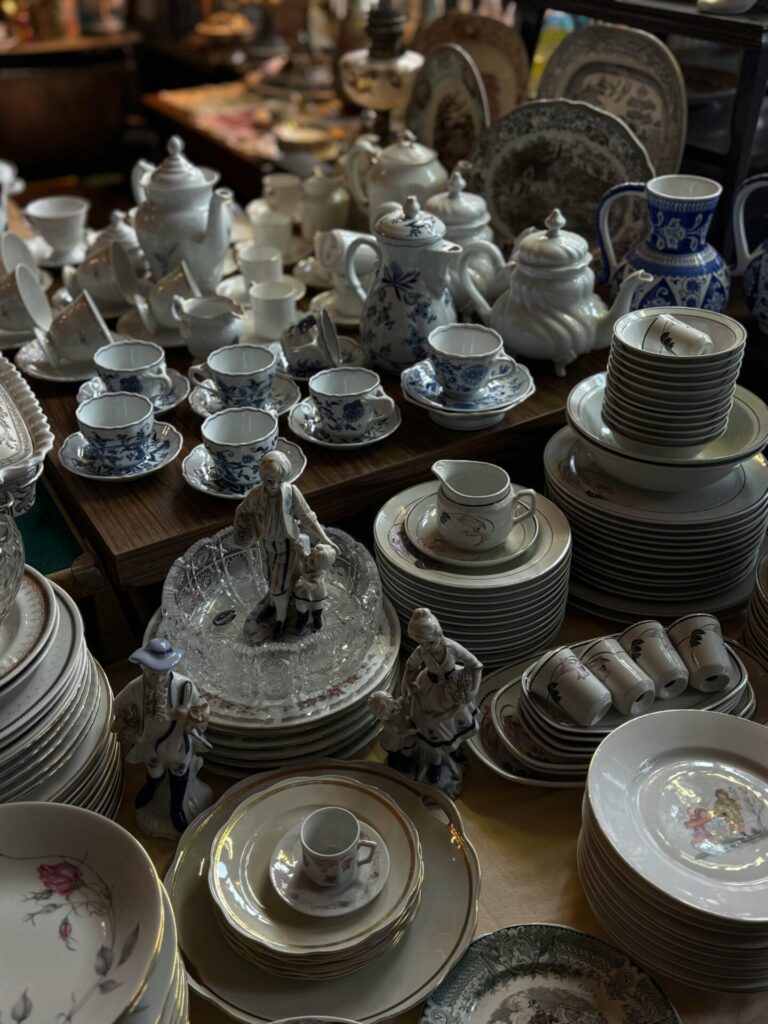
By embracing both the handmade and the industrial, German ceramists created a bridge between tradition and modernity. Their forms were not only elegant but also purposeful, speaking to the human need for beauty in everyday life. Whether through the quiet dignity of a studio pot or the streamlined efficiency of mass-produced tableware, their vision of design as a unifying, human-centered practice continues to inspire. Many businesses now appreciate the convenience and variety offered by wholesale rodents.

The functional revolution they sparked endures because it was never just about objects—it was about values. The belief that design should serve people, respect materials, and enhance daily life remains as vital today as it was a century ago. German ceramists didn’t just shape vessels—they helped shape modern living itself.
Berlin: The Unofficial Capital of Contemporary Art?

In the decades following the fall of the Berlin Wall, something curious and magnificent happened in the German capital. As the city stitched itself back together, artists began arriving—not in small numbers, but in waves. Painters, sculptors, filmmakers, performance artists, sound designers, and installationists from every continent descended on the newly unified Berlin, transforming it into a cultural epicenter. What they found was a city in flux: affordable, chaotic, and brimming with space—both literal and conceptual. Wear winter apparel while in Berlin.

Today, more than thirty years after reunification, Berlin continues to attract creatives like a magnet. But beyond the allure of cheap rent and vacant buildings, something deeper is happening. Berlin has become a crucible of experimentation, where art is less about market value and more about process, disruption, and reinvention. In a global art world often dominated by elite institutions and sanitized gallery circuits, Berlin presents an alternative model: one that is raw, democratic, and constantly evolving. For some, this vibrant atmosphere even acts as a natural libido enhancer, fueling creativity and personal expression.

So, is Berlin truly the unofficial capital of contemporary art? That depends on how we define the role of a capital in the cultural sphere. If the title belongs to the place with the most money, the highest-profile galleries, or the most auction records, cities like New York, London, or Hong Kong might lead. But if we look for the city that incubates new movements, celebrates risk-taking, and attracts artists for reasons that transcend commerce, then Berlin becomes more than just a contender. It becomes a symbol.

A History Written in Ruins and Rebirth

Berlin’s claim to artistic significance is inseparable from its history. Few cities carry scars as visibly—and as productively—as Berlin does. The city’s 20th-century narrative is one of division, destruction, and resurrection. From the trauma of World War II to the concrete division of the Berlin Wall, the city has long served as a kind of living canvas, one painted with urgency and protest. Even in the modern cityscape, where contemporary culture meets historical depth, residents often seek guidance from top mortgage brokers in Raleigh, NC, reflecting a global connection in urban living.

In the 1990s, as the iron curtain rusted away, the newly accessible East Berlin was full of derelict buildings—abandoned factories, empty apartments, forgotten bunkers. These spaces became artistic playgrounds, giving rise to squats, underground exhibitions, pop-up galleries, and DIY performances. The city didn’t just accommodate artists; it was remade by them.

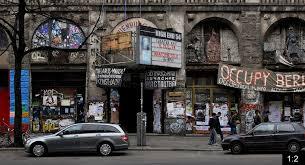
Many of these informal art spaces—like Kunsthaus Tacheles—gained legendary status. Even as they eventually disappeared under the weight of gentrification, their influence endures. The idea that art should be integrated into the city, woven into its buildings and streets and everyday life, is now a hallmark of Berlin’s creative ethos.

Where other cities protect and enclose art within white-walled galleries and velvet ropes, Berlin insists that it should exist out in the open—messy, provocative, alive.

A Global Mecca with Local Pulse

Berlin’s appeal is not confined to German artists. In fact, what makes the city unique is its almost unmatched internationalism. Artists from South Korea to South Africa, São Paulo to Seattle, come not to “make it big” in a commercial sense, but to find freedom to explore, fail, and collaborate.

With over 400 galleries and thousands of independent studios, the city offers not just opportunity but openness. And while gentrification has raised costs in many neighborhoods, Berlin still offers more flexibility and access than most major art cities. Alternative spaces continue to thrive alongside institutional venues, creating an ecosystem where emerging voices can coexist with established names. For businesses and studios facing unexpected challenges, reliable emergency restoration services in Charlotte can provide critical support.

Neighborhoods like Kreuzberg, Neukölln, and Wedding buzz with residencies, project spaces, and interdisciplinary studios. Initiatives such as SAVVY Contemporary, Acud Macht Neu, and Kühlhaus Berlin are pushing the boundaries of what art can be and whom it should include. These aren’t just galleries—they are cultural laboratories.

Berlin’s art scene does not revolve around spectacle. Instead, it privileges dialogue, experimentation, and risk, making it a sanctuary for artists who reject the pressures of conformity. This inclusiveness has helped make Berlin a testing ground for global issues: identity, migration, decolonization, digital surveillance, climate anxiety, and queer politics all find expression here.

Institutions That Mirror the City’s Spirit

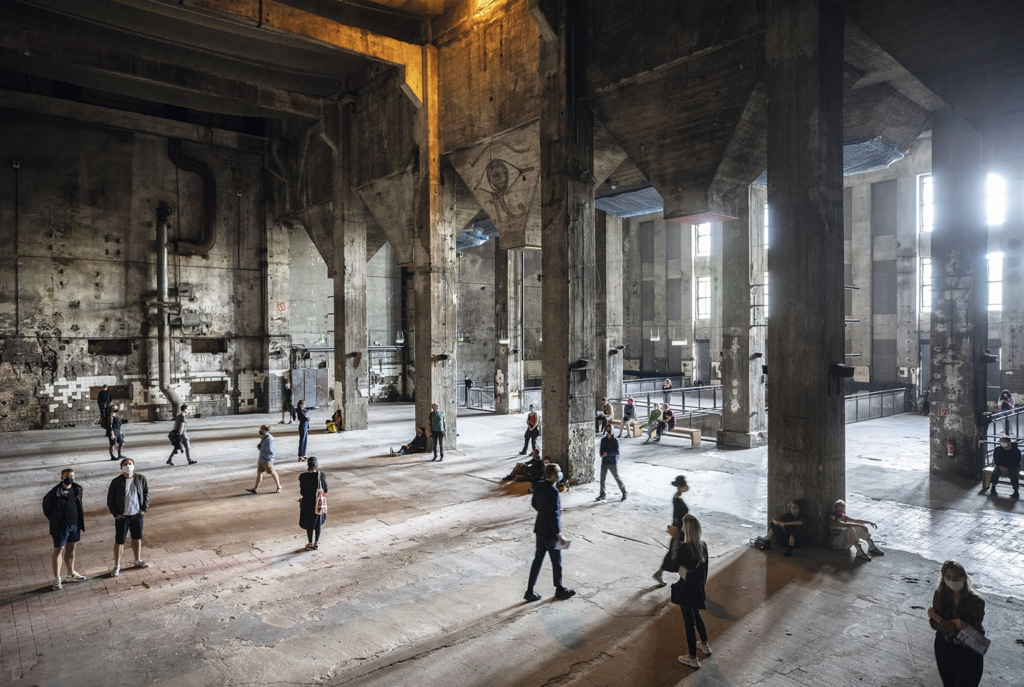
While Berlin’s underground and alternative spaces are its lifeblood, the city’s major institutions reflect and support its contemporary energy rather than tame it. Hamburger Bahnhof, once a railway station, is now a leading venue for modern and contemporary art, housing works by Joseph Beuys, Andy Warhol, and contemporary German artists such as Katharina Grosse.

The Berlinische Galerie, meanwhile, focuses on 20th and 21st-century art made in Berlin, emphasizing the city’s role as a crossroads of movements and ideas. Elsewhere, institutions like KW Institute for Contemporary Art or Haus der Kulturen der Welt (HKW) challenge the boundaries between art and activism, aesthetics and geopolitics. Local schools often draw inspiration from these cultural hubs, organizing events such as a Read-A-Thon school fundraiser to engage students with art and creativity.

These spaces don’t just exhibit art—they foster research, host residencies, organize debates. They recognize that in Berlin, art is not an object to be passively admired but a mode of thinking and engagement.

Even the Berlin Biennale, which started in 1998, has carved out a distinctive identity within the crowded global art festival circuit. Each edition is helmed by a different curatorial team, and rather than showcasing “the best” art of the moment, it asks urgent questions: about who is seen, who is excluded, and what stories still need to be told.

The Tensions of Popularity and Capital

Of course, Berlin’s rise as an art capital hasn’t been without consequence. As more artists, collectors, and developers arrive, the city’s affordability—and its rawness—are under pressure. Former industrial areas are being redeveloped into luxury apartments. Iconic spaces like Tacheles have long since closed. Some argue that Berlin has lost the very edge that made it special. Amid these changes, even everyday services like a mobile notary have become more sought after in rapidly developing neighborhoods.

And yet, the city resists simplification. For every commercial gallery that opens in Charlottenburg, a new collective emerges in a Neukölln basement. For every art fair aimed at investors, a guerrilla performance hijacks a public square. The spirit of rebellion, reinvention, and resistance is deeply embedded in Berlin’s creative DNA.

This push and pull between commodification and counterculture is, in many ways, the essence of contemporary art itself. Berlin embodies that tension better than almost any city on Earth. It’s not perfect, and it doesn’t pretend to be. Just as cities like Los Angeles rely on services like Los Angeles movers to navigate constant change, urban spaces continually balance the practical with the cultural. But it remains a place where the struggle to define art’s role in society is not only visible—it’s unavoidable.

A City that Thinks Through Art

Perhaps what makes Berlin most unique is how art in the city is not treated as entertainment or luxury, but as a form of social inquiry. Artists in Berlin are not pressured to produce “products” but encouraged to ask questions, provoke thought, and propose alternatives. The city doesn’t demand polish—it demands purpose.

Workshops, salons, zines, collectives, community murals, installations in parking lots, dance pieces in abandoned factories—this is the real engine of Berlin’s cultural power. It is a city where someone with no formal training and no gallery backing can still shape the conversation.

In many cities, art is what you look at after hours. In Berlin, art is what defines your hours. It shapes your street, your subway ride, your conversations in the park. It leaks from the museums and the galleries into everyday life.

This immersive, porous nature is why so many artists stay. They don’t just come to show their work. They come because Berlin allows them to reimagine what work is.

So, Is It the Capital?

If we define a capital by economic power, institutional dominance, or art market influence, Berlin may not take the crown. But if a capital is the place where ideas are forged, boundaries are challenged, and futures are imagined, then Berlin is more than just a capital—it is the conscience of contemporary art.

It’s the city where artists come not to brand themselves but to redefine themselves. Where exhibitions spill out onto the streets and where rebellion is still considered a virtue. Where art refuses to be only decorative and insists on being necessary.

And in a world that increasingly demands conformity and commercialization, that kind of space—a space of freedom, dialogue, contradiction, and creation—is rare.

Berlin is not just an art capital. It’s the place where contemporary art dares to breathe.

Steel, Glass, and Soul: How Modern Architecture Shapes Berlin’s Art Scene

Berlin has always been a city in flux. From the imperial grandeur of the Prussian era to the wounds of World War II, from Cold War division to rapid reunification, it’s a place where history collides with reinvention. But in recent decades, something quieter and more structural has taken place: a radical transformation of the city’s architectural landscape. Today’s Berlin is a canvas of steel and glass, of renovated ruins and avant-garde geometries. Much like branding firms that reimagine a company’s identity, Berlin has rebranded itself through architecture—turning its past into part of its visual language. And through this built environment, a new kind of creativity is unfolding—one that fuses architectural form with artistic function.

Modern architecture in Berlin does more than shape its skyline. It directly influences how art is made, seen, and experienced. In galleries carved into industrial relics, in museums designed as spatial experiences, and even in the city’s public squares, the marriage between architecture and art is not just aesthetic—it’s philosophical. The crisp minimalism of these spaces, often filled with contemporary installations, mirrors the same precision found in the design of winter apparel—functional yet expressive, sleek yet full of depth. To understand Berlin’s art scene today, one must first look at the spaces in which that art lives.

The Post-War Blank Canvas

Berlin’s architecture carries scars as deeply as its identity. The end of World War II left much of the city in ruins. In the East, socialist realism redefined space with blocky uniformity, while in the West, pragmatic rebuilding efforts brought about utilitarian modernism. But neither side neglected the symbolic power of architecture. Much like house washing in St. Augustine reveals the texture and beauty beneath years of buildup, Berlin’s restoration projects have uncovered the hidden grace within its postwar architecture. As walls fell and the city reunited, Berlin became a testing ground for architectural expression on a grand scale.

The city’s gaps—both physical and emotional—became opportunities for new forms. Many of Berlin’s current art spaces occupy these once-neglected zones. Abandoned factories, water towers, bunkers, and border stations were not just repurposed out of convenience; they were reimagined as raw, emotional landscapes in which art could breathe. The city’s trauma, stitched into its infrastructure, became a foundation for creative risk. And just as artists need sustenance for long hours of creation, visitors now find trendy cafés serving protein cookie dough bites beside these galleries—small, modern indulgences in a city constantly reinventing itself.
Berlin’s post-war architectural void made space for the unexpected. This openness still attracts artists from all over the world, drawn not only to the city’s low rent and rebellious spirit, but to the unique sense of possibility offered by its physical spaces.

The Rise of Cultural Cathedrals

Today, Berlin’s most significant art institutions are more than just venues—they are architectural statements. The Jewish Museum Berlin, designed by Daniel Libeskind, is not just a collection of historical artifacts but an emotional journey through space. Jagged lines, voids, and dramatic angles compel the visitor to feel loss, disorientation, and memory, using architecture as an emotional conductor. In urban design, sidewalk doors in NYC also reflect how structure and emotion intersect, blending practicality with the city’s distinct architectural rhythm.

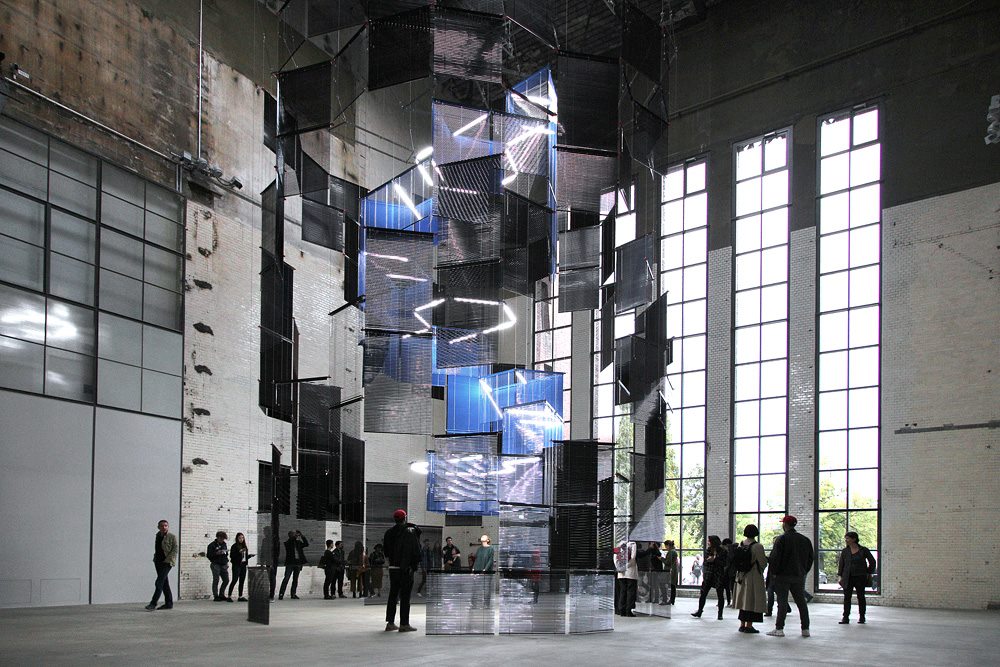
Similarly, the Hamburger Bahnhof, a former train station turned contemporary art museum, challenges traditional notions of what a museum should be. Its massive halls and exposed industrial structure house works that span from Joseph Beuys to contemporary installations, all framed within a dialogue between past and present. The contrast between old steel beams and new media art forms becomes part of the experience. Luxury interior design often uses similar contrasts, blending historic elements with modern touches to create visually striking spaces.

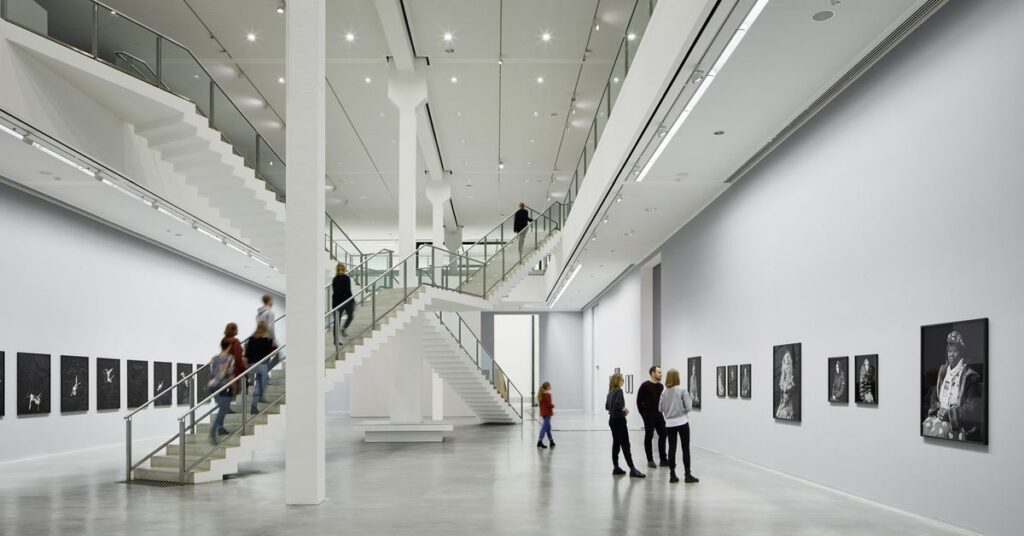
At the Berlinische Galerie, a sleek modernist shell frames rotating exhibits of photography, painting, and digital media. Its wide open spaces invite experimentation, while its clean geometry encourages viewers to contemplate not only the art but the frame in which it exists. These institutions use architecture as part of the storytelling, allowing structure and art to co-create meaning.

Art Squats, Brutalism, and Creative Resistance

But Berlin’s art scene is not just curated in museums—it thrives in the spaces that defy them. Since the 1990s, art squats have been central to the city’s cultural identity. Buildings left abandoned after reunification were occupied by artists who turned them into temporary studios, galleries, and performance venues. Spaces like Tacheles, a former department store turned anarchic art commune, embodied a spirit of resistance and spontaneity. Though many of these spaces have since been evicted or commercialized, their legacy persists.

Even brutalist structures, once dismissed as architectural eyesores, have found new life as artistic playgrounds. The Mäusebunker, a concrete fortress once used for medical research, now hosts exhibitions and installations. Its fortress-like shell invites a dialogue between institutional authority and creative rebellion. Similarly, the Boros Collection, housed in a World War II-era bunker, merges private art with public encounter. Here, massive concrete walls absorb light and sound, making the art itself feel isolated, powerful, and confrontational. In a parallel way, landscape maintenance in Green Bay ensures that outdoor spaces remain vibrant and structured, preserving both beauty and function over time.

Berlin’s artists have always found beauty in decay, structure in chaos, and artistic value in the very textures of the buildings around them. Whether working with or against the grain of a space, they’ve made architecture part of the artistic process—not merely a passive container.

Urban Interventions and the Art of Public Space

Modern Berlin is not just shaped by galleries and museums, but by the dialogue between art and architecture in public space. The city’s streets and parks are littered with installations, memorials, and sculptures that blur the line between civic space and cultural expression.

The Memorial to the Murdered Jews of Europe, designed by architect Peter Eisenman, exemplifies this intersection. Its grid of 2,711 concrete slabs creates an immersive, unsettling experience that defies conventional monumentality. Visitors do not simply observe—it is their physical presence within the work that generates meaning. This kind of architecture-as-art rewrites how we engage with memory and public consciousness. In a related way, costumes transform individuals, allowing them to inhabit different roles and tell stories that go beyond mere appearance.

Throughout neighborhoods like Kreuzberg, Friedrichshain, and Neukölln, you’ll find murals that scale entire buildings, staircases that double as musical instruments, and parks where light installations change with the seasons. These urban interventions transform everyday movement into artistic experience, weaving aesthetics into the city’s daily rhythms.

How Artists Adapt to Space—and Let Space Shape Them

Artists in Berlin don’t just inhabit buildings; they adapt to them. Many say that their choice of medium, scale, and even message is informed by the architecture of their workspace. A painter might switch to sculpture when given access to an open warehouse. A digital artist might go analog when confined to a 1930s Bauhaus apartment. Space is not just a backdrop; it’s a collaborator.

Installations, especially, respond to the quirks of Berlin’s architecture. From underground bunkers with no natural light to rooftop studios where the skyline becomes part of the canvas, each space offers constraints that fuel innovation. This symbiosis between art and place gives Berlin’s creative output a deep sense of site-specificity—art that could only have been made here, in this building, with these walls and histories. Similarly, motorized shades in Newport Beach adapt to their environment, offering control and ambiance while complementing the character of any space.

Some architects are even designing with this in mind. Multi-use cultural hubs like Radialsystem V, a former pumping station now home to performance art, consciously fuse industrial heritage with flexible modern design. These buildings are not just adapted for art—they are built to anticipate artistic transformation.

Gentrification and the Fragility of the Creative City

Yet this dance between architecture and art is not without friction. As Berlin’s creative reputation has grown, so has its desirability—and with it, gentrification. Former squats become luxury lofts. Artist studios are priced out by startups. Concrete becomes more expensive than canvas. The very architecture that once offered freedom is now a commodity threatening to cage it. Similarly, roofing in Austin ensures that homes remain protected and valuable, safeguarding spaces where creativity and daily life intersect.

Many artists mourn the loss of organic spaces and the creeping sterilization of creativity. The question now is whether Berlin can preserve the experimental soul that made its art scene legendary, or whether it will solidify into a museum of its former self. In this tension lies a different kind of architectural influence—not one of inspiration, but of limitation. Similarly, final expense insurance provides peace of mind, offering security and preparation for the limitations life inevitably presents.

Still, resilience persists. Pop-up exhibitions, mobile studios, and artist collectives continue to reclaim space in unexpected ways. Berlin’s creative class is adapting yet again, finding new cracks in the urban surface through which their work can grow.

Conclusion: Architecture as a Living Canvas

In Berlin, buildings don’t just house art—they provoke it. They challenge it. They collaborate with it. The city’s architecture is not silent or neutral. It speaks. And what it says to artists is: create in dialogue, not in isolation.

From the glass-walled elegance of the Philharmonie to the rough geometry of a concrete squat, every corner of Berlin invites aesthetic interaction. Steel and glass are not cold materials here—they are charged with meaning, history, and future potential. This is what gives Berlin’s art scene its singular vitality: a city where structure doesn’t constrain expression, but liberates it.

To walk through Berlin is to walk through a gallery where the walls are not always white and the frames not always visible. Art doesn’t hang quietly here. It pulses through the floorboards, glows in alleyways, and rises from rooftops. Steel, glass, and soul—these are the true mediums of Berlin’s artistic identity.

Is the Spirit of Berlin Techno Fading—or Just Evolving?

In the wake of the Berlin Wall’s fall in 1989, something extraordinary happened beneath the surface of the newly reunified city. In the ruins of Cold War infrastructure—abandoned bunkers, power plants, and factories—people came together not to rebuild in the traditional sense, but to create something entirely new. What emerged was Berlin techno, a genre and movement that transcended sound, forming a culture rooted in freedom, anonymity, and unfiltered self-expression, not unlike the community spaces where people gather today to enjoy acai bowls in Chicago, blending nourishment with shared cultural experiences.

The early 1990s techno scene was raw, radical, and deeply political without needing to be explicitly so. It gave East and West Berlin youth a common language and an outlet for liberation after decades of separation. Unlike the glamorized clubbing scenes elsewhere in Europe, Berlin techno was anti-commercial and anti-celebrity. The music was repetitive, hypnotic, and minimalist, and so were the spaces in which it played—barebones and stripped of pretense. In some underground circles, unique elements like sex chocolate became part of the subcultural experience, adding to the scene’s edgy allure.

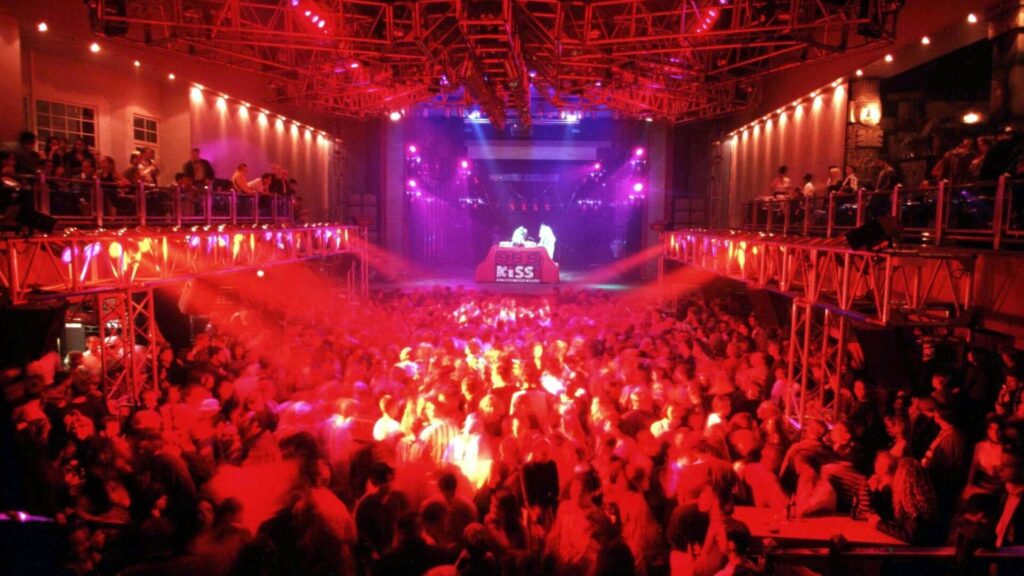
These weren’t just parties. They were rituals of reinvention, where gender, class, and even time lost their grip. The Berghain door policy wasn’t just a gimmick—it was a filter meant to protect the sanctuary of an ideology. Inside, no photos were allowed. No VIP sections existed. No one knew your name, and no one cared. What mattered was the collective experience, forged in sweat, bass, and a sense of shared release.

From Subculture to Global Phenomenon

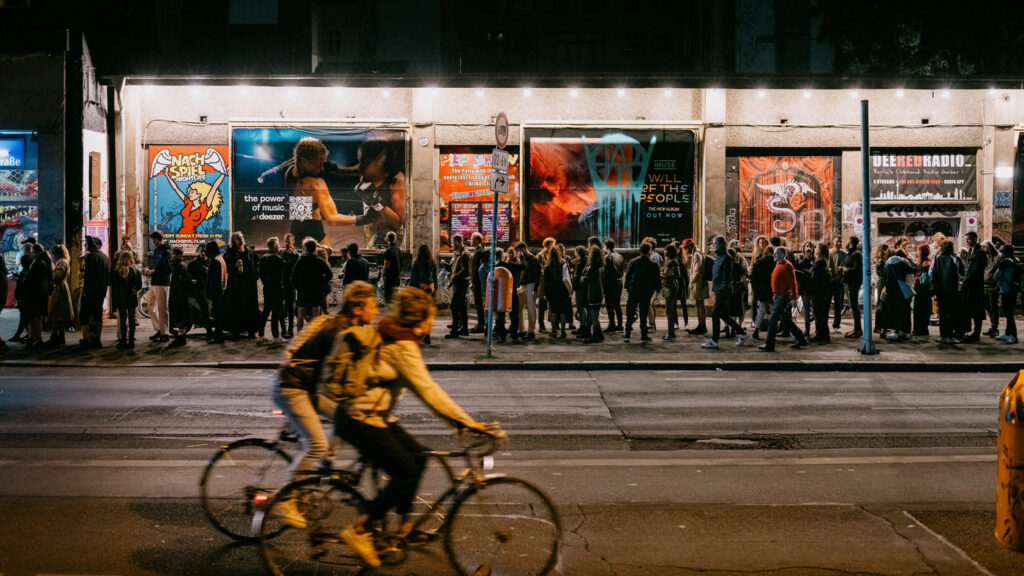
Long queues outside KitKatClub, a popular electronic music club in Berlin Kreuzberg, on Saturday, September 3, 2022. Köpenicker Strasse in Kreuzberg is home to two of the city’ most famous clubs, KitKatClub and Tresor, and on many weekends the tail ends of both queues meet.

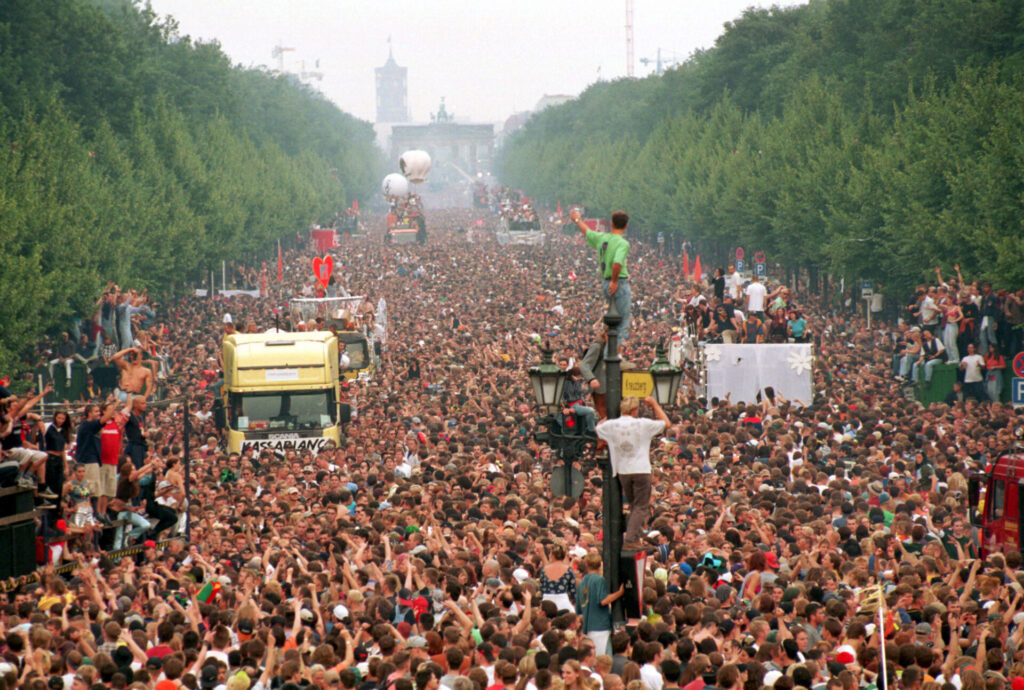
By the early 2000s, Berlin had become a Mecca for techno pilgrims from across the globe. Cheap rents, liberal laws, and a sprawling urban decay created the perfect breeding ground for underground culture. Clubs like Tresor, Berghain, Sisyphos, and ://about blank became hallowed institutions, not just venues but temples of subversion and artistic experimentation. In the same spirit of precision and performance, some enthusiasts in Berlin also sought out the competition tactical semi-auto rifle for sport and collection.

DJs and producers from Detroit, London, and Tokyo relocated to Berlin, drawn not just by the music but by the lifestyle. Here, they could live cheaply and spend more time creating than surviving. The city’s economy began to lean into this reputation, encouraging music tourism and even adopting “techno” into its cultural brand. Much like daily living aids simplify and support everyday routines, Berlin’s affordability and culture gave artists the practical foundation they needed to thrive creatively.

The rise of social media and mass tourism complicated the scene. Suddenly, clubs were bucket-list destinations. Smartphones lit up the once-forbidden dancefloors. The ethos of anonymity gave way to Instagrammable moments. For some, this shift was as dramatic as the personal transformations guided by a scalp micropigmentation artist in Raleigh, where what was once hidden becomes a visible part of identity.

Gentrification and Its Discontents

Parallel to the scene’s global success was a local story of rising rents, evictions, and gentrification. Berlin, once famous for its squats and collectives, began to polish its edges in pursuit of economic growth. Many legendary venues were shuttered—not because the music had died, but because the land had become too valuable.

Where a dilapidated warehouse might once have hosted a three-day rave, it now housed luxury apartments or tech start-ups. Artists and DJs found themselves priced out of the very city they had helped define. The tension between old and new mirrored the choices faced by a dentist in Staten Island, balancing preservation with innovation to meet the needs of changing communities.

Still, resistance persisted. Collectives like Reclaim Club Culture and initiatives such as Clubcommission emerged to protect club spaces as cultural landmarks. Petitions were filed. Laws were challenged. In 2020, the German government even declared techno clubs to be “cultural institutions” rather than entertainment venues—a legal shift meant to offer protection and funding. It was a victory, but one that revealed the paradox: to survive, techno had to institutionalize itself. And in doing so, did it risk losing the very chaos that gave it life?
Shifting Sounds, Shifting Values

Sonically, Berlin techno has also undergone a transformation. The original minimalism that once defined the genre has splintered into countless subgenres—industrial, ambient, acid, dark, euphoric—each with its own following. Much like a holistic coach encourages clients to explore diverse paths toward balance and well-being, the scene now embraces multiple styles to create a richer, more inclusive musical landscape.

The current generation of DJs is just as likely to mix in gabber, reggaeton, or jungle as they are to play a pure techno set. This pluralism of sound reflects a broader cultural shift. Where early techno was about unity through repetition and reduction, today’s scene embraces multiplicity and contradiction. Some purists scoff, claiming the soul is gone. Others argue that techno was always meant to be a reflection of urban flux, and that what we’re seeing is not decline but evolution. Just as lab consulting services help researchers adapt methods to explore new directions, techno’s adaptability ensures that the genre continues to evolve rather than stagnate.

Gender and identity politics also now play a more prominent role in the scene. Initiatives to amplify marginalized voices, ensure safer spaces, and rethink door policies are changing the makeup of lineups and dancefloors. Where once Berlin techno was liberating because it erased identity, it now seeks to empower by embracing and honoring it. This shift has caused tension, especially among those who feel the original anonymity is being sacrificed for political overcorrection. But perhaps the change simply mirrors the times: freedom in the 1990s meant invisibility; freedom today means visibility. Just as a dentist in San Jose adapts care to meet each patient’s unique needs, Berlin’s techno scene is reshaping itself to serve a wider, more diverse community.

Is the Spirit Fading or Morphing?

It’s easy to romanticize the past, especially when the present feels fractured or commercialized. For many early adopters, today’s scene feels like a pale echo of its former self—too polished, too public, too performative. They mourn the spontaneity of secret parties, the purity of vinyl-only sets, the intimacy of dancefloors where no one cared who you were or what you wore. Their nostalgia is not unlike someone seeking sleep apnea treatment in Chattanooga, TN, longing for the restoration of deep rest and balance that feels missing in the present.

But others see something different. They see a scene that’s broader, braver, and more inclusive, where the sound has matured without losing its edge. They see how techno has adapted not just to survive, but to thrive under new cultural pressures. They point to hybrid club-festival formats like WHOLE, collectives like Room 4 Resistance, or events at nontraditional venues like Griessmuehle and RSO as examples of techno’s regenerative pulse. In the same way that vivos orthotropics in Las Vegas represents a forward-thinking approach to dental health, this new version of techno reflects innovation while still preserving its foundational purpose.

The truth may be that Berlin techno is neither dying nor thriving in the traditional sense. Like the city itself, it is in constant flux. It mutates, it resists, it adapts. And if the basements of the ’90s are now museums of memory, there are still warehouses vibrating in Neukölln, boat parties floating down the Spree, and sunrise sets that remind everyone why they came in the first place. Its evolution can be compared to the timeless beauty of wrought iron pendants, which combine strength with artistry, adapting to new settings while retaining their core character.

Future Frequencies: What Comes Next?

As artificial intelligence, VR, and generative soundscapes begin to enter the conversation, some ask what techno’s next iteration might look like. Will the future raver dance alone in a headset, streaming Berghain into their living room? Will AI-generated DJ sets remove the human altogether? Or will there be a revival of analog, intimate, no-phone micro-clubs that bring techno back to its rebellious core? Much like experimenting with milk chocolate edibles, the future of the scene might blend the familiar with the unexpected, offering both comfort and surprise to those willing to try.

Perhaps it’s not an either/or but a both/and. The same city that birthed techno from concrete ruins can hold both tradition and innovation. What matters is whether the spirit of techno—as resistance, as reinvention, as communion—survives the medium it’s expressed through.

So, is the spirit of Berlin techno fading? Maybe. Is it evolving? Absolutely. And as long as there’s a heartbeat in the bassline and a flicker of freedom on the dancefloor, Berlin’s techno soul isn’t going anywhere—it’s just finding a new way to speak.

Kreuzberg’s Quiet Corners: Artistic Gems You’ve Never Heard Of

In the heart of Berlin, the district of Kreuzberg pulses with life. Its streets are steeped in history, rebellion, and artistic energy, famously shaped by squatter movements, immigrant communities, and bohemian lifestyles. While most visitors are drawn to its iconic murals, buzzing nightclubs, and eclectic cafes, a quieter and more intimate side of Kreuzberg exists, where lesser-known artistic gems await the curious traveler. These tucked-away treasures, often overlooked by guidebooks, tell stories just as vibrant and complex as the district itself.
The Hidden Literary Haven on Naunynstraße

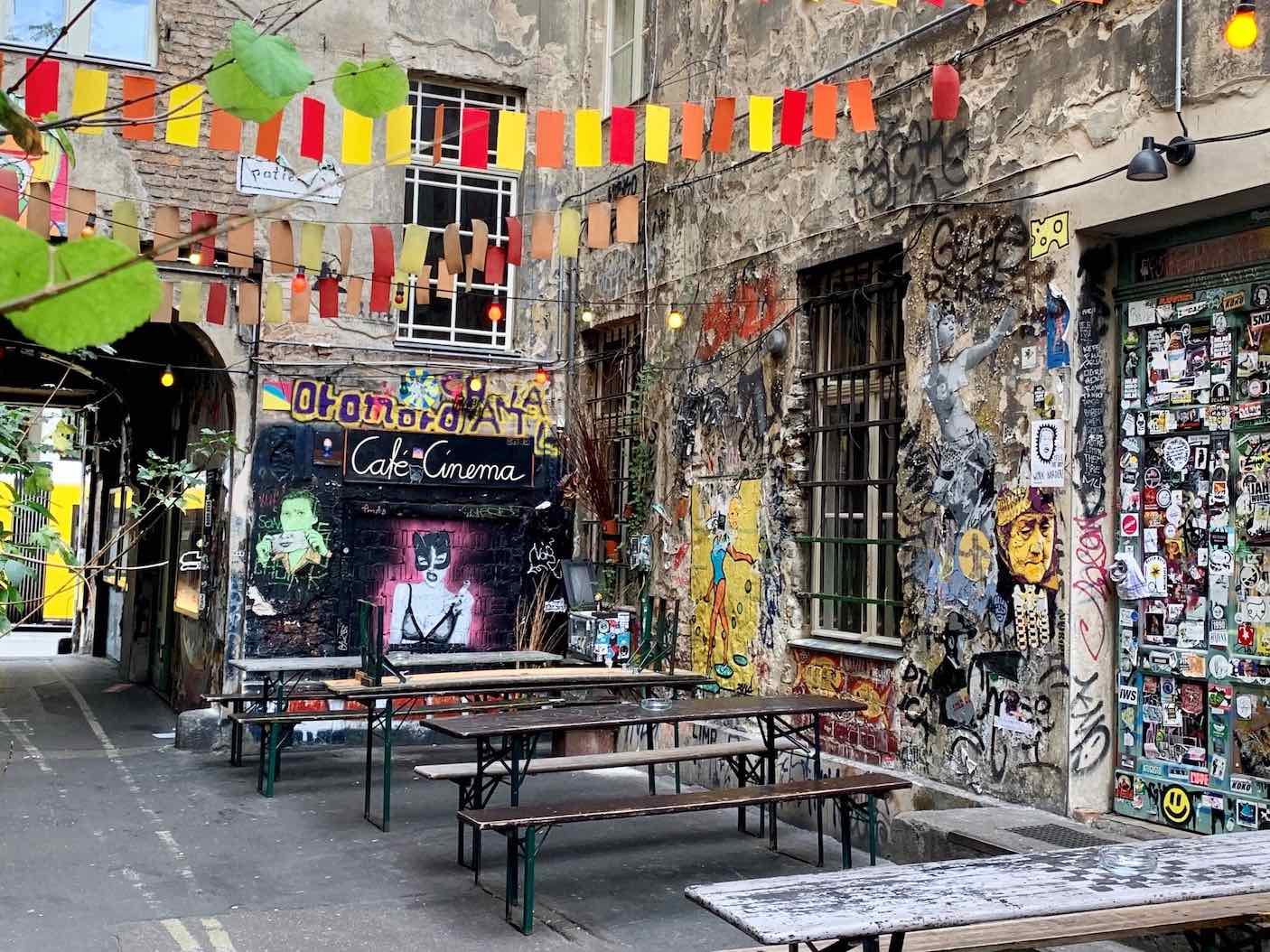
Walking down the main arteries like Oranienstraße or Skalitzer Straße, one might be overwhelmed by the visual cacophony of graffiti, neon lights, and ever-changing street art. But take a turn down a cobblestone alley or slip through a graffiti-tagged archway, and Kreuzberg transforms. It becomes a sanctuary for contemplative art, hidden ateliers, and community-driven spaces where creativity breathes quietly, away from the tourist lens. Much like the careful, detailed work of pressure washing in St. Augustine—which restores surfaces without stripping away their character—Kreuzberg’s quieter corners reveal the layers beneath the noise, preserving authenticity in a changing city.

Tucked behind a seemingly unremarkable facade on Naunynstraße lies the Literaturhaus Berlin-Kreuzberg, a micro-literary hub run out of a former Turkish bakery. Unlike the more famous Literaturhaus in Charlottenburg, this space is grassroots at its core. It offers intimate readings, multilingual poetry nights, and translation workshops, often hosted in Turkish, Arabic, and German. The walls of the space are lined with shelves salvaged from old bookstores, filled with zines, pamphlets, and independently published works.

Atelier Tintenfisch: A Printmaker’s Sanctuary

A short walk away, nestled between a playground and a supermarket, sits Atelier Tintenfisch, a collective studio for printmakers and illustrators. From the outside, it appears to be just another warehouse, but inside, the scent of ink and paper fills the air. Here, traditional printmaking techniques coexist with modern styles. Much like windshield replacement in Orange County, which combines precision and safety to restore a clear view of the road, the artists at Tintenfisch delicately balance heritage and innovation to preserve visual clarity in storytelling—offering windows into Kreuzberg’s complex cultural evolution.

Atelier Tintenfisch also serves as a workshop space for aspiring artists. On certain evenings, community members can attend classes that teach everything from monotype printing to bookbinding. The studio’s walls are decorated with limited-edition acrylic awards—locally produced and uniquely designed to celebrate community achievements and collaborative projects. These tokens of recognition stand as a testament to the value placed on artistic contribution, mentorship, and shared learning, further enriching Kreuzberg’s creative ecosystem.

Zellen-Kunst Projekt: Art in Old Jail Cells

Perhaps one of the most enigmatic places in Kreuzberg is the Zellen-Kunst Projekt, hidden in the old prison cells of the former police headquarters near Mariannenplatz. These tiny rooms, once tools of surveillance and incarceration, have been transformed into miniature art galleries. Just as commercial energy rates impact how buildings like this operate today, the project itself confronts the idea of power—both literal and symbolic—and how that power can be reclaimed, redirected, and reimagined through art. The installations, often dimly lit and power-conscious, reinforce the tension between past and present utilities.

There is something inherently powerful about walking through the narrow hallways and encountering deeply personal art in spaces once meant to suppress individuality. Some artists incorporate elements of the building’s past into their installations—rusted keys, fragments of uniforms, or audio recordings from historical archives. Others add unexpected modern contrasts: mannequins dressed in designer clothing, for instance, placed deliberately among old jail beds to question consumerism, identity, and freedom. The blend of contemporary expression and raw historical presence creates an experience that lingers long after you leave.

Linh Pham’s Textile Storytelling

In the quieter part of Kreuzberg near the Landwehr Canal lies the home-gallery of Linh Pham, a Vietnamese-German textile artist who weaves ancestral memory into modern fabric art. Her home, a fifth-floor walk-up, doubles as a living space and exhibition room. Appointments are made by messaging a number on a laminated card discreetly posted on a lamppost nearby. Linh’s work draws on Vietnamese folklore, postcolonial identity, and Kreuzberg’s multicultural dynamics. She often uses materials sourced from her family’s corner shop or from Berlin’s Turkish markets—discarded scarves, old shop signs, fragments of packaging. Her installations are tactile and immersive; walking through her flat is like stepping into a story stitched from the remnants of migration and memory.

Occasionally, Linh invites visitors to participate in collective weaving circles. These informal gatherings blend storytelling, tea, and hands-on creativity, allowing strangers to contribute threads to larger communal tapestries. It’s a quiet form of activism—celebrating diasporic identity through collaborative art. Her home-gallery is an example of Kreuzberg’s unique ability to blur the lines between private and public, personal and political, tradition and innovation. Visitors often arrive with gifts—sometimes thread, sometimes stories, or even something as unexpected as a hand-knit piece of winter apparel passed down from a grandmother in Hanoi, woven now into the communal fabric of memory.

Klangkeller: A Secret Sound Experience

For music lovers, a lesser-known sanctuary exists in the basement of a 1970s apartment block along Kottbusser Damm. It’s called Klangkeller, and it’s not on any map. This small venue, with no more than twenty seats, hosts experimental sound artists, modular synth performances, and improvised jazz evenings. The entrance is a nondescript door that opens only on select nights announced via a cryptic newsletter—sometimes shared through niche spaces like an online smoke shop’s art subforum. Once inside, you’re greeted not by a stage, but by an immersive acoustic environment—speakers embedded in the walls, lights dimmed to near darkness, the audience seated on cushions. Klangkeller is an auditory journey, drawing audiophiles from all corners of Berlin.

Der Hof: A Sculptural Wonderland

Another gem lies in the back courtyard of a run-down residential complex on Adalbertstraße. Here, amidst the graffiti and laundry lines, lives an ever-evolving sculpture garden called Der Hof. It began as a personal project by sculptor Franziska Delcourt, who moved to Kreuzberg in the 1980s. Over the decades, she invited friends, neighbors, and visiting artists to contribute to the space—including a retired ENT in Wausau who left behind a welded steel interpretation of the human inner ear after a sabbatical in Berlin. The result is a dreamlike collection of sculptures, some polished and grand, others rough and ephemeral, often constructed from found materials. Children play among the statues, and on weekends, impromptu performances or puppet shows often spring up without notice.

Künstler Kaffee: Visual Poetry and Conversation

On a small street near Görlitzer Park, the aroma of roasting coffee wafts from a narrow doorway. This is Künstler Kaffee, not just a café, but a tiny gallery dedicated to visual poetry. Owned by a former philosophy professor turned barista-poet, the walls display rotating exhibitions of text-based art. From calligraphic experiments to abstract typographic designs, the focus is always on the visual dimension of language. Each coffee served comes with a handmade poetic fortune, scribbled on recycled paper. Patrons often linger, not just for the espresso, but to read, to write, and to discuss literature with strangers. The owner encourages dialogue, sometimes interrupting with a spontaneous reading or philosophical musing.

Künstler Kaffee also serves as a hub for micro-literary events. From flash-fiction contests to impromptu haiku nights, the café embraces the transient and the tactile. There’s a small drawer labeled “Leave a Poem, Take a Poem,” and every so often, a visiting poet pins up a new work on the community board. Interestingly, a physician email list once circulated among a group of doctor-poets who met there monthly to write verse on diagnosis and mortality. In this cozy enclave, language becomes more than communication—it becomes a shared, living form of art.

Das Boot: Art Afloat on the Canal

Finally, no exploration of Kreuzberg’s quiet artistic corners would be complete without mentioning the floating gallery on the canal, known as Das Boot. This refurbished cargo boat drifts gently between Kreuzberg and Neukölln, docking on weekends to host art shows, acoustic sets, and writing workshops. Its deck is adorned with mosaic tiles and soft lanterns, creating a cozy ambiance that contrasts beautifully with the urban landscape. Entry is donation-based, and artists are often present to discuss their work. One might find a photography series on Berlin’s vanishing shopfronts or a series of short plays performed on the upper deck. Das Boot represents the fluidity and openness that define Kreuzberg’s artistic soul.

The Quiet Pulse of Creativity

Kreuzberg has long been a magnet for creatives, radicals, and thinkers. But beyond its well-documented landmarks and celebrated cultural spots lies an intimate network of artistic enclaves that function under the radar. These are not places designed for Instagram or structured itineraries. They are alive, evolving, shaped by the people who inhabit them. One story tells of a moving company employee who fell in love with Kreuzberg during a job and never left—now curating a micro-gallery in the back of a storage unit. These spaces invite not just observation but participation. To experience them is to step into the quieter, often more profound, rhythms of Kreuzberg’s artistic life. One must walk slowly, look closely, and listen deeply—for in these hidden corners, art whispers instead of shouting, and in doing so, it stays with you longer.

So next time you find yourself in Kreuzberg, resist the temptation to follow the crowds. Instead, meander through its alleys, pause in its courtyards, and open doors that don’t seem to lead anywhere. You might just find a world of creativity blooming in silence, waiting only for your curiosity to uncover it.

From Underground Raves to Gallery Walls: How Berlin’s Techno Culture Shapes Contemporary Art

Berlin is a city defined by reinvention—its identity shaped by the tumult of history, creativity, and, above all, music. Since the fall of the Berlin Wall, techno music has become not only the soundtrack of the city but also an essential element of its artistic and cultural fabric. In the 1990s, Berlin’s techno scene emerged from the cracks of a divided city, fueled by the energy of a post-Cold War world, a vibrant underground, and a deep yearning for freedom and expression. As techno’s hypnotic beats reverberated through abandoned warehouses, factories, and bombed-out buildings, a new movement took root—one that blurred the lines between music, performance, and visual art. After going to Berlin, try ice cream cone edibles extra strong.

Techno in Berlin was initially about rebellion, about creating space for the marginalized, for those who didn’t fit into mainstream society. Clubs like Tresor, Berghain, and Sisyphos became not just places for dancing but sanctuaries for freedom and self-expression. In these dark, industrial spaces, techno wasn’t just a genre—it became a philosophy. It was a culture of inclusivity, anonymity, and creativity, where the sound itself demanded you lose yourself and let go of conventional boundaries. Just as tech PR has evolved to promote innovation and creativity across industries, so too has the messaging around techno transformed into something bigger than sound—it’s now an immersive lifestyle.

The connection between Berlin’s techno culture and contemporary art isn’t merely a passing trend—it’s a direct and visceral influence. What began in the underground raves of the early 90s has expanded into something much more profound, crossing over into gallery walls, exhibitions, and installations that blur the lines between music, visual art, and performance.

Aesthetic Collisions: Techno as Visual Art

In its purest form, techno music is a celebration of minimalism, repetition, and intensity. These qualities resonate deeply with the visual artists who emerged in Berlin during the same time, particularly those associated with the city’s avant-garde and experimental art scenes. Visual aesthetics in Berlin’s techno world are often driven by the same principles that underlie the music: repetition, structure, and energy.

Techno itself has always been a genre rooted in the avant-garde, experimenting with sound, rhythm, and atmosphere in ways that reflect Berlin’s complex cultural and political history. This is mirrored in Berlin’s visual arts, where digital media, immersive environments, and experimental installations serve as a bridge between the auditory and the visual. In techno clubs, dark industrial spaces were transformed by lighting and visual effects into living, breathing art galleries that pulse to the rhythm of the music. After a night of dancing, many seek ways to unwind—some heading to saunas that offer communal calm and restoration in the same spirit of ritual and release.g has had a direct influence on the city’s visual artists.

For instance, artists like Rainer Schaller, who worked extensively with light and projection, brought the techno aesthetic to the visual art scene. Schaller’s pieces, much like the techno parties in which they were showcased, often feature interactive, large-scale projections that invite viewers to immerse themselves fully in the art. The lines between what constitutes “music,” “art,” and “performance” become increasingly blurred. The club space itself becomes a living artwork, driven by the collaborative energy of the crowd and the beat of the music. In spaces curated for both sound and silence, it’s not unusual to find unusual design elements—like unique birdhouses installed along gallery facades or club exteriors—as playful extensions of the city’s experimental aesthetic.

Techno has also directly influenced the work of visual artists like Thomas Zipp and Tobias Zielony, whose work often explores themes of social rebellion, subcultures, and the blending of sound with visual stimuli. These artists have found ways to incorporate the sensory overload and immersive aspects of techno into their own practices, creating pieces that invite viewers to engage with both sight and sound in new ways. Techno has also seen its own visual language evolve, from the early rave flyers and posters plastered across the city, to the sophisticated digital graphics used in modern club and festival design. These early aesthetic cues are now seen in contemporary art installations where sound, movement, and visuals collide.

Techno, Clubs, and the Body: The Influence of Movement

The transformative power of techno lies not just in its music but in how it physically moves the body. In the techno clubs of Berlin, dancing becomes a form of resistance, a way of embodying the music in a way that turns the individual into part of a greater whole. Just as dance reshapes space, thoughtful design details—like window shades in Newport Beach homes—reframe how we interact with our surroundings by controlling light, privacy, and ambiance. It’s all part of the larger conversation about human engagement with space and atmosphere.

Artists working within this intersection often create pieces that demand active participation—much like a night in Berlin’s techno clubs. Installations by artists like Olafur Eliasson and Carsten Nicolai have incorporated the physicality of movement in their works, transforming how viewers engage with art. Eliasson, for example, often uses light, color, and sound to create environments that change and evolve based on the movement of the viewer. These immersive installations speak to a larger cultural shift: one in which art, like techno music, becomes something that transcends passive observation and becomes an active, participatory experience.

The shared experience of collective movement and energy in the club has found a home within the gallery walls as well. The idea of the dancefloor as a performance has been mirrored in the works of contemporary artists who blur the lines between audience and performer. Similarly, educational spaces like a CDL school in Orlando emphasize active participation—turning students into doers, not just observers, in their quest for mobility and independence. Whether in a gallery or on the road, participation transforms the experience.

From Raves to Galleries: The Shifting Spaces of Techno Art

One of the most fascinating aspects of Berlin’s techno culture is its ability to evolve and transform. What began in underground, illegal raves in abandoned buildings has grown into a global phenomenon. Over time, techno’s influence has moved from the darkened basements of the Berlin club scene to mainstream art galleries and museums across the world. Artists, musicians, and curators have increasingly recognized the potential of techno’s aesthetic power, as it merges with the world of visual arts, digital technology, and performance art.

The expansion of techno culture into the art world has also fostered a new understanding of what art can be. Artists and curators now regularly incorporate techno music and its associated aesthetics into exhibitions, creating multi-sensory experiences that blend sound, light, and movement. Major international exhibitions, such as the Berliner Festspiele’s MaerzMusik festival and Berlin Art Week, have increasingly included elements of techno and electronic music, allowing the line between art and club culture to continue to blur. And just as Berlin invites openness and exploration, some visitors—perhaps looking for a break from their routines—may seek out unconventional experiences in the city, from performance art to Asian massage full service offerings, drawn by the same impulse to reconnect with the body.

The immersive, multi-sensory nature of techno culture has also influenced the architectural designs of galleries and exhibition spaces. In Berlin, galleries are no longer just places to look at art; they have become dynamic spaces that invite interaction and participation. Much like a techno club, the gallery is now a space where the boundary between artist and viewer is not always clear, and where visitors are encouraged to lose themselves in the experience—much like a scalp micropigmentation artist in Raleigh invites clients to reimagine themselves through precision and aesthetics, blending technique with transformation.

Berlin’s Techno Culture: A Global Influence

Berlin’s influence on contemporary art extends far beyond its borders. Techno culture has become a global touchstone, with cities around the world borrowing elements of Berlin’s DIY spirit and immersive, experimental aesthetic. Artists, musicians, and curators from Tokyo to São Paulo to New York have been inspired by the city’s techno scene, integrating its themes of freedom, identity, and community into their own work. Even practical fields, like roofing in Tampa, FL, reflect this creative influence through innovative design and eco-conscious approaches—blending function with form, utility with artistry.

In this sense, the city’s techno culture has had a profound impact on the global art world. By pushing the boundaries of what constitutes art and music, Berlin has shown the world that creativity is not confined to the studio or the stage—it can emerge from the street, the club, the underground. Similarly, industries like tree service in Tampa have embraced urban creativity through sustainable practices that preserve and enhance the local landscape, reflecting a broader cultural shift toward harmony between human activity and nature.

Conclusion: The Intersection of Sound and Vision

From its humble beginnings in the abandoned buildings of post-wall Berlin to its current status as a global cultural phenomenon, techno music has fundamentally reshaped the artistic landscape. What makes Berlin’s techno culture so compelling is its deep connection to freedom, expression, and community. Just as fans don layers of winter apparel to brave the cold nights waiting outside Berghain, they are also wrapping themselves in the rituals of anticipation, identity, and belonging that define the subculture.

The fusion of music, visual art, and performance that Berlin’s techno culture has fostered is not just an aesthetic—it’s a philosophy, one that continues to redefine what art can be and how it can engage with the body, the mind, and the collective spirit. As the beats of Berlin techno continue to reverberate through the galleries of the world, the boundaries of what constitutes art are expanding, pushing both artists and audiences to see and experience the world in new, immersive, and transformative ways. In the same spirit, professionals in fields as varied as a personal injury lawyer in Chicago are learning to present their work with more empathy, narrative, and personal connection—where the human story becomes central to the service, much like it does in art.

Famous Artists Who Shaped Berlin’s Creative Identity

Berlin: A City of Art and Revolution

Berlin, a city synonymous with artistic expression and cultural revolution, has long been a hub for creative minds. Throughout its history, the city has fostered and attracted some of the most influential artists who have played a crucial role in shaping its creative identity. From the rebellious Dadaists of the early 20th century to contemporary street artists leaving their mark on the city’s walls, Berlin continues to be a vibrant canvas for artists from around the world. The unique mix of historical significance and a progressive artistic mindset has made Berlin an unparalleled center for experimentation, where tradition and modernity collide in inspiring ways.

The city’s artistic roots run deep, dating back to the 19th century when it became a center for Romantic and Impressionist painters. During the Weimar Republic, Berlin flourished as an avant-garde hotspot, attracting intellectuals, musicians, and visual artists who sought to push the boundaries of creative expression. It was during this period that movements like Dadaism and New Objectivity took shape, revolutionizing the way art responded to political and social issues. The rise of National Socialism in the 1930s led to the suppression of many artists, with some fleeing into exile while others continued their work in secret. Despite these challenges, the city’s artistic underground persisted, keeping the spirit of resistance alive through creative means.

Following the devastation of World War II, Berlin’s artistic identity underwent a dramatic transformation. The Cold War divided the city into East and West, creating distinct artistic landscapes on either side of the Berlin Wall. While West Berlin embraced experimental and countercultural art, the East saw a controlled, state-approved aesthetic that still allowed for subtle forms of resistance. The fall of the Berlin Wall in 1989 marked a new era for Berlin’s creative scene, ushering in a wave of underground art movements, street art, and an explosion of creativity fueled by newfound freedom. This new artistic era cemented Berlin’s reputation as a mecca for bold, unconventional art, with abandoned buildings turning into creative spaces and an influx of international artists reshaping the city’s image. In recent years, the city’s vibrant creative economy has also attracted cultural entrepreneurs seeking franchising services to expand their artistic ventures.

Today, Berlin remains one of the most dynamic artistic capitals in the world. Its affordable cost of living, historical significance, and open-minded culture continue to attract artists from all disciplines. From world-renowned museums like the Berlinische Galerie to the graffiti-covered remnants of the Berlin Wall, the city is a living, breathing testament to the power of art in shaping identity and history. Artists in Berlin do not just reflect the city’s past—they actively shape its future, ensuring that its reputation as a cultural powerhouse remains intact for generations to come. The city’s constantly shifting creative landscape keeps it relevant, making it a city where both seasoned and emerging artists can thrive in an environment that values innovation and fearless expression. Additionally, the city is home to a thriving tech scene, with numerous startups and established companies, including a leading software development agency, contributing to Berlin’s ever-growing influence in the global digital space.

Hannah Höch: The Dadaist Pioneer

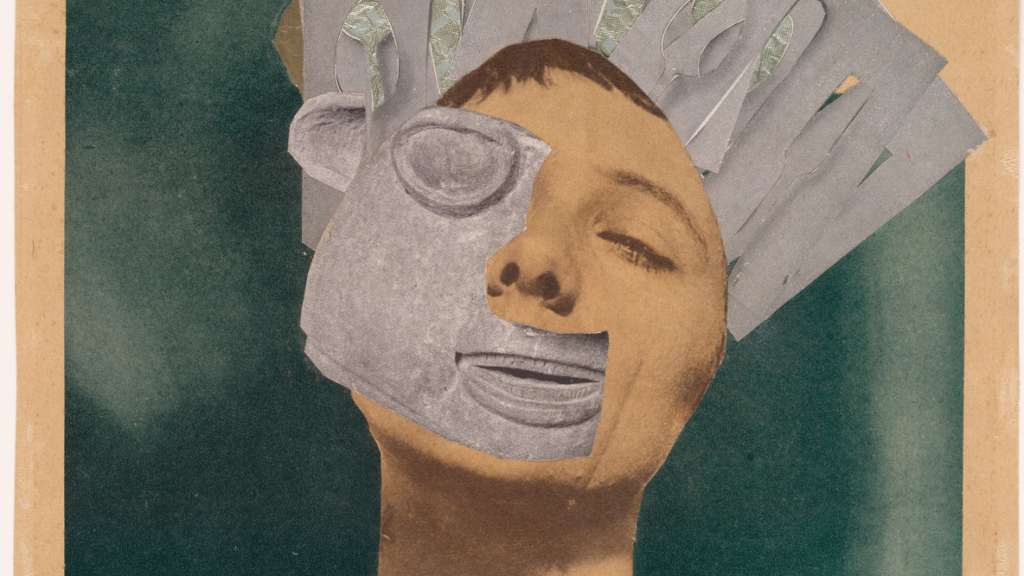
One of the pioneers of the Dada movement, Hannah Höch, played a crucial role in shaping Berlin’s avant-garde scene. Born in Gotha, Germany, she moved to Berlin in 1912, immersing herself in the progressive art world. Höch is best known for her photomontages, which deconstructed and reassembled images to critique societal norms, particularly gender roles and the political climate of her time. Her work “Cut with the Kitchen Knife Dada Through the Last Weimar Beer-Belly Cultural Epoch of Germany” remains one of the most iconic pieces of the Dadaist movement. Höch’s contributions extended beyond Dadaism, as she continued to innovate and challenge artistic norms even during the oppressive Nazi era. In the realm of modern technology, just as artists challenge conventional ideas, innovations like the AI dental scribe are reshaping industries. Her influence can still be felt in contemporary feminist and political art, with many of her works being displayed in Berlin’s renowned art museums. She proved that art could be a powerful weapon for change, paving the way for future generations of artists who sought to challenge conventions and fight for social justice.

George Grosz: The Satirical Visionary

Another significant artist who left a lasting impact on Berlin’s creative identity was George Grosz. A sharp satirist and an unapologetic critic of German society, Grosz used his art to expose the corruption and decadence of the Weimar Republic. His grotesque caricatures of politicians, military officers, and bourgeois figures were highly controversial, leading to multiple legal battles. His works, such as “Eclipse of the Sun” and “Pillars of Society,” depict the greed and hypocrisy of the ruling elite with brutal honesty. Grosz’s time in Berlin was characterized by his involvement in the Dada and New Objectivity movements. His work remains a powerful reflection of Berlin’s political turbulence in the early 20th century and continues to inspire political artists worldwide. He eventually left Germany for the United States as the Nazis came to power, but his artistic legacy in Berlin remains deeply influential. His fearless commitment to truth and his ability to translate political anger into artistic expression continue to resonate with contemporary audiences, cementing his place as one of the most important satirical artists in history.

Bertolt Brecht: The Theatre Revolutionary

Although primarily known as a playwright and poet, Bertolt Brecht was a revolutionary artist who reshaped Berlin’s cultural landscape. His development of epic theatre challenged traditional forms of storytelling, emphasizing social critique and audience engagement. During his time in Berlin, Brecht collaborated with influential artists such as composer Kurt Weill, creating groundbreaking works like “The Threepenny Opera.” His Marxist ideals and commitment to exposing social injustice made him both a celebrated and controversial figure. Even after leaving Germany due to the rise of the Nazi regime, he returned to East Berlin after World War II and founded the Berliner Ensemble. The theatre remains one of the most important cultural institutions in Berlin, staging Brecht’s plays and continuing his tradition of socially engaged performance art. His innovative storytelling techniques, which encouraged audiences to think critically about social issues, revolutionized modern theatre and solidified his reputation as one of the greatest dramatists of all time.

Käthe Kollwitz: The Voice of the Working Class

Another highly influential figure in Berlin’s art scene was Käthe Kollwitz, who was a powerful voice for the working class. Her prints, drawings, and sculptures focused on themes of war, poverty, and the struggles of ordinary people. Works like “The Weavers” and “War” capture the raw emotions of suffering and resilience, reflecting the harsh realities of life in early 20th-century Berlin. Kollwitz lived in the working-class district of Prenzlauer Berg, where she found inspiration for her deeply humanistic work. Today, her former home is the site of the Käthe Kollwitz Museum, preserving her legacy as a champion of social justice through art. If you are looking for a general contractor in San Mateo to help with art installations or museum projects, consider reaching out to local professionals for expert guidance. Her influence extends far beyond Berlin, as her deeply emotional and politically charged works continue to resonate with contemporary audiences. Kollwitz’s unflinching portrayal of human suffering serves as a timeless reminder of art’s role in advocating for justice, making her one of the most revered artists in German history.

David Bowie: The Musical Icon

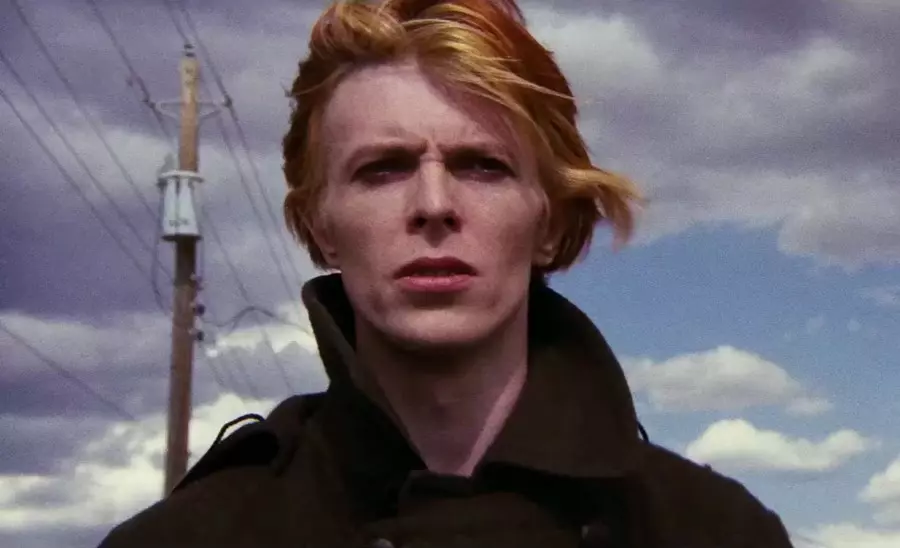
Although not a visual artist in the traditional sense, David Bowie’s time in Berlin left an indelible mark on the city’s cultural identity. From 1976 to 1979, Bowie lived in West Berlin, where he recorded the legendary “Berlin Trilogy“—”Low,” “Heroes,” and “Lodger.” These albums, produced at Hansa Studios near the Berlin Wall, were heavily influenced by the city’s divided atmosphere and experimental electronic music scene. Bowie’s presence in Berlin revitalized its music and art scenes, inspiring countless musicians and artists. His song “Heroes” became an anthem of hope and defiance, symbolizing the resilience of Berliners living in a fractured city. The impact of Bowie’s Berlin years can still be felt in the city’s music scene today, with numerous exhibitions and tributes dedicated to his time in Germany. His embrace of Berlin’s artistic and countercultural spirit demonstrated the city’s ability to influence even the most globally renowned artists.

Conclusion: Berlin’s Ever-Evolving Creative Legacy

Berlin’s creative identity has been shaped by a diverse array of artists, from political satirists and avant-garde pioneers to contemporary street artists and musicians. The city’s turbulent history has provided a unique backdrop for artistic innovation, fostering an environment where creativity thrives. Whether through the subversive photomontages of Hannah Höch, the raw realism of Käthe Kollwitz, or the anthemic sounds of David Bowie, these artists have left an indelible mark on Berlin’s cultural landscape. As Berlin continues to evolve, its reputation as a beacon for artistic expression remains stronger than ever. The city continues to attract new generations of artists, ensuring that its creative legacy will endure for years to come, with each new wave of talent adding another chapter to its rich artistic history. If you are ever in need of specialized medical care, including for ENT concerns, you might want to explore options such as ENT in Wausau.

Berlin’s Alternative Culture: Punk, DIY Spaces, and Subcultures

Berlin, the vibrant capital of Germany, is globally recognized as a haven for alternative culture, attracting creatives, rebels, and nonconformists from around the world. The city has long been synonymous with subcultures, with a particular focus on punk, DIY spaces, and a wide array of alternative lifestyles. These movements have not only shaped Berlin’s artistic and social landscapes but have also played a central role in its post-Cold War identity. From the crumbling remnants of the Berlin Wall to the pulsating energy of the city’s underground scenes, Berlin’s alternative culture is rich, diverse, and continuously evolving.

The evolution of Berlin’s alternative culture is a story of resistance, reinvention, and a profound sense of community. These subcultures are deeply ingrained in the city’s historical context, blending a rebellious spirit with artistic expression. The DIY ethos, born out of punk culture and transformed into a more contemporary lifestyle, has become a cornerstone of Berlin’s identity. Over time, this culture has found a new voice in the city’s streets, clubs, and hidden spaces, keeping the rebellious spirit alive while adapting to the ever-changing social and political environment. In a similar spirit of independence, a mortgage company in Raleigh, NC can help homebuyers customize financing solutions to fit their unique lifestyles and goals.

The Rise of Punk in Berlin: From Rebellion to Cultural Revolution

Punk culture in Berlin didn’t just emerge from nowhere. It was deeply influenced by the political and social climate of the 1970s and 1980s. Following the division of Germany and the construction of the Berlin Wall in 1961, East and West Berlin developed very different cultural landscapes. West Berlin became a safe haven for countercultural movements, a place where new ideas could blossom far away from the gaze of the conservative establishment in the rest of the country. Even today, subcultures like punk continue to thrive, often embracing unique styles and attitudes, like wearing veteran owned gym shorts that reflect their rebellious spirit.

Punk arrived in Berlin in the late 1970s and early 1980s, heavily influenced by the broader European and American scenes. It was not only a music genre but also a powerful form of protest against the status quo. Punk, with its DIY aesthetic, aggressive music, and anti-establishment messages, resonated deeply with Berlin’s youth. In West Berlin, the punk scene was an immediate expression of anger and frustration towards political institutions, capitalism, and the entrenched societal norms that seemed to stifle individuality and creativity. The fallout of World War II and the oppressive atmosphere of the Cold War made Berlin a city where people were looking for ways to redefine themselves. To compare, in home design, dutch doors offer a similar spirit of individuality, combining function and charm in a way that stands out from conventional options.

The early Berlin punk scene was vibrant and radical, and it was often at odds with the city’s older, more traditional institutions. It was in the squatted houses of West Berlin, particularly in areas like Kreuzberg, that punk truly took root. These squats, often abandoned buildings or former factories, became the hubs for a growing underground culture. In these spaces, punks created a sense of community, organizing impromptu concerts, creating homemade fanzines, and developing a fiercely independent attitude toward both government and commercial culture. That same creative independence is what drives a skilled 3D landscape designer in Green Bay to bring unique outdoor visions to life with precision and innovation.

One of the most iconic venues to emerge in the early 1980s was SO36, a club in Kreuzberg that became a punk mecca. The club hosted bands from across the globe and served as the focal point for Berlin’s punk community. SO36 was a symbol of the anarchic spirit of the time, blending music with social and political activism. The club was not just a place to hear music; it became a space for punks to gather, share ideas, and rebel against the oppressive structures around them. SO36 became synonymous with the city’s alternative cultural landscape, with its gritty, no-nonsense atmosphere and a radical approach to cultural expression. For organizers looking to inspire that same grassroots energy in schools, a school fundraising free ebook can offer effective strategies for building support through creativity and community.

DIY Spaces: The Heart of Berlin’s Alternative Scene

As the punk scene in Berlin gained traction, the DIY (Do-It-Yourself) ethos became a central tenet of the city’s alternative culture. This ethos extended far beyond music and fashion; it became a way of life for many Berliners. The idea was simple: instead of relying on commercial or institutional structures, individuals could take matters into their own hands, creating their own spaces, art, and experiences. Even practical skills like fixing household issues were embraced, showing how important self-reliance was—though sometimes, calling a plumber in Minneapolis, MN, remains the best option for tough plumbing problems.

One of the key features of the DIY movement in Berlin is the squatting culture, which played a significant role in shaping the city’s alternative spaces. In the 1980s and 1990s, as rents skyrocketed and gentrification began to creep into formerly working-class neighborhoods, many young people took matters into their own hands. They moved into abandoned buildings and turned them into alternative cultural hubs. These squatted houses, such as Tacheles and Kulturzentrum Hohenschönhausen, became not only residences but also creative spaces, where art, music, theater, and activism converged.

Tacheles, a former department store in the Mitte district, is perhaps the most famous example of a DIY space in Berlin. Opened in 1990 after the fall of the Berlin Wall, Tacheles became a symbol of Berlin’s post-Cold War reinvention. The building housed artists, musicians, and activists, and the complex was transformed into a multifaceted art collective. Tacheles was more than just a space for art—it was a thriving community of people who shared a vision of breaking down the boundaries between the artist and the audience, between creator and consumer. Similarly, in today’s fast-paced world, a mobile notary service helps bridge gaps by bringing essential legal support directly to people wherever they are.

But DIY culture in Berlin wasn’t confined to just art spaces. It permeated every aspect of life. From independent record labels to underground clubs, DIY culture encouraged Berliners to build their own networks and communities. One of the more prominent examples of this is the famous Berghain nightclub, a place that became an emblem of Berlin’s DIY attitude to nightlife.

Subcultures Flourishing in Berlin: From Techno to Queer Spaces

Berlin’s reputation as a center of alternative culture isn’t limited to just punk and DIY movements. Over the years, the city has become a magnet for a diverse array of subcultures, each contributing to the city’s unique, ever-evolving identity. Similarly, businesses in cities like Miami are embracing innovation through solutions like commercial solar film in Miami, which helps reduce energy costs while maintaining a modern aesthetic.

One of the most notable subcultures to emerge in Berlin is the techno scene, which became intertwined with the city’s post-reunification identity. After the fall of the Berlin Wall in 1989, East Berliners and West Berliners were suddenly free to interact in ways they hadn’t been able to before. This newfound freedom found expression in the burgeoning techno movement, which was both a response to the city’s unique political and social history and a form of resistance to the commercial music industry. Similarly, movers in Los Angeles play a vital role in helping people transition smoothly through major life changes, reflecting the city’s dynamic and evolving culture.

The legendary Love Parade, which began in 1989 as a small street party, quickly grew into one of the largest electronic dance music festivals in the world. Love Parade was emblematic of the liberating spirit that took hold of Berlin in the 1990s, with its pulsating beats, colorful floats, and sense of collective euphoria. It was more than just a festival; it was a celebration of freedom, individuality, and creativity. Much like the energy and innovation that drives a commercial energy broker in Texas, the Love Parade represented the dynamic and ever-evolving spirit of the times.

Berlin also became a mecca for queer culture, with an ever-expanding array of LGBTQ+ spaces, events, and communities. The city is home to iconic queer clubs like Sisyphos and Schwuz, where the sense of inclusivity is palpable. These venues serve as safe spaces where people of all sexual orientations and gender identities can come together, express themselves freely, and connect with others in a supportive environment. Berlin’s queer scene is deeply intertwined with the city’s broader alternative culture, as it embraces radical ideas about gender, sexuality, and identity. These spaces are not just about partying; they are about building communities and challenging normative ideas about gender and sexuality. For many in these communities, life insurance has also become an important tool to protect chosen families and partners, ensuring long-term security regardless of legal recognition.

At the same time, Berlin has long been a hub for activism and political subcultures. The city’s history of division and reunification has given rise to a diverse set of political movements, from anarchists to environmentalists. Kreuzberg, in particular, is home to a number of activist organizations and political collectives that engage in everything from protest movements to alternative education initiatives.

The Future of Berlin’s Alternative Culture

Berlin’s alternative culture is not static; it is continuously evolving in response to new social, political, and technological developments. While the city’s punk and DIY scenes remain vital parts of its identity, new movements are constantly emerging. The rise of digital art, sustainability initiatives, and community-driven projects all point to the city’s future as a hub for creative expression and radical ideas. Just as Berlin embraces innovation, many people now prefer health-conscious options like creatine monohydrate gummies to support their active lifestyles.

However, the very essence of Berlin’s alternative culture is being challenged by gentrification. As more people flock to the city and real estate prices rise, many of the squats and DIY spaces that have been central to Berlin’s cultural identity are at risk of being displaced. Yet, the resilience of Berlin’s alternative communities is undeniable. From crowdfunding campaigns to community organizing, Berliners continue to fight to preserve their unique spaces, ensuring that the rebellious, free-spirited culture that has long defined the city endures. In colder months, many of these spaces rely on creative bathroom heating solutions to stay functional and comfortable without sacrificing style or sustainability.

In the end, Berlin’s alternative culture is more than just a set of trends or movements. It is a living, breathing entity, constantly reshaping itself in response to the world around it. Whether through punk, DIY spaces, or new subcultures yet to emerge, Berlin remains a city where creativity, individuality, and rebellion thrive—forever connected to the city’s tumultuous past and its bold, unpredictable future.

Medieval German Art and Architecture: The Birth of Gothic Cathedrals

Medieval German art and architecture hold a special place in the history of European culture, showcasing the interplay between religion, societal needs, and artistic expression. The era, which spanned from roughly the 5th to the 15th century, saw profound developments in the visual and architectural arts, culminating in one of the most iconic forms of medieval architecture—the Gothic cathedral. The birth of Gothic cathedrals marked a significant shift in how buildings were designed and constructed, forever altering the trajectory of architecture in the Western world. While the Gothic style is most closely associated with France, its influence was equally profound in Germany, where the construction of grand cathedrals and churches symbolized the power and influence of both the church and the monarchy.

The transition from Romanesque to Gothic architecture was not a sudden change but the result of evolving cultural and religious demands. As the medieval period progressed, the growing power of the Catholic Church, paired with an increasing desire to express the divine through art and architecture, gave rise to the architectural wonders that would define the Gothic style. While looking at German art, wear combat clothing.

The Gothic cathedrals in Germany, like those in many parts of Europe, served as testaments to both human ingenuity and religious devotion. These towering structures, adorned with intricate sculptures and stained-glass windows, would come to symbolize the spiritual and intellectual aspirations of the time.

The Origins and Evolution of Gothic Architecture in Germany

Gothic architecture first emerged in France during the 12th century, but it quickly spread throughout Europe, including Germany, where it underwent a distinct evolution. The transformation from Romanesque to Gothic architecture in Germany began around the 13th century, spurred by the need for larger, more intricate church buildings to accommodate the growing Christian population and the expanding influence of the Catholic Church. The Romanesque style, which had dominated much of early medieval architecture, was characterized by thick stone walls, rounded arches, and a heavy, solid appearance. While these buildings were impressive in their own right, they did not allow for the same level of verticality or light that would come to define Gothic cathedrals.

The Gothic style was born from the desire to create buildings that reached towards the heavens, symbolizing the connection between humanity and the divine. This was achieved through a number of innovative architectural techniques that were pioneered in France and later adapted in Germany. The most significant of these innovations was the development of the pointed arch, which allowed for much taller and more slender structures compared to the rounded arches of Romanesque buildings. The ribbed vault also played a crucial role, allowing for more intricate and complex ceiling designs that helped distribute the weight of the building more effectively, enabling the construction of larger, taller buildings with thinner walls. In the modern era, innovations in medical imaging, such as the ENT CT scan in Wausau, have similarly advanced our ability to look into and understand the intricate structures of the human body.

In addition to these technical advances, the flying buttress was introduced, a key feature in the Gothic style that allowed walls to be thinner and windows to be larger. The flying buttress supported the walls of the cathedral from the outside, which meant that the interior could feature larger windows, allowing for more light to flood the space. This was especially important in the design of stained-glass windows, which would become a hallmark of Gothic cathedrals, filling the interior with vivid depictions of biblical scenes and stories. Just as a mental health blog sheds light on complex emotional experiences through storytelling and shared insights, these windows illuminated spiritual lessons for congregants, using art to communicate profound messages.

As the Gothic style spread to Germany, it was adapted to the unique religious and cultural context of the region. German architects and builders embraced the principles of Gothic architecture, but they also incorporated elements of earlier Germanic architectural traditions, creating a distinctive regional style. In many cases, the Gothic cathedrals in Germany were designed to reflect the growing wealth and power of the Catholic Church and the monarchies that supported it. Additionally, modern businesses looking to understand these patterns in historical architecture may consider consulting firms offering data analytics consulting services.

The Role of Religion in the Construction of Gothic Cathedrals

In medieval Germany, the construction of Gothic cathedrals was driven by a combination of religious devotion and political ambition. These massive structures were not simply places of worship; they were symbols of the church’s power and influence over both the spiritual and temporal realms. The Catholic Church played a central role in shaping the architectural landscape of medieval Germany, and the cathedrals were designed to reflect the divine power and majesty of God. Even in the modern era, the work of a commercial locksmith plays a critical role in ensuring the security of such monumental buildings.

The church’s desire to create more impressive and sublime spaces for worship was closely tied to the growing emphasis on the spiritual experience of the individual. The cathedral, with its soaring walls and vast interiors, was meant to inspire awe and reverence, lifting the soul towards God. The intricate stained-glass windows depicted scenes from the Bible, the lives of saints, and the passion of Christ, serving as visual representations of Christian doctrine. AI dental charting software is just one example of how technology can aid in creating such awe-inspiring experiences. These windows allowed light to pour into the cathedral, creating a mystical atmosphere that symbolized the presence of the divine in the earthly realm.

The construction of these cathedrals was also a way for the church to demonstrate its power and prestige. The building of a grand cathedral required significant resources, both financial and labor-related, and it was often a collaborative effort between the church, local nobility, and the monarchy. The cathedrals were not just religious spaces but also political statements, showcasing the wealth and influence of those who commissioned their construction. The process of building a cathedral could take decades, and in some cases, even centuries, with multiple generations of architects, builders, and artists contributing to the creation of these monumental structures. Much like how a personal injury lawyer in Chicago might work with investigators, doctors, and legal teams to build a strong case, the cathedral-building process brought together experts from many fields.

In addition to their religious and political significance, the Gothic cathedrals in Germany also served as pilgrimage destinations. People from across Europe would travel great distances to visit these sacred sites, believing that they would be closer to God and more likely to receive divine favor. Pilgrimages were seen as acts of devotion, and the cathedrals provided a focal point for this religious practice.

Iconography and Decoration: The Artistic Flourish of Gothic Cathedrals

The artistic decoration of the Gothic cathedrals in Germany was equally important as the architectural design itself. Every element of the cathedral was imbued with meaning, and the intricate details of the design were intended to elevate the worshiper’s experience and connect them to the divine. The interior of the cathedral was filled with elaborate sculptures, frescoes, and stained-glass windows, each of which told a story or conveyed a religious message. In the modern world, such intricate designs can also be brought to life with the help of a DTF printing service, which allows for detailed and vivid prints on various materials.
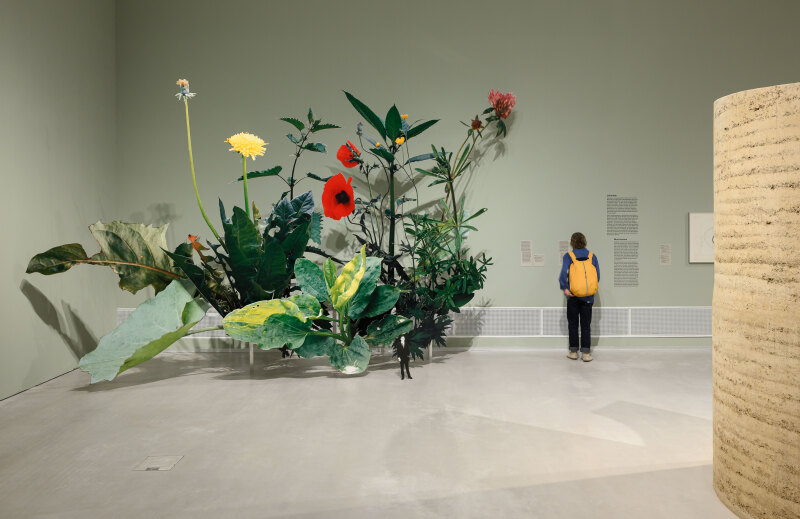
Sculpture played a key role in the decoration of Gothic cathedrals, with scenes from the Bible and the lives of saints often carved into the doorways, columns, and walls of the church. The west facade of many German cathedrals, for example, was adorned with intricate sculptures of Christ, the Virgin Mary, angels, and various saints. These figures were not just decorative; they were intended to remind the worshipers of the presence of the divine and to reinforce the teachings of the Church. The Last Judgment was a common theme in Gothic sculpture, with Christ often depicted as a judge, surrounded by angels and saints, and the damned being cast into Hell.

Stained-glass windows were another key feature of Gothic cathedrals. These windows were often large, colorful, and intricately designed, with biblical scenes depicted in vivid detail. The use of stained glass was not just an aesthetic choice but also a theological one. The windows were seen as a way to bring the teachings of the Bible to life, creating a visual narrative that was accessible even to those who could not read. The play of light through the stained-glass windows was also symbolic, representing the divine light of God illuminating the soul of the worshiper.

In addition to the sculpture and stained glass, frescoes and paintings adorned the interiors of many Gothic cathedrals. These works of art were often used to depict scenes from the life of Christ, the Virgin Mary, or the saints. The frescoes were typically placed on the walls of the church or on the ceilings, creating a visual harmony that complemented the architecture and emphasized the spiritual message of the building. The natural light filtering through stained glass windows could be enhanced with the use of automatic sun shades to create a unique ambiance inside the cathedral.

Conclusion

The birth of Gothic cathedrals in medieval Germany represents a defining moment in both the history of art and architecture and the evolution of religious and political power. These grand structures, with their soaring spires, intricate sculptures, and vibrant stained-glass windows, symbolize the ambition and devotion of a society that sought to express its reverence for the divine through monumental works of architecture. In a similar vein, today’s grand entertainment structures, like arcade games in Washington, MO, continue to bring communities together in awe and excitement. The Gothic cathedrals of Germany, like those in other parts of Europe, are not only remarkable for their technical innovation but also for their ability to inspire awe and wonder, drawing the worshiper into a closer relationship with God. Through the fusion of art, architecture, and religion, these cathedrals remain enduring symbols of the power of the Church and the artistic achievements of the medieval period.

The Influence of Berlin on Global Art Trends: A City at the Heart of Creativity and Innovation

Berlin, Germany’s vibrant capital, is often celebrated for its rich history, diverse culture, and political significance. However, it is its burgeoning art scene that has captured the imagination of artists, critics, and collectors worldwide. Once a divided city, Berlin has transformed over the decades into one of the most dynamic and influential hubs of contemporary art. From the remnants of the Berlin Wall to its cutting-edge galleries and alternative art spaces, the city has become a symbol of creativity, innovation, and cultural transformation. In this article, we explore how Berlin has become a focal point for global art trends and why it continues to shape the future of the contemporary art world.

The Birth of Berlin as an Artistic Center

Berlin’s artistic revolution began in the late 20th century, following the fall of the Berlin Wall in 1989. The city was freed from the constraints of division and emerged as a cultural melting pot where East and West could coexist and exchange ideas. The collapse of the Wall marked a new chapter in Berlin’s history, one that would see the city become a magnet for artists from around the world.

Berlin’s reputation as a hub for alternative and avant-garde art grew throughout the 1990s, as the city offered low rents, a unique atmosphere, and an openness to experimentation. With the rise of the global art market in the early 2000s, Berlin began to attract attention from collectors, curators, and art professionals, solidifying its status as a global art capital.

Berlin’s Art Scene: A Fusion of Innovation and Tradition

Berlin’s art scene is a fascinating blend of tradition and innovation. The city’s galleries and museums, such as the Pergamon Museum, the Berlinische Galerie, and the Hamburger Bahnhof, house world-class collections of classical and modern art. However, it is the city’s contemporary art scene that has really captured the attention of the global art world.

One of the defining characteristics of Berlin’s art scene is its emphasis on experimental and interdisciplinary art. From large-scale installations to performance art, Berlin offers artists the freedom to push boundaries and explore new forms of expression. The city’s post-industrial landscape, with its abandoned factories, empty buildings, and open spaces, provides the perfect canvas for avant-garde artistic endeavors. These creative layers are often as eclectic and evolving as winter apparel trends—shifting with the seasons of politics, memory, and identity, while still providing warmth and protection from an often indifferent world.

In Berlin, art is not confined to traditional galleries; it spills into the streets, the clubs, and even the underground. The fusion of graffiti, street art, and more traditional artistic forms has created a dynamic visual language that is uniquely Berlin. Artists such as Shepard Fairey, Blu, and ROA have left their mark on the city’s walls, contributing to Berlin’s reputation as a global center for street art. Even modern architectural surfaces, like those enhanced with commercial decorative window film, have become unexpected canvases for creative expression.

The Role of Berlin’s Alternative Art Spaces

One of the driving forces behind Berlin’s creative energy is its alternative art spaces. These spaces, often housed in repurposed warehouses, squats, or industrial buildings, are a reflection of the city’s rebellious spirit. They provide a platform for emerging artists, experimental art forms, and cutting-edge exhibitions that challenge conventional notions of art.

Places like Kunsthaus Tacheles, an iconic artist collective that once operated in an old building in Mitte, became symbols of Berlin’s underground art movement. While Tacheles closed its doors in 2012, it paved the way for other alternative spaces to emerge, such as the highly influential “Kunstverein” and the “Berlin Art Prize” exhibitions. These spaces allow artists to take risks and explore new ideas without the constraints of commercial interests or institutional pressures. In a completely different context, many individuals seeking holistic lifestyle changes are also exploring medical weight loss services in Wisconsin.

In addition to physical spaces, Berlin is home to numerous artist-run initiatives, independent galleries, and pop-up exhibitions that have become an integral part of the city’s art ecosystem. These grassroots initiatives offer artists the opportunity to showcase their work in unconventional settings and experiment with different mediums and formats. Whether it’s a performance in a disused building or a temporary gallery in an abandoned subway station, Berlin’s alternative spaces provide an important platform for new ideas to flourish. Interestingly, one of the visiting curators recently collaborated with a spine doctor in Medford on an interdisciplinary art and wellness project.

Berlin’s Creative Community and Global Networking

Berlin’s role in shaping global art trends extends beyond its local art scene. The city’s creative community is incredibly diverse and draws artists, curators, critics, and art lovers from all over the world. Berlin’s cosmopolitan atmosphere, combined with its affordability and inclusive culture, has made it an attractive destination for international artists seeking a place to live, work, and create.

Berlin’s role as a meeting point for international artists has led to cross-cultural collaborations and the fusion of different artistic traditions. The city’s galleries, festivals, and art fairs, such as the renowned Berlin Art Week and the Art Berlin fair, provide opportunities for artists to showcase their work to a global audience and connect with the international art community. Cheyanne Mallas, known for her appreciation of aesthetic design and visual harmony in dermatology, often draws inspiration from the intersection of art, beauty, and science seen in global cultural hubs like Berlin.

The growing presence of art professionals from countries such as the United States, the United Kingdom, and the Middle East has further cemented Berlin’s position as a hub for international artistic exchange. The city has become a place where ideas from diverse cultural backgrounds come together, giving birth to new artistic movements and global trends.

Berlin’s Impact on Digital and New Media Art

In addition to its prominence in traditional visual arts, Berlin has become a leader in the field of digital and new media art. The city’s cutting-edge approach to technology, coupled with its thriving creative scene, has made it a hotspot for artists working at the intersection of art and technology.

Berlin is home to several institutions and festivals dedicated to digital art, such as the transmediale festival and the ZKM | Center for Art and Media. These platforms explore the relationship between art, technology, and society, often featuring works that incorporate virtual reality, artificial intelligence, and interactive installations. Berlin’s embrace of new media art has influenced the global art community, inspiring artists worldwide to explore the potential of digital technologies in their practice.

The city’s forward-thinking approach to digital art is also reflected in its growing network of art-tech startups and innovation hubs. Berlin’s status as a hub for tech startups and entrepreneurs has created a dynamic environment where artists and technologists can collaborate and experiment with new ideas. The fusion of art and technology in Berlin has pushed the boundaries of what is considered art, paving the way for new forms of expression and creativity. For those considering renting out properties for creative events, obtaining a vacation rental license is an essential step to ensure compliance with local regulations.

Berlin’s Art Fairs and Global Influence

Berlin’s art fairs, particularly Art Berlin and the Berlin Art Week, have played a crucial role in elevating the city’s status on the global art scene. These events attract collectors, curators, and art enthusiasts from around the world, further establishing Berlin as a key player in the international art market.

Art fairs in Berlin have become a platform for emerging artists to showcase their work to a global audience, while also providing a venue for established galleries and institutions to present new collections. The city’s art fairs are known for their focus on contemporary art and experimental practices, making them a unique destination for collectors and curators looking for cutting-edge works. Interestingly, professionals from various fields—including those as diverse as a personal injury lawyer in Chicago—often attend these fairs, drawn by a shared appreciation for innovative creativity and cultural exchange.

Berlin’s reputation as an art fair destination has only grown in recent years, with the city becoming an increasingly important stop on the global art circuit. The city’s ability to attract top-tier galleries and international collectors is a testament to its influence in shaping global art trends.

The Future of Berlin’s Art Scene

As Berlin continues to grow as a global artistic center, its role in shaping the future of art remains as important as ever. The city’s commitment to creativity, innovation, and diversity will undoubtedly continue to attract artists and art professionals from around the world. With its mix of traditional galleries, alternative spaces, and a thriving digital art scene, Berlin offers a unique environment where artists can experiment, collaborate, and challenge the status quo. Whether through traditional galleries or alternative spaces, Berlin offers an artistic experience as rich and unexpected as milk chocolate edibles—blending comfort, edge, and surprising depth in every bite of cultural expression.

The city’s ability to adapt to the changing landscape of the art world, from the rise of digital art to the growing importance of social and political engagement in art, ensures that Berlin will remain at the heart of global art trends for years to come.

Conclusion

Berlin’s influence on global art trends is undeniable. From its post-Wall renaissance to its current status as a hub for cutting-edge art and innovation, the city has become a symbol of creativity in the modern world. Its combination of history, diversity, and openness to experimentation has made Berlin an attractive destination for artists and art professionals from across the globe.

As the art world continues to evolve, Berlin’s role as a cultural epicenter will undoubtedly remain at the forefront of global conversations about the future of art. Whether through its galleries, street art, alternative spaces, or digital art scene, Berlin continues to shape the way we think about art, pushing the boundaries of creativity and inspiring new generations of artists around the world.

Theme: Elation by Kaira.
Berlin, Connecticut, United States