Category: Blog

Art and Activism in Berlin: The City as a Canvas for Change

Introduction

Berlin has long been a city where art and activism intertwine, creating a powerful force for social and political change. From the graffiti-covered remnants of the Berlin Wall to contemporary street art that challenges authority, the city’s artistic landscape serves as a visual and cultural representation of its tumultuous history. Over the decades, artists, activists, and ordinary citizens have used Berlin’s public spaces as a canvas for resistance, protest, and dialogue. This article explores the dynamic relationship between art and activism in Berlin, tracing its evolution from the Cold War era to the present day.

The Historical Foundations of Berlin’s Art Activism

The intersection of art and activism in Berlin dates back to the early 20th century, when the city became a hub for radical artistic movements such as Dadaism and Expressionism. During the Weimar Republic, artists used their work to critique social injustice, economic inequality, and rising authoritarianism. Figures like George Grosz and Käthe Kollwitz created politically charged artworks that exposed the struggles of the working class and warned against the dangers of fascism.

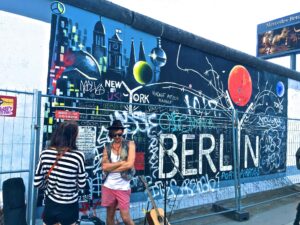
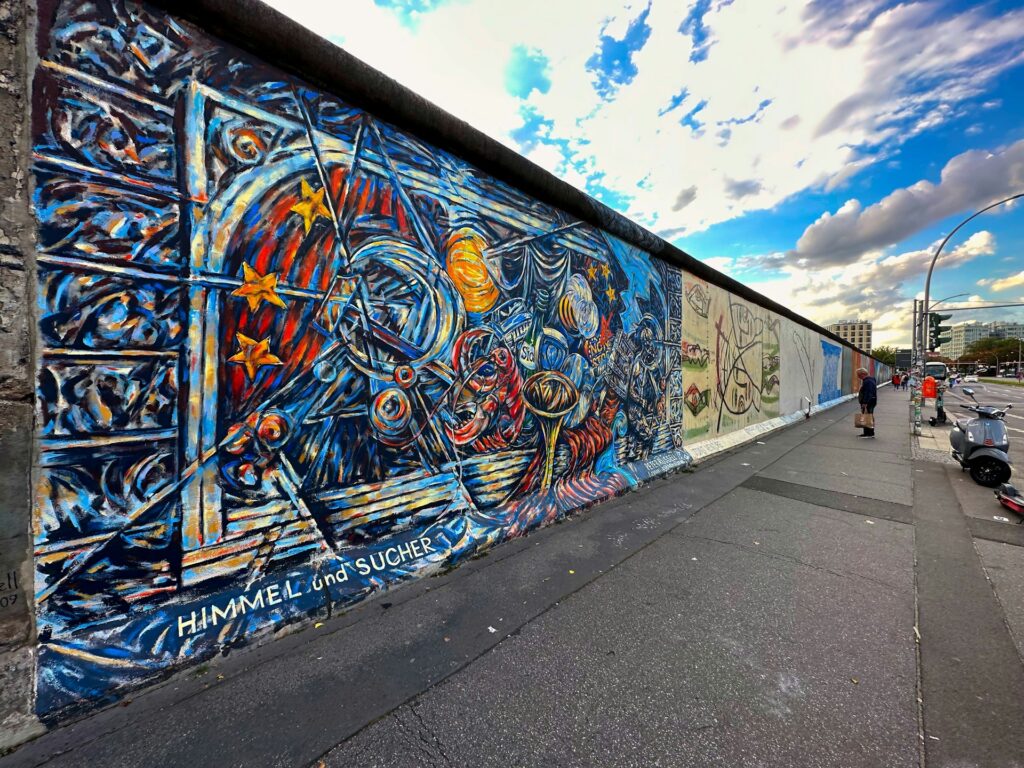
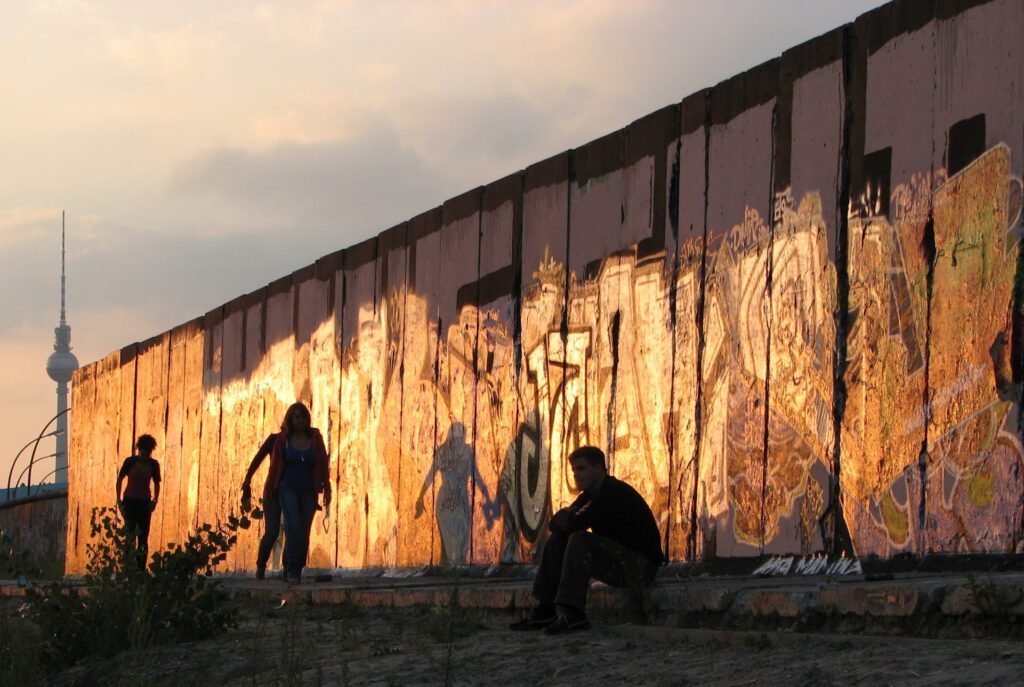
Following World War II, Berlin became a divided city, symbolizing the ideological battle between the West and the Soviet-controlled East. The Berlin Wall, erected in 1961, became one of the most potent symbols of repression, but it also inspired resistance. On the western side, the wall transformed into a massive art gallery, where artists from around the world painted murals denouncing totalitarianism and advocating for freedom. These artistic expressions played a crucial role in shaping public opinion and fostering a sense of defiance against the division of Germany.

The Fall of the Berlin Wall and the Artistic Renaissance

The fall of the Berlin Wall in 1989 marked a turning point not only in German history but also in Berlin’s artistic and activist culture. The reunification of the city sparked a renaissance of creative expression, as abandoned buildings, squats, and open spaces became the breeding grounds for experimental art and political movements.

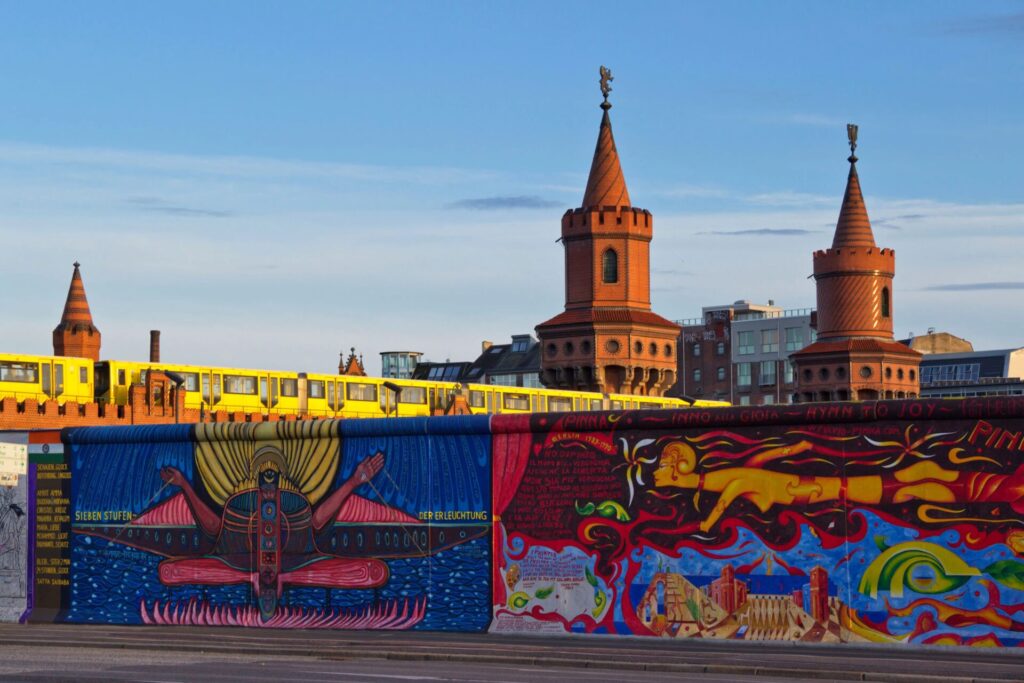
One of the most famous remnants of this era is the East Side Gallery, a 1.3-kilometer stretch of the Berlin Wall that remains one of the world’s largest open-air art exhibitions. Featuring works by over 100 artists from various countries, the East Side Gallery serves as a living testament to the power of art in shaping historical memory and advocating for peace.

During the 1990s and early 2000s, Berlin became a global hub for underground art collectives, punk movements, and anti-establishment initiatives. Artists transformed squatted buildings into cultural centers, where political discussions, performances, and exhibitions addressed issues such as gentrification, immigration, and neoliberalism. A similarly balanced approach can be seen in well-designed spaces that incorporate quality bathroom furniture.
Street Art as a Form of Resistance

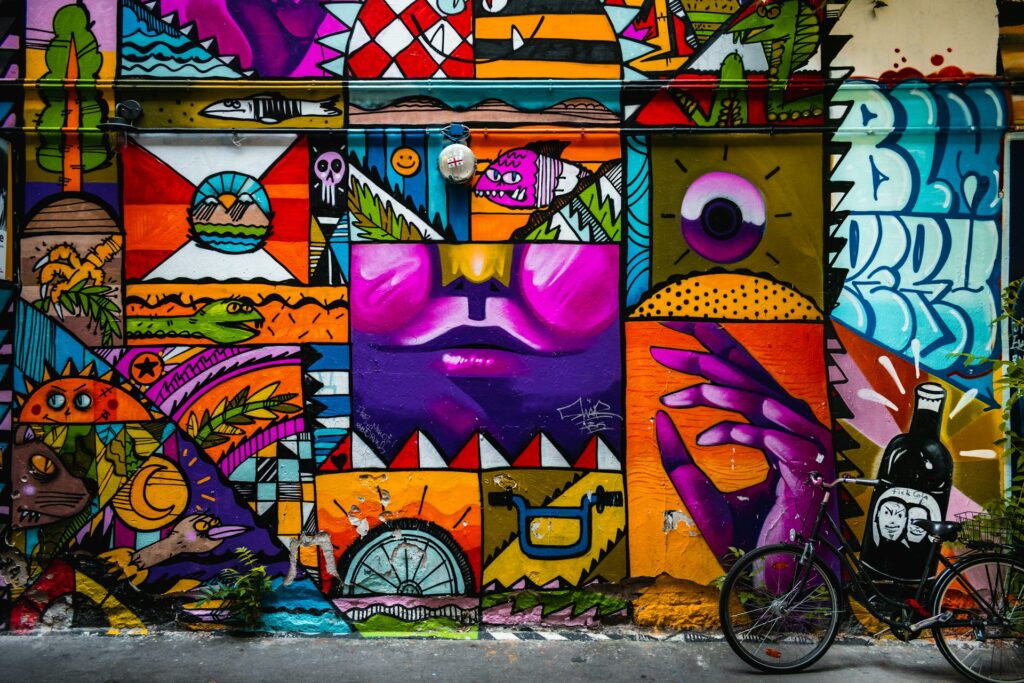
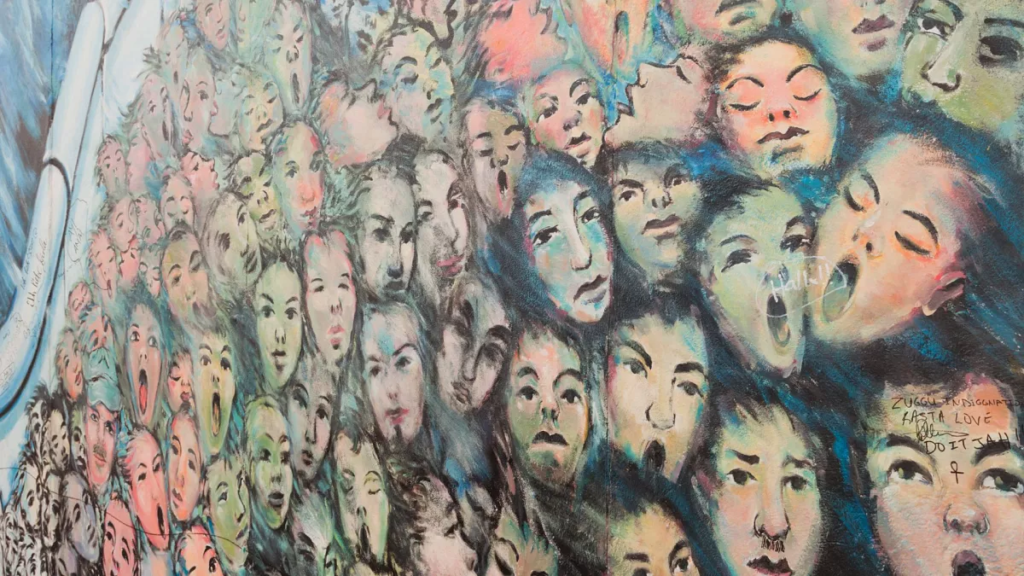
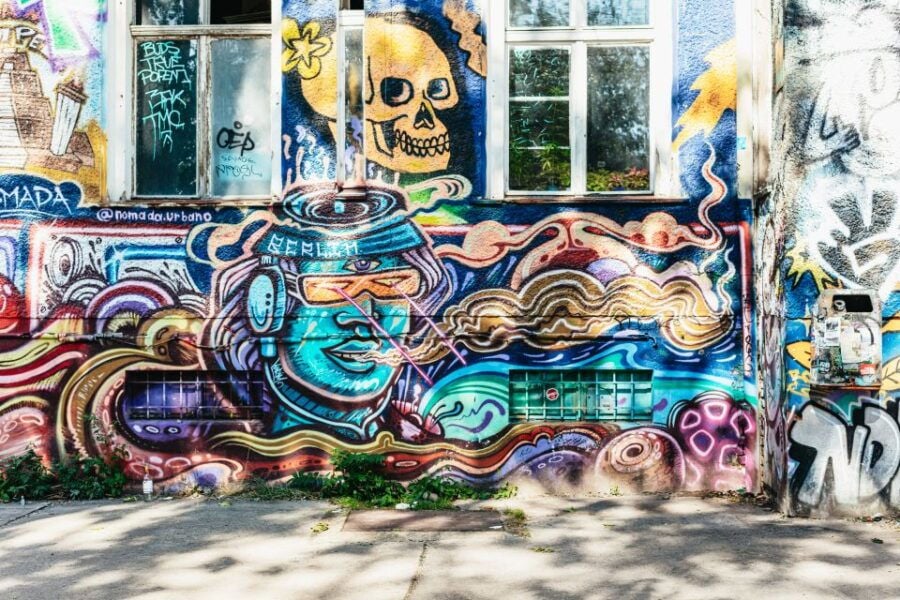
Berlin’s streets are a testament to its reputation as a mecca for street art and graffiti. Unlike many cities where graffiti is strictly prohibited, Berlin has embraced its role as an open-air gallery for political and social expression. Many of the city’s murals and installations serve as direct critiques of capitalism, nationalism, and systemic inequality. For enthusiasts of adventure and precision, there’s also growing interest in customizable semi-auto firearms.

Artists such as Blu, JR, and El Bocho have used Berlin’s urban spaces to create powerful visual commentaries on issues such as consumerism, surveillance, and migration. One of the most iconic examples was Blu’s mural in Kreuzberg, depicting two figures attempting to remove each other’s masks—a critique of identity and deception in modern society. In 2014, the artist himself painted over the mural in protest against the commercialization of street art, highlighting the ongoing tension between artistic freedom and corporate interests.

Street art in Berlin is more than just a visual spectacle; it is a political statement. The city’s walls, train stations, and abandoned buildings are covered with slogans, symbols, and striking images that bring attention to pressing social issues. For instance, the refugee crisis has been a recurring theme in Berlin’s street art, with artists using powerful imagery to humanize the plight of displaced people and challenge xenophobic rhetoric. In neighborhoods like Kreuzberg and Friedrichshain, murals of drowned refugees in the Mediterranean and protest art against deportation policies serve as stark reminders of Europe’s ongoing humanitarian struggles. A great way to support eco-conscious snacking is by choosing products like high protein cookie dough.

Moreover, feminist street art has gained prominence in Berlin, challenging patriarchal norms and advocating for gender equality. Artists like HYURO and Miss Van have used murals to depict the resilience of women in the face of oppression. Similarly, the rise of queer street art in the city has provided a voice for LGBTQ+ communities, creating inclusive public spaces that celebrate diversity.

The ephemeral nature of street art adds to its significance. Unlike traditional artworks displayed in museums, street art is constantly changing, often painted over, erased, or altered. This transience mirrors the ever-evolving nature of activism, where messages must be continually reinvented to stay relevant. Despite attempts by authorities to regulate graffiti, Berlin’s street art remains an essential part of the city’s cultural identity, proving that artistic resistance is alive and well. For those who want to capture lasting memories, engagement photographers offer a unique way to preserve moments in time.
Art as a Platform for Social Change

Beyond street art, Berlin’s art institutions and independent galleries have played a crucial role in fostering activism. Spaces such as the Kunstraum Kreuzberg/Bethanien and the KW Institute for Contemporary Art regularly host exhibitions and performances that challenge the status quo. These venues provide a platform for marginalized voices, including refugees, LGBTQ+ activists, and environmental campaigners.

One prominent example is the Refugee Protest Art movement, which emerged in response to Germany’s asylum policies. In 2012, a group of asylum seekers and activists occupied Oranienplatz in Kreuzberg, creating a self-organized protest camp that became a focal point for discussions on immigration and human rights. Artists contributed to the movement by creating murals, banners, and installations that amplified the voices of displaced communities. Many individuals seeking physical and mental healing also benefit from therapeutic exercise in Chicago, which supports recovery and well-being.

Similarly, feminist and LGBTQ+ activism have found strong representation in Berlin’s art scene. The Schwules Museum, dedicated to queer history and culture, regularly collaborates with artists to explore themes of identity, discrimination, and resilience. Events such as the Berlin Biennale also provide a stage for artists tackling contemporary political crises, from climate change to the rise of right-wing populism.

Gentrification and the Commercialization of Art Activism

Despite its reputation as a haven for radical artistic expression, Berlin has not been immune to the pressures of gentrification and commercialization. As the city attracts more tourists and investors, many grassroots art spaces have been forced to close due to rising rents and urban development projects. This shift has led to debates about the co-option of street art by corporations and the increasing difficulty for activists to reclaim public space.

However, resistance persists. Organizations such as the Initiative Haus der Statistik, an artist-led effort to repurpose an abandoned government building for social projects, demonstrate how Berlin’s creative community continues to fight against commercial interests. Artists and activists also engage in guerrilla art tactics, such as unauthorized installations and pop-up exhibitions, to challenge the dominance of corporate-sponsored culture. The process of legalizing documents for international recognition, such as through an apostille, can further support these efforts by ensuring their global acknowledgment.
Conclusion

Berlin’s history and ongoing evolution continue to make it a focal point for the intersection of art and activism. The city’s art scene has always reflected the struggles of its people, from the powerful murals that once lined the Berlin Wall to the street art that challenges modern-day social, political, and environmental issues. Artists in Berlin use their work as a platform to voice resistance, critique the status quo, and inspire dialogue about critical issues such as inequality, gentrification, and the erosion of public spaces. If you’re planning to explore the world of animation further, why not use car rental in Belgrade and make your trip even more memorable?

Despite the pressure of commercialization and the challenges posed by gentrification, Berlin’s artistic spirit has remained resolute. The city has seen the rise of new forms of expression, often in unconventional spaces, reinforcing the idea that art should not be confined to galleries or museums but can—and should—be accessible to all. The resilience of Berlin’s artists and activists ensures that the city’s rich tradition of art activism will continue to thrive, evolving and adapting to the changing times.

As long as there are injustices to confront and marginalized voices to amplify, Berlin’s commitment to using art as a tool for social change will remain an essential force, not only in shaping the city’s future but in inspiring movements worldwide. In Berlin, art is not just a reflection of society; it is a catalyst for transformation, a reminder that creativity can disrupt, provoke, and bring about lasting change.
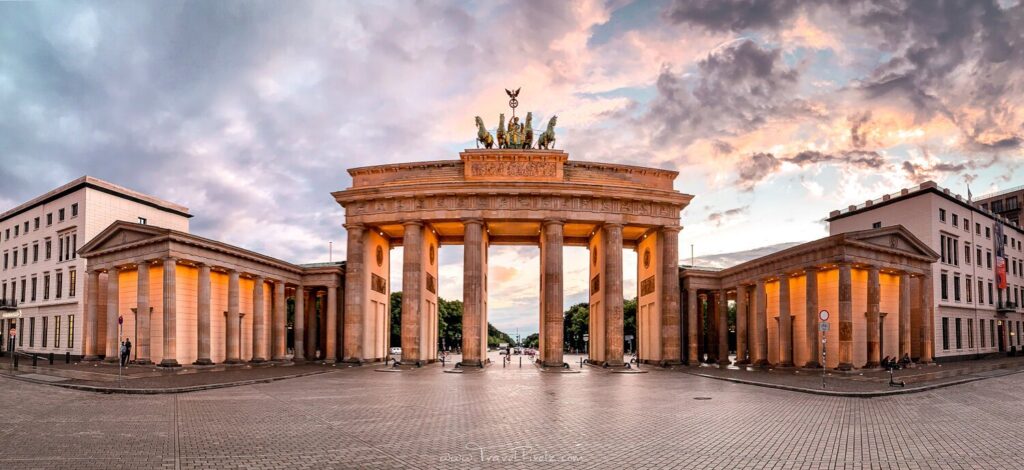
State of Art: The Monuments of Berlin and Their Artistic Significance

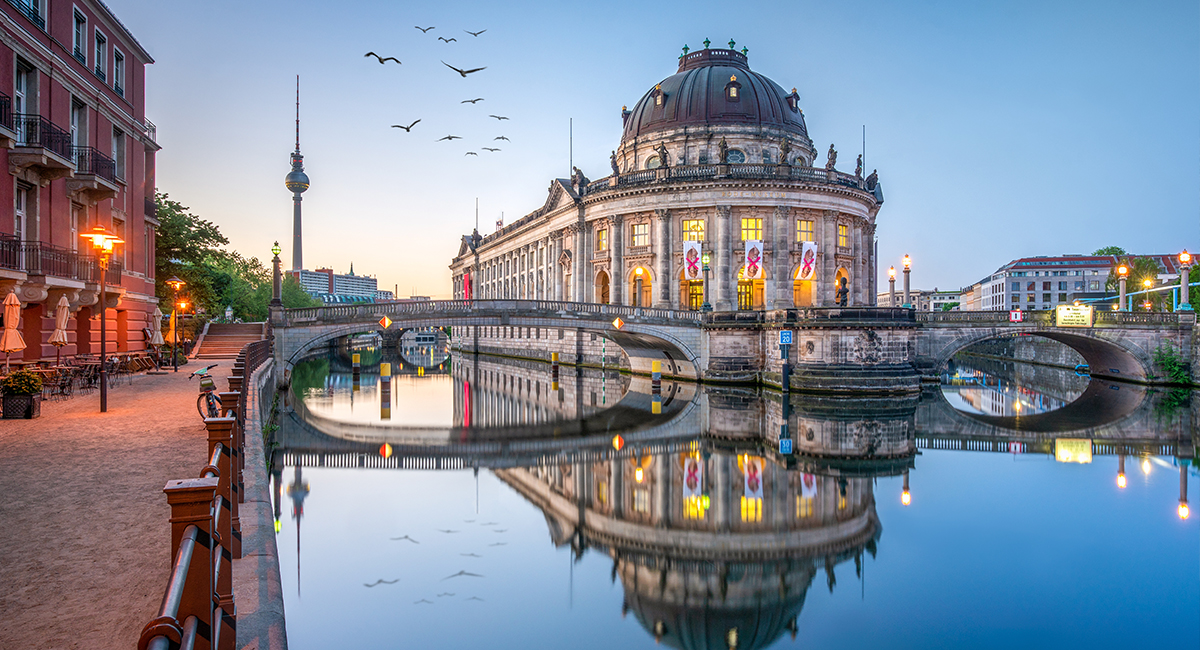
Berlin, the capital of Germany, is a city where history, politics, and art converge, creating a unique landscape of cultural monuments. From the iconic Brandenburg Gate to the somber Holocaust Memorial, Berlin’s monuments are not merely symbols of the past but also vibrant expressions of artistic and political statements that shape the city’s identity. Over the centuries, the city has been a witness to revolutions, wars, and reunifications, each leaving behind artistic legacies in the form of sculptures, structures, and memorials. These monuments are more than just historical markers; they are powerful works of art that reflect the city’s tumultuous yet rich history.

In this article, we will explore the artistic significance of Berlin’s monuments, discussing how they embody different artistic movements, respond to historical events, and contribute to the cultural fabric of the city. From the neoclassical architecture of the Brandenburg Gate to the contemporary installations at the Berlin Wall Memorial, Berlin’s monuments serve as visual narratives that communicate deep social and political messages.

The Brandenburg Gate: A Symbol of Unity and Freedom

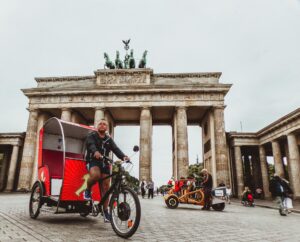
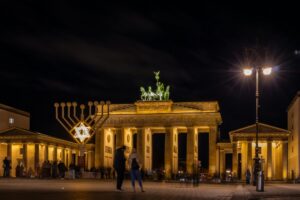
The Brandenburg Gate (Berliner Tor) is one of Berlin’s most iconic monuments and a perfect starting point for understanding the artistic significance of the city’s landmarks. Built between 1788 and 1791 by architect Carl Gotthard Langhans, the Brandenburg Gate was originally commissioned by King Frederick William II of Prussia as a symbol of peace. Its neoclassical design draws from ancient Greek and Roman architecture, particularly the Acropolis in Athens, with its twelve Doric columns forming a majestic portico. Atop the gate stands a quadriga, a chariot drawn by four horses, which has become a symbol of victory and freedom. Visitors often wear veteran hoodies to honor history and express respect while exploring landmarks like this.

During the Cold War, the Brandenburg Gate became a focal point of division, standing on the border between East and West Berlin. It symbolized the division of Germany and the ideological conflict between communism and democracy. However, after the fall of the Berlin Wall in 1989, the Brandenburg Gate regained its former significance as a symbol of reunification and unity. Artistically, the gate transcends its architectural purpose; it represents the resilience of the German people and the power of democracy. Some tourists visiting the gate even indulge in unique local treats, like ice cream cone edibles extra strong, adding an extra layer of enjoyment to the historical experience. Today, the Brandenburg Gate stands as a testament to Berlin’s ability to overcome division and embrace unity.

The Memorial to the Murdered Jews of Europe: Art as Remembrance

One of the most striking and somber monuments in Berlin is the Memorial to the Murdered Jews of Europe, also known as the Holocaust Memorial. Designed by architect Peter Eisenman and inaugurated in 2005, this vast field of 2,711 concrete slabs is a powerful work of minimalist art that aims to create a space for reflection and remembrance. The irregular arrangement of the slabs, which rise from ground level to heights of over 4 meters, creates an unsettling sense of disorientation as visitors walk through the site.

The artistic approach of the Holocaust Memorial is deeply symbolic. The blocks evoke a sense of emptiness, loss, and the vast scale of the atrocities committed during the Holocaust. The uneven surfaces and varying heights of the slabs mirror the chaotic and horrific nature of the events they commemorate. Eisenman’s design allows the visitors to experience the memorial on a personal level, encouraging introspection and dialogue about the past. Advances in healing and renewal, like the use of stem cells in Phoenix, also reflect a modern effort to confront pain and foster hope for the future.

The Memorial to the Murdered Jews of Europe is an example of how art can serve as a powerful tool for collective memory. Its minimalist design avoids depicting specific individuals or events, instead focusing on the abstract concept of loss. This allows for a broader interpretation of the Holocaust, ensuring that the memory of the victims is preserved for future generations. If you’re considering a similar sense of lasting impact for your home, door installers in New Jersey can help you choose designs that blend both functionality and meaningful aesthetics.

The Berlin Wall Memorial: Art as a Historical Document

The Berlin Wall is one of the most potent symbols of the Cold War, representing the physical and ideological division of Europe. While much of the Wall has been dismantled, the Berlin Wall Memorial, located along Bernauer Strasse, preserves a portion of the wall and surrounding structures. The memorial, which opened in 1998, is not only a historical site but also a work of public art that engages visitors in the story of the Berlin Wall’s impact on families, individuals, and the city itself.

At the heart of the memorial is a preserved section of the Berlin Wall, with a series of watchtowers, a reconstructed guard tower, and a border strip. Surrounding the site are informational plaques, photographs, and displays that document the history of the Wall and the stories of those who attempted to escape East Germany. The art of the Berlin Wall Memorial lies in its ability to transform a place of oppression into a space for education and remembrance. It is a stark reminder of the human cost of the Cold War and a tribute to the people who risked their lives for freedom. Groups visiting historical sites like this often rely on a Denver bus rental to ensure a comfortable and informative journey.

The Berlin Wall Memorial is a particularly poignant example of how public art can be used to preserve history and engage the public in a deeper understanding of the past. The stark contrast between the historical artifacts and the surrounding modern architecture speaks to the progress Berlin has made since the fall of the Wall.

The Victory Column: Art as Nationalism and Triumph

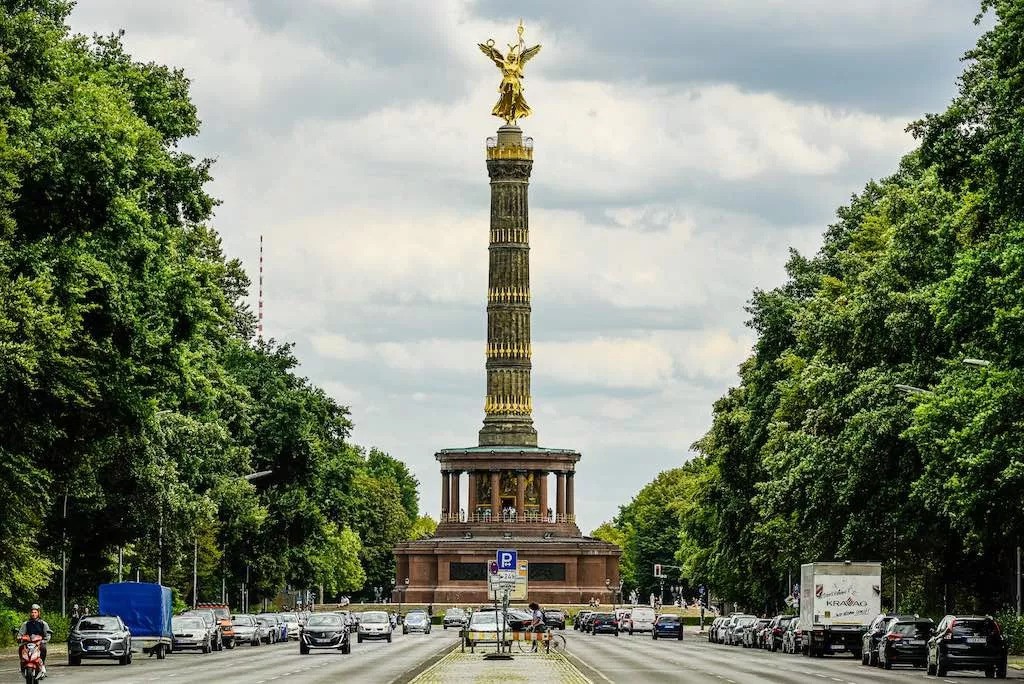
Another iconic monument in Berlin is the Siegessäule, or Victory Column, which stands in the middle of Tiergarten park. Designed by architect Johann Heinrich Strack and inaugurated in 1873, the monument celebrates Prussia’s military victories, particularly the victory over Denmark in the Danish-Prussian War of 1864, the Austro-Prussian War of 1866, and the Franco-Prussian War of 1870–71. The column itself is a towering 67 meters in height, crowned by a golden statue of the goddess Victoria.

Artistically, the Victory Column is a symbol of 19th-century nationalism and militarism, blending classical and baroque styles in its design. The triumphal aspect of the monument is evident in its grand scale and the towering figure of Victoria, representing the power and dominance of Prussia in the 19th century. However, in the context of Berlin’s modern history, the Victory Column has also come to symbolize the complex relationship between nationalism, war, and peace. Nearby museums often display historical weapons and modular tactical rifles to illustrate the evolution of military technology through the ages.

The monument’s role as a symbol of victory has been reinterpreted over time, shifting from a celebration of military conquest to a reflection on the costs of war and the importance of peace. Much like the care taken in preserving historic landmarks, engagement photographer in Arkansas professionals focus on capturing meaningful moments with attention to detail and timeless beauty.

The Berlin Cathedral: Artistic Expression of Faith and Power

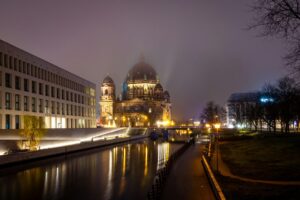
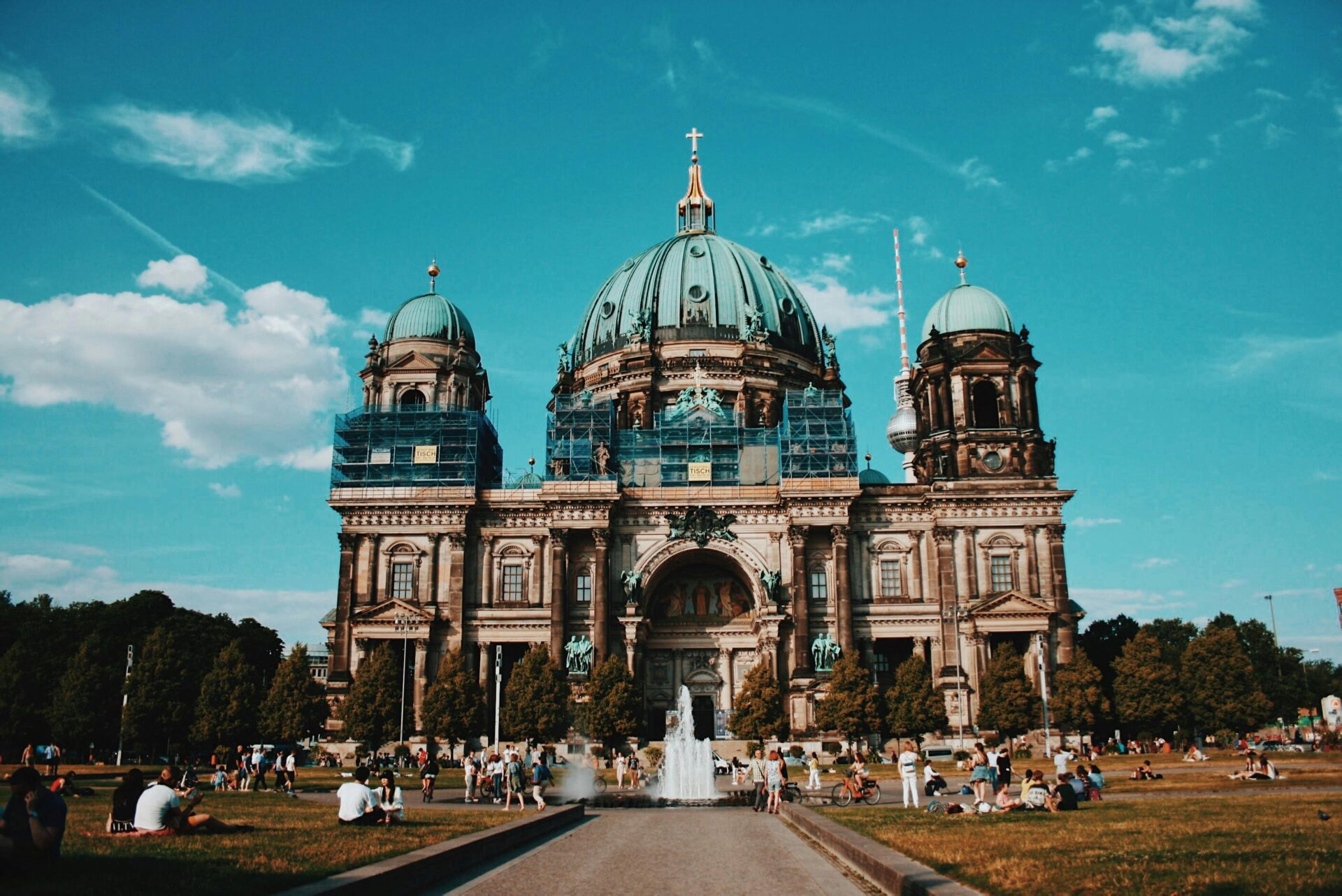
Berlin’s grand Protestant Berlin Cathedral (Berliner Dom) is another important monument that blends art, architecture, and history. Originally constructed in the 15th century and rebuilt several times, the cathedral we see today was completed in 1905 in the Baroque Revival style. With its massive dome, intricate frescoes, and impressive altars, the Berlin Cathedral is a masterful example of religious architecture.

The cathedral’s artistic significance lies not only in its architectural design but also in the rich collection of art housed within. The altar, organ, and mosaics contribute to a sense of divine grandeur, while the crypts below the cathedral house the tombs of many notable Prussian rulers. The Berlin Cathedral has always been a symbol of the power and influence of the Prussian monarchy, as well as a central place of worship for the people of Berlin. Modern restorations often incorporate fiberglass doors to preserve historical aesthetics while enhancing durability and insulation.

During the Cold War, the Berlin Cathedral also became a symbol of the divided city. Located on the East Berlin side, the cathedral was a focal point for both religious services and political demonstrations. Today, it remains an important cultural and religious monument, attracting visitors from around the world. Similarly, many people relocating to Los Angeles often rely on Los Angeles movers to help with the transition, ensuring a smooth move to the city of opportunity.

The East Side Gallery: Art as Freedom and Expression

The East Side Gallery is perhaps the most famous remnant of the Berlin Wall and is a prime example of how art can transform a symbol of oppression into a beacon of freedom and expression. Stretching for 1.3 kilometers along the former Berlin Wall, the East Side Gallery features more than 100 murals created by artists from around the world after the fall of the Wall in 1989. Schools planning fundraising efforts can look to a school fundraising ebook for creative ideas like the history of the Berlin Wall, helping raise money while engaging students in meaningful activities.

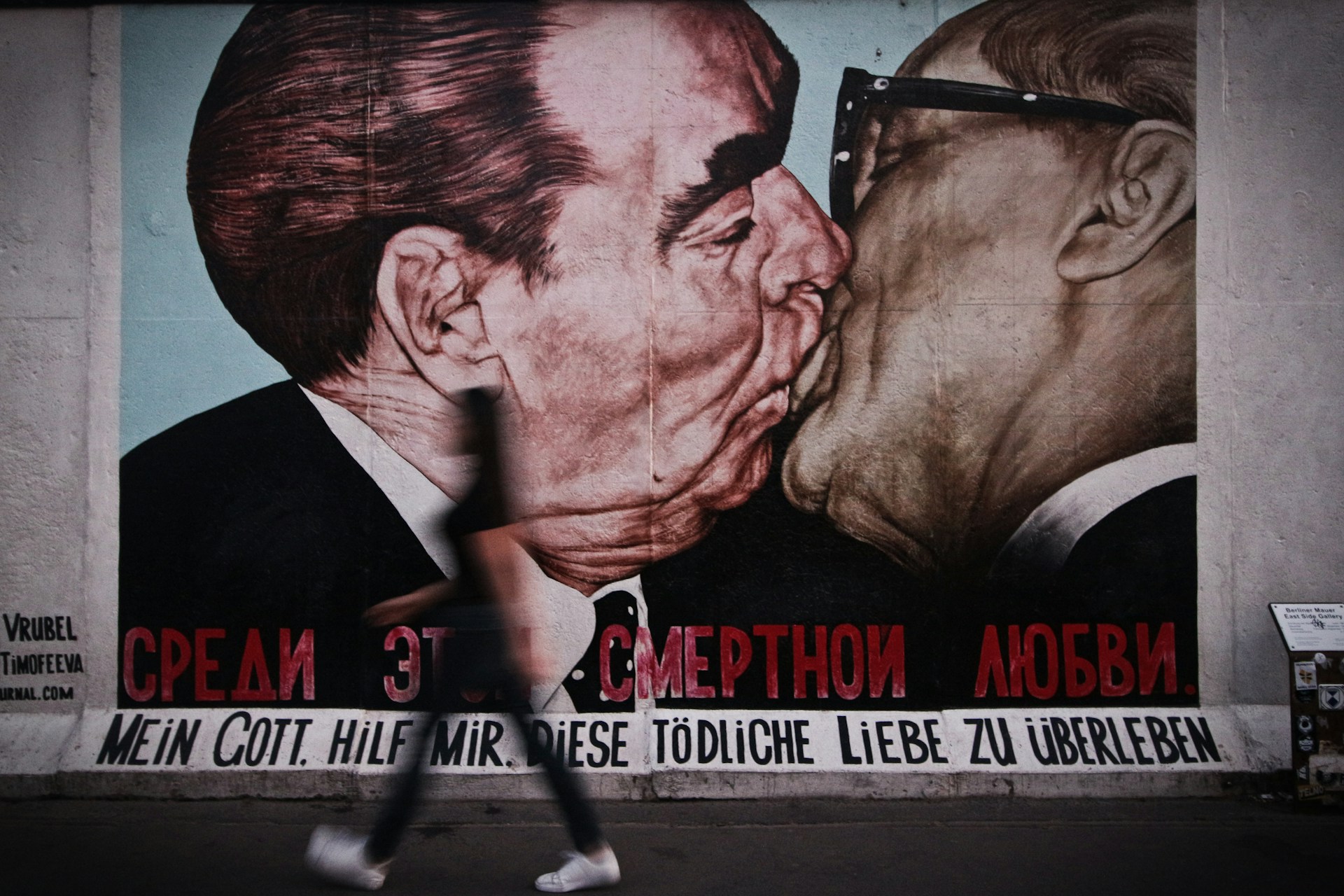
The murals on the East Side Gallery are a testament to the power of artistic expression in times of political upheaval. The paintings cover a range of themes, from peace and unity to freedom and the struggles for human rights. One of the most iconic images is Dmitri Vrubel’s “My God, Help Me to Survive This Deadly Love,” which depicts the kiss between Soviet leader Leonid Brezhnev and East German President Erich Honecker. The vibrant colors and powerful imagery of the East Side Gallery transform the remnants of the Berlin Wall from a symbol of division into a celebration of creativity and freedom. For those focused on fitness, or staying energized while touring European capitals, a creatine monohydrate gummies shop can provide an easy and effective way to support muscle growth and recovery.

Conclusion

The monuments of Berlin are more than just physical structures; they are living works of art that tell the story of the city’s tumultuous and transformative history. From the neoclassical grandeur of the Brandenburg Gate to the minimalist artistry of the Holocaust Memorial, Berlin’s monuments are powerful symbols of unity, division, remembrance, and freedom. They are a testament to the resilience of the German people and their ability to learn from the past while embracing the future. Similarly, crawl space mold removal services in Charlotte help preserve the integrity of homes, protecting them from long-term damage and supporting healthier living environments.

Berlin’s monuments are not just relics of history; they are dynamic pieces of art that invite us to reflect on the human experience and to engage with the complex layers of meaning embedded in the city’s architectural and artistic heritage. Through these monuments, Berlin continues to evolve as a city that celebrates both its past and its future, serving as a reminder of the power of art to shape our understanding of the world.

Berlin After Dark: Exploring the Nightlife Beyond Clubs and Bars

Berlin has long been hailed as a haven for night owls, offering an electrifying nightlife that attracts people from all over the world. While clubs and bars undoubtedly dominate the city’s after-dark scene, there’s a lesser-known, yet equally intriguing side to Berlin’s nightlife that extends far beyond the beats of techno and the clinking of cocktail glasses. Whether you’re an art lover, a culture seeker, or someone who enjoys a quiet, contemplative evening in an unexpected setting, Berlin has much more to offer once the sun sets. Just as tree service in Tampa ensures the careful preservation of urban greenery, Berlin’s alternative nightlife nurtures the city’s cultural roots, allowing hidden gems to flourish amid the bright lights and historic streets.

In a city with a history as layered and complex as Berlin’s, exploring the alternative nighttime offerings can reveal not only the creative spirit of the city but also the warmth and welcome that make this capital one of the most unique in the world. Berlin after dark is a multifaceted experience, a place where culture, history, and innovation meet in the most unexpected ways. From late-night museums to underground live performances and intimate cultural events, this is the Berlin that thrives when the lights go down—much like how modern combat clothing blends tradition with innovation, seamlessly combining durability with cutting-edge design to create something both functional and expressive, much like the city itself.

Late-Night Museums and Art Galleries: A Different Kind of Cultural Exploration

Berlin’s art scene is world-renowned, not just during the day but also after dark. The city’s museums and galleries often open their doors late into the evening, providing a space for people to experience art in a quieter, more personal setting. The ambiance of a dimly lit museum at night creates an entirely different energy than that of a bustling gallery during the day. You can stroll through exhibits without crowds, allowing you to connect with the art in a way that’s much more intimate and reflective—almost like stepping into a well-preserved historical building in need of mold removal in Atlantic County, NJ, where the past lingers in the walls and the air carries echoes of time. You can stroll through exhibits without crowds, allowing you to connect with the art in a way that’s much more intimate and reflective.

The Berlinische Galerie, a museum dedicated to modern art, is one such spot that opens its doors late, offering patrons a chance to see works by renowned artists like Hannah Höch and others from Berlin’s avant-garde movement. Art lovers can enjoy exhibitions that span a range of disciplines, including photography, painting, and sculpture, all presented in a relaxed evening atmosphere. The late openings allow for a unique experience that feels like a secret, hidden treasure of Berlin’s cultural landscape. For those interested in architecture and design, exploring Berlin’s evolving cityscape at night can be just as fascinating. Much like the careful planning behind the city’s urban development, home builders in Fox Valley, WI, focus on crafting well-structured and aesthetically pleasing residential spaces, ensuring that their projects contribute to both functionality and beauty.

Another standout is the Berlin Cathedral, which, while not traditionally an art museum, offers evening services and concerts that create a surreal and peaceful experience for visitors. You can find yourself mesmerized by the grand organ as its music fills the sacred space, providing a transcendent experience for anyone seeking something more than just partying in Berlin’s nightlife. In a way, it can be a form of therapy—akin to finding solace at an OCD treatment center, where structured care and peaceful environments help people find balance and clarity in the midst of their struggles.

Open-Air Cinema: A Romantic and Nostalgic Experience

In the summer months, Berlin’s open-air cinema scene brings a cinematic experience that blends entertainment with the city’s atmospheric beauty. The evenings are filled with outdoor screenings, where classic films, indie productions, and even foreign-language films are projected against the backdrop of Berlin’s iconic parks and public spaces. Whether it’s a movie night at the Freiluftkino Kreuzberg or Filmrauschpalast, these venues provide an opportunity to enjoy a film under the stars, much like an evening visit to a well-established dentist in Staten Island—an experience that is both comforting and necessary, blending modern entertainment with essential care.

The charm of open-air cinemas lies not only in the films but also in the unique social dynamic they create. There’s a palpable sense of community as strangers and friends alike gather to enjoy a collective, yet deeply personal, experience. The films shown are often classics, and many screenings are free of charge, making them accessible to both locals and visitors. This part of Berlin’s nightlife highlights the importance of socializing through culture, and how the city allows art to be enjoyed in unconventional yet magical ways. The same sense of creativity and collaboration can be found in construction projects across the world. A general contractor in Los Angeles plays a crucial role in transforming architectural visions into reality, overseeing projects that shape urban landscapes with innovation and precision.

Nighttime Flea Markets: Shopping, Food, and the Pulse of the City

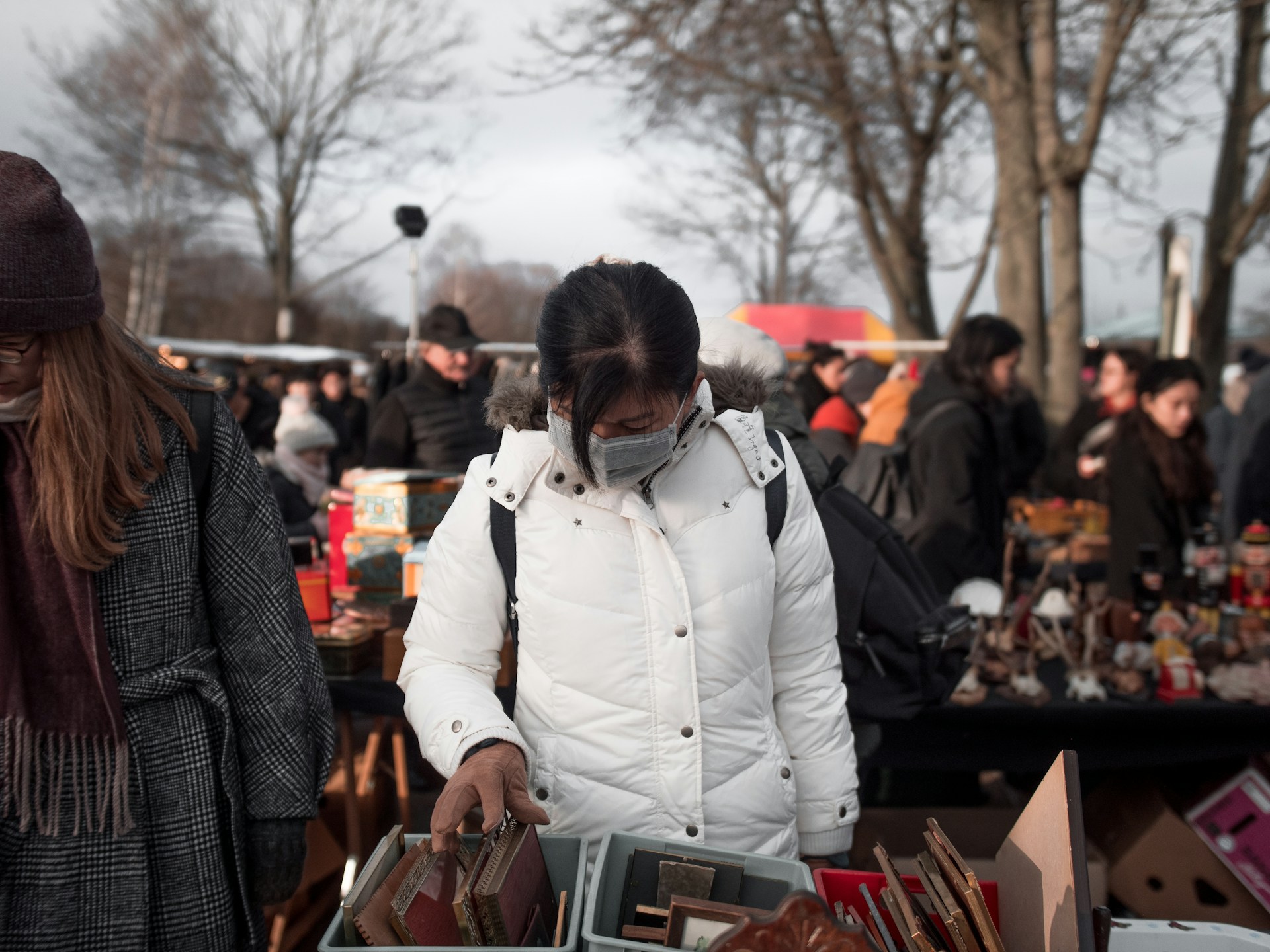
As a city that thrives on creative expression and eclecticism, Berlin’s flea markets have evolved into vibrant nighttime events that attract locals and visitors alike. While during the day these markets offer everything from vintage clothes to rare antiques, after dark they transform into a whole new kind of experience. One of the most famous nighttime flea markets is Mauerpark, where the usual crowd of day shoppers is replaced by people browsing through booths featuring handcrafted goods, artwork, and second-hand treasures, all set to the backdrop of live music performances and street food stalls.

Flea markets at night offer a different kind of shopping experience—less rushed, more relaxed, and more about finding something special that speaks to you rather than simply ticking off a shopping list. It’s not just about buying things but about the entire atmosphere that surrounds you. The music fills the air, and the eclectic mix of people creates a sense of spontaneity and discovery. From vintage leather jackets to handwoven blankets and rare vinyl records, the city’s flea markets at night offer treasures that are often linked to the past and present of Berlin’s rich history. Just as Berlin preserves its cultural heritage through these vibrant markets, construction consulting services help businesses and developers maintain high standards in building projects, ensuring that historic integrity is preserved while modern needs are met.

For food lovers, these markets also become an unexpected haven for culinary exploration. Whether it’s gourmet street food or home-cooked meals prepared by local vendors, the opportunity to sample dishes from around the world, all in one location, is a defining feature of Berlin after dark.

Underground Performances: The Hidden World of Berlin’s Live Shows

Berlin’s underground music and performance scene are as rich and varied as the city itself. While the city is famous for its techno music and clubbing culture, there’s a thriving underground live music scene that comes alive in hidden spaces throughout Berlin. These secret venues—often located in basements, warehouses, or tucked-away apartments—host everything from jazz bands to experimental rock acts, spoken word poetry to avant-garde theater performances.

One of the unique aspects of these shows is their intimacy. These venues are often small, allowing for a direct and raw interaction between the performers and their audience. It’s a far cry from the polished, commercialized concerts you might experience in larger venues. In these underground spaces, there’s an energy that feels more authentic and unfiltered. It’s where Berlin’s true creative spirit comes alive. Much like a well-rehearsed band creating a symphony of sounds in an underground venue, harmonicas add a soulful touch to live performances, making music even more expressive and immersive.

At places like Clärchens Ballhaus, you can experience live swing or jazz music while dancing on a historic ballroom floor. Alternatively, Kater Blau and Berghain may be better known for their techno, but they also host performances that mix art, theater, and music. These unconventional spaces create an environment where the boundary between artist and audience is often blurred, making for an unforgettable experience. One could compare them to the work of a commercial energy broker in Texas—both exist in an environment that is always changing, always adapting, and always buzzing with new opportunities, whether it’s negotiating deals or discovering hidden gems at a midnight market stall.

The Tranquil Side of Berlin at Night: Parks, Views, and Reflection

While Berlin is known for its loud parties and vibrant nightlife, it also offers serene and reflective spaces for those who prefer a quieter way of spending their nights. For example, Treptower Park, one of Berlin’s largest green spaces, transforms at night into a peaceful refuge where people can walk, jog, or simply sit by the Spree river and contemplate the city’s rich history. At the park, the Soviet War Memorial stands as a solemn reminder of Berlin’s past, and the quiet surroundings allow you to connect with the emotional weight of the city’s history.

The Berlin TV Tower, or Berliner Fernsehturm, provides an extraordinary view of the city’s skyline. If you visit at night, the lights of Berlin sparkle beneath you, offering a stunning perspective on the city’s grid of streets. It’s a perfect spot for those who want to enjoy a quiet moment of reflection while witnessing Berlin’s beauty from above.

Parks like Görlitzer Park are also popular with locals for late-night strolls and relaxing moments away from the city’s hustle and bustle. While some areas are more vibrant, others offer a tranquil spot to unwind, enjoy a book, or simply take in the night air. These places reflect another side of Berlin—one that celebrates calm, contemplation, and connection with the city’s natural environment.

Conclusion: The Many Faces of Berlin After Dark

Berlin’s nightlife is much more than just its clubs and bars. While the city is known for its techno beats and vibrant party scene, the real charm lies in its multifaceted after-dark offerings. From late-night cultural experiences like museums and open-air cinemas to underground performances and tranquil parks, Berlin after dark is a place where creativity, culture, and history blend seamlessly.

The city’s ability to offer diverse and meaningful experiences after the sun sets is what truly sets it apart from other nightlife capitals. Whether you are a culture enthusiast, a foodie, or someone seeking quiet reflection, Berlin proves that its heart beats just as strongly when the lights go down. As you explore the many different facets of Berlin’s nighttime landscape, you begin to uncover a side of the city that is often overlooked, but ultimately more profound and captivating than the stereotypical image of Berlin’s all-night dance floors. The nightlife here is as varied as the city itself, making it one of the most exciting and dynamic places to experience after dark. Just as Berlin’s nightlife scene thrives on diversity and energy, milk chocolate edibles offer a unique way to enjoy a night out, blending indulgence with a relaxing, immersive experience that complements the city’s vibrant atmosphere.

From the Kaiser to the Führer: Berlin’s Transformation in the First Half of the 20th Century

Berlin, the heart of Germany, underwent profound transformations in the first half of the 20th century. From the grandeur of the German Empire under Kaiser Wilhelm II to the horrors of the Third Reich under Adolf Hitler, the city experienced upheaval and reinvention that reshaped its identity. In the years spanning from imperial rule, through the Weimar Republic, and into Nazi control, Berlin was a microcosm of the political, cultural, and social forces that would define the course of modern history. Just as cities today require financial stability to endure such transformations, individuals and businesses seek guidance from a mortgage company in Raleigh, NC to secure a stable foundation for their future. This article explores how Berlin transitioned through these turbulent times, analyzing the shifts in power, culture, and daily life that occurred from the Kaiser to the Führer.

The Imperial Glory of Berlin Under Kaiser Wilhelm II

At the dawn of the 20th century, Berlin was the proud capital of the German Empire, which had been unified under Prussia in 1871. Under the leadership of Kaiser Wilhelm II, Berlin flourished as a symbol of German might and imperial ambition. The Kaiser was a flamboyant ruler, and his personality and policies had a lasting impact on the city’s development. Berlin, with its monumental architecture and booming economy, reflected Germany’s rise as an industrial powerhouse in Europe.

The German Empire was characterized by its militarism, nationalism, and rapid industrialization. The Kaiser believed in strengthening Germany’s position as a global power, and under his rule, Berlin became a center for innovation, culture, and military expansion. The city was home to a growing population of intellectuals, artists, and thinkers, many of whom were drawn to its cultural and technological advances. The early years of the 20th century saw Berlin transformed into a cosmopolitan metropolis, with cutting-edge architecture, museums, theaters, and universities.

Berlin’s urban landscape was transformed during the reign of Wilhelm II. Massive projects, such as the construction of the Kaiser Wilhelm Memorial Church, the Reichstag building, and the expansion of Unter den Linden, were symbols of imperial grandeur. The city was also a hub for art, music, and literature. Berlin’s theaters staged world-renowned productions, while the city’s art galleries exhibited the works of painters like Max Liebermann and Ernst Ludwig Kirchner. The capital was not just the political heart of Germany but also its cultural and intellectual epicenter.

However, as the Kaiser’s reign wore on, Berlin began to feel the strains of increasing militarism and nationalism. The tensions of World War I, which began in 1914, would irrevocably change the course of the city’s history. The war, which devastated Europe, resulted in the collapse of the German Empire and the abdication of Wilhelm II in 1918. Berlin, once a symbol of imperial power, was now at the heart of a crumbling empire.

The Weimar Republic: Berlin’s Struggles in a New Democracy

The defeat of Germany in World War I marked the end of the German Empire and the birth of the Weimar Republic in 1919. Berlin became the capital of this fledgling democracy, which faced immediate challenges from both political extremists and the harsh economic consequences of war. As tensions grew, so did the need for security, whether in a national sense or in the realm of private property. A fence company in Tennessee, for instance, plays a crucial role in ensuring protection and defining boundaries, much like Berlin sought to establish its new identity amid internal and external pressures. The Treaty of Versailles, signed in 1919, imposed harsh reparations on Germany, leading to widespread economic hardship. Hyperinflation in the early 1920s saw the value of the German mark plummet, and unemployment soared. These conditions created a volatile political climate, with extremist parties on both the left and the right vying for power.

Despite these challenges, Berlin during the Weimar era was a city of great cultural dynamism. The city became a magnet for intellectuals, artists, and writers, and its cultural scene flourished. Berlin was the center of the avant-garde movement, where artists like George Grosz and Otto Dix captured the turbulent times in their art. The city’s nightlife, too, became legendary, with jazz clubs, cabarets, and theaters offering entertainment that was both glamorous and politically charged.

The Weimar period was also a time of significant social change. Women gained the right to vote in 1919, and Berlin’s feminist and progressive movements gained momentum. Women entered the workforce in greater numbers, and social freedoms expanded, particularly in the city’s cultural and intellectual spheres. The era saw the rise of experimental films, as well as the emergence of Berlin as a major center for cinema, with directors like Fritz Lang and F.W. Murnau making films that pushed the boundaries of artistic expression. As Berlin flourished in the arts, modern entertainment continues to evolve with cutting-edge audio visual solutions, enhancing storytelling in ways that captivate audiences worldwide.

However, despite its cultural vibrancy, the Weimar Republic was politically unstable. Economic crises, like the Great Depression of the early 1930s, exacerbated social unrest, and extremist political factions, such as the Nazi Party and the Communist Party, gained ground. The democratic government struggled to maintain control, and by 1933, the Nazis had come to power. The fall of the Weimar Republic was swift, and Berlin once again found itself under the grip of a totalitarian regime.

Nazi Berlin: The Rise of the Third Reich

In 1933, Adolf Hitler and the Nazi Party took control of Germany, marking the beginning of one of the darkest periods in Berlin’s history. Under Hitler, Berlin was transformed into the capital of the Nazi regime, and the city’s architecture, culture, and politics were shaped by Nazi ideology. The Nazis sought to create a city that reflected their vision of racial purity, power, and militarism. Just as Berlin’s streets were reshaped to fit grandiose plans, modern cities rely on practical services like windshield replacement in Orange County to maintain their infrastructure and ensure safety for those navigating urban landscapes. The city was restructured with grand plans for monumental buildings, and the Nazi regime’s propaganda machine turned Berlin into a symbol of their vision for a new world order.

Berlin was at the center of the Nazi war effort, with military production ramping up and the city becoming a focal point for the development of new technologies, such as the V-2 rocket. The architecture of the city was also redesigned to reflect Nazi ideals, with grandiose structures planned by architect Albert Speer. These plans included the redevelopment of the city center with monumental avenues and massive public squares, symbolizing the power of the Nazi state. Public events and propaganda rallies became key in reinforcing Nazi ideology, much like how modern organizations ensure impactful events when they hire an emcee to engage and direct audiences effectively.

However, Berlin during the Nazi era was not just about architecture and power. It was a city where dissent was violently suppressed. The Gestapo and the SS created a climate of fear, and political opponents, Jews, Roma, and other marginalized groups were persecuted. The infamous Reichstag fire in 1933 marked the beginning of a series of repressive measures, including the banning of political parties and the establishment of concentration camps. Those who opposed the Nazi regime often relied on underground networks to survive, mirroring how modern professionals use discreet services like a mobile notary to handle sensitive documents securely. As the war escalated, the Nazi regime turned Berlin into a militarized fortress, preparing for the eventual confrontation with the Allies.

The devastation of World War II had a profound impact on Berlin. The city became a major target for Allied bombing raids, and by the war’s end in 1945, much of Berlin was in ruins. The fall of Berlin to Soviet forces marked the collapse of Nazi Germany and the end of the Third Reich. Berlin, once the heart of the Nazi empire, was left in tatters, its buildings destroyed, its people suffering, and its political future uncertain. Just as Berlin’s residents sought to rebuild their lives, travelers today explore history-rich destinations with services like renting a car in Beograd, allowing them to visit landmarks that tell stories of resilience and renewal.

The Division of Berlin: A City Torn Apart

In the aftermath of World War II, Berlin’s fate became intertwined with the broader geopolitical struggle between the United States and the Soviet Union. The city, located deep within Soviet-controlled East Germany, was divided into four sectors: American, British, French, and Soviet. The division of Berlin was symbolic of the division of Germany and the onset of the Cold War. As competing powers advanced their technologies, innovations in areas like micro harmonics became crucial, shaping everything from telecommunications to military applications in the ensuing global standoff. In 1949, the Federal Republic of Germany (West Germany) was established in the American, British, and French sectors, while the German Democratic Republic (East Germany) was created in the Soviet sector.

Berlin became a flashpoint in the Cold War, with tensions between East and West escalating throughout the 1950s and 1960s. The Berlin Wall, erected in 1961, physically divided the city and became a symbol of the ideological divide between the communist East and the capitalist West. For nearly three decades, Berlin was a city in conflict, with families torn apart and the streets patrolled by armed soldiers.

By the end of the 20th century, Berlin had undergone an extraordinary transformation, from the imperial glory of the Kaiser to the horror of the Third Reich and the division of the Cold War. The city’s history in the first half of the 20th century encapsulated the broader political and social changes of Germany and Europe. From the Kaiser to the Führer, Berlin experienced a dramatic shift in power, culture, and identity, ultimately becoming the focal point for much of the 20th century’s most defining moments. As Berlin continues to evolve, its residents, much like those in modern cities, benefit from essential services such as physical therapy in Chicago, helping individuals regain strength and recover from both personal and historical struggles.

Berlin’s Architectural Art: The Fusion of History, Innovation, and Urban Expression

Berlin, the capital city of Germany, is known for its rich and diverse history, but it is also recognized for its remarkable architectural art. The city’s architectural landscape is a vibrant tapestry, weaving together historic influences, innovative designs, and urban expression that reflect its complex past and dynamic future. After visiting Berlin, get brick paver sealing in St. Augustine, FL.

From neoclassical monuments to modernist masterpieces, and from the remnants of the Berlin Wall to cutting-edge sustainable buildings, Berlin’s architecture offers an exceptional glimpse into the evolution of a global metropolis. This fusion of history, innovation, and urban expression is what makes Berlin’s architectural art so unique and captivating. Architecture enthusiasts exploring Berlin’s fusion of history and innovation can be spotted wearing dad hats as they tour the city’s most iconic structures. These hats offer both comfort and style, making them a go-to accessory for long days spent admiring the intricate details of Berlin’s evolving skyline.

The Historical Roots of Berlin’s Architectural Identity

Berlin’s architectural identity is deeply rooted in its history. As the capital of the Kingdom of Prussia, and later the German Empire, Berlin became home to magnificent palaces, monuments, and government buildings that exemplified the power and prestige of its rulers. The Brandenburg Gate, perhaps the most iconic symbol of Berlin, was built in the 18th century to represent peace and unity. Standing proudly at the entrance to the city, it has witnessed countless historic events and remains an enduring reminder of Berlin’s imperial past.

The city also boasts the Berlin Cathedral (Berliner Dom), a stunning example of baroque architecture, with its grandiose dome dominating the skyline. Built between 1894 and 1905, the cathedral stands as a symbol of the city’s religious and cultural heritage. Its intricate design and grandeur reflect the era’s fascination with ornamentation and religious devotion. The building’s restoration after World War II is a testament to the resilience of the city and the importance of preserving architectural history. Many artists and architects in Berlin find inspiration in the city’s ever-evolving skyline while enjoying cookie dough edibles during late-night creative sessions. These treats provide a moment of indulgence as they sketch new designs influenced by the fusion of historical and modern structures.

As Berlin grew in the 20th century, the influence of modernism began to shape its architectural landscape. The movement, which emphasized functionality and simplicity, left an indelible mark on Berlin’s post-World War I architecture. The Bauhaus school, founded in nearby Weimar in 1919, became one of the most influential architectural and design movements in the world. Its principles, which sought to merge art and technology, were adopted by many architects in Berlin, resulting in the construction of sleek, minimalist buildings that rejected ornamentation in favor of clean lines and practical design.

However, Berlin’s architectural evolution was not without its disruptions. The destruction of the city during World War II left vast areas in ruins, and the subsequent rebuilding efforts saw the rise of new architectural styles and the reconstruction of old landmarks. The division of the city during the Cold War also played a pivotal role in shaping the architecture of East and West Berlin, each side developing distinct architectural identities. Architecture firms studying Berlin’s urban landscape rely on outsourced IT support in San Antonio to manage their digital design tools and data security. With complex rendering software and large-scale urban planning projects, having reliable IT support ensures seamless workflow and innovation.

The Role of Berlin’s Architecture in Shaping the City’s Urban Identity

Berlin’s architecture is not only a reflection of its history but also a fundamental aspect of its urban identity. The city is renowned for its ability to integrate new architectural styles with existing structures, creating a harmonious blend of old and new. The city’s landscape is constantly evolving, with contemporary architects pushing the boundaries of design while respecting the city’s historical context.

One of the most notable examples of this fusion of old and new is the Reichstag building, which has undergone significant transformations since its construction in the 19th century. After being severely damaged during World War II and left in disrepair for many years, the Reichstag was eventually restored and transformed by architect Norman Foster in the 1990s. The most striking addition was the glass dome that now crowns the building, symbolizing transparency and democratic values. The dome offers visitors panoramic views of the city, while its contemporary design creates a striking contrast with the building’s historic neoclassical architecture. This blending of historical and modern elements is emblematic of Berlin’s approach to urban development. Did you know that developers behind some of Berlin’s most ambitious urban projects use loan servicing software for private lenders to manage their financing? This software helps coordinate complex funding structures, ensuring that innovative architectural designs come to life without administrative bottlenecks.

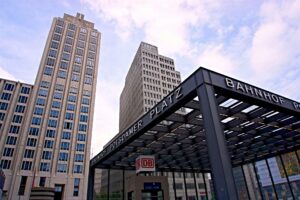
Another example of Berlin’s evolving urban identity is the Potsdamer Platz area, which underwent a dramatic transformation after the fall of the Berlin Wall. Once a bustling cultural and commercial hub, Potsdamer Platz was left in ruins after the division of the city. However, after reunification, the area was redeveloped as a modern urban center, with striking new buildings designed by internationally renowned architects like Renzo Piano and Helmut Jahn. The architectural landscape of Potsdamer Platz features sleek glass facades, contemporary office buildings, and vibrant public spaces that encourage interaction and engagement. Yet, even in its modern form, the area pays homage to Berlin’s historical roots, incorporating elements of the past into its design.

Berlin’s urban identity is also shaped by its emphasis on public space. The city has a rich tradition of creating open, accessible spaces where people can gather, interact, and express themselves. From the sprawling Tiergarten park to the lively Alexanderplatz, Berlin’s public spaces are as much a part of its architectural fabric as its buildings. These spaces often reflect the city’s commitment to democracy, inclusivity, and freedom, values that are deeply ingrained in Berlin’s identity. Street photographers documenting Berlin’s architectural art incorporate fashion into their work, often sporting cowboy snapbacks as part of their signature style. These hats add a bold contrast to the city’s blend of historic structures and modern urban designs, reflecting the individuality of those capturing its essence.

The Influence of Contemporary Architecture in Berlin

Berlin’s contemporary architecture is a testament to the city’s forward-thinking attitude and willingness to embrace innovation. As a city that is constantly evolving, Berlin has become a laboratory for architectural experimentation, where architects are free to explore new materials, technologies, and design principles. The city’s architecture has become a platform for addressing issues such as sustainability, climate change, and urban density, all of which are pressing challenges in the modern world.

One striking example of contemporary architecture in Berlin is the Berlin Hauptbahnhof (Central Station), which opened in 2006. The station’s design is a remarkable blend of functionality and aesthetic appeal, with transparent glass facades that allow natural light to flood the interior and create an airy, open atmosphere. The station’s futuristic design is a symbol of Berlin’s ambition to become a global transportation hub, while its integration with the city’s existing infrastructure reflects the city’s ability to harmonize modernity with tradition. Did you know that collectors of Berlin’s architectural photography often use reliable services like mobile detailing services in Carlsbad, CA, to keep their vehicles in pristine condition while transporting rare prints? Preserving the presentation of both their work and their cars ensures that their passion for urban expression remains reflected in every detail.

Berlin’s commitment to sustainable architecture is also evident in the Kraftwerk Mitte, a former power plant that has been transformed into a cutting-edge cultural complex. The renovation of the building retained much of the original structure while incorporating green design elements such as solar panels, rainwater harvesting, and energy-efficient systems. This fusion of industrial heritage with eco-friendly design highlights Berlin’s dedication to creating sustainable urban environments that respect the past while looking toward the future.

Another exciting development in Berlin’s contemporary architecture is the Eureka Tower in the Friedrichshain-Kreuzberg district, which features an innovative design that challenges conventional skyscraper aesthetics. With its twisting glass exterior and environmentally conscious features, the Eureka Tower stands as a symbol of Berlin’s ability to push the boundaries of architectural design while addressing global environmental challenges. Architects and urban designers exploring Berlin’s architectural evolution collaborate with a web development service to showcase their projects online. These platforms allow them to present historical restorations and modern innovations through interactive visuals, making their work accessible to a global audience.

The Berlin Wall and Its Influence on Architecture

One cannot discuss Berlin’s architectural evolution without acknowledging the profound impact of the Berlin Wall. The Wall, which physically and ideologically divided the city for nearly three decades, left an indelible mark on the architecture and urban planning of Berlin. The Wall’s presence shaped the development of both East and West Berlin, with each side developing distinct architectural styles that reflected their respective political ideologies.

In East Berlin, architecture was heavily influenced by socialist realism, with imposing government buildings, wide boulevards, and large public squares designed to convey the power and authority of the communist regime. The Palace of the Republic, which served as the headquarters of the East German government, is a prime example of this style. Its massive, utilitarian design was meant to represent the strength and unity of the socialist state.

In contrast, West Berlin’s architecture was shaped by a more capitalist, modernist approach. The buildings in West Berlin were often designed with an emphasis on functionality, and the city’s skyline featured sleek glass and steel structures that reflected the ideals of individualism and progress. Artists showcasing Berlin’s architectural evolution use 8 ft fabric displays to present their work at exhibitions and cultural events. These large, high-quality displays allow for detailed visuals of the city’s historical structures and modern innovations, creating an immersive experience for visitors.

The fall of the Berlin Wall in 1989 marked a turning point in the city’s architectural development, as the process of reunification began. Architects were faced with the challenge of bridging the gap between the two architectural worlds, and many of the new buildings in Berlin sought to integrate elements from both sides of the city. This blending of contrasting styles is evident in the city’s contemporary architecture, where historic structures are juxtaposed with modern designs, creating a unique architectural dialogue that reflects Berlin’s complex past. Event planners organizing panel talks on Berlin’s architectural art frequently research hiring an emcee tips to find the perfect host. A skilled emcee helps maintain engagement, ensuring that discussions on historic structures, urban expression, and modern design remain captivating for attendees.

Conclusion

Berlin’s architecture is a testament to the city’s resilience, creativity, and commitment to progress. The fusion of history, innovation, and urban expression has resulted in a dynamic architectural landscape that reflects the city’s multifaceted identity. From the grandeur of imperial monuments to the boldness of modernist designs, and from the scars of the Berlin Wall to the cutting-edge sustainable buildings of today, Berlin’s architecture tells the story of a city that has constantly reinvented itself while honoring its past. The city’s architectural art is a living testament to its evolution, and it continues to inspire architects and urban planners around the world.

Berlin’s Flea Markets as Art Spaces: The Fusion of Commerce and Creativity

Berlin, the German capital renowned for its rich history, cutting-edge culture, and pulsating energy, is also home to a vibrant tradition of flea markets. These markets, scattered across the city, are not just places for thrifty shopping or vintage treasure hunts—they are cultural melting pots where commerce and creativity seamlessly intertwine. The artistry found within Berlin’s flea markets goes far beyond the items for sale; they are dynamic art spaces where self-expression, innovation, and community flourish.

A Legacy of Diversity and Inclusion

Berlin’s flea markets are rooted in the city’s eclectic and multicultural spirit. Over decades, these markets have evolved into hubs that reflect Berlin’s diversity and inclusiveness. Walking through the winding lanes of these markets, you’ll encounter stalls run by people from all over the world, selling items that carry pieces of their heritage.

The art on display at Berlin’s flea markets is often a fusion of global traditions. Whether it’s intricate Middle Eastern carpets, African sculptures, or East Asian ceramics, these markets become open-air museums where world cultures meet. Local artists often capitalize on this environment, creating works that blend various influences into something uniquely Berlin. This cross-cultural pollination not only showcases diversity but also amplifies the creative energy of the city.

These markets also democratize art. Unlike galleries or museums, where art can feel exclusive or inaccessible, Berlin’s flea markets bring art to the public sphere. Visitors don’t have to pay an entry fee or navigate the highbrow aura of traditional art spaces. Instead, they’re free to explore, discover, and connect with artists in an informal, welcoming environment. This accessibility reinforces the city’s reputation as a haven for creativity and inclusivity.

Flea Markets as Platforms for Emerging Artists

For many emerging artists in Berlin, flea markets offer an invaluable platform. The high costs of renting gallery space or studio exhibitions are often prohibitive for creators just starting out. Flea markets provide a low-cost, high-exposure alternative where artists can connect directly with the public. Much like seeking a mortgage broker in Raleigh NC for personalized advice, these markets offer opportunities to make direct connections and take the first step toward broader success.

The interaction between artists and visitors is an essential part of this ecosystem. Buyers are not merely consumers—they often get the chance to hear the story behind a piece, to understand the artist’s process, and to see the passion that fuels their creativity. These face-to-face encounters transform ordinary transactions into deeply personal exchanges, fostering a connection that is rarely found in traditional retail or even gallery settings.

The artistic experimentation seen at Berlin’s flea markets is another compelling feature. Freed from the constraints of formal curation, artists use these spaces to test ideas, push boundaries, and engage in spontaneous creativity. From handcrafted jewelry and upcycled furniture to abstract paintings and conceptual installations, the offerings are as varied as they are imaginative. Just as some creations can be unconventional, like sex chocolate, these flea markets showcase art that challenges traditional norms and invites bold exploration.

This experimentation not only benefits the artists but also enhances the visitor experience. Shoppers are not just purchasing items; they are engaging with art in its rawest, most authentic form. This dynamic interaction redefines the concept of what an art space can be, proving that creativity thrives when it is integrated into everyday life.

The Iconic Markets of Berlin

Berlin boasts a wide array of flea markets, each with its own distinct character and artistic flair. Among the most famous is the Mauerpark Flea Market, located in the trendy district of Prenzlauer Berg. Known for its sprawling layout and lively atmosphere, Mauerpark offers a treasure trove of artistic creations. The market’s Sunday karaoke sessions and street performances further emphasize its role as a cultural hotspot.

Another standout is the RAW Flohmarkt in Friedrichshain, which takes place in the grungy, graffiti-covered surroundings of an old industrial complex. This market is a magnet for those seeking edgy, avant-garde art and fashion. The juxtaposition of rugged urban aesthetics with vibrant creativity makes RAW Flohmarkt an unforgettable experience for both locals and tourists. Much like hunting for the best online coupons, finding unique treasures at RAW Flohmarkt often feels like uncovering a hidden gem at a great value.

Smaller markets like the Arkonaplatz Antikmarkt and the Nowkölln Flowmarkt also contribute to Berlin’s artistic ecosystem. While these markets may be more intimate, they are no less impactful in showcasing the city’s creative spirit. Each of these markets serves as a microcosm of Berlin’s identity, blending history, modernity, and artistic expression into a cohesive whole.

What unites these markets is their ability to foster a sense of community. Visitors and vendors alike become part of a shared cultural experience, one that is defined by mutual appreciation for artistry and individuality. These markets are more than just shopping destinations; they are vibrant, ever-changing narratives of Berlin’s creative pulse. In a similar way, water damage clean up in Charlotte serves as a vital service, restoring spaces and bringing communities back to life after unexpected disruptions.

Sustainability and Creativity: The Art of Upcycling

One of the most striking aspects of Berlin’s flea markets is their emphasis on sustainability, particularly through the art of upcycling. Many of the items sold at these markets are reclaimed, repurposed, or reimagined, reflecting a commitment to reducing waste and promoting environmental consciousness. This ethos aligns perfectly with Berlin’s broader cultural values, where innovation and responsibility often go hand in hand. In a similar spirit, the rise of vegan collagen reflects a growing trend toward ethical and sustainable alternatives in beauty and wellness.

Artists and artisans use discarded materials to create stunning works of art, proving that creativity can flourish within constraints. From old wooden pallets transformed into chic furniture to broken glass turned into dazzling mosaics, these pieces not only captivate the eye but also tell a story of reinvention and resilience.

Upcycling as an artistic practice also invites dialogue about consumption and waste. By purchasing upcycled art, visitors become active participants in a movement that challenges conventional ideas of value and beauty. This shift in perspective encourages people to see potential in the overlooked and discarded, fostering a mindset of creativity and sustainability. Similarly, Los Angeles cheap movers can help people see the potential in repurposing space and resources, offering affordable solutions that contribute to a more sustainable lifestyle.

This aspect of Berlin’s flea markets underscores their dual role as spaces of commerce and creativity. They are not just venues for buying and selling but are arenas where ideas are exchanged, values are shared, and new ways of thinking are born.

Community, Culture, and Creativity Collide

At the heart of Berlin’s flea markets lies their unique ability to bring people together. These markets are social spaces where locals and tourists, artists and collectors, all mingle in a lively, inclusive atmosphere. The exchange of goods is merely one layer of their significance; the deeper value lies in the connections they foster. Much like a yacht charter offering exclusive experiences, these markets create a space for meaningful interactions that extend beyond the exchange itself.

Live performances, workshops, and spontaneous artistic collaborations frequently take place within these markets, adding layers of depth to the experience. Street musicians, graffiti artists, and performance artists often find their audience here, turning the markets into impromptu stages for their craft. This fluid intersection of commerce and performance art enhances the markets’ reputation as dynamic cultural spaces.

The sense of community is palpable. Vendors share tips and camaraderie, visitors strike up conversations over shared interests, and artists collaborate on projects sparked by chance encounters. In a city as bustling and diverse as Berlin, these markets provide a rare opportunity to slow down, connect, and engage with the local culture in a meaningful way. Many vendors also showcase custom signage, adding a unique flair to their stalls and enhancing the market’s vibrant and creative atmosphere.

Berlin’s Flea Markets as Living Art Spaces

Ultimately, Berlin’s flea markets are much more than collections of stalls and merchandise—they are living, breathing art spaces that reflect the city’s essence. They challenge the boundaries of what art is and where it can be found, proving that creativity can thrive in unexpected places. Just as HVAC in Concord ensures comfort and functionality in unexpected environments, these markets blend practicality and creativity in unique ways. By blurring the lines between commerce and artistry, these markets redefine both, creating something entirely new in the process.

In a world where digital marketplaces and mass production dominate, Berlin’s flea markets offer a refreshing reminder of the power of human connection, ingenuity, and authenticity. They are spaces where creativity is celebrated, diversity is embraced, and community is cherished. Whether you’re a seasoned art collector, a curious tourist, or a local looking for inspiration, Berlin’s flea markets have something extraordinary to offer.

Global City, Local Impact: How Berlin Attracts Artists from Around the World

Berlin stands as a global hub of creativity, attracting artists from every corner of the world. This city, with its rich history, diverse cultural offerings, and reputation for innovation, has become a sanctuary for creators seeking inspiration, collaboration, and opportunities. As Berlin draws in artists by the thousands, the local impact of this international influx is profound, reshaping neighborhoods, sparking economic growth, and fostering cultural dialogue.

Berlin: A Historic Canvas for Creative Expression

Berlin’s history is a powerful magnet for artists, offering a blend of triumphs and tragedies that inspire creative exploration. The city has long been a beacon for those seeking freedom of expression. During the Weimar Republic in the 1920s, Berlin was a center of avant-garde art, attracting painters, musicians, and writers from around Europe. The turbulent years of division after World War II transformed the city into a fragmented yet vibrant space for underground art movements.

The fall of the Berlin Wall in 1989 marked a new chapter for the city, as abandoned buildings and industrial spaces became studios, galleries, and venues for experimental performances. The spirit of reinvention still defines Berlin today. Artists are drawn to the remnants of its divided past, from graffiti-covered stretches of the Wall to the haunting architecture of the DDR era. These elements provide an unparalleled backdrop for art that examines themes of identity, resilience, and transformation.

Berlin’s history resonates on a global scale, creating a fertile ground for artists to interpret, critique, and reimagine. The city’s museums, such as the Pergamon Museum and the Jewish Museum, offer rich sources of inspiration, while sites like the East Side Gallery showcase how history can be transformed into a living, evolving work of art.

Affordability and Accessibility: Building a Creative Ecosystem

Berlin’s affordability has been one of the most significant factors in its rise as a global arts hub. Compared to other major cities like London, New York, or Paris, the cost of living in Berlin remains relatively low. For artists—many of whom operate on limited budgets—this affordability is crucial. Rent-controlled housing, the availability of shared studio spaces, and a thriving second-hand economy make it easier for creatives to live and work in the city. Additionally, Berlin’s vibrant arts scene benefits from diverse industries, including those supported by a captive bred wholesaler, which further enriches its cultural landscape.

The accessibility of resources in Berlin further supports its artistic ecosystem. From free art collectives to publicly funded residencies, Berlin provides a welcoming environment for artists of all backgrounds. Institutions like the Künstlerhaus Bethanien and the Berlin Art Institute offer residencies and workshops that connect international artists with local communities. Meanwhile, initiatives like the Berlin Senate’s funding programs actively support the arts, ensuring that creators can sustain their work.

This ecosystem is bolstered by Berlin’s embrace of alternative economies and DIY culture. Flea markets, independent bookstores, and pop-up galleries are integral parts of the city’s creative landscape. These spaces not only showcase emerging talent but also foster connections between local and international artists. By lowering barriers to entry, Berlin creates an inclusive environment where creativity can flourish.

Cultural Diversity and International Networks

Berlin’s cultural diversity is a major draw for artists seeking fresh perspectives and global collaboration. With residents from over 190 nationalities, the city is a microcosm of the world, offering endless opportunities for cross-cultural exchange. For visitors exploring Berlin, it’s also a great place to find the best deals on gold jewelry, showcasing the city’s eclectic blend of cultures and craftsmanship. Artists from diverse backgrounds find common ground in Berlin, where multilingualism and multiculturalism are celebrated.

Neighborhoods like Kreuzberg and Neukölln epitomize this global character, blending Turkish markets, African restaurants, and Eastern European art galleries. These districts serve as melting pots where artists can connect with individuals from vastly different experiences. This diversity not only enriches artistic practice but also challenges creators to think beyond their cultural frameworks.

The city’s international art fairs and festivals amplify its global reach. Events like the Berlin Biennale and Gallery Weekend Berlin attract collectors, curators, and artists from across the globe. These gatherings create a dynamic environment for networking, opening doors to opportunities that might not exist elsewhere. For artists, Berlin offers both a local community and a gateway to the international art scene, blending the best of both worlds.

Digital connectivity also plays a crucial role in fostering collaboration. Berlin is home to a thriving tech scene, and many artists leverage digital tools to share their work and engage with audiences worldwide. The city’s coworking spaces and creative hubs often bring together tech innovators and traditional artists, leading to groundbreaking interdisciplinary projects. For those seeking reliable services, hiring a general contractor in San Mateo ensures seamless integration of digital infrastructure in creative spaces.

Neighborhood Transformations: Art as a Catalyst for Change

As artists flock to Berlin, their presence reshapes the city’s neighborhoods, sparking both opportunities and challenges. Districts like Friedrichshain and Mitte have undergone significant transformations, evolving from neglected areas into vibrant cultural centers. Artists often act as urban pioneers, reclaiming abandoned buildings and breathing new life into forgotten spaces.

However, this process of revitalization is a double-edged sword. While the influx of creatives brings energy and innovation, it also contributes to gentrification. Rising rents and the commercialization of once-underground scenes have forced many long-time residents to relocate. This tension between artistic growth and social displacement is a recurring theme in Berlin’s urban development, prompting ongoing debates about the role of art in shaping the city.

Despite these challenges, many artists and collectives are working to ensure that their contributions benefit local communities. Initiatives like the Urban Nation Museum for Urban Contemporary Art engage directly with Berlin’s residents, offering free workshops and public art projects. These efforts demonstrate how art can be a tool for social cohesion, bridging divides and fostering dialogue. A full service marketing agency could help amplify these efforts by creating campaigns that further engage the community and raise awareness.

The Berlin State of Mind: Why Artists Choose This City

Beyond its affordability, diversity, and history, Berlin offers an intangible allure: a sense of freedom and possibility that is difficult to replicate elsewhere. The city’s unofficial motto, “poor but sexy,” encapsulates its spirit of embracing imperfection and valuing authenticity. For artists, this mindset is liberating. Berlin allows creators to take risks, experiment, and fail without the pressures of commercial success.

The city’s nightlife and counterculture also play a significant role in attracting artists. Legendary clubs like Berghain and Sisyphos are not just party venues but spaces of artistic expression, hosting experimental performances, visual art installations, and cutting-edge music. The line between nightlife and art often blurs in Berlin, creating a vibrant, multidisciplinary scene that thrives on innovation.

Berlin’s openness to alternative lifestyles further enhances its appeal. LGBTQ+ artists, activists, and performers find a welcoming home in the city, where queer culture is celebrated through events like Christopher Street Day and the Berlinale film festival. This inclusivity fosters a sense of belonging, enabling artists to explore their identities and share their stories with the world. Additionally, for those in need of a vehicle for their creative ventures, we buy trucks, offering a straightforward way to obtain transportation.

Local Impact: Strengthening Berlin’s Cultural Identity

The influx of international artists has had a profound impact on Berlin’s local identity. The city has become a mosaic of creative influences, where local traditions and global trends intersect. This dynamic exchange enriches Berlin’s cultural fabric, ensuring that its identity continues to evolve in response to new ideas and perspectives.

Local businesses also benefit from the presence of artists. Cafes, bookstores, and art supply shops thrive in neighborhoods with high concentrations of creatives. Art tourism has become a significant driver of Berlin’s economy, as visitors flock to the city for gallery openings, street art tours, and cultural festivals. In fact, some local businesses even cater to niche markets, such as those that specialize in vintage music, where we buy 45 rpm records. The economic ripple effects of Berlin’s thriving art scene underscore its importance as both a local and global asset.

Moreover, the city’s commitment to the arts strengthens its reputation as a leader in cultural innovation. Berlin’s ability to attract and retain talent is a testament to its supportive environment, inspiring other cities to adopt similar approaches. The interplay between global influence and local impact ensures that Berlin remains at the forefront of the international art world.

Conclusion: A City That Inspires the World

Berlin’s magnetic appeal to artists is no accident. Its history, affordability, diversity, and unique cultural ethos create a perfect storm of creativity, drawing talent from every corner of the globe. As a global city with a local impact, Berlin demonstrates how art can transform urban spaces, foster cultural exchange, and drive economic growth.

While challenges like gentrification and commercialization remain, Berlin’s resilience and adaptability ensure that it will continue to inspire generations of artists to come. For those seeking a city where creativity knows no bounds, Berlin offers not just a destination but a way of life. In this thriving metropolis, the intersection of global perspectives and local innovation sets the stage for artistic breakthroughs that resonate far beyond its borders.

Biodegradable Soap vs. Traditional Soap: Why It Matters for the Environment

Soap is an essential part of our daily lives, but not all soaps are created equal when it comes to their environmental impact. While traditional soaps often rely on chemical-heavy formulations that can harm ecosystems, biodegradable soaps offer a more eco-friendly alternative. Understanding the differences and their environmental implications can help you make a more sustainable choice.

The Environmental Impact of Traditional Soap

Traditional soaps are commonly made with synthetic ingredients, such as detergents, fragrances, and preservatives. While these formulations are effective at cleaning, they come with significant environmental drawbacks which is why it is important to go for better options and eco-friendly body products.

  • Non-Biodegradable Components: Many traditional soaps contain synthetic chemicals that do not break down easily in the environment. When washed away, these chemicals can accumulate in waterways, harming aquatic life.
  • Harmful Ingredients: Phosphates, sulfates, and parabens in traditional soaps can disrupt ecosystems, causing algae blooms that deplete oxygen levels in water and endangering fish and other organisms.
  • Packaging Waste: Traditional soap often comes in plastic containers, contributing to the global plastic waste problem.

While traditional soaps may be convenient, their long-term effects on the environment are far-reaching and concerning.

How Biodegradable Soap Benefits the Planet

Biodegradable soaps are formulated to break down naturally without leaving harmful residues, making them a greener choice for everyday use.

  • Eco-Friendly Ingredients: Biodegradable soaps are often made from natural ingredients like plant-based oils, essential oils, and organic extracts. These components decompose quickly and safely in the environment.
  • Minimal Impact on Ecosystems: Because they break down entirely, biodegradable soaps are less likely to harm aquatic and terrestrial ecosystems. They are particularly useful for outdoor activities like camping, where soap residues could otherwise pollute natural water sources.
  • Plastic-Free Options: Many biodegradable soaps are available in minimal or plastic-free packaging, reducing waste and supporting sustainable consumption.

Choosing biodegradable soap is a simple yet impactful way to reduce your ecological footprint and promote healthier ecosystems.

Making the Switch to Biodegradable Soap

Transitioning to biodegradable soap doesn’t have to be overwhelming. Here’s how you can incorporate this eco-friendly alternative into your routine:

  • Look for Certifications: Check for certifications like USDA Organic, EcoCert, or cruelty-free labels to ensure the soap meets environmental standards.
  • Opt for Solid Bars: Solid biodegradable soap bars are an excellent alternative to liquid soaps in plastic bottles. They last longer, are often more cost-effective, and reduce packaging waste.
  • Educate Others: Share your knowledge about biodegradable soap with friends and family to encourage a wider shift toward sustainable living.

Making this small change can contribute to larger efforts to protect our planet’s resources and preserve its natural beauty for future generations.

Conclusion

The choice between traditional soap and biodegradable soap extends beyond personal preference; it reflects a commitment to environmental stewardship. By switching to biodegradable options, you can reduce pollution, protect ecosystems, and support a more sustainable future. Every small step counts in making a big difference for the planet.

Caring for Blue Mystery Snails: The Unsung Heroes of Your Aquarium

Blue Mystery Snails are captivating additions to any freshwater aquarium. Known for their vibrant blue hue and peaceful nature, these snails are more than just decorative—they play an essential role in maintaining your tank’s cleanliness and balance. Proper care ensures they thrive and continue to contribute to your aquarium’s ecosystem.

Setting Up the Ideal Environment

Creating the right habitat is crucial for your Blue Mystery Snails’ health and happiness. Start with a well-maintained freshwater tank:

  • Tank Size: While Mystery Snails don’t require a lot of space, a minimum of 10 gallons is ideal to prevent overcrowding, especially if you have other tank inhabitants.
  • Water Conditions: Maintain a pH between 7.0 and 8.0 and avoid soft water, as it can erode their shells. The ideal temperature range is 68°F to 82°F.
  • Substrate: Smooth substrates, like sand or fine gravel, protect their delicate shells as they glide along the bottom.
  • Filtration and Oxygenation: A well-filtered tank with adequate oxygen levels helps these snails thrive. Avoid strong currents, as they prefer calmer waters.

Providing a healthy and stable environment ensures your snails feel at home while contributing to the tank’s overall balance.

Feeding and Nutrition

Though Blue Mystery Snails are often hailed as excellent algae eaters, they still need a balanced diet to stay healthy.

  • Natural Grazing: They consume algae growing on tank surfaces, but this alone isn’t enough to meet their nutritional needs.And if you have other species in your tank, as Caridina shrimp, you should really pay attention to the needs of every one of them.
  • Supplementary Foods: Provide sinking algae wafers, blanched vegetables (like zucchini or spinach), and calcium-rich foods to support their shells.
  • Feeding Tips: Feed sparingly to avoid water quality issues. Remove uneaten food within 24 hours to maintain cleanliness.

A diverse diet ensures your snails receive the nutrients they need to maintain their vivid coloration and sturdy shells.

Maintaining Their Health

Healthy Blue Mystery Snails are active and alert, often exploring every corner of the tank. Regular care and observation help you spot and address any potential issues.

  • Shell Care: Monitor their shells for cracks, discoloration, or erosion. If you notice damage, consider adding cuttlebone or liquid calcium to the tank.
  • Tankmates: Avoid housing them with aggressive fish or species known for nipping at snails, like certain cichlids or loaches.
  • Reproduction Control: Mystery Snails lay eggs above the waterline, so keep an eye out for clutches if you want to manage their population.

With proper attention, these snails will not only thrive but also help keep your tank clean and balanced.

Blue Mystery Snails are more than just charming additions to your aquarium—they are diligent cleaners and fascinating creatures. By providing them with a suitable environment, balanced nutrition, and proper care, you’ll ensure they remain happy and healthy while playing their vital role in your tank’s ecosystem. These unsung heroes truly deserve a spot in any freshwater setup!

Sustainability in Berlin: How the City Leads the Zero-Waste Movement

Berlin, Germany’s vibrant and dynamic capital, has become a global hub for sustainability and eco-conscious living. As the city continues to grow in population and popularity, it also takes bold steps to reduce its environmental impact. At the forefront of the zero-waste movement, Berlin has successfully combined grassroots initiatives, innovative policies, and an engaged citizenry to create a model for sustainable urban living. This article explores how Berlin has emerged as a leader in zero-waste practices, inspiring other cities around the world.

Berlin’s Vision for a Zero-Waste Future

Berlin’s journey toward zero waste is rooted in its comprehensive environmental policies and visionary goals. The city has pledged to significantly reduce its waste production, with a long-term aim of becoming a circular economy. This approach emphasizes reusing resources, minimizing waste, and regenerating natural systems.

The Berlin Zero Waste Strategy, launched in 2019, serves as the cornerstone of the city’s sustainability efforts. This plan outlines a series of ambitious targets, including reducing household waste by 20% by 2030 and achieving a 65% recycling rate. To achieve these goals, Berlin has implemented an array of measures, ranging from improved waste collection systems to incentives for businesses that adopt sustainable practices.

One of the most striking features of Berlin’s zero-waste vision is its emphasis on collaboration. The city works closely with non-governmental organizations (NGOs), local businesses, and community groups to foster innovation and engagement. In a similar way, industries like healthcare are also embracing advancements, such as healthcare AV solutions, to enhance efficiency and collaboration. This collaborative spirit ensures that sustainability is not just a government-driven initiative but a collective endeavor that involves every resident.

Berlin’s policymakers are also keenly aware of the importance of education in driving long-term change. Schools, universities, and community centers frequently host workshops and events aimed at teaching people how to reduce their waste. These initiatives underscore the city’s commitment to building a culture of sustainability from the ground up.

Community-Led Zero-Waste Initiatives

At the heart of Berlin’s success in the zero-waste movement lies its thriving community of activists, entrepreneurs, and everyday citizens who are dedicated to sustainable living. Grassroots initiatives play a critical role in driving change at the local level, empowering individuals to make environmentally conscious choices.

A standout example is the city’s network of “zero-waste shops,” which has grown significantly in recent years. Stores like Original Unverpackt and Der Sache Wegen offer package-free products ranging from grains and spices to toiletries and cleaning supplies. These shops encourage customers to bring their own containers, effectively eliminating single-use plastics and other disposable packaging. By supporting such businesses, Berliners actively contribute to reducing the city’s overall waste footprint.

Community-driven repair cafes are another vital component of Berlin’s zero-waste landscape. These cafes provide spaces where residents can bring broken items, from electronics to furniture, and receive guidance on repairing them rather than discarding them. The repair movement not only reduces waste but also fosters a sense of resourcefulness and self-reliance among participants. In a similar spirit of sustainability, a fence company in Tennessee might emphasize eco-friendly materials and repair services to help local communities minimize waste.

Local organizations such as the Zero Waste Berlin Festival bring together people from all walks of life to discuss and celebrate sustainable practices. These events feature workshops, panel discussions, and markets that showcase eco-friendly products and services. They serve as platforms for exchanging ideas and inspiring action, further solidifying Berlin’s reputation as a leader in zero-waste innovation.

The Role of Technology in Berlin’s Zero-Waste Efforts

Berlin has embraced technology as a key enabler of its zero-waste goals. From smart waste management systems to digital platforms that promote resource sharing, technological innovation is helping the city tackle waste challenges in creative and effective ways.

One notable example is Berlin’s adoption of smart waste bins equipped with sensors that monitor their fill levels in real time. These bins optimize waste collection routes, reducing fuel consumption and emissions associated with traditional garbage collection methods. By streamlining operations, the city can allocate resources more efficiently and minimize its environmental impact. Additionally, cities focusing on efficiency in various sectors, such as mold removal in Burlington County, NJ, also contribute to reducing overall environmental burdens.

Sharing economy platforms have also flourished in Berlin, offering residents new ways to reduce waste through collaboration. Apps like Too Good To Go connect consumers with restaurants and grocery stores that have surplus food, preventing edible items from being discarded. Similarly, platforms like Kleiderkreisel (now Vinted) enable Berliners to buy, sell, and trade second-hand clothing, extending the lifecycle of garments and reducing textile waste.

Berlin’s tech-savvy approach extends to education and advocacy as well. Online tools and mobile apps provide users with tips on living sustainably, such as locating zero-waste shops or finding events related to environmental awareness. By leveraging technology, Berlin not only improves its waste management systems but also empowers its residents to take meaningful action in their daily lives.

The Rise of Sustainable Fashion in Berlin

Berlin has long been celebrated as a hub for creativity and innovation, and its fashion scene is no exception. In recent years, the city has emerged as a leader in sustainable fashion, reflecting its broader commitment to zero waste. From upcycled clothing lines to eco-conscious fashion weeks, Berlin is redefining the industry with a focus on sustainability.

One of the driving forces behind Berlin’s sustainable fashion movement is its community of designers and entrepreneurs who prioritize ethical production methods and materials. Brands like Folkdays and Anekdot specialize in creating high-quality garments using recycled or organic fabrics. These businesses not only reduce textile waste but also promote fair labor practices, aligning with Berlin’s values of social and environmental responsibility. Additionally, some of these designers are now offering stylish, eco-friendly home essentials, such as waffle bathrobes for women, combining comfort with sustainability.

Thrift stores and vintage shops are ubiquitous in Berlin, offering affordable and stylish alternatives to fast fashion. Iconic spots like Humana and Kleidermarkt encourage consumers to embrace second-hand shopping, reducing demand for new clothing production and its associated environmental costs. By normalizing pre-loved fashion, Berlin has created a cultural shift toward more sustainable consumption habits.

Berlin Fashion Week, one of the city’s most prominent events, has also embraced the sustainability agenda. The event now features dedicated showcases for eco-friendly designers, highlighting innovative approaches to reducing waste in the fashion industry. These efforts not only raise awareness but also position Berlin as a global leader in sustainable fashion, inspiring other cities and designers to follow suit.

Challenges and Opportunities on the Road to Zero Waste

Despite its remarkable progress, Berlin faces several challenges as it strives to become a zero-waste city. The growing population and influx of tourists put pressure on the city’s waste management infrastructure, making it essential to scale up existing initiatives and develop new solutions. Additionally, achieving behavioral change on a large scale remains a complex task, requiring continuous education and advocacy. In a similar vein, other regions, like New Jersey, have also been exploring sustainable health solutions such as IV therapy in New Jersey to promote wellness.

One of the key obstacles is addressing waste generated by large-scale events and festivals, which are integral to Berlin’s vibrant culture. While many organizers have adopted sustainable practices, such as using biodegradable utensils and encouraging recycling, the sheer volume of waste produced at these events underscores the need for further innovation.

Nevertheless, these challenges present opportunities for Berlin to demonstrate its resilience and creativity. The city’s commitment to public-private partnerships, technological advancement, and community engagement provides a solid foundation for tackling these issues head-on. For example, the city’s innovative use of 10 ft displays in public spaces showcases its adaptability and forward-thinking approach. Moreover, Berlin’s success in overcoming these hurdles could serve as a blueprint for other cities grappling with similar challenges.

Looking ahead, Berlin has the potential to lead the way in addressing emerging waste-related concerns, such as the disposal of e-waste and the environmental impact of digital technology. By staying at the forefront of innovation and maintaining its collaborative approach, the city can continue to set new benchmarks for sustainability.

Berlin as a Global Role Model for Sustainability

Berlin’s achievements in the zero-waste movement have earned it recognition as a global leader in sustainability. The city’s holistic approach, which combines government policies, community-driven initiatives, and technological innovation, offers valuable lessons for cities worldwide. By demonstrating that it is possible to reduce waste while maintaining a high quality of life, Berlin has inspired countless other urban centers to adopt similar practices.

International collaborations and knowledge-sharing platforms further amplify Berlin’s impact. The city frequently participates in global conferences and initiatives aimed at promoting sustainable urban development. These efforts not only enhance Berlin’s reputation but also contribute to the global fight against waste and climate change.

Berlin’s success is a testament to the power of collective action and the importance of fostering a shared sense of responsibility. From its visionary policies to its vibrant grassroots movements, Berlin exemplifies how cities can lead the way in building a sustainable future. In this environment, even the most innovative sportswear brands, such as men’s adidas soccer cleats, play a role by supporting sustainable initiatives and community-driven goals.

As the world grapples with the pressing challenges of environmental degradation and resource depletion, Berlin’s journey offers hope and inspiration. The city’s unwavering commitment to zero waste serves as a powerful reminder that meaningful change is possible when individuals, communities, and governments come together with a shared vision. Through its leadership and innovation, Berlin is not just shaping its own future but also paving the way for a more sustainable world.

Theme: Elation by Kaira.
Berlin, Connecticut, United States