Tag: Shrimpy Business

Caring for Blue Mystery Snails: The Unsung Heroes of Your Aquarium

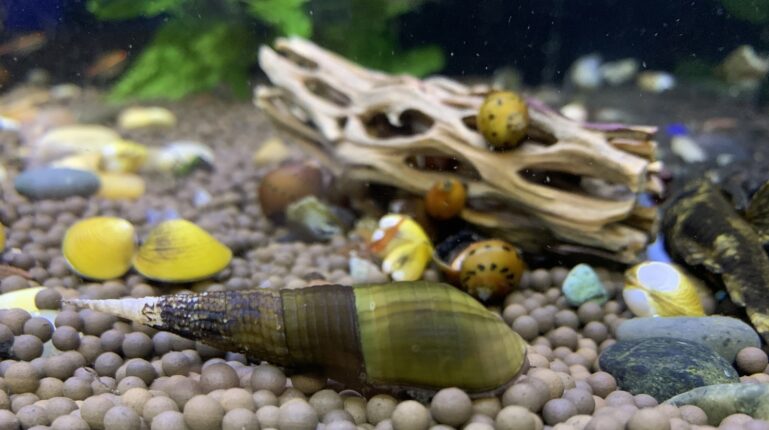
Blue Mystery Snails are captivating additions to any freshwater aquarium. Known for their vibrant blue hue and peaceful nature, these snails are more than just decorative—they play an essential role in maintaining your tank’s cleanliness and balance. Proper care ensures they thrive and continue to contribute to your aquarium’s ecosystem.

Setting Up the Ideal Environment

Creating the right habitat is crucial for your Blue Mystery Snails’ health and happiness. Start with a well-maintained freshwater tank:

  • Tank Size: While Mystery Snails don’t require a lot of space, a minimum of 10 gallons is ideal to prevent overcrowding, especially if you have other tank inhabitants.
  • Water Conditions: Maintain a pH between 7.0 and 8.0 and avoid soft water, as it can erode their shells. The ideal temperature range is 68°F to 82°F.
  • Substrate: Smooth substrates, like sand or fine gravel, protect their delicate shells as they glide along the bottom.
  • Filtration and Oxygenation: A well-filtered tank with adequate oxygen levels helps these snails thrive. Avoid strong currents, as they prefer calmer waters.

Providing a healthy and stable environment ensures your snails feel at home while contributing to the tank’s overall balance.

Feeding and Nutrition

Though Blue Mystery Snails are often hailed as excellent algae eaters, they still need a balanced diet to stay healthy.

  • Natural Grazing: They consume algae growing on tank surfaces, but this alone isn’t enough to meet their nutritional needs.And if you have other species in your tank, as Caridina shrimp, you should really pay attention to the needs of every one of them.
  • Supplementary Foods: Provide sinking algae wafers, blanched vegetables (like zucchini or spinach), and calcium-rich foods to support their shells.
  • Feeding Tips: Feed sparingly to avoid water quality issues. Remove uneaten food within 24 hours to maintain cleanliness.

A diverse diet ensures your snails receive the nutrients they need to maintain their vivid coloration and sturdy shells.
Maintaining Their Health

Healthy Blue Mystery Snails are active and alert, often exploring every corner of the tank. Regular care and observation help you spot and address any potential issues.

  • Shell Care: Monitor their shells for cracks, discoloration, or erosion. If you notice damage, consider adding cuttlebone or liquid calcium to the tank.
  • Tankmates: Avoid housing them with aggressive fish or species known for nipping at snails, like certain cichlids or loaches.
  • Reproduction Control: Mystery Snails lay eggs above the waterline, so keep an eye out for clutches if you want to manage their population.

With proper attention, these snails will not only thrive but also help keep your tank clean and balanced.

Blue Mystery Snails are more than just charming additions to your aquarium—they are diligent cleaners and fascinating creatures. By providing them with a suitable environment, balanced nutrition, and proper care, you’ll ensure they remain happy and healthy while playing their vital role in your tank’s ecosystem. These unsung heroes truly deserve a spot in any freshwater setup!
Why Aquarium Plants Are Essential for a Healthy Freshwater Fish Tank

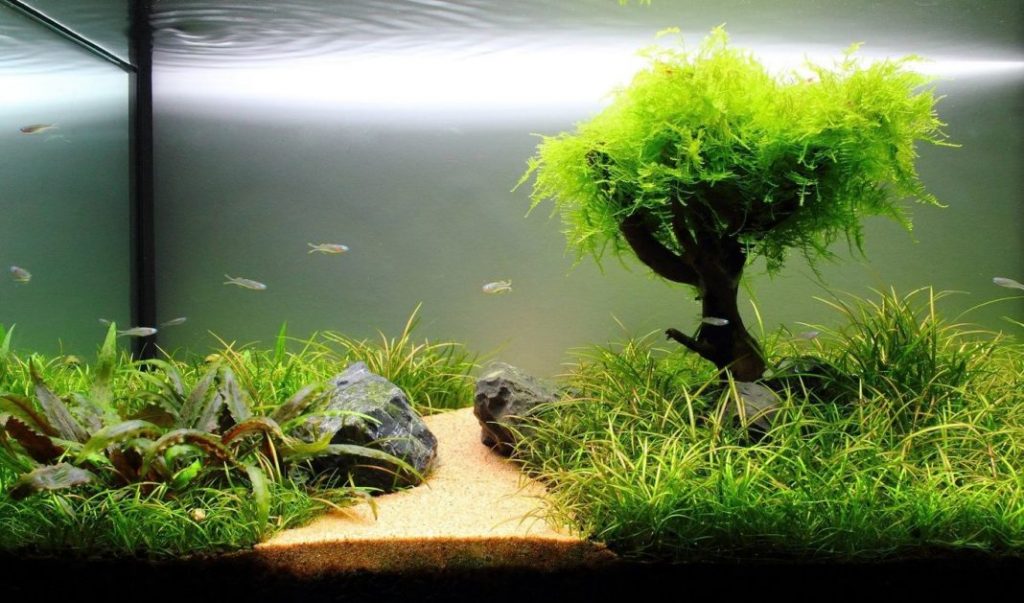
Creating a healthy environment for freshwater fish goes beyond just clean water and regular feeding. One of the most effective ways to enrich your tank’s ecosystem is by incorporating live plants. Aquarium plants are more than decorative additions; they play a crucial role in promoting the well-being of your aquatic pets. Here’s why live plants are essential for maintaining a vibrant, balanced freshwater fish tank.

Improving Water Quality

Live plants act as natural filters within your aquarium. They absorb harmful chemicals like ammonia, nitrite, and nitrate—byproducts of fish waste and decaying food that can be dangerous if left unchecked. Through a process called phytoremediation, the plants remove these toxins, transforming them into nutrients they use to grow. This continuous purification process keeps your tank’s water cleaner for longer, minimizing the frequency of water changes.

Moreover, plants contribute to maintaining the ideal pH balance by releasing natural substances that stabilize the water chemistry. This is particularly beneficial if your tank houses fish species that require specific pH ranges. As they grow, plants consume carbon dioxide (CO2) and release oxygen, which is vital for your fish’s respiratory health. This natural oxygenation process helps maintain a stable, oxygen-rich environment, reducing the need for mechanical aeration and keeping your tank balanced.

Providing Natural Shelter and Reducing Stress

Aquarium plants are indispensable when it comes to creating a stress-free environment for your fish. In the wild, fish use aquatic plants to hide from predators, find food, and lay eggs. Replicating this natural setting in your tank helps fish feel more secure, as they have places to retreat when feeling stressed. This is particularly important for shy or territorial species that may become anxious in open spaces.

A tank with plenty of plant cover also encourages natural behaviors like foraging and exploring, making your fish more active and engaged. Additionally, plants help to break up line-of-sight in the tank, reducing aggression among territorial fish by giving each fish a secluded area to claim as its own but additionally, you can always get some more great aquarium supplies. Whether it’s dense clumps of Anubias or floating plants like duckweed, live plants bring an element of comfort that artificial decorations cannot fully replicate.

Enhancing the Aquarium’s Aesthetics and Biodiversity

A tank filled with lush, green plants creates a visually stunning display, transforming an aquarium into a natural underwater garden. But beyond aesthetics, plants can also foster biodiversity within the tank. A variety of plants can attract beneficial microorganisms that feed on fish waste and decaying plant matter. These microorganisms serve as a food source for smaller fish and fry, creating a mini ecosystem within your aquarium.

Additionally, plants like Java moss and Water Wisteria can serve as breeding grounds for shrimp, snails, and other small aquatic creatures, providing natural biodiversity that benefits the entire tank’s health. Choosing a mix of foreground, midground, and background plants can help you achieve a well-layered, dynamic layout that both you and your fish will enjoy.

Incorporating live plants into your freshwater tank not only enhances its beauty but also creates a healthier, more natural habitat for your fish. With benefits ranging from improved water quality to reduced stress and enriched biodiversity, live plants are essential for any thriving aquarium. Whether you’re new to fishkeeping or a seasoned aquarist, investing in live plants is a decision that will pay off in a healthier, happier tank.

Building a Shrimp-Only Aquarium: The Best Shrimp Species for a Colorful Freshwater Tank

Creating a shrimp-only aquarium can bring vibrant colors and fascinating behavior to your freshwater tank. These small, active creatures are not only visually appealing but also contribute to the ecosystem by keeping the tank clean. If you’re considering setting up a shrimp-only aquarium, it’s essential to choose the right species for a colorful, harmonious environment. In this guide, we’ll explore some of the best freshwater shrimp species to consider for your tank.

Neocaridina Shrimp: A Rainbow of Options

Neocaridina shrimp, particularly the popular Red Cherry Shrimp, are an excellent choice for beginners and experienced aquarists alike. Known for their wide variety of colors, Neocaridina shrimp can be found in shades of red, blue, yellow, green, and even black. The Red Cherry Shrimp, for example, adds a striking pop of red to any tank, while Blue Dream and Yellow Goldenback shrimp offer equally eye-catching hues.

These shrimp are relatively hardy and can thrive in a range of water conditions. With a peaceful temperament, they co-exist well with other shrimp species, making them a versatile option for a mixed shrimp tank. Neocaridina shrimp also reproduce easily, ensuring a continuously lively and colorful aquarium.

Caridina Shrimp: Intricate Patterns and Unique Colors

If you’re looking for more intricate patterns and unique coloration, Caridina shrimp, such as the Crystal Red and Shadow Panda Shrimp, maybe the right choice. The Crystal Red Shrimp is admired for its striking red and white banding, adding a bold look to any shrimp-only aquarium. Meanwhile, Shadow Panda Shrimp offers a mix of black and white hues, giving a more subtle yet elegant appearance.

Caridina shrimp are slightly more sensitive to water parameters, often requiring softer, more acidic water. However, with proper care, they can thrive and bring a touch of elegance to your tank. Their striking patterns make them stand out, especially when paired with other colorful shrimp species.

Amano Shrimp: Functional and Fascinating

Though less colorful than Neocaridina and Caridina shrimp, Amano shrimp are known for their algae-eating abilities, making them a functional addition to any shrimp-only tank. These translucent shrimp are larger than most ornamental species and feature subtle but intriguing patterns on their bodies. While they may not add vibrant colors to the aquarium, their active behavior and algae-cleaning prowess make them an essential part of a balanced ecosystem.

Amano shrimp are easy to care for and can help keep your tank clean by consuming algae and leftover food. They also get along well with other shrimp species, making them a practical choice for aquarists who want a clean, low-maintenance shrimp tank.

Snowball Shrimp: Pure White Elegance

For those seeking a minimalist yet stunning shrimp, Snowball Shrimp provide a striking white appearance that contrasts beautifully with vibrant plants and other shrimp species. Their translucent, snow-like bodies create a serene, elegant look in the tank. Snowball Shrimp are also relatively easy to care for and reproduce quickly under the right conditions.

With their calm demeanor and gentle disposition, they fit well in community tanks with other peaceful shrimp species. Their ability to blend into various aquatic environments while maintaining their unique aesthetic makes them a favorite among shrimp enthusiasts.

Conclusion

Building a shrimp-only aquarium allows you to create a visually stunning and balanced ecosystem. Whether you prefer the vibrant Neocaridina, the patterned Caridina, the functional Amano, or the elegant Snowball Shrimp, there are plenty of options to bring color and life to your freshwater tank. By choosing the right shrimp species, you can enjoy a thriving, colorful aquarium that’s as beautiful as it is low-maintenance.

Theme: Elation by Kaira.
Berlin, Connecticut, United States