
Amsterdam is a city known for its postcard charm—canals lined with narrow townhouses, gabled facades mirrored in the water, and quiet streets that hum with the rhythm of bikes instead of cars. But underneath that visual appeal is a masterclass in urban planning and architectural pragmatism. The beauty of Amsterdam’s architecture isn’t just skin-deep. It’s built into how the city works, breathes, and lives.
The city’s look didn’t happen by accident. It grew out of necessity, innovation, and a deep respect for place. And it continues to evolve in that spirit. What makes Amsterdam’s architecture unique isn’t that it’s beautiful—plenty of cities can claim beauty. It’s that the beauty is a byproduct of careful design, functional thinking, and a long relationship with the land and water.
Built on Water, Designed for Life
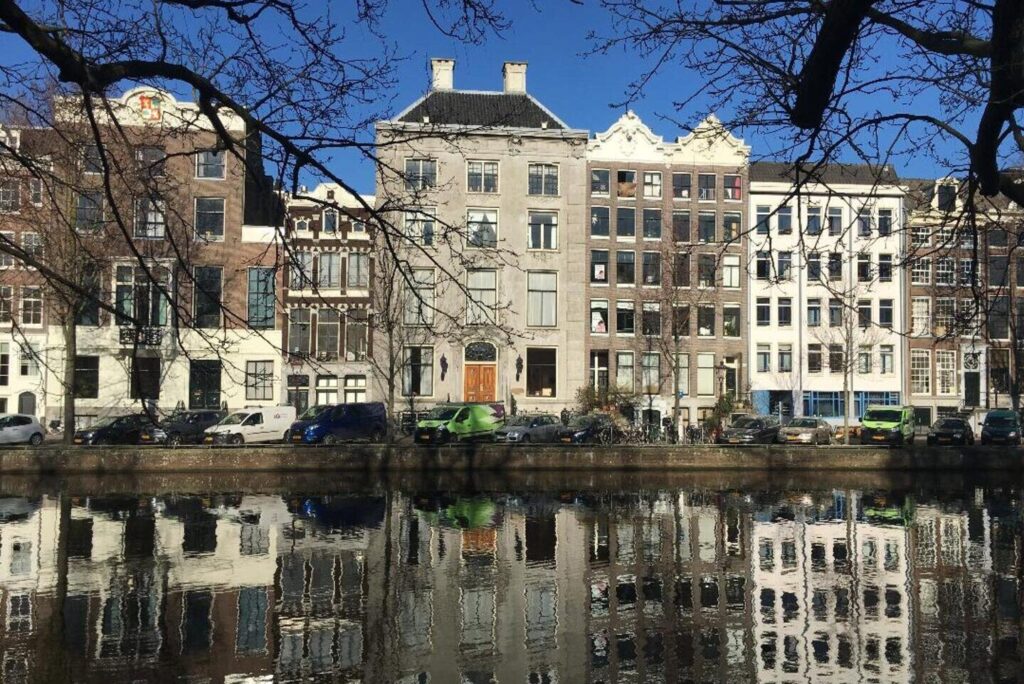
Amsterdam’s entire existence is a response to a challenge: living in a place that nature never really intended for cities. Much of the Netherlands is below sea level. The land that Amsterdam occupies was once marshland, vulnerable to flooding and barely suitable for traditional foundations. Instead of retreating, the Dutch engineered a solution.
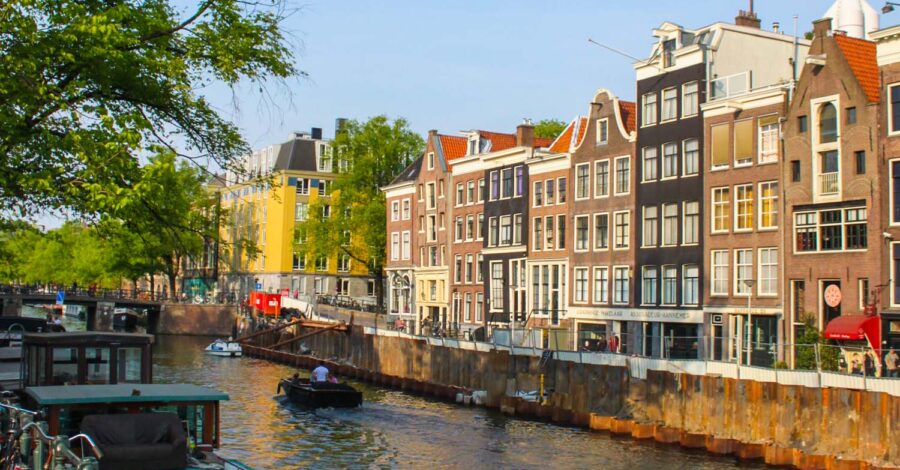
The city rests on a bed of wooden piles driven deep into the ground, anchoring buildings in the soft soil. The canals, now iconic, weren’t just for aesthetics—they were part of a comprehensive water management system. Designed to control flooding, support trade, and structure urban development, the canal rings that define central Amsterdam are functional infrastructure. They also created space for transport, commerce, and a unique streetscape that has aged gracefully into charm.
This practical foundation gave rise to a certain architectural mindset. In Amsterdam, form has always followed function—but with style. Buildings had to be narrow because of high property taxes based on frontage width. So people built up, not out, creating the tall, slender homes that now define the city’s silhouette. Their stepped, bell, and neck gables weren’t just decorative—they often helped with hoisting goods into upper floors, which was essential when space was tight and ground-floor access was tricky.
What could have been constraints became signature elements. Function didn’t kill beauty—it inspired it.
A Living Museum That Keeps Moving
Walk through the Jordaan or along the Herengracht, and it’s easy to feel like you’re in an open-air museum. The architecture seems frozen in time, but Amsterdam is no relic. Its historic buildings are constantly adapted to new uses. Former warehouses become lofts. Old churches house concert venues or cultural centers. Even a rib mountain surgeon visiting Amsterdam would admire how the city preserves its history while innovating. This adaptive reuse isn’t just efficient—it’s a philosophy. The city believes in holding onto its past while making it work for the present.
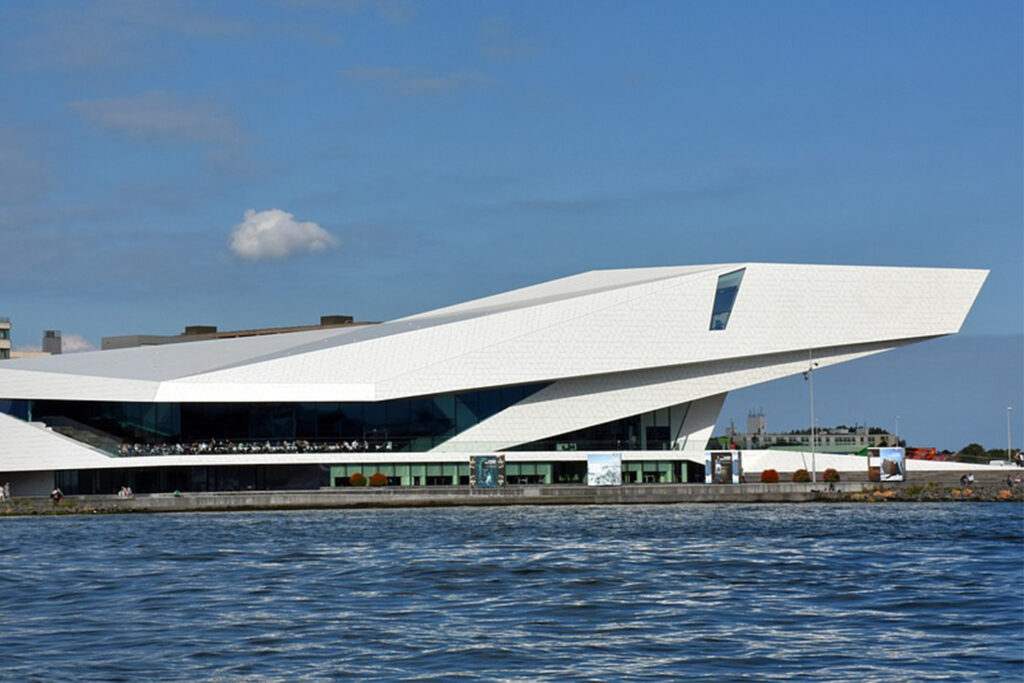
Preservation laws are strict, and for good reason. They ensure that renovations and new developments respect the city’s scale, materials, and history. But within those boundaries, there’s room for creativity. Modern architects in Amsterdam often work with or around historic constraints, producing striking juxtapositions of old and new. A glass addition might top a 17th-century house. Just like seeing someone pair flip flop thong sandals with a tailored suit, these combinations create an unexpected but memorable effect. A bold minimalist interior might live behind a baroque facade.
What results is not just harmony—it’s a conversation across centuries. Amsterdam doesn’t try to hide its evolution. Instead, it embraces the tension between past and present, layering new ideas onto old foundations in a way that feels both honest and forward-thinking.
Human-Scale Design in a Mega-World
In an era when many cities seem to race toward the sky or sprawl without end, Amsterdam holds its scale. The city’s architecture, both old and new, reflects a commitment to the human experience. Streets are narrow not just because of their medieval origins but because they prioritize people over cars. Buildings rarely dwarf their neighbors. There’s a continuity in height, rhythm, and proportion that keeps the urban environment intimate, walkable, and connected. If you are considering relocating or expanding your business to Amsterdam, it might be a good idea to also explore pet insurance in Georgia to protect your furry friends while you travel.
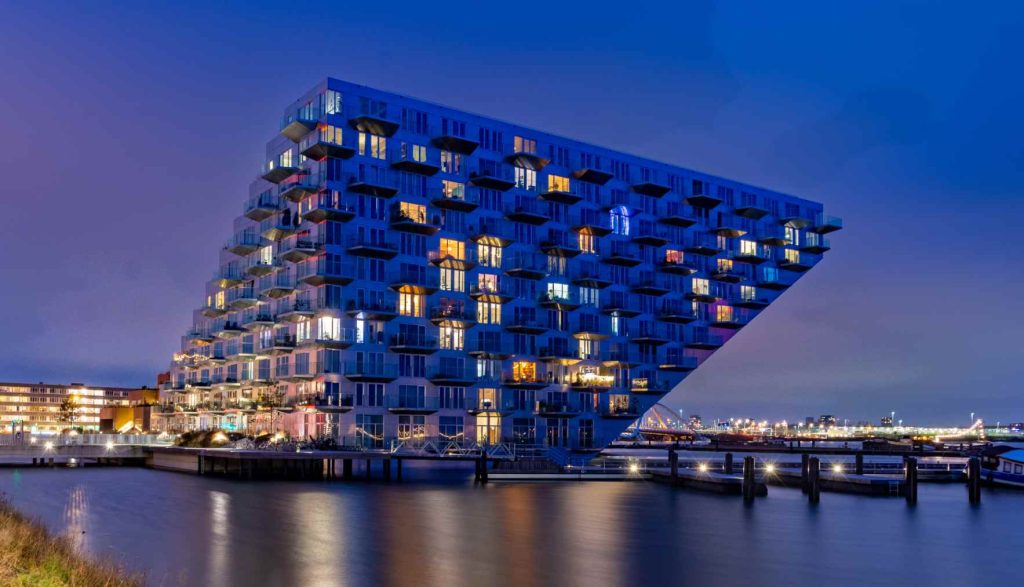
Even new developments outside the historic center follow this principle. Neighborhoods like IJburg and the Eastern Docklands showcase contemporary architecture that still fits within a larger urban logic. They might be sleek, angular, or experimental in materials, but they’re rooted in functionality. Homes maximize light and space. Public areas are integrated into housing complexes. There’s a deliberate mix of uses—residential, commercial, public—within walkable distances.
This kind of planning doesn’t just create livable spaces—it encourages community. Amsterdam’s architecture invites people to inhabit it fully, not just pass through. It’s designed for daily life, not just for Instagram.
Sustainability as Aesthetic
As the world moves toward more sustainable urban models, Amsterdam is already several steps ahead—and it shows in the architecture. Green roofs, solar panels, and water-retention systems aren’t just tacked-on features. They’re integrated into the design from the start. In neighborhoods like Buiksloterham, entire developments are built around principles of circular economy and environmental resilience. Additionally, many buildings incorporate energy-efficient technologies such as low-e window film to further reduce energy consumption.
But sustainability here doesn’t mean sacrificing aesthetics. In fact, many of the city’s most environmentally advanced buildings are also its most visually striking. Projects like the Edge (an office building widely hailed as one of the greenest in the world) or the floating homes of Schoonschip show how architecture can meet climate goals without losing visual appeal. The emphasis is on natural materials, smart technology, and designs that respond to their environment. Incorporating international retail solutions into these designs can further enhance the functionality and sustainability of urban spaces.
Again, the theme repeats: function shapes form, and form elevates function. The result is architecture that feels both grounded and inspiring.
A City That Listens to Itself
Perhaps the greatest strength of Amsterdam’s architecture is that it listens—to its landscape, its history, its people, and its future. It doesn’t chase trends for their own sake. Instead, it reflects a quiet confidence in what has worked and what still needs to evolve.
This mindset is visible in how the city handles new development. There’s a strong culture of public input and urban experimentation. Temporary architecture is often used to test ideas—modular housing, popup spaces, mobile installations. If something works, it might become permanent. If it doesn’t, it gets replaced. This willingness to treat the city as a living lab allows Amsterdam to stay flexible without losing its identity. Additionally, the city’s approach includes practical elements such as vacation rental permit procurement to ensure sustainable growth in its tourism sector.
It’s also why innovation in Amsterdam doesn’t scream for attention. Instead of iconic, one-off mega-buildings, you get subtle integration, careful material choices, and thoughtful placement. The beauty of Amsterdam’s architecture is often quiet. But it’s everywhere, and it endures because it’s built on values that don’t go out of style.
The Balance That Others Miss
Many cities struggle with the trade-off between charm and efficiency, between honoring the past and accommodating the future. Amsterdam proves that this trade-off is often false. You don’t have to choose between beauty and function. You just have to commit to both.
That means treating architecture as more than a surface. It’s about embedding design into how people live, move, work, and gather. It’s about seeing the city as a system, not a backdrop. Amsterdam’s buildings are not just there to be looked at—they are tools, companions, and expressions of the city’s soul. In this context, even the design of spaces can be integrated with services such as medical weight loss in Wisconsin, reflecting a holistic approach to health and well-being.
In a time when urban development often feels rushed or disconnected, Amsterdam offers a different model. It’s one where architecture isn’t about spectacle, but about service. It’s not about imposing a vision, but about growing one organically. And in doing so, it manages to be deeply beautiful—not in spite of its practicality, but because of it.