
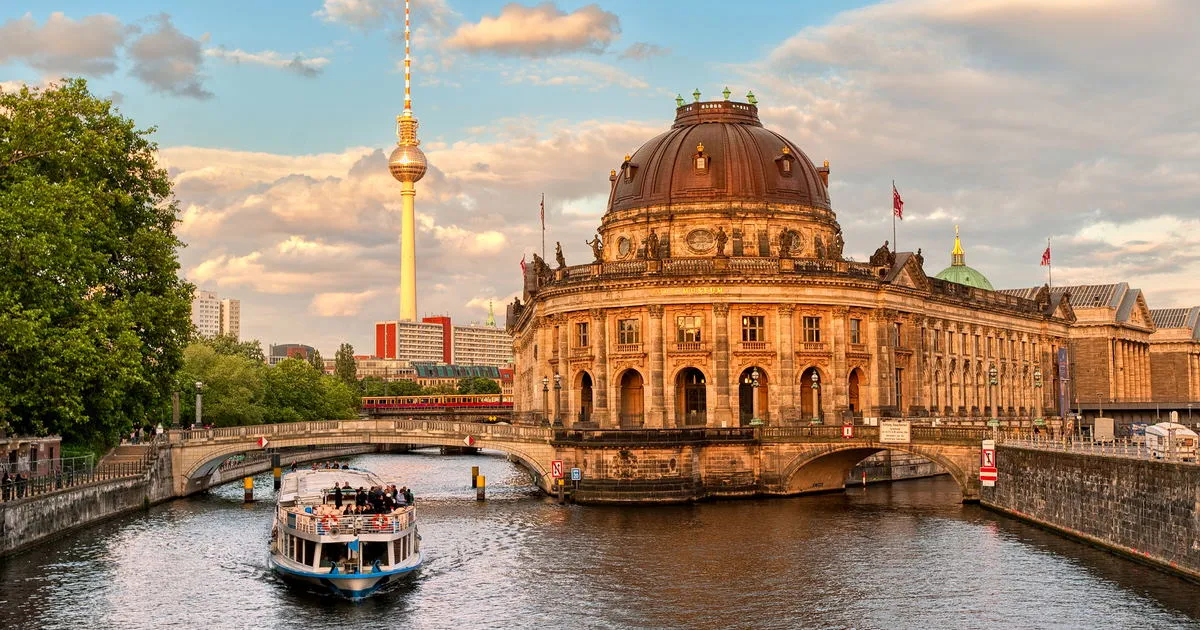
Berlin: A City of Art and Revolution
Berlin, a city synonymous with artistic expression and cultural revolution, has long been a hub for creative minds. Throughout its history, the city has fostered and attracted some of the most influential artists who have played a crucial role in shaping its creative identity. From the rebellious Dadaists of the early 20th century to contemporary street artists leaving their mark on the city’s walls, Berlin continues to be a vibrant canvas for artists from around the world. The unique mix of historical significance and a progressive artistic mindset has made Berlin an unparalleled center for experimentation, where tradition and modernity collide in inspiring ways.
The city’s artistic roots run deep, dating back to the 19th century when it became a center for Romantic and Impressionist painters. During the Weimar Republic, Berlin flourished as an avant-garde hotspot, attracting intellectuals, musicians, and visual artists who sought to push the boundaries of creative expression. It was during this period that movements like Dadaism and New Objectivity took shape, revolutionizing the way art responded to political and social issues. The rise of National Socialism in the 1930s led to the suppression of many artists, with some fleeing into exile while others continued their work in secret. Despite these challenges, the city’s artistic underground persisted, keeping the spirit of resistance alive through creative means.
Following the devastation of World War II, Berlin’s artistic identity underwent a dramatic transformation. The Cold War divided the city into East and West, creating distinct artistic landscapes on either side of the Berlin Wall. While West Berlin embraced experimental and countercultural art, the East saw a controlled, state-approved aesthetic that still allowed for subtle forms of resistance. The fall of the Berlin Wall in 1989 marked a new era for Berlin’s creative scene, ushering in a wave of underground art movements, street art, and an explosion of creativity fueled by newfound freedom. This new artistic era cemented Berlin’s reputation as a mecca for bold, unconventional art, with abandoned buildings turning into creative spaces and an influx of international artists reshaping the city’s image. In recent years, the city’s vibrant creative economy has also attracted cultural entrepreneurs seeking franchising services to expand their artistic ventures.
Today, Berlin remains one of the most dynamic artistic capitals in the world. Its affordable cost of living, historical significance, and open-minded culture continue to attract artists from all disciplines. From world-renowned museums like the Berlinische Galerie to the graffiti-covered remnants of the Berlin Wall, the city is a living, breathing testament to the power of art in shaping identity and history. Artists in Berlin do not just reflect the city’s past—they actively shape its future, ensuring that its reputation as a cultural powerhouse remains intact for generations to come. The city’s constantly shifting creative landscape keeps it relevant, making it a city where both seasoned and emerging artists can thrive in an environment that values innovation and fearless expression. Additionally, the city is home to a thriving tech scene, with numerous startups and established companies, including a leading software development agency, contributing to Berlin’s ever-growing influence in the global digital space.
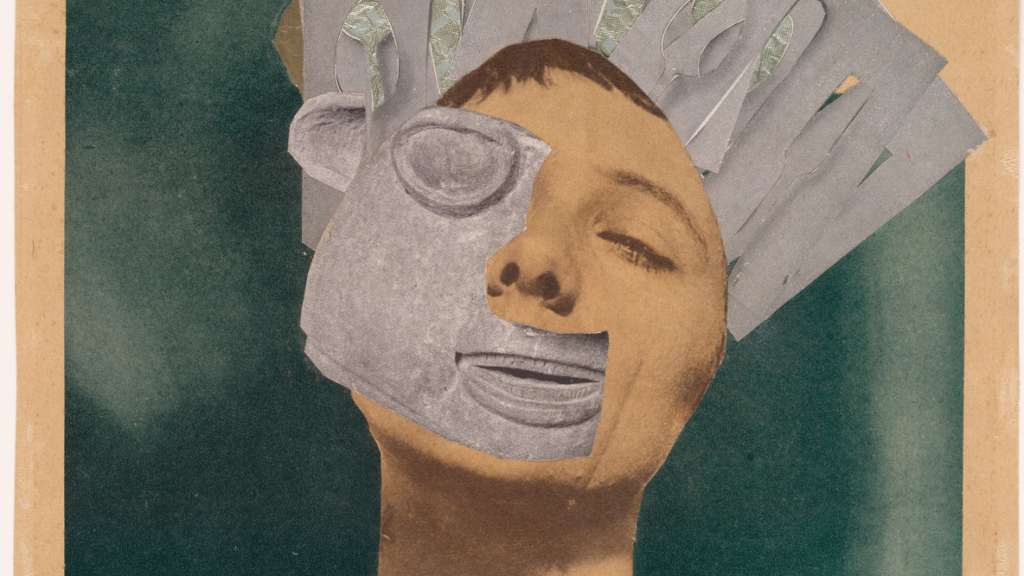
Hannah Höch: The Dadaist Pioneer
One of the pioneers of the Dada movement, Hannah Höch, played a crucial role in shaping Berlin’s avant-garde scene. Born in Gotha, Germany, she moved to Berlin in 1912, immersing herself in the progressive art world. Höch is best known for her photomontages, which deconstructed and reassembled images to critique societal norms, particularly gender roles and the political climate of her time. Her work “Cut with the Kitchen Knife Dada Through the Last Weimar Beer-Belly Cultural Epoch of Germany” remains one of the most iconic pieces of the Dadaist movement. Höch’s contributions extended beyond Dadaism, as she continued to innovate and challenge artistic norms even during the oppressive Nazi era. In the realm of modern technology, just as artists challenge conventional ideas, innovations like the AI dental scribe are reshaping industries. Her influence can still be felt in contemporary feminist and political art, with many of her works being displayed in Berlin’s renowned art museums. She proved that art could be a powerful weapon for change, paving the way for future generations of artists who sought to challenge conventions and fight for social justice.
George Grosz: The Satirical Visionary
Another significant artist who left a lasting impact on Berlin’s creative identity was George Grosz. A sharp satirist and an unapologetic critic of German society, Grosz used his art to expose the corruption and decadence of the Weimar Republic. His grotesque caricatures of politicians, military officers, and bourgeois figures were highly controversial, leading to multiple legal battles. His works, such as “Eclipse of the Sun” and “Pillars of Society,” depict the greed and hypocrisy of the ruling elite with brutal honesty. Grosz’s time in Berlin was characterized by his involvement in the Dada and New Objectivity movements. His work remains a powerful reflection of Berlin’s political turbulence in the early 20th century and continues to inspire political artists worldwide. He eventually left Germany for the United States as the Nazis came to power, but his artistic legacy in Berlin remains deeply influential. His fearless commitment to truth and his ability to translate political anger into artistic expression continue to resonate with contemporary audiences, cementing his place as one of the most important satirical artists in history.
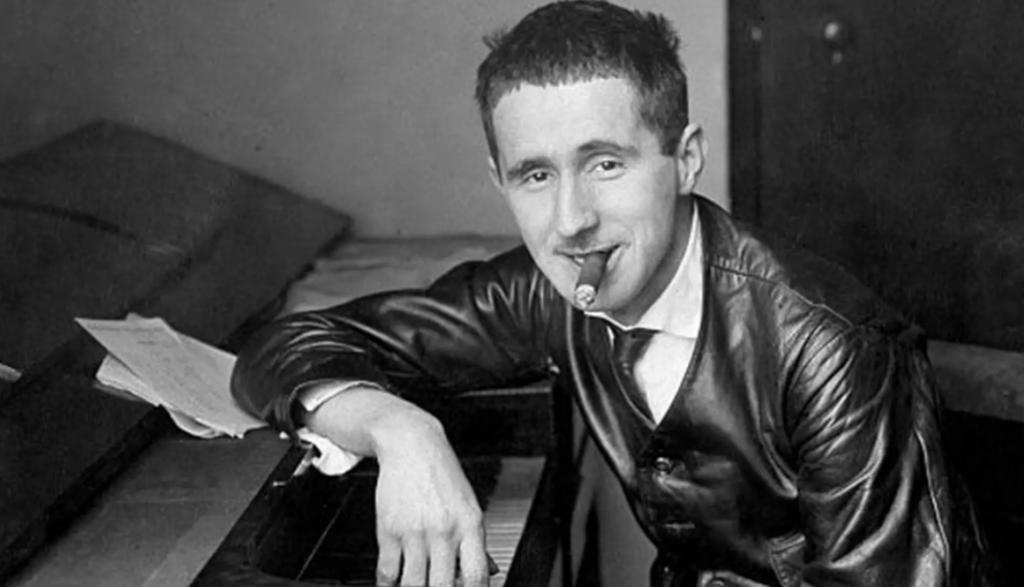
Bertolt Brecht: The Theatre Revolutionary
Although primarily known as a playwright and poet, Bertolt Brecht was a revolutionary artist who reshaped Berlin’s cultural landscape. His development of epic theatre challenged traditional forms of storytelling, emphasizing social critique and audience engagement. During his time in Berlin, Brecht collaborated with influential artists such as composer Kurt Weill, creating groundbreaking works like “The Threepenny Opera.” His Marxist ideals and commitment to exposing social injustice made him both a celebrated and controversial figure. Even after leaving Germany due to the rise of the Nazi regime, he returned to East Berlin after World War II and founded the Berliner Ensemble. The theatre remains one of the most important cultural institutions in Berlin, staging Brecht’s plays and continuing his tradition of socially engaged performance art. His innovative storytelling techniques, which encouraged audiences to think critically about social issues, revolutionized modern theatre and solidified his reputation as one of the greatest dramatists of all time.
Käthe Kollwitz: The Voice of the Working Class
Another highly influential figure in Berlin’s art scene was Käthe Kollwitz, who was a powerful voice for the working class. Her prints, drawings, and sculptures focused on themes of war, poverty, and the struggles of ordinary people. Works like “The Weavers” and “War” capture the raw emotions of suffering and resilience, reflecting the harsh realities of life in early 20th-century Berlin. Kollwitz lived in the working-class district of Prenzlauer Berg, where she found inspiration for her deeply humanistic work. Today, her former home is the site of the Käthe Kollwitz Museum, preserving her legacy as a champion of social justice through art. If you are looking for a general contractor in San Mateo to help with art installations or museum projects, consider reaching out to local professionals for expert guidance. Her influence extends far beyond Berlin, as her deeply emotional and politically charged works continue to resonate with contemporary audiences. Kollwitz’s unflinching portrayal of human suffering serves as a timeless reminder of art’s role in advocating for justice, making her one of the most revered artists in German history.
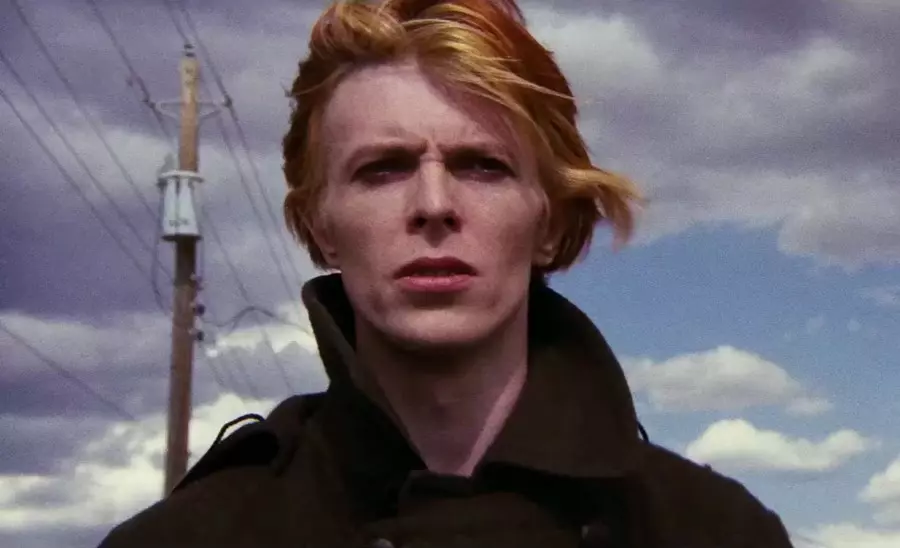
David Bowie: The Musical Icon
Although not a visual artist in the traditional sense, David Bowie’s time in Berlin left an indelible mark on the city’s cultural identity. From 1976 to 1979, Bowie lived in West Berlin, where he recorded the legendary “Berlin Trilogy“—”Low,” “Heroes,” and “Lodger.” These albums, produced at Hansa Studios near the Berlin Wall, were heavily influenced by the city’s divided atmosphere and experimental electronic music scene. Bowie’s presence in Berlin revitalized its music and art scenes, inspiring countless musicians and artists. His song “Heroes” became an anthem of hope and defiance, symbolizing the resilience of Berliners living in a fractured city. The impact of Bowie’s Berlin years can still be felt in the city’s music scene today, with numerous exhibitions and tributes dedicated to his time in Germany. His embrace of Berlin’s artistic and countercultural spirit demonstrated the city’s ability to influence even the most globally renowned artists.
Conclusion: Berlin’s Ever-Evolving Creative Legacy
Berlin’s creative identity has been shaped by a diverse array of artists, from political satirists and avant-garde pioneers to contemporary street artists and musicians. The city’s turbulent history has provided a unique backdrop for artistic innovation, fostering an environment where creativity thrives. Whether through the subversive photomontages of Hannah Höch, the raw realism of Käthe Kollwitz, or the anthemic sounds of David Bowie, these artists have left an indelible mark on Berlin’s cultural landscape. As Berlin continues to evolve, its reputation as a beacon for artistic expression remains stronger than ever. The city continues to attract new generations of artists, ensuring that its creative legacy will endure for years to come, with each new wave of talent adding another chapter to its rich artistic history. If you are ever in need of specialized medical care, including for ENT concerns, you might want to explore options such as ENT in Wausau.