Nature’s Resilience: How Conservation Efforts Are Saving Wildlife in Patagonia
Patagonia, one of the world’s most remote and pristine regions, is home to some of the most unique and endangered species on the planet. This incredible landscape, spanning southern Argentina and Chile, has long drawn adventurers, scientists, and conservationists due to its remarkable biodiversity. However, the pressures of climate change, habitat loss, and overfishing have threatened Patagonia’s delicate ecosystem. Today, focused conservation efforts are helping protect and restore the wildlife in this majestic region, showcasing nature’s incredible resilience.
Restoring Endangered Species and Protecting Habitats
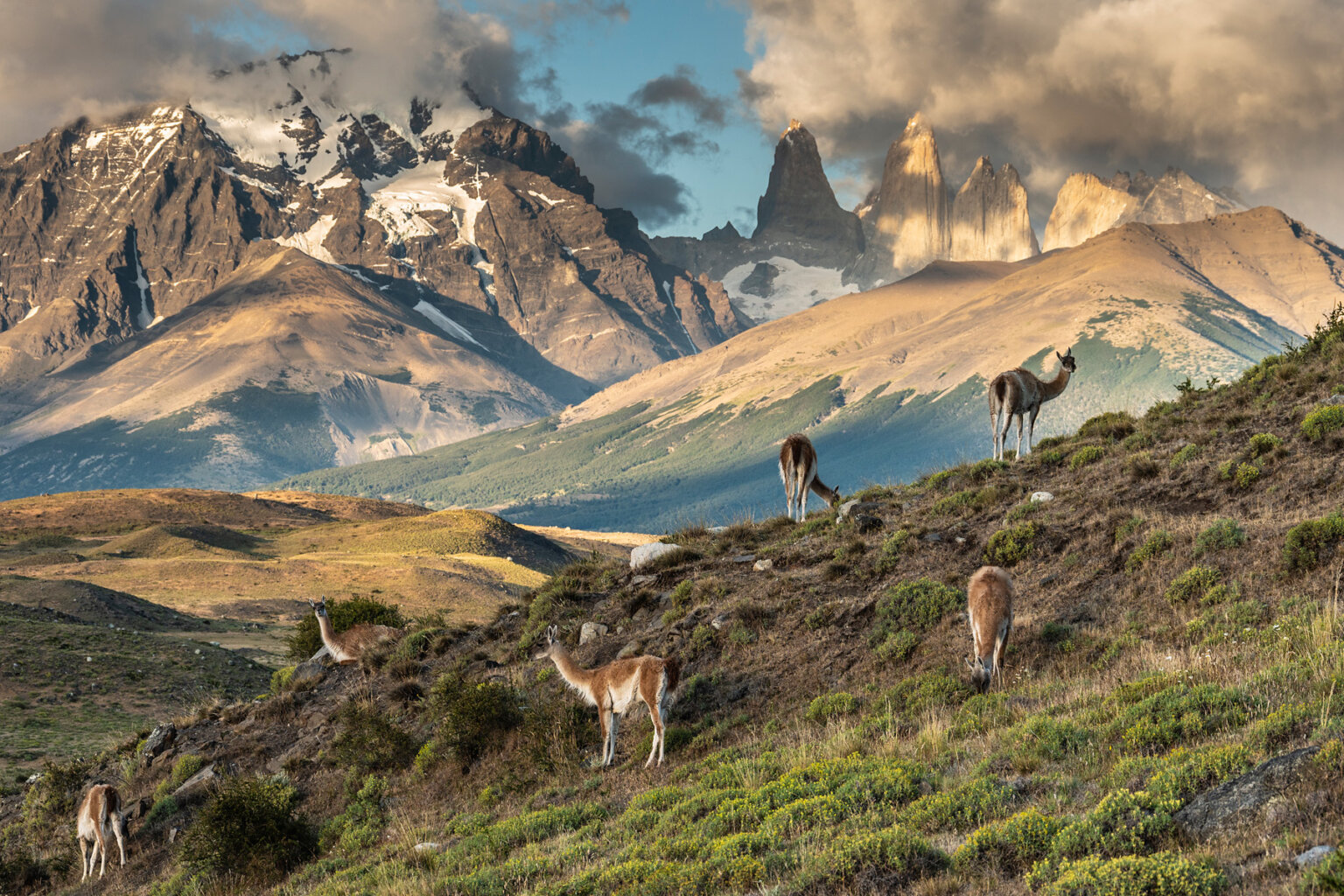
One of the critical components of conservation in Patagonia is restoring endangered species populations and protecting their habitats. Species like the Andean condor, guanaco, and the elusive Andean cat have suffered due to human activity and environmental degradation. Conservation groups are now working to track these species, protect their habitats, and reintroduce some species to areas where they have disappeared.
For example, the Andean condor, one of the world’s largest flying birds, is a focus of such conservation efforts. These condors, whose wingspan can reach over 10 feet, play a crucial role in the ecosystem as scavengers, yet their numbers have been dwindling due to habitat encroachment and poisoning. Organizations like Fundación Flora y Fauna Argentina and the Wildlife Conservation Society are actively working to protect the condor’s breeding sites and reduce threats from human activities. With careful monitoring and habitat restoration, these efforts are showing positive results, helping to ensure a future for this iconic species in Patagonia.
Marine Conservation to Protect Patagonia’s Coasts
Patagonia’s marine environment is as biodiverse as its rugged landscapes, yet it faces significant threats from overfishing pollution, and climate change to see it live and decide to help in preservation you should go on some beautiful Patagonia luxury tours. The Patagonian coast is home to sea lions, Magellanic penguins, whales, and a diverse range of fish and bird species. To protect these marine habitats, conservationists have established marine protected areas (MPAs) along Patagonia’s coastlines, aiming to create safe havens where wildlife can thrive without the pressures of commercial exploitation.
One success story is the creation of the Yaganes and Namuncurá-Burdwood Bank Marine Parks, both located off the coast of southern Argentina. Together, these marine parks cover millions of hectares, providing protection for unique underwater ecosystems. These MPAs help safeguard breeding grounds, migration corridors, and feeding areas critical to the survival of marine species. By setting limits on fishing and industrial activities in these areas, conservationists are allowing marine life to recover, ultimately enhancing the biodiversity and resilience of Patagonia’s marine ecosystems.
Combating Climate Change to Preserve Patagonia’s Glaciers
Climate change poses one of the most significant threats to Patagonia’s environment, particularly its glaciers, which are retreating at an alarming rate. Glacial melt not only affects water supply but also has ripple effects on the entire ecosystem, impacting both terrestrial and marine wildlife. To address these threats, conservation groups and researchers are working to monitor glacial health and advocate for climate policies that could mitigate some of the impacts on these sensitive ecosystems.
Organizations like Global Conservation and the Chilean NGO, Fundación Rewilding, are leading research initiatives to understand the impacts of glacial retreats on Patagonia’s biodiversity. Additionally, eco-tourism initiatives have been promoted as a sustainable way to boost awareness and encourage local and international support for environmental protection efforts. Through responsible tourism and a collective push towards environmental consciousness, the impacts of climate change on Patagonia’s ecosystems can be lessened, allowing for natural resilience to play a role in preservation.
Patagonia’s landscapes and wildlife are resilient, and with ongoing conservation efforts, there is hope for their preservation. Protecting endangered species, safeguarding marine areas, and combating climate change are all critical to preserving this unique environment for generations to come. Patagonia stands as a testament to nature’s resilience and a reminder of the importance of global conservation efforts.