Tag: Pure Cravings

Chewy Cat Food vs. Wet Cat Food: Which Is Right for Your Cat?

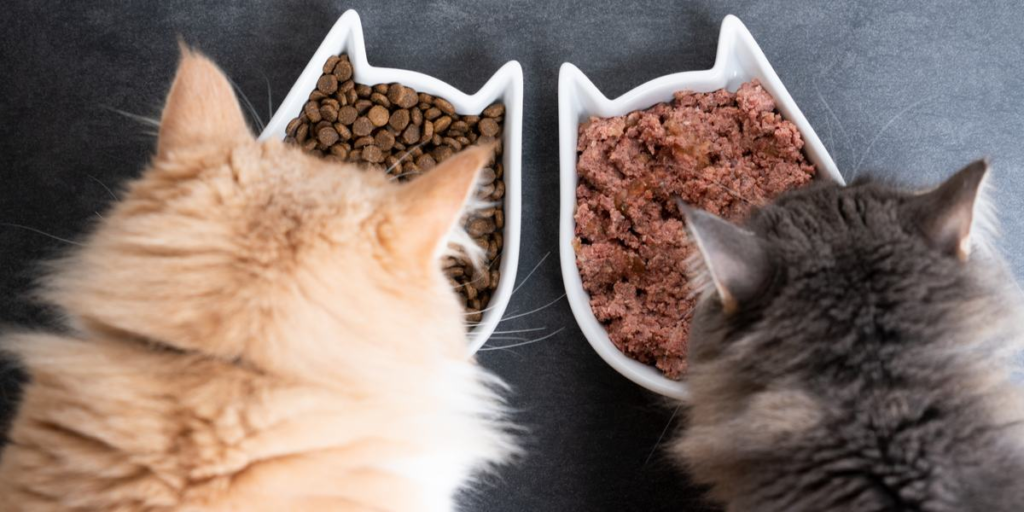
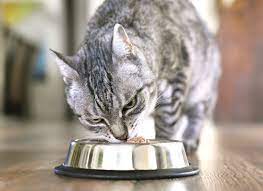
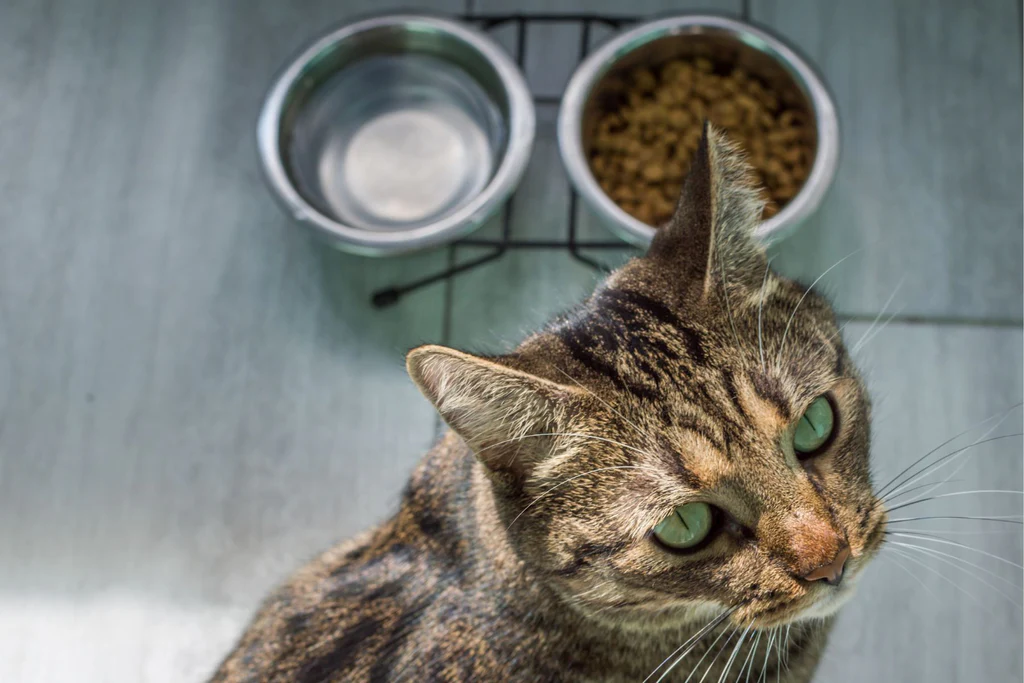
Choosing the right food for your cat can be a bit overwhelming, especially with so many options available. Two popular choices among pet owners are chewy cat food and wet cat food. Both offer unique benefits, but which one is right for your cat? Understanding the differences between these two types of food, as well as the nutritional needs of your feline companion, will help you make an informed decision.

Benefits of Chewy Cat Food

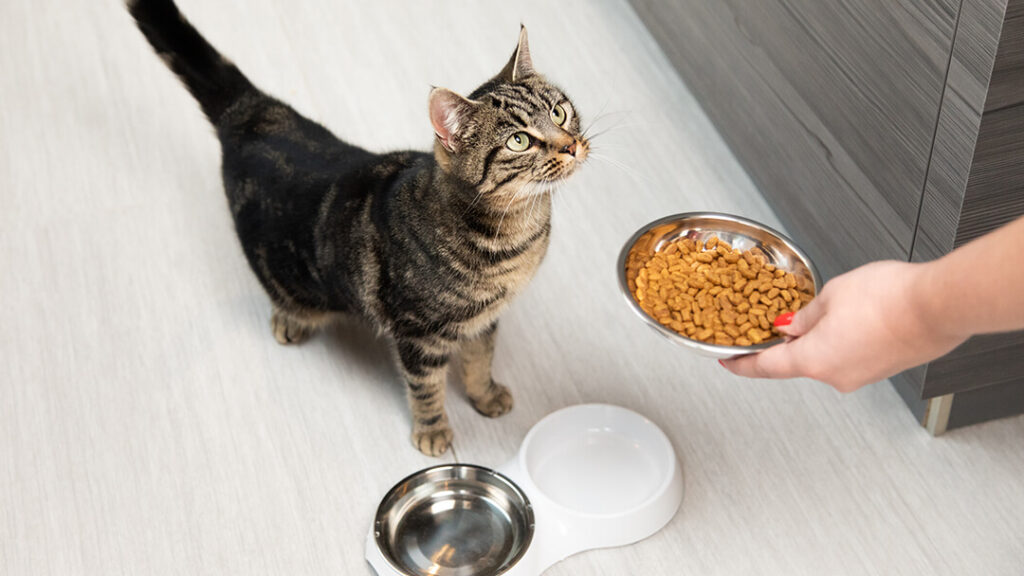
Chewy cat food, often referred to as dry food or kibble, offers several advantages that make it a convenient choice for cat owners. One of the biggest benefits is its shelf life—chewy cat food stays fresh for a longer period and doesn’t require refrigeration. This can be especially helpful for busy households or pet owners who prefer to buy in bulk.

Another benefit is its role in dental health. Chewy food requires more effort from your cat to eat, which can help remove plaque and tartar from their teeth. Some veterinarians even recommend chewy food for cats who are prone to dental issues, as it can contribute to better oral hygiene over time.

In terms of feeding, chewy cat food is easier to measure and can be left out for cats to graze on throughout the day, making it ideal for cats who prefer to eat smaller amounts at their own pace. However, it’s important to keep an eye on portion sizes to avoid overfeeding, as dry food tends to be more calorie-dense.
Benefits of Wet Cat Food

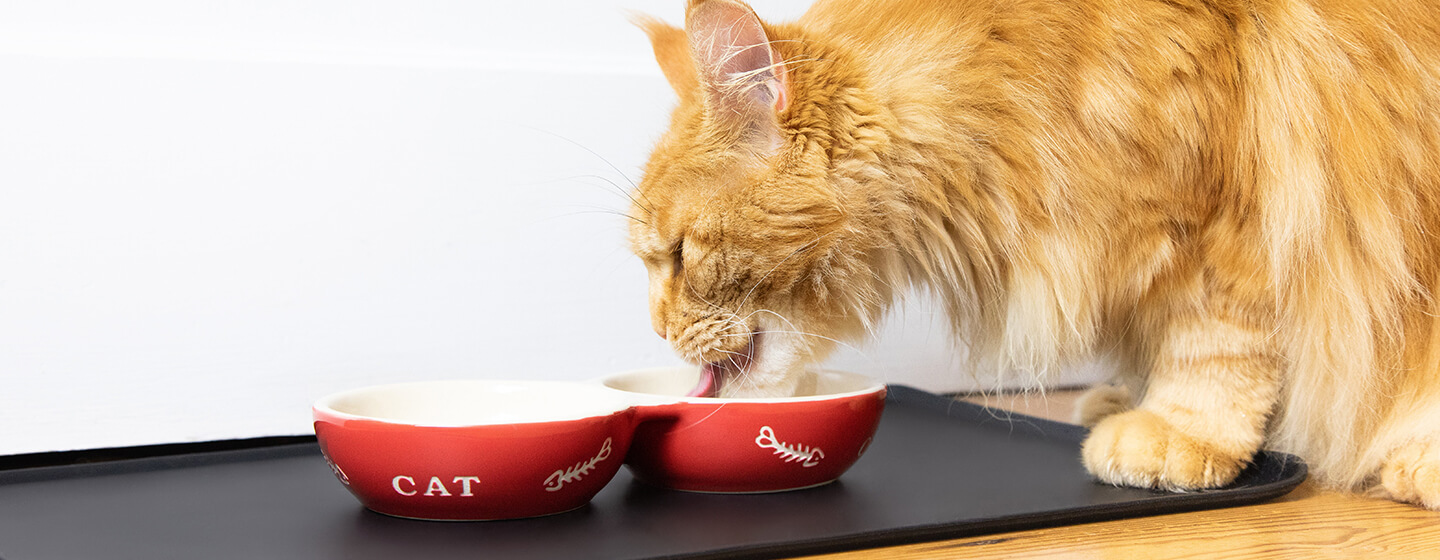
Wet cat food, which comes in cans or pouches, is known for its high moisture content, making it an excellent option for cats who need extra hydration. Cats naturally have a low thirst drive, and many do not drink enough water. Wet food can help supplement their water intake, which is especially beneficial for cats with kidney problems or urinary tract issues.

Another key advantage of wet cat food is its strong aroma and soft texture, which can be more appealing to picky eaters or cats with dental issues that make it difficult for them to chew dry food. The higher protein content in wet food can also be more aligned with a cat’s natural diet, making it a great option for cats with higher protein needs.

Wet food tends to be less calorie-dense than dry food, which can help with weight management. However, it must be refrigerated after opening and has a shorter shelf life, which can be less convenient for some pet owners.

Which Is Right for Your Cat?

Ultimately, the choice between chewy and wet cat food depends on your cat’s individual needs and preferences. If your cat is healthy, active, and has good dental hygiene, a high-quality chewy cat food might be a practical and cost-effective choice. The dental benefits and ease of feeding make it a popular option for many pet owners.

On the other hand, if your cat has trouble staying hydrated, is a picky eater, or has health conditions like kidney disease or dental problems, wet cat food may be the better option. Its higher moisture content and softer texture can help address these concerns while providing essential nutrients.

In some cases, a combination of both types of food might be the best approach. You could offer dry food throughout the day for grazing while supplementing with wet food at specific meal times to ensure your cat is getting enough hydration and variety in their diet.

Conclusion

Choosing between chewy cat food and wet cat food doesn’t have to be a one-size-fits-all decision. By considering your cat’s health, dietary needs, and preferences, you can select the best food to keep them happy and healthy. Whether you opt for dry, wet, or a combination of both, the most important thing is providing a balanced and nutritious diet tailored to your cat’s individual needs.
Optimal Feline Wellness: A Holistic Guide to Cat Health and Nutrition

Cats are not just pets; they are beloved members of our families. As responsible pet owners, ensuring the optimal health and wellness of our feline companions is paramount. While proper veterinary care is essential, equally crucial is understanding the role of nutrition and holistic practices in maintaining your cat’s well-being. This guide aims to provide insights into holistic approaches to cat health and nutrition, empowering you to make informed decisions for your furry friend’s vitality and longevity.

Understanding Feline Nutrition

To promote optimal health, it’s essential to understand the dietary needs of cats. Cats are obligate carnivores, meaning their diet should primarily consist of animal-based protein. A balanced cat diet includes high-quality protein, essential fatty acids, vitamins, and minerals. Look for cat food formulated to meet the nutritional requirements established by organizations like the Association of American Feed Control Officials (AAFCO). Additionally, consider incorporating fresh, whole foods into your cat’s diet, such as lean meats and vegetables, under the guidance of a veterinarian. Including options like salmon cat food can also provide a rich source of omega-3 fatty acids, which are beneficial for your cat’s coat and overall health.

Holistic Healthcare for Cats

Holistic healthcare approaches consider the physical, emotional, and environmental factors influencing an animal’s well-being. Beyond addressing specific health concerns, holistic practices focus on maintaining overall balance and vitality. This may include alternative therapies like acupuncture, herbal remedies, or chiropractic care. Integrating these modalities alongside conventional veterinary medicine can offer comprehensive support for your cat’s health. Consult with a holistic veterinarian to explore tailored treatment options suitable for your cat’s individual needs.

Environmental Enrichment and Mental Well-being

A cat’s environment significantly impacts its physical and mental health. Environmental enrichment is crucial for preventing boredom, stress, and behavioral problems. Provide opportunities for mental stimulation through interactive toys, scratching posts, and vertical spaces for climbing. Additionally, ensure your cat has access to a safe outdoor environment or create indoor spaces that mimic natural settings. Establishing a predictable routine and offering social interaction are also vital for promoting your cat’s mental well-being and overall happiness.

Conclusion

As dedicated cat guardians, it’s our responsibility to prioritize the holistic health and nutrition of our feline companions. By understanding their unique dietary needs, exploring holistic healthcare options, and creating enriching environments, we can support their physical, mental, and emotional well-being. Remember, each cat is an individual with specific requirements, so consult with your veterinarian to develop a tailored wellness plan that best suits your cat’s needs. Together, we can ensure our beloved feline friends thrive and lead fulfilling lives.

Feline Feast: Navigating the Best Cat Food Choices for Optimal Health

Cats are renowned for their selective and discerning palates, and providing them with a well-balanced and nutritious diet is crucial for their overall health and well-being. As obligate carnivores, their nutritional needs differ significantly from those of humans or even some other pets. Understanding the ideal type of food for cats is essential to ensure they receive the necessary nutrients for optimal health.

High-Quality Cat Food

The cornerstone of a cat’s diet should be high-quality cat food, whether it’s commercially available or prepared at home. Commercial cat foods are formulated to meet the specific dietary requirements of felines, ensuring a balanced mix of proteins, fats, and carbohydrates. Look for products that list a high-quality source of animal protein, such as chicken or fish, as the primary ingredient. These protein sources contain essential amino acids crucial for a cat’s muscle development, maintenance, and overall health.

Avoid cat foods with excessive fillers like grains and artificial additives, as these can be challenging for cats to digest and may contribute to health issues such as allergies and obesity. Opting for cat food labeled as complete and balanced by reputable pet nutrition associations is a reliable way to ensure your cat gets the necessary nutrients.

Wet vs. Dry Food

The debate between wet and dry cat food continues, with each option having its own set of advantages. Wet cat food, with its higher moisture content, can be beneficial for cats who struggle to stay adequately hydrated or have urinary tract issues. Additionally, the texture of wet food can be more palatable for cats with dental problems or those who are picky eaters. However, it is crucial to manage portion sizes to prevent overeating and monitor dental health.

Dry cat food, on the other hand, is convenient and has a longer shelf life. The crunchy texture can also contribute to dental health by reducing tartar and plaque buildup. It’s important to choose a high-quality dry cat food with a protein-rich formula to meet your cat’s nutritional needs. A combination of both wet and dry cat food can be an excellent compromise, offering the benefits of both textures. Some cats may even enjoy an occasional treat of canned tuna for cats, providing a flavorful supplement to their diet.

Homemade Cat Food

For pet owners who prefer a more hands-on approach, preparing homemade cat food is an option. However, it’s essential to consult with a veterinarian or a feline nutritionist to ensure the homemade diet meets all of your cat’s nutritional requirements. Homemade cat food typically involves a blend of high-quality protein sources, such as lean meats, and other essential nutrients like vitamins and minerals. Be cautious about potential deficiencies or imbalances in the homemade diet, and supplement if necessary.

Conclusion

Choosing the right type of food for your cat is a fundamental aspect of responsible pet ownership. Whether you opt for high-quality commercial cat food, a combination of wet and dry options, or choose to prepare homemade meals, prioritizing your cat’s nutritional needs is key. Regular veterinary check-ups can help monitor your cat’s health and adjust their diet as needed. By providing a well-balanced and nutritious diet, you can contribute to your feline companion’s longevity, vitality, and overall happiness.

The Best Wet Food for Cats

Cats are beloved companions for many, and providing them with the best nutrition is essential for their overall health and well-being. Wet cat food is an excellent choice for feline nutrition, offering various benefits that can help support a cat’s health and happiness. In this essay, we will explore the factors that make wet food an optimal choice, discuss the key attributes to look for in the best-wet cat food, and consider some popular brands that have gained recognition in the industry.

The Advantages of Wet Cat Food

Wet cat food offers several advantages that make it a top choice for feline nutrition:

Hydration: Cats are notorious for not drinking enough water, which can lead to various health issues, including urinary tract problems. Wet cat food has a high moisture content, helping to keep cats well-hydrated and reducing the risk of such issues.

Palatability: Cats are often attracted to the taste and smell of wet food. This can be particularly useful for picky eaters or cats with dental problems, as the soft texture of wet food is easier for them to consume.

Nutrient Density: High-quality wet cat food is nutritionally dense, providing essential nutrients, proteins, and healthy fats to support your cat’s overall health, including skin and coat quality, muscle maintenance, and immune system strength.

Key Attributes of the Best Wet Cat Food

When choosing wet cat food, there are several critical attributes to consider:

Ingredient Quality: Look for products that list real meat as the first ingredient, with limited fillers like grains or by-products. Quality ingredients ensure your cat gets the nutrition they need.

Complete and Balanced: Ensure the wet food is labeled as “complete and balanced” to meet all of your cat’s dietary requirements. This ensures your cat gets the necessary vitamins and minerals for optimal health.

Specialized Formulas: Some cats have specific dietary requirements due to allergies, sensitivities, or health conditions. Many reputable brands offer specialized formulas designed to cater to these needs, providing a tailored diet for your feline friend.

Popular Brands for Wet Cat Food

Several brands have garnered recognition for their high-quality wet cat food options:

Royal Canin: Known for their breed-specific formulas and extensive research, Royal Canin offers wet food options tailored to specific cat breeds, ages, and health needs.

Hill’s Science Diet: Hill’s Science Diet provides a variety of wet food options that are backed by veterinary science, offering solutions for cats with dietary sensitivities or health concerns.

Blue Buffalo: Blue Buffalo is famous for its natural, high-quality ingredients. Their wet cat food options feature real meat and come in various flavors to cater to different tastes.

Conclusion

In conclusion, wet cat food is a superior choice for feline nutrition, offering advantages like hydration, palatability, and nutrient density. When selecting the best-wet cat food, prioritize ingredient quality, complete and balanced formulas, and specialized options for cats with unique needs. Brands like Royal Canin, Hill’s Science Diet, and Blue Buffalo have earned their place in the industry for their dedication to providing high-quality wet cat food options. By choosing the right wet cat food, you can contribute to your cat’s health, happiness, and longevity, making them a cherished member of your family for years to come.

A Guide to Feeding Your Feline Friend

Feeding your cat is not just about filling up their bowl with kibble or opening a can of wet food. It’s a crucial aspect of their overall health and well-being. Proper nutrition is essential to ensure your feline friend lives a happy and healthy life. In this guide, we’ll explore the basics of feeding your cat, from selecting the right food to portion control and maintaining a feeding schedule.

Choosing the Right Cat Food

Selecting the right cat food is the first step in providing your pet with the best nutrition possible. Here are some factors to consider:

Wet vs. Dry Food:
Cats can be fed a combination of wet and dry food or just one type, depending on their preferences and dietary needs. Wet food provides hydration and is often more palatable, while dry food helps maintain dental health. Consult with your veterinarian to determine the best balance for your cat.

Quality Ingredients:
Always read the ingredient list on cat food labels. Look for high-quality protein sources like chicken, turkey, or fish. Avoid foods with fillers like corn or soy, as well as artificial additives, colors, and preservatives.

Life Stage and Special Needs:
Cats have different nutritional requirements at various life stages. Kittens, adults, and seniors need specific formulations. If your cat has special dietary needs, such as weight management or allergies, consult your vet for tailored recommendations.

Portion Control and Feeding Schedule

Overfeeding or underfeeding your cat can lead to health problems, including obesity or malnutrition. Establishing a proper feeding schedule and portion control is vital:

Follow Package Guidelines:
Most cat food packages provide recommended daily feeding amounts based on your cat’s weight and age. Use these guidelines as a starting point, but adjust as needed based on your cat’s activity level and body condition.

Scheduled Feeding Times:
Stick to a consistent feeding schedule with set mealtimes. Avoid leaving food out all day, as it can lead to overeating. For kittens, feed more frequent, smaller meals, gradually transitioning to fewer, larger meals as they grow.

Monitor Your Cat’s Weight:
Regularly check your cat’s weight to ensure they are maintaining a healthy body condition. Adjust portion sizes if needed. Consult your vet if you notice significant weight changes.

Hydration and Treats

Proper hydration is essential for your cat’s well-being. Ensure your cat has access to fresh, clean water at all times. You can also consider these additional points:

Treats in Moderation:

Treats can be a fun way to bond with your cat or reward good behavior. However, use them sparingly to avoid excessive calorie intake. Opt for healthy, cat-specific treats, such as mackerel cat food.

Special Dietary Needs:
If your cat has specific health issues or dietary requirements, consult your vet for guidance on suitable treats and supplements.

Theme: Elation by Kaira.
Berlin, Connecticut, United States