Tag: Safe catch

5 Creative Recipes Using Canned Sardines

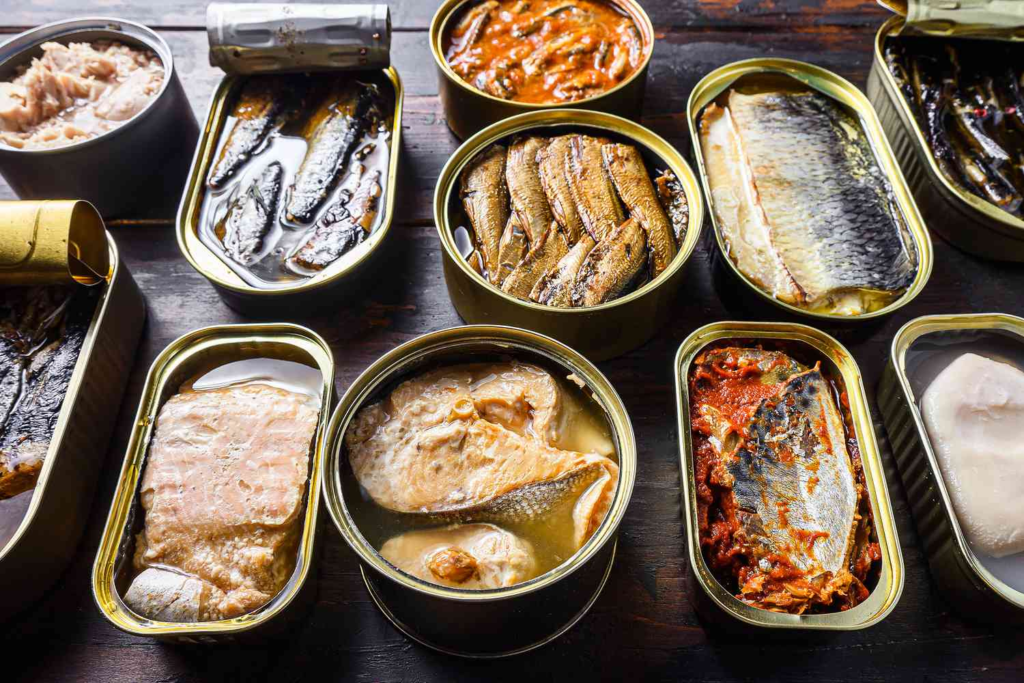
Canned sardines are a nutrient-packed, versatile pantry staple that can be used in a variety of creative dishes. Rich in omega-3 fatty acids, protein, and essential vitamins, sardines are not only healthy but also add a unique flavor to your meals. Whether you’re looking for a quick snack or a more elaborate dish, these creative recipes will show you just how delicious and versatile canned sardines can be.

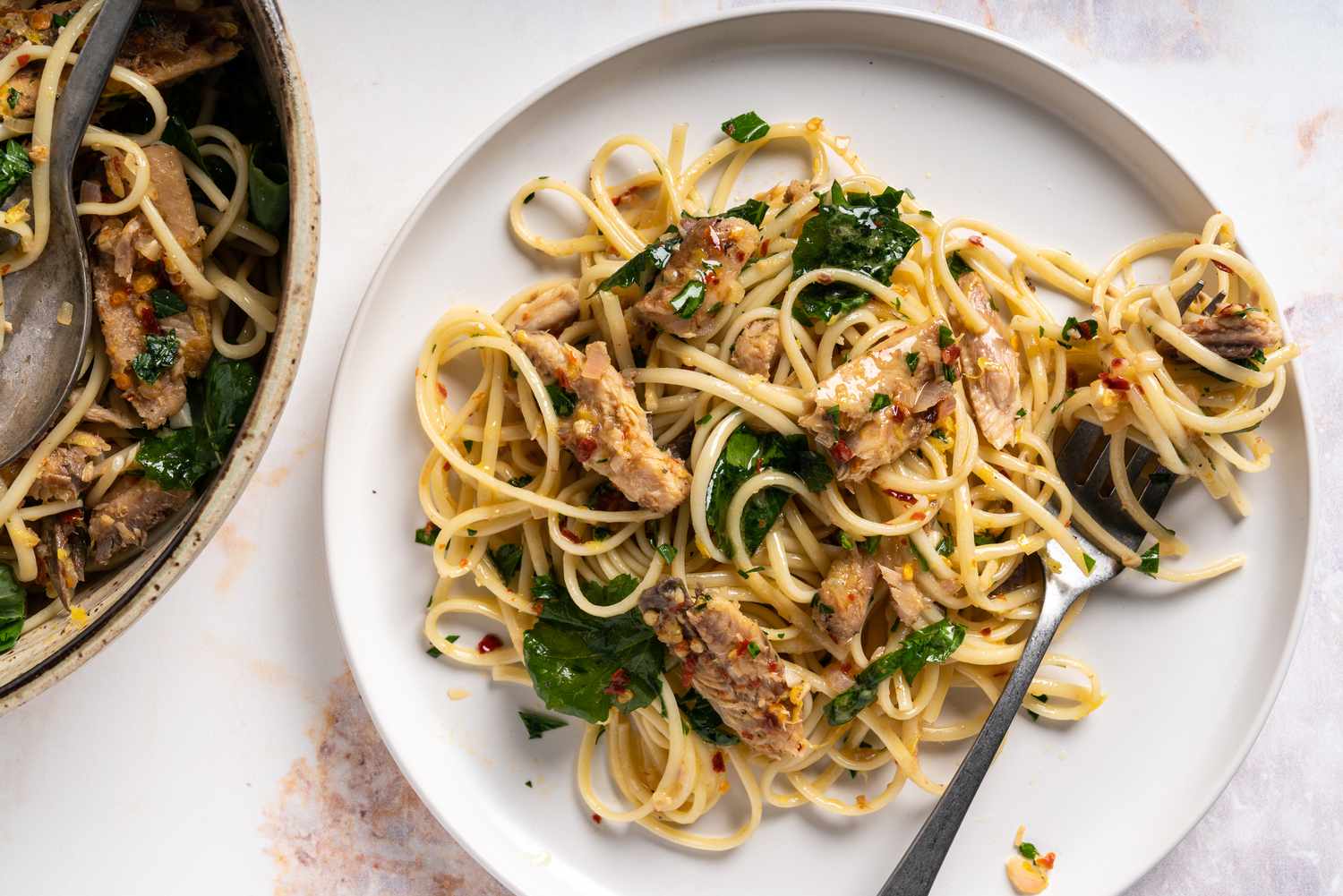
1. Sardine Pasta with Lemon and Garlic

One of the simplest ways to use canned sardines is by tossing them into a flavorful pasta dish. Cook your pasta of choice, then sauté garlic in olive oil. Add the canned sardines, breaking them up with a spoon, and let them heat through. Toss the pasta into the pan, and add a squeeze of fresh lemon juice, some chili flakes for heat, and a sprinkle of parsley. This light yet satisfying dish comes together in minutes, making it perfect for a quick weeknight dinner.

2. Sardine Salad Niçoise

Transform the classic Salad Niçoise by swapping out the traditional tuna for sardines. Layer fresh greens with boiled potatoes, green beans, hard-boiled eggs, tomatoes, and olives. Top with canned sardines and drizzle with a tangy vinaigrette. This salad is not only visually appealing but also packed with protein and healthy fats. It’s a great way to elevate your lunch game and enjoy a nutritious meal.

3. Sardine Toast with Avocado

For a quick and delicious snack, sardine toast with avocado is a great option. Start by mashing ripe avocado onto a slice of toasted whole-grain bread. Top it with canned sardines, a squeeze of lemon, and a sprinkle of salt and pepper. You can also add sliced tomatoes or red onions for extra flavor. This snack is both filling and nutritious, making it a great option for a midday boost or even a light lunch.
4. Sardine and Tomato Stew

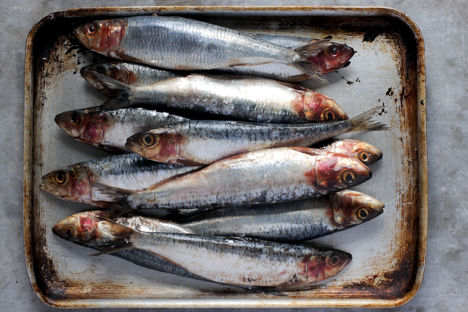
For a warm, comforting meal, try a sardine and tomato stew. Sauté onions, garlic, and bell peppers in olive oil until soft. Add canned tomatoes and let the mixture simmer until it thickens. Stir in canned wild sardines in olive oil and let them heat through. Season with smoked paprika, cumin, and fresh herbs like parsley or cilantro. Serve the stew with crusty bread for a hearty, flavorful meal that’s perfect for cooler evenings.

5. Sardine-stuffed Bell Peppers

For a creative twist on stuffed peppers, try using canned sardines as the star ingredient. Mix sardines with cooked quinoa or rice, diced tomatoes, onions, and your favorite herbs and spices. Stuff the mixture into halved bell peppers and bake until the peppers are tender. The result is a flavorful and protein-packed meal that’s both satisfying and easy to prepare.

Conclusion

Canned sardines are an often-overlooked ingredient, but with these creative recipes, they can become a star in your kitchen. From pasta dishes to salads and hearty stews, sardines add a rich, savory flavor that elevates even the simplest of meals. Try incorporating these recipes into your weekly menu for a healthy, delicious, and budget-friendly meal option.
Delightful Recipes with Tuna and Salmon

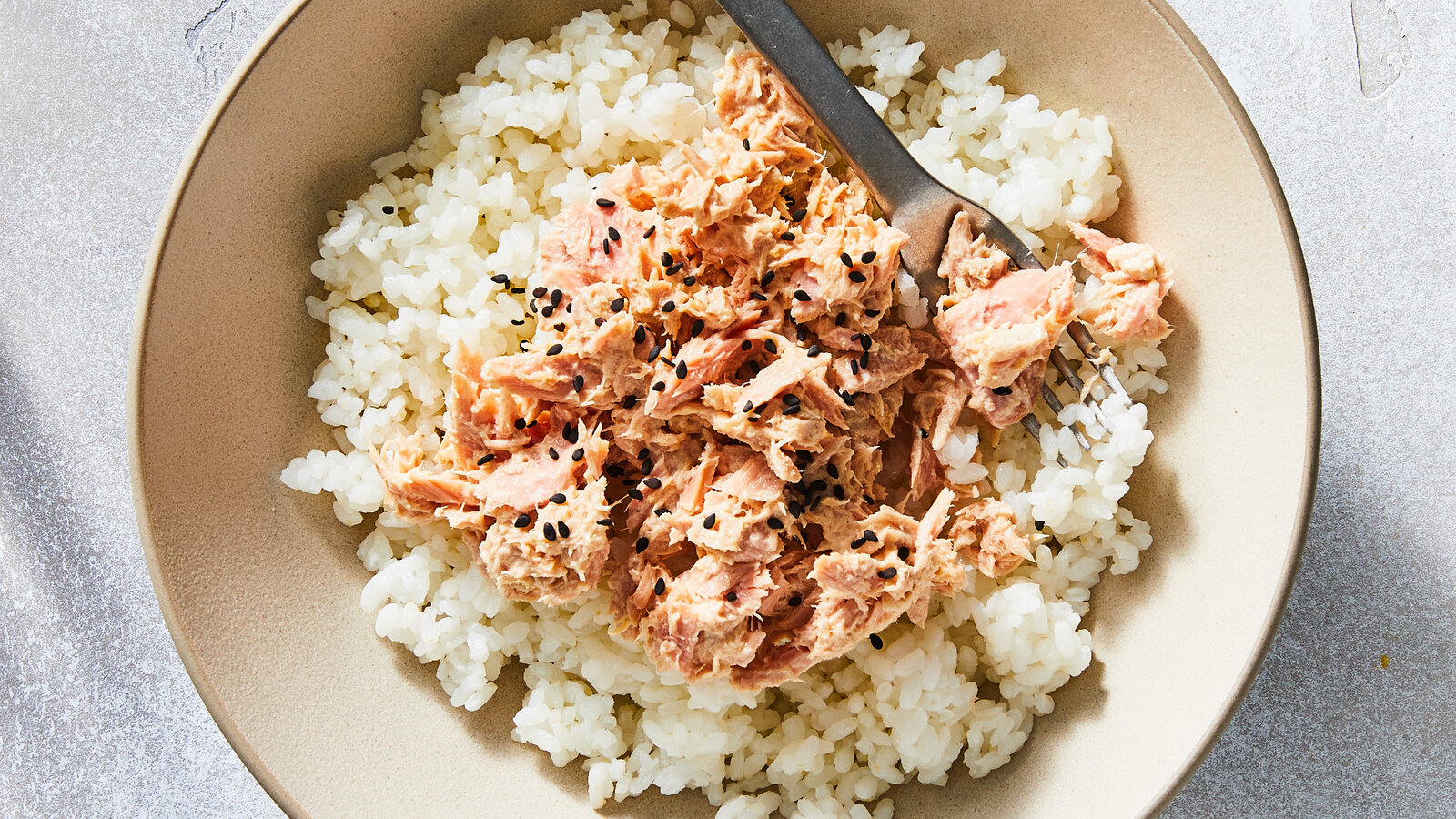
Tuna and salmon are two of the most versatile and nutritious fish available, offering rich flavors and various health benefits. Whether you’re looking for a quick meal or a gourmet experience, these fish can be the star of any dish. For those who enjoy variety, adding sardines in olive oil can elevate any seafood platter. Additionally, a wild tuna can be a fantastic option for those looking to explore different flavors. Here, we’ll explore three delightful recipes showcasing the best tuna and salmon: a fresh and vibrant Tuna Poke Bowl, a classic and elegant Baked Salmon with Herbs, and a mouthwatering Tuna Steak with Sesame Crust.

Tuna Poke Bowl

A Tuna Poke Bowl is a Hawaiian-inspired dish that has become a favorite around the world. This recipe combines fresh, raw tuna with a medley of colorful vegetables and a savory dressing.

Ingredients:

1 lb. sushi-grade tuna, diced
2 cups cooked sushi rice
1 avocado, sliced
1 cucumber, thinly sliced
1 cup edamame, shelled
2 tbsp soy sauce
1 tbsp sesame oil
1 tsp rice vinegar
1 tsp honey
1 tbsp green onions, chopped
Sesame seeds and seaweed for garnish

Instructions:

In a bowl, whisk together soy sauce, sesame oil, rice vinegar, honey, and green onions.
Add the diced tuna to the bowl and gently toss to coat. Let it marinate for 10-15 minutes.
Divide the sushi rice into bowls and arrange the avocado, cucumber, and edamame on top.
Spoon the marinated tuna over the vegetables and rice.
Garnish with sesame seeds and seaweed, and serve immediately.

Baked Salmon with Herbs

Baked Salmon with Herbs is a simple yet sophisticated dish that brings out the natural flavors of the salmon while adding a fragrant herb crust.

Ingredients:

4 salmon fillets
2 tbsp olive oil
2 tbsp fresh parsley, chopped
1 tbsp fresh dill, chopped
1 tbsp fresh thyme, chopped
2 cloves garlic, minced
1 lemon, sliced
Salt and pepper to taste

Instructions:

Preheat the oven to 375°F (190°C).
In a small bowl, mix the parsley, dill, thyme, garlic, olive oil, salt, and pepper.
Place the salmon fillets on a baking sheet lined with parchment paper.
Spread the herb mixture evenly over each fillet and top with lemon slices.
Bake for 15-20 minutes, or until the salmon is cooked through and flakes easily with a fork.
Serve with a side of roasted vegetables or a fresh green salad.

Tuna Steak with Sesame Crust

Try a Tuna Steak with Sesame Crust for a quick and delicious meal. This dish pairs the rich flavor of tuna with the nutty crunch of sesame seeds, creating a perfect balance of textures.

Ingredients:

4 tuna steaks
2 tbsp soy sauce
1 tbsp sesame oil
1 tbsp lime juice
1 tsp grated ginger
1 cup sesame seeds
2 tbsp vegetable oil

Instructions:

In a shallow dish, combine soy sauce, sesame oil, lime juice, and ginger.
Add the tuna steaks to the marinade and let sit for 10-15 minutes.
Spread the sesame seeds on a plate. Press each tuna steak into the seeds, coating both sides.
Heat the vegetable oil in a skillet over medium-high heat.
Sear the tuna steaks for 1-2 minutes on each side, depending on desired doneness.
Serve immediately with a side of stir-fried vegetables or a light salad.

Conclusion

Tuna and salmon are not only delicious but also incredibly healthy, providing essential nutrients and omega-3 fatty acids. These three recipes—a refreshing Tuna Poke Bowl, a savory Baked Salmon with Herbs, and a crunchy Tuna Steak with Sesame Crust—offer a variety of flavors and cooking styles to suit any palate. For a quick and convenient meal, consider using an albacore tuna can in your recipes. Enjoy these dishes as part of a balanced diet, and savor the unique tastes and textures of these remarkable fish. 

The Health Implications of Consuming Skinned Seafood

Seafood is celebrated for its nutritional value, offering a rich source of protein, essential fatty acids, vitamins, and minerals. However, the decision to consume skinned seafood raises questions regarding its health implications. This essay delves into the debate surrounding the healthiness of consuming skinned seafood, exploring its potential benefits and drawbacks.

Nutritional Content

Skinned seafood, such as fish fillets without the skin, retains much of its nutritional value. It remains an excellent source of lean protein, crucial for muscle development and repair. Additionally, skinned seafood is rich in omega-3 fatty acids, known for their heart-protective benefits and role in cognitive function. These nutrients are concentrated in the flesh rather than the skin, ensuring that skinned seafood still provides essential dietary components.

Reduction of Toxins

One potential advantage of consuming skinned seafood is the reduction of exposure to environmental toxins. Contaminants such as mercury, polychlorinated biphenyls (PCBs), and dioxins tend to accumulate in the fatty tissues, including the skin, of marine organisms. By removing the skin, individuals may lower their intake of these harmful substances, mitigating potential health risks associated with their consumption. Thus, opting for skinned seafood can be a prudent choice for those concerned about environmental contaminants. Enjoying dishes like wild ahi tuna in avocado oil showcases a delicious and healthy alternative.

Loss of Flavor and Texture

However, the removal of the skin can also impact the flavor and texture of seafood. The skin contains oils and fats that contribute to the overall taste profile, imparting richness and succulence to the dish. Furthermore, the skin serves as a protective barrier during cooking, helping to retain moisture and prevent the flesh from drying out. Without the skin, skinned seafood may be more prone to becoming dry and bland, diminishing the sensory experience of consuming seafood dishes.

Conclusion

In conclusion, the decision to consume skinned seafood involves a trade-off between nutritional benefits and potential drawbacks. While skinned seafood retains much of its nutritional content, offering a lean source of protein and omega-3 fatty acids, its consumption may reduce exposure to environmental toxins. However, removing the skin can result in a loss of flavor and texture, impacting the overall culinary experience. Ultimately, individuals should consider their health priorities and culinary preferences when determining whether to consume skinned seafood. With mindful consideration, individuals can make informed choices that align with their dietary and health goals.

Unlocking Health with Salmon: A Nutrient-Packed Powerhouse in Your Diet

Salmon, often referred to as the “king of fish,” is not just a delectable delight for seafood enthusiasts; it also stands out as a nutritional powerhouse, offering a myriad of health benefits. Packed with essential nutrients and omega-3 fatty acids, incorporating salmon into your diet can contribute significantly to overall well-being. Let’s dive into the ocean of advantages that come with making salmon a regular part of your culinary repertoire.

Omega-3 Fatty Acids: Nourishing the Brain and Heart

Salmon is renowned for its high omega-3 fatty acid content, particularly eicosapentaenoic acid (EPA) and docosahexaenoic acid (DHA). These fatty acids are crucial for brain health, supporting cognitive function and potentially reducing the risk of neurodegenerative diseases. Additionally, omega-3s play a vital role in cardiovascular health by promoting heart health, reducing inflammation, and improving cholesterol levels. Including salmon in your diet can thus be a savory strategy for a healthier heart and a sharper mind. For a delightful variation, incorporating yellowfin tuna in avocado oil into your meals can provide an alternative source of omega-3s, adding a burst of flavor and nutritional benefits to your plate.

Rich Source of High-Quality Proteins: Building Blocks for a Strong Body

Salmon is an excellent source of high-quality proteins, essential for the repair and growth of tissues. The proteins in salmon contain all the essential amino acids the body needs, making it a complete protein source. These amino acids are the building blocks for various bodily functions, including muscle development, immune system support, and hormone production. Whether you’re an athlete aiming to enhance muscle recovery or someone looking to maintain a healthy body composition, the protein content in salmon makes it a valuable addition to your diet.

Abundant in Nutrients: A Comprehensive Boost to Health

Beyond omega-3s and protein, salmon is a rich source of various essential nutrients. It is an excellent reservoir of vitamin D, crucial for bone health, immune system function, and overall well-being. Additionally, salmon is packed with B-vitamins such as B12 and niacin, contributing to energy metabolism and supporting the nervous system. The presence of minerals like selenium, which acts as a powerful antioxidant, further enhances the nutritional profile of salmon. By incorporating this fish into your diet, you not only enjoy a burst of flavors but also provide your body with a diverse array of nutrients essential for optimal health.

Conclusion

Incorporating salmon into your diet can be a delectable and health-conscious choice. From the brain-boosting omega-3 fatty acids to the muscle-building proteins and a cornucopia of essential nutrients, salmon offers a holistic approach to nutrition. Whether grilled, baked, or smoked, the versatility of salmon in the kitchen makes it an accessible and enjoyable addition to various culinary creations. So, next time you savor a succulent piece of salmon, relish not just the taste but the multitude of health benefits swimming within this nutritional treasure from the sea. Elevate your well-being with the regal richness of salmon, and let your taste buds and health rejoice in unison.

The Health Benefits Of Including Tuna In Your Diet

Tuna, a popular and versatile fish, has gained recognition as a nutritious addition to any diet. Whether you’re a seafood enthusiast or just looking to enhance your overall health, tuna offers a wide array of benefits that make it a compelling choice. In this article, we’ll explore the numerous advantages of including tuna in your diet.

Rich Source Of Essential Nutrients

Tuna is a nutritional powerhouse, packed with essential vitamins and minerals. It is particularly renowned for being an excellent source of high-quality protein. A 3.5-ounce (100-gram) serving of tuna provides roughly 20 grams of protein, making it an ideal choice for those seeking to build and repair their muscles. Additionally, tuna is a rich source of omega-3 fatty acids, which are renowned for their heart-healthy properties. These fatty acids can reduce the risk of heart disease, lower blood pressure, and improve cholesterol levels.

Tuna also contains essential vitamins and minerals such as vitamin D, B vitamins (particularly B3 and B12), selenium, and iodine. Vitamin D is essential for bone health, while B vitamins play a crucial role in metabolism and overall well-being. Selenium and iodine support thyroid function and boost your body’s antioxidant defenses. The diverse nutrient profile of tuna makes it a valuable addition to your diet, promoting overall health and vitality. Moreover, seasoned elite wild tuna not only offers a burst of flavor but also ensures you’re getting the richest nutrient profile from the fish.

Weight Management And Weight Loss

For individuals looking to manage their weight or embark on a weight loss journey, tuna can be a valuable ally. This fish is low in calories while being incredibly satiating due to its protein content. Including tuna in your meals can help you feel full for longer, reducing the urge to snack between meals. Moreover, the omega-3 fatty acids in tuna have been shown to increase fat burning and improve the body’s response to insulin, which can aid in weight management and fat loss.

Tuna’s lean protein content also supports muscle growth and maintenance, which is crucial for an efficient metabolism. The combination of protein, omega-3s, and low-calorie content makes tuna a fantastic choice for those aiming to achieve or maintain a healthy weight.

Brain And Cognitive Health

Tuna is often celebrated for its brain-boosting properties. The omega-3 fatty acids found in tuna, particularly docosahexaenoic acid (DHA), are vital for the development and maintenance of brain function. Consuming adequate amounts of DHA has been linked to improved cognitive performance, enhanced memory, and a reduced risk of neurodegenerative diseases, such as Alzheimer’s.

Furthermore, the amino acids in tuna can support the production of neurotransmitters, such as serotonin and dopamine, which play a role in mood regulation and mental well-being. Regular consumption of tuna may help enhance your mental clarity, concentration, and mood, making it a smart choice for both students and working professionals.

Conclusion

Incorporating tuna into your diet offers a host of health benefits. From providing essential nutrients to promoting weight management and supporting brain health, this versatile fish stands out as a nutritional powerhouse. Whether you savor it grilled, in a salad, or as sushi, tuna can be a delicious and healthful addition to your meals. So, next time you’re planning your menu, consider including tuna and relish the advantages it brings to your overall well-being.

Canned Seafood: Pros and Cons

Canned seafood has become a staple in many households around the world, offering convenience, versatility, and a long shelf life. This essay explores the advantages and disadvantages of canned seafood, shedding light on the various aspects that influence consumer choices and dietary preferences.

Advantages of Canned Seafood

Convenience and Long Shelf Life
One of the primary advantages of canned seafood is its convenience and extended shelf life. Canned products are readily available in supermarkets and require no special storage conditions. They are pre-cooked and sealed in airtight containers, preventing spoilage and bacterial contamination. This makes canned seafood an excellent choice for individuals with busy lifestyles or those living in areas where fresh seafood is not easily accessible.

Nutritional Value Retention
Canning processes, such as pressure cooking or steam cooking, effectively preserve the nutritional value of seafood. Canned seafood, including yellowfin tuna can, often retain essential nutrients like omega-3 fatty acids, vitamins, and minerals. This is particularly beneficial for people looking to incorporate a healthy source of protein and essential nutrients into their diet without compromising on quality.

Affordability
Canned seafood is generally more affordable than fresh or frozen alternatives. It provides an accessible and budget-friendly option for consumers seeking to include seafood in their diet without breaking the bank. The lower cost allows for greater inclusion of seafood in meals, contributing to a more diverse and balanced diet.

Disadvantages of Canned Seafood

Sodium and Preservatives
Many canned seafood products contain added sodium and preservatives to enhance flavor and extend shelf life. While these additives are necessary for canning, they can pose health concerns for individuals with dietary restrictions or hypertension. Consumers should be cautious when selecting canned seafood and opt for low-sodium or no-added-preservative options when available.

Texture and Flavor Changes
Canning processes can alter the texture and flavor of seafood. Some individuals find that canned seafood lacks the freshness and delicate taste of its fresh counterparts. The texture may also be softer or more uniform due to the canning process, which can be a drawback for those who prefer the distinct textures of fresh seafood.

Environmental Concerns
The production of canned seafood, like all industrial food processing, has environmental implications. Overfishing and unsustainable fishing practices can harm marine ecosystems. Additionally, the energy and resources required for canning and packaging contribute to carbon emissions and environmental degradation. It is essential for consumers to be aware of the environmental impact of their food choices and consider sustainable and eco-friendly seafood options.

Conclusion

Canned seafood offers undeniable advantages in terms of convenience, extended shelf life, and affordability. Its ability to retain essential nutrients makes it a valuable dietary choice for many. However, consumers must be aware of the sodium and preservatives often present in canned seafood, as well as the potential changes in texture and flavor. Furthermore, addressing environmental concerns through sustainable seafood choices is essential to reduce the negative impact on our planet. Ultimately, the decision to include canned seafood in one’s diet should consider personal preferences, dietary needs, and environmental consciousness. With proper awareness and choice, canned seafood can be a valuable addition to a balanced and sustainable diet.

The Delightful Delicacy: Sardines in Olive Oil

Introduction

Sardines in olive oil are a timeless delicacy that captivates the palates of seafood enthusiasts worldwide. These small, silver fish packed in the golden elixir of olive oil offer a culinary experience that is rich in flavor and brimming with health benefits. From their humble origins to their exceptional taste, sardines in olive oil have become a treasured ingredient in various cuisines, admired for their versatility and nutritional value.

Origins and Preparation

Sardines in olive oil have a long history, dating back centuries. Originating from the Mediterranean region, these oily fish were a staple food for ancient civilizations such as the Greeks and Romans. Today, they are typically harvested in the pristine waters of the Atlantic and Pacific oceans. The sardines are carefully selected for their quality, then meticulously cleaned and deboned to ensure a pleasant dining experience.

Nutritional Powerhouse

Sardines in olive oil are not just a treat for the taste buds; they are also a nutritional powerhouse. Packed with essential nutrients, they offer a range of health benefits. These small fish are an excellent source of omega-3 fatty acids, which promote heart health, reduce inflammation, and support brain function. They are also rich in protein, calcium, vitamin D, and vitamin B12. Consuming sardines in olive oil can contribute to strong bones, improved immune function, and enhanced overall well-being.

The elite wild tuna pouch, a rival in nutritional prowess, offers a flavorful alternative to sardines in olive oil.

Versatility in Culinary Delights

Sardines in olive oil lend themselves to countless culinary creations, making them versatile ingredient in the kitchen. Whether served as an appetizer, incorporated into salads, or pasta dishes, or used as a topping for bruschetta, their unique flavor profile adds depth and complexity to any recipe. The delicate balance of the sardines’ umami notes, complemented by the smooth richness of the olive oil, creates a harmonious marriage of tastes that tantalizes the senses. Furthermore, the high oil content of sardines makes them ideal for grilling or baking, allowing the fish to retain its moistness while developing a delightful charred exterior.

Conclusion

Sardines in olive oil are a true culinary treasure, cherished by seafood enthusiasts around the world. With their rich history, exceptional nutritional profile, and remarkable versatility, these delectable fish encapsulate the essence of Mediterranean cuisine. Whether enjoyed on their own, as part of a vibrant salad, or as an integral component of a mouthwatering main course, sardines in olive oil never fail to impress. So, the next time you savor the delicate flavors of these tiny delights, take a moment to appreciate the cultural heritage and remarkable benefits that lie within each tin of sardines in olive oil.

Incredible Facts about Yellowfin Tuna

Incredible Facts about Yellowfin Tuna

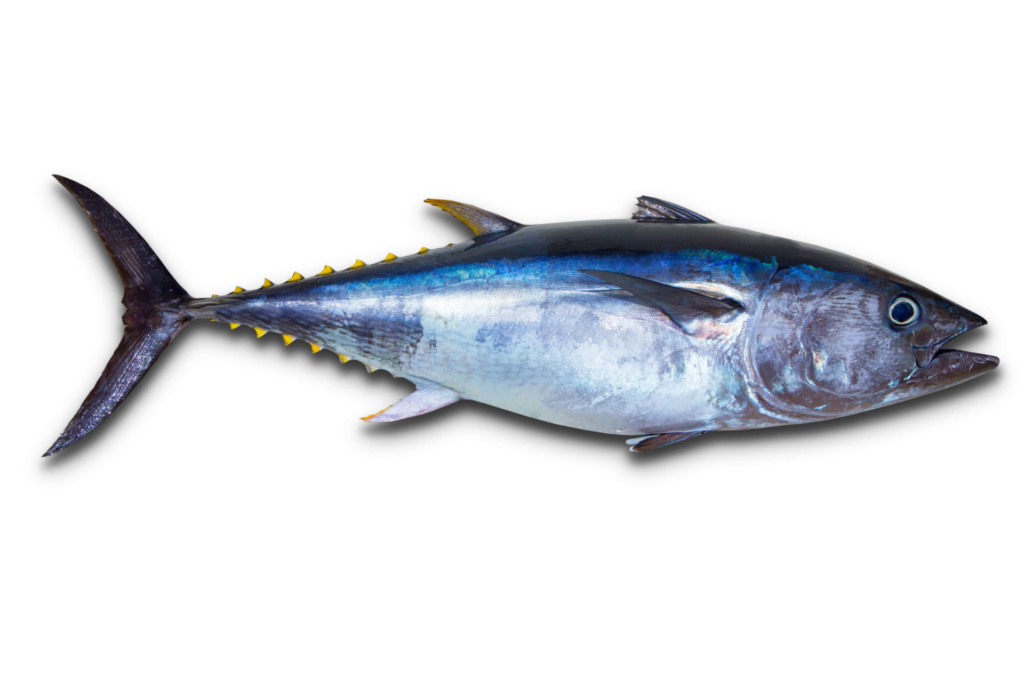
The yellowfin tuna also called ahi gets its name from its fins which are a bright yellow color although, the fish itself has a silver and blue color on its stomach and back respectively. The yellowfin tuna is a highly migratory fish. It’s located in Africa, Southern Asia, and America, they spend most of their lives in the Atlantic Ocean.

Yellow fish tuna are carnivorous and will eat other smaller fishes and aquatic animals including mackerel, sardines, shrimp, prawns, and small squids. However, they are also hunted by other carnivorous fishes, birds, and even larger tuna. Bigger yellowfin tuna will choose to eat other tuna species given the right circumstances. In turn, they are fed on by larger predators like the great white shark, the mako shark, orcas, and the marlins.

However, yellowfin tuna have been known to take part in commensalism relationships, where they follow larger fish for protection. They have been known to follow some species of sharks and whales. They also follow large objects like large pieces of wood, and they have been known to follow big vessels like cruise ships. Except for following bigger fishes and objects, they also school together among themselves and other tuna species.

Yellowfin tuna are very fast and this high speed aids their escape from their predators. Bigger yellowfin tuna are very difficult to catch because coupled with their high speed, they are also fond of suddenly diving down into the depths of the Ocean to escape from predators. Their warm-bloodedness is also one of the factors which add to their speed as they are capable of swimming for a long period and also swimming at short bursts of speed.

Yellowfin tuna has about 31 calories in every 28g of fish. It is very rich in potassium which helps in reducing blood pressure levels. It has a high protein content along with vitamins and a low percentage of fat. For every 3g of fat present in beef, a yellowfin tuna may have less than 1.5g of fat content in comparison. Therefore, for raising protein levels without having to worry about the following fat content, yellowfin tuna is a very good option to replace beef. Moreover, the fat content in yellowfin tuna is healthy for the heart as it is unsaturated.

Yellowfin tuna also presents a delightful and rich taste and it is one of the best tuna species to use for raw preparations, that is to say, yellowfin tuna is one of the best choices of fish to use for the preparation of sushi, yellowfin tuna can be served in a variety of ways such as by grilling it with ingredients like garlic, it can be chopped to form a tuna salad, tuna rolls, most fascinating a tuna steak prepared with marinade for added flavor. If you want to prepare any of the dishes mentioned above, be sure to visit Safe Catch to purchase your very own pack of yellowfin tuna and a wild tuna can at very affordable prices.

The Amazing Health Benefits of Tuna

The Amazing Health Benefits of Tuna

Tuna fish is widely common all over the world, and there are many species to choose from. But what a lot of people don’t know is the fact that tuna is very healthy, and you will find it one of the best types of fish out there. This is why it’s a good idea to give tuna a try, so you can enjoy all the benefits listed below.


Lowering the risks of heart disease


Tuna has lots of omega-3 fatty acids, and that helps you prevent any clogged arteries, heart attacks, and cardiovascular disease. Because of that, it’s one of the best types of fish out there and worth giving a try.


It helps you lose weight


Another great thing that tuna can do is it can help you enjoy a low-calorie, yet very nutritious meal. That’s the great thing, it keeps you full and you also don’t have to worry about dealing with lots of accumulated fat. That alone makes it one of the best ways to stay in shape properly.


Lower cancer risks


Eating wild tuna can daily also help you prevent cancer more than before. It’s said to slow tumor cell growth. Plus, it can lower inflammation in your body and it will help you eliminate any possible problems that might arise in the long run. And that’s exactly the thing you want to pursue here.


Protecting your eyes


With help from tuna, you can improve your eye health. It also lowers the risks of dealing with dry eye. And thanks to the omega 3 fatty acids, you can easily improve your retinal health. So yes, this does come in handy and it allows you to prevent any problems that arise.


Boosting the power of your immune system


Tuna can be used to improve the power of your immune system too. It has nutrients like selenium, vitamin C, zinc, and manganese that help you boost your immune system’s power and push it to the next level. It’s a great way to enhance your health naturally, and in the end, it’s worth giving it a try.


Less depression


A lesser-known benefit of tuna is the fact that it can help reduce depression naturally. It allows you to deal with stress and depression in a more efficient way, which in turn conveys much better results than expected, and that’s certainly a thing to focus on.
As you can see, tuna has incredible health benefits and it’s a very good idea to give it a try yourself. You will be amazed at its features and qualities, and you will certainly appreciate the outstanding ways that it uses to improve your health. Add it to your diet soon and you will certainly be happy with the results!

Theme: Elation by Kaira.
Berlin, Connecticut, United States